Discover everything about Bwindi Impenetrable Forest – from gorilla trekking permits and trekking sectors to accommodation, packing tips, and the best times to visit Uganda's legendary rainforest.
Deep in southwestern Uganda, where mist clings to ancient hillsides and the air hums with unseen life, lies one of Africa's most extraordinary wilderness areas. Bwindi Impenetrable Forest – the name itself evokes mystery, challenge, and the promise of something truly remarkable. This UNESCO World Heritage site covers just 321 square kilometres of rugged terrain yet harbours approximately half of the world's remaining mountain gorillas.
But Bwindi Impenetrable Forest offers so much more than its famous primate residents. From the moment you first glimpse its dense canopy stretching across misty hillsides, you understand why this place has captured the imagination of explorers and travellers for generations. Whether planning your first safari or returning for another wildlife adventure, this guide tells you everything about visiting Bwindi Impenetrable Forest.
1. Understanding Bwindi Impenetrable Forest: A Place of Darkness and Light
The name "Bwindi" comes from the local Runyakitara word "Omubwindi," meaning "place of darkness" – a reference to the dense canopy that transforms daylight into twilight on the forest floor. Walking through Bwindi Impenetrable Forest, you'll understand immediately how it earned this name. Towering trees wrapped in vines and epiphytes create a cathedral-like atmosphere where sunlight pierces through only occasionally.
Yet this "darkness" shelters incredible abundance. Bwindi Impenetrable Forest contains 459 mountain gorillas, 120 mammal species including 10 primates, 348 bird species with 23 found nowhere else, 220 butterfly species, and over 1,000 plant species. The forest's location along the Albertine Rift Valley at elevations between 1,160 and 2,607 metres creates multiple ecosystems within a small area.
Lowland forest gives way to afro-montane vegetation, bamboo zones, and high-altitude moorland as you climb – each supporting unique wildlife communities. For travellers, this diversity means every day in Bwindi Impenetrable Forest brings new discoveries, whether tracking gorillas, searching for rare birds, or simply walking forest trails and absorbing the atmosphere of Africa's oldest rainforests.
2. Getting to Bwindi Impenetrable Forest: Your Journey Begins
Reaching Bwindi Impenetrable Forest is an adventure itself, but the journey makes the destination so special. The park sits in southwestern Uganda, approximately 8-10 hours' drive from the capital Kampala. The experience of winding through terraced hillsides, past villages where children wave, and through ever-more spectacular landscapes is unforgettable.
By Road: The Classic Safari Approach
Most visitors reach Bwindi Impenetrable Forest by road, and for good reason. The journey allows you to absorb Uganda's incredible scenery and combine with other parks. From Kampala or Entebbe, take the Masaka-Mbarara-Kabale-Kanungu route (8-10 hours to Buhoma or Ruhija sectors) or the Masaka-Mbarara-Kabale-Kisoro route (9-10 hours to Rushaga or Nkuringo sectors).
From Kigali, Rwanda, the drive to southern sectors takes just 4-5 hours via Katuna or Cyanika border crossings. This route has become increasingly popular as travellers combine Rwanda with cheaper Ugandan permits. While main highways are tarmac, final approaches involve murram roads that become challenging in wet conditions – a 4WD vehicle is essential.
By Air: The Fast Track
For those short on time, domestic flights offer convenient alternatives. Fly from Entebbe or Kajjansi Airfield to Kihihi Airstrip (for Buhoma) or Kisoro Airstrip (for Rushaga or Nkuringo). Flight time is approximately 1-1.5 hours with Aerolink Uganda or Bar Aviation, followed by 1-2 hours ground transfer to your lodge.
Charter flights can also be arranged, though scheduled services are more economical for solo travellers and small groups. The aerial perspective of Uganda's landscape – the patchwork of farms, dramatic hills, and sudden appearance of the forest – is worth the fare alone.
3. When to Visit Bwindi Impenetrable Forest: Timing Your Adventure
One of the most common questions about Bwindi Impenetrable Forest is when to visit. The honest answer is that any time of year can work beautifully, though each season offers distinct advantages.
Peak Seasons: June to August and December to February
These months are widely considered the best time for gorilla trekking in Bwindi Impenetrable Forest. With minimal rainfall (50-100mm monthly), trails are firmer and less slippery, making steep terrain more manageable. Daytime temperatures average 20-25°C (68-77°F), though nights drop to 10°C (50°F).
Advantages include drier, safer trekking conditions, better visibility for photography, and clearer views from scenic viewpoints. Wildlife concentrates around water sources during these months. Disadvantages include peak tourist crowds, permits selling out months in advance, premium accommodation rates, and less flexibility with booking.
Green Seasons: March to May and September to November
Don't dismiss the rainy months entirely. While trails become muddy and challenging, these seasons offer their own magic. April is the wettest month, with rainfall reaching 150-250mm. Advantages include lush, vibrant forest scenery at its most photogenic, fewer visitors for intimate experiences, and potential lodge discounts.
Gorillas often stay lower on slopes during wet months, potentially shortening treks. Birding is excellent with migratory species present. Disadvantages include slippery, demanding trekking conditions, some views obscured by mist and rain, roads becoming difficult, and higher chance of trek cancellations in extreme weather.
The Year-Round Reality
Here's what many guides won't tell you: trekking happens every day in Bwindi Impenetrable Forest. Gorilla sightings remain consistently excellent regardless of season, as the gorillas are habituated and the forest is their permanent home. The park's high altitude keeps temperatures cool year-round with no extreme heat.
For most travellers, the best compromise is shoulder months of June or December, when weather is generally good but crowds haven't peaked. Photographers love the misty mornings of green season. If you want guaranteed dry trails and don't mind planning far ahead, July-August and January-February are your months.
4. Gorilla Trekking in Bwindi Impenetrable Forest: The Experience of a Lifetime
For most visitors, the reason they've come to Bwindi Impenetrable Forest is spending time with mountain gorillas. Few wildlife experiences match the profound impact of sitting quietly while a gorilla family goes about daily life around you.
What Gorilla Trekking Actually Involves
Gorilla trekking means hiking through dense mountain forest with experienced guides and rangers to spend one precious hour observing a habituated mountain gorilla family. It's part wildlife encounter, part physical challenge, and wholly unforgettable.
The day begins around 6:30 AM with a briefing at your sector's park headquarters. Rangers provide essential information about gorilla behaviour, trekking etiquette, and safety protocols. You're assigned to a specific gorilla family based on fitness level, preferences, and the family's location that morning.
Then the trek begins, and Bwindi Impenetrable Forest lives up to its name. You'll traverse steep slopes, push through dense undergrowth, and possibly cross streams. Rangers maintain contact with trackers who located the family at dawn, so while you don't know trek duration, you know you're heading right.
Trek duration ranges from 30 minutes to 7 hours – that massive range depends entirely on where gorillas spent the night and where they've moved while feeding. Tracker updates throughout the morning help your guide adjust the route, so patience is essential.
The Encounter
Once you locate the gorillas, you'll have exactly one hour with them. Rangers enforce strict rules: maintain 7 metres distance, no flash photography, no eating or drinking near gorillas, and turn away if you need to cough or sneeze. These rules protect both you and the gorillas, who are susceptible to human diseases.
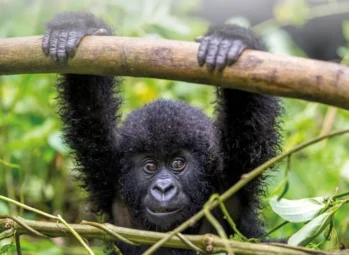
A typical hour might include watching youngsters play-fight, observing a silverback's calm authority as he rests, watching females methodically feed, and perhaps witnessing a gorilla completely ignore your presence as if you're just part of the scenery. That moment of acceptance makes the experience so special.
Gorilla Trekking Permits: Your Ticket to the Forest
Permits cost $800 per person, set by the Uganda Wildlife Authority. Compare this to Rwanda's $1,500 permit, and you'll understand why Bwindi Impenetrable Forest has become the world's premier gorilla trekking destination. The fee includes park entrance, ranger services, and conservation contributions.
Only 160 permits are issued daily across all sectors (8 visitors per habituated family). This limited availability means permits sell out months in advance, especially during peak season. Book 3-6 months ahead for regular travel, 6-12 months ahead for peak seasons (July-August, December-January).
Permits can be booked through tour operators, directly through the Uganda Wildlife Authority, or through lodges offering trekking packages. Most travellers use tour operators, who handle logistics and advise on sector selection based on availability and preferences.
The Gorilla Habituation Experience
For those seeking deeper immersion, the Gorilla Habituation Experience offers something extraordinary. You'll spend four hours with a semi-habituated gorilla family, joining researchers and rangers as they acclimate the group to human presence. You'll observe natural behaviours, watch habituation in action, and gain conservation insights.
This experience costs $1,500 per person and is highly limited – only one family and four visitors per day in the Rushaga sector. For those who secure a spot, this is arguably the most intimate wildlife experience available in Africa.
5. Physical Demands and Preparation for Bwindi Impenetrable Forest
Let's be honest about something important: gorilla trekking in Bwindi Impenetrable Forest is challenging. The terrain is steep, altitude significant (1,500-2,600 metres), and humidity often exceeds 90%. Treks last 2-7 hours with no established trails – you're following gorillas through whatever route they've taken.
Minimum age is 15 years – strictly enforced to protect both young travellers and the gorillas. Fitness recommendations include regular cardiovascular exercise before your trip, practice hiking on steep terrain if possible, reasonable core strength for balance on slippery slopes, and mental preparedness for a physically demanding day.
Travellers with mobility issues, severe balance problems, significant heart or respiratory conditions, or anyone uncomfortable with several hours of strenuous hiking in humid conditions should consult their doctor. Be honest with your tour operator about fitness level – they can match you with an appropriate gorilla family.
Hiring a Porter: The Smartest Money You'll Spend
For $10-15, you can hire a local porter who will carry your daypack and help navigate difficult sections. This isn't admitting weakness – it's one of the smartest decisions you can make. Porters know the forest intimately, steady you on slippery slopes, carry gear so you focus on the trek, and provide fascinating local insights.
Beyond practical help, hiring a porter supports local communities and creates economic opportunities giving people stake in protecting Bwindi Impenetrable Forest. Many porters are former poachers or subsistence farmers now earning from tourism – a powerful conservation success story.
6. What to Pack for Bwindi Impenetrable Forest
Packing correctly for Bwindi Impenetrable Forest can make the difference between challenging but rewarding experience and genuinely miserable one. Here's what you need:
Essential Trekking Gear
For clothing, pack sturdy waterproof hiking boots with good ankle support, well broken-in before arrival. Gaiters are absolutely essential for keeping mud out of your boots. Long trousers and long-sleeved shirts protect from stinging nettles and branches. A rain jacket is essential – rain is possible any day.
Moisture-wicking base layers help because you'll sweat even in cool conditions. A warm fleece or sweater is needed for early morning briefings and cool evenings. Gardening gloves protect hands when grabbing vegetation.
For gear, bring a daypack large enough for water, lunch, and extra layers. Water bottles or bladder holding 2-3 litres minimum are essential. Your camera needs extra batteries because cold drains them quickly. Binoculars are essential for birding and wildlife viewing. A headlamp or flashlight helps during power outages, and a power bank keeps devices charged.
Health and comfort items include insect repellent containing DEET, sunscreen even in the forest, personal first-aid kit with blister treatment, wet wipes and hand sanitiser, and packed lunch with high-energy snacks (your lodge provides these).
What's Provided by Most Lodges
Walking sticks can be requested in advance. Packed lunches, ankle gaiters, and ponchos for unexpected rain are typically provided. For evenings, pack lightweight trousers, casual shirts, a fleece for cool evenings, and comfortable shoes or sandals. Most lodges have relaxed atmosphere – no formal wear needed.
7. The Four Sectors of Bwindi Impenetrable Forest
Bwindi Impenetrable Forest is divided into four trekking sectors, each with distinct characteristics affecting your experience. Understanding these differences helps you choose the right sector for your fitness level, interests, and available permits.
Buhoma Sector: The Original Gateway
Buhoma was the first sector developed for tourism and remains most popular. It's home to several luxury lodges and offers relatively moderate trekking compared to other sectors. The terrain here is generally less punishing, making it good for first-time trekkers or those concerned about fitness.
The Buhoma area also offers excellent nature walks, community visits, and the famous waterfall trail – activities worth spending an extra day even after your gorilla trek.
Ruhija Sector: The Birder's Paradise
Ruhija sits at highest elevation of all sectors and offers spectacular scenery. Trails here pass through bamboo forests and afro-montane vegetation, habitats supporting bird species found nowhere else. For dedicated birders, Ruhija is non-negotiable.
The Mubwindi Swamp trail, though challenging, is one of Africa's premier birding locations. Even if birds aren't your primary focus, views from this sector are unforgettable.
Rushaga Sector: Maximum Choice
Rushaga has the most habituated families – currently over 10 – meaning greater flexibility in permit availability and best chance of securing a trek on your preferred dates. This is the only sector offering the Gorilla Habituation Experience.
Terrain in Rushaga varies, with some families accessible via gentle slopes and others requiring more strenuous treks. Your guide can match you with appropriate family based on fitness level.
Nkuringo Sector: For Adventurers
Nkuringo offers the most challenging treks in Bwindi Impenetrable Forest – and the most dramatic rewards. The sector sits on a ridge with breathtaking views across forest to Virunga Volcanoes. Descent into forest and climb back out are genuinely demanding, but scenery and sense of achievement make it worthwhile.
Nkuringo suits experienced hikers wanting physical challenge alongside wildlife encounter. The community around Nkuringo is particularly welcoming with excellent cultural experiences available.
8. Beyond Gorillas: Other Activities in Bwindi Impenetrable Forest
While gorillas are the headline act, Bwindi Impenetrable Forest offers enough activities to fill a week-long stay. Here are the best ways to experience the forest beyond your gorilla trek.
Hiking and Nature Walks
Bwindi's trail network offers spectacular hiking that reveals forest biodiversity in ways gorilla trekking – focused on following one family – doesn't always allow. In Buhoma sector, the Waterfall Trail takes 3 hours to three beautiful waterfalls through pristine forest. Pools at falls base are perfect for refreshing dips.
The Muzabajiro Loop (3-4 hours) climbs to Rukubira Hill for panoramic forest and Western Rift Valley views. Early morning starts reward with mist rising from canopy. Munyanga River Trail (1.5 hours) offers easy birding-focused walk along the river, excellent for primates and forest birds.
Rushura Hill Trail (3-4 hours) ascends Buhoma's highest point for views of Virunga Volcanoes, Rwenzori Mountains, and Lake Edward – on clear days, one of Uganda's most spectacular vistas.
In Ruhija sector, the Bamboo Trail (7 hours, strenuous) climbs to Rwamunyonyi Hill (2,607m), the park's highest point, with views of Lake Bunyonyi. This full-day hike requires good fitness but rewards with unforgettable scenery. Mubwindi Swamp Trail (4-5 hours) is a challenging hike to swamp teeming with birdlife, requiring special permission.
The Ivy River Trail (6-7 hours) and Kashasha River Trail (5-6 hours) connect Buhoma and Nkuringo sectors – full-day hikes through the heart of Bwindi Impenetrable Forest. Arrange transport to meet you at the other end for the forest's full diversity in one epic day.
Birdwatching in Bwindi Impenetrable Forest
With 348 species recorded, Bwindi Impenetrable Forest is arguably East Africa's premier birding destination. The 23 Albertine Rift endemics found here include some of the continent's most sought-after species.
Target species for serious birders include African Green Broadbill (one of Africa's most difficult birds), Shelley's Crimsonwing, Rwenzori Batis, Black-billed Turaco, Handsome Francolin, Short-tailed Warbler, Grauer's Rush Warbler, and Regal Sunbird.
Best birding locations include Ruhija sector (especially Mubwindi Swamp), Buhoma trails, and forest edge near any sector. Hiring a specialist bird guide – available through lodges or Uganda Wildlife Authority – dramatically increases your chances of seeing target species.
Cultural Experiences: Meeting the People of the Forest
Batwa Community Experiences connect you with the indigenous pygmy people who lived in Bwindi Impenetrable Forest for millennia before it became a national park in 1991. Displaced when the park was established, they now share their culture through community tourism.
A Batwa experience typically includes traditional hunting and gathering demonstrations, lessons in medicinal plant use, stories and songs passed through generations, visits to sacred forest sites, and traditional dance performances. These experiences are offered in both Buhoma and nearby Mgahinga, providing meaningful income while preserving cultural traditions.
Village walks and community visits in Nkuringo and Buhoma let you see schools and clinics supported by tourism revenue and meet villagers going about daily lives. These visits offer genuine insight into rural Ugandan life and connection with people whose lives intersect with Bwindi Impenetrable Forest in ways yours never will.
9. Where to Stay in Bwindi Impenetrable Forest
Accommodation ranges from world-class luxury lodges to simple community camps, distributed across the four sectors. Your choice often determines which sector you'll trek in, so consider both together when planning.
Luxury Lodges ($800+ per night)
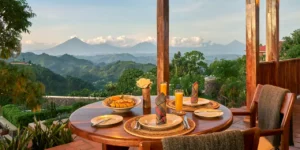
Sanctuary Gorilla Forest Camp in Buhoma features only eight cottages within walking distance of park entrance. Each cottage has a bathtub overlooking jungle canopy and private viewing deck. The spa and silver-service dining provide wonderful recovery after challenging treks.
Gorilla Forest Lodge in Buhoma reopened in June 2025 after complete rebuilding. This A&K Sanctuary property offers 10 standalone villas with contemporary design incorporating natural materials. In-room yoga mats, Leica binoculars, and complimentary minibar are included. The lodge sits inside the park – five minutes from Buhoma gate, making it the most conveniently located luxury option.
Nkuringo Bwindi Gorilla Lodge in Nkuringo perches on the ridge with spectacular views across forest to Virunga Volcanoes. Spacious rooms with fireplaces, excellent service, and easy access to Nkuringo's gorilla families. Sunset views from this lodge are arguably the best in Bwindi Impenetrable Forest.
Buhoma Lodge, a classic luxury option with 10 cottages built from local stone and timber, offers stunning forest views. Operating for over 20 years, it provides exceptional guiding and service.
Mid-Range Lodges ($200-400 per night)
Options like Silverback Lodge in Buhoma, Rushaga Gorilla Lodge in Rushaga, and Bakiga Lodge near Ruhija offer comfortable accommodations with en-suite facilities, good food, and friendly service without premium price tags. These are excellent choices for travellers wanting comfort while keeping costs manageable.
Budget and Community Lodges ($50-150 per night)
Ride 4 a Woman in Buhoma supports women's initiatives while providing clean, basic accommodation in welcoming environment. Buhoma Community Rest Camp and Broadbill Safari Camp offer affordable options for budget-conscious travellers. Trekkers Tavern Cottages in Buhoma provides simple but comfortable rooms at reasonable rates.
Community-run options like Nkuringo Campsite offer the most authentic experience and directly support local development – though facilities are basic compared to commercial lodges.
Booking Advice
Reserve accommodations at least 3-6 months in advance for peak seasons, longer for most popular lodges. Many lodges offer packages including permits, transfers, and meals – these can simplify planning and sometimes offer better value than booking separately.
10. Practical Information and Essential Tips
Health and Safety in Bwindi Impenetrable Forest
Yellow fever vaccination is mandatory – you must present your certificate upon arrival in Uganda. Recommended vaccinations include Hepatitis A and B, Typhoid, Tetanus, and Polio.
Bwindi Impenetrable Forest is in a malaria zone. Consult your doctor about prophylactic medication and use insect repellent diligently, especially during dawn and dusk when mosquitoes are most active.
Travel insurance is essential. Ensure your policy covers emergency evacuation (required for serious medical issues in remote areas) and trip cancellation including for trekking activities.
The park's elevation ranges from 1,160 to 2,607 metres. Most visitors don't experience significant altitude effects, but staying hydrated and moving steadily rather than rushing helps your body adjust.
Money Matters
Currency is Ugandan Shilling (UGX). US dollars are widely accepted at lodges and for permits but should be recent (post-2009) and in good condition – no tears, marks, or folds.
ATMs are limited in Bwindi – Kisoro and Kabale towns have banks with ATMs, but they can run out of cash. Bring sufficient cash for tips, souvenirs, and incidentals.
Tipping is customary for guides, porters, and lodge staff. Budget $10-20 per day for tips distributed appropriately – your tour operator can advise on current practices.
Etiquette and Rules for Gorilla Trekking
Maintain at least 7 metres distance from gorillas at all times. This protects them from human diseases and ensures your safety. No flash photography – it disturbs gorillas and can provoke reactions. Use high ISO settings or lower light capabilities instead.
No eating or drinking near gorillas – food smells can attract unwanted attention and alter gorilla behaviour. Turn away to cough or sneeze to prevent disease transmission. Wear a mask if you have any respiratory symptoms – responsible travellers postpone their trek if genuinely ill.
One hour maximum is strictly enforced to minimise disturbance. Your guide will signal when time is up. No restroom breaks during the hour – plan accordingly. The forest provides plenty of opportunities before and after.
The 15+ age requirement is strictly enforced – carry identification for young adults if they look close to the cutoff.
General Etiquette in Uganda
Ask permission before photographing local people – most will happily agree, but respect their wishes if they decline. Dress modestly in villages and communities – covering shoulders and knees is appropriate.
Support conservation by following all park rules. Leave no trace – pack out what you pack in. Learn a few words of the local language – "Agandi" (hello in Rukiga) and "Webale" (thank you) go a long way.
Sample Itineraries for Bwindi Impenetrable Forest
Quick Visit: 3 Days/2 Nights
Day 1: Fly or drive to Bwindi Impenetrable Forest. Settle into your lodge, then take afternoon nature walk or village visit to begin experiencing the forest.
Day 2: Gorilla trekking day. Early breakfast, briefing, trek, and one hour with gorillas. Return to lodge for well-earned rest, followed by celebratory dinner.
Day 3: Morning bird walk or community experience, then depart. If flying out, schedule morning activity ending in time for flight transfer.
This itinerary works well for travellers short on time or combining Bwindi with other Uganda destinations.
Comprehensive Bwindi Experience: 5 Days/4 Nights
Day 1: Arrive Bwindi Impenetrable Forest. Settle in, then take introductory nature walk on forest edge. Evening cultural talk at your lodge.
Day 2: Gorilla trekking – the main event. Full day with trek and recovery time.
Day 3: Rest day with choice of activities including waterfall hike, birding expedition, Batwa community experience, or village walk.
Day 4: Second gorilla trek (different family) or challenging hiking trail like Bamboo Trail or Mubwindi Swamp. Choose based on energy and interests.
Day 5: Morning relaxation, perhaps final short walk, then depart.
This slower pace allows you to truly absorb Bwindi Impenetrable Forest and experience its diversity beyond gorillas.
Combined Uganda Safari: 10-14 Days
Combine Bwindi Impenetrable Forest with Queen Elizabeth National Park (5-6 hours drive) for game drives, tree-climbing lions, and boat safaris on Kazinga Channel. Add Kibale Forest National Park (9-10 hours drive) for chimpanzee tracking and primate walks.
Include Lake Mburo National Park (4-5 hours drive) for zebra, impala, and boat safaris. Consider Murchison Falls National Park (by air or long drive) for Nile River experiences and big game. End with Lake Bunyonyi (2-3 hours from Bwindi), Africa's second-deepest lake, perfect for relaxation after trekking.
A combined safari requires more time but showcases Uganda's remarkable diversity – from savannah wildlife to mountain gorillas, all in one country.
Conservation: Why Your Visit Matters
Every gorilla trekking permit purchased for Bwindi Impenetrable Forest contributes directly to conservation. Over 60% of permit fees fund park operations, ranger salaries, and community revenue-sharing programs.
The mountain gorilla story is one of conservation's greatest successes. From fewer than 600 individuals in the 1980s, their population has steadily increased through intensive protection efforts. Bwindi Impenetrable Forest's gorilla population alone has grown from approximately 300 in 2006 to 459 today – a testament to conservation programmes funded by tourism.
Community Benefits
Tourism revenue supports local schools and healthcare facilities, water projects bringing clean water to villages, alternative livelihoods reducing forest dependence, revenue-sharing programs with communities bordering the park, and employment for hundreds of local people as guides, porters, and lodge staff.
Responsible Tourism Practices
As a visitor to Bwindi Impenetrable Forest, you can maximise positive impact by choosing lodges with strong sustainability credentials, hiring local guides and porters, respecting wildlife and park rules, learning about and respecting local cultures, offsetting your carbon emissions from flights, and supporting community enterprises while purchasing locally made crafts.
Frequently Asked Questions About Bwindi Impenetrable Forest
Is gorilla trekking safe? Yes, with qualified ranger guides. Gorillas are habituated to human presence and generally calm. Rangers maintain safety protocols and are trained in gorilla behaviour. The biggest risks are from terrain, not gorillas – watch your footing and listen to your guide.
What if I don't see gorillas? Success rates exceed 98%. Trackers locate families at dawn, so guides know exactly where to go. If you're in the unlucky 2% – typically due to extreme weather or gorilla movement across park boundaries – you'll receive partial refund (typically 50%) and can try again with new permit.
Can I take photos? Yes, without flash. Low-light settings on cameras help in dim forest. A 200-400mm lens is ideal, but even phone cameras capture memorable images if you're patient.
How fit do I need to be? Reasonable fitness is required. The trek can be challenging, but porters can assist. Discuss fitness levels with your operator when booking – they can match you with appropriate gorilla family.
Can I combine Bwindi with other destinations? Absolutely. Common combinations include Queen Elizabeth National Park (5-6 hours), Kibale Forest (9-10 hours), Lake Mburo (4-5 hours), and Kigali, Rwanda (4-5 hours). Many travellers spend 10-14 days exploring Uganda's diverse parks.
Is Bwindi only for gorilla trekking? Not at all. Birding, hiking, cultural experiences, and nature walks make it a multi-day destination even without gorilla trekking. Many visitors spend 3-4 days here with only one day dedicated to gorillas.
What's the difference between Bwindi and Volcanoes National Park in Rwanda? Both offer mountain gorilla trekking. Rwanda's permits cost $1,500 (vs Uganda's $800), but Volcanoes is more accessible from Kigali with slightly easier terrain. Bwindi's forest is older, more biodiverse, and larger with more gorilla families and unique habituation experience.
When should I book permits? As soon as your travel dates are confirmed. Peak season permits sell out 6-12 months in advance. Even low season permits should be booked 3-4 months ahead.
What's the best sector for first-time trekkers? Buhoma offers most moderate terrain and widest range of accommodation. Rushaga also has relatively accessible families and most permit availability.
Can I visit Bwindi with children? Children under 15 cannot trek to see gorillas. Older teenagers can, but assess their fitness and interest carefully – it's demanding for anyone.
The Magic of Bwindi Impenetrable Forest
There's a moment that comes to every visitor to Bwindi Impenetrable Forest. It might be when a silverback emerges from foliage, regards you with eyes holding centuries of wisdom, and settles to rest as if you're merely part of scenery. It might be when a young gorilla tumbles past in play, so close you could reach out and touch. It might be in quiet minutes after the trek, sitting with your group, no one speaking, each person processing what they've just experienced.
That moment is why people travel across the world to this misty corner of Uganda. It's why they save for years, train for months, and endure long flights and bumpy roads. It's why Bwindi Impenetrable Forest – difficult, demanding, utterly magical Bwindi – has become one of Africa's most beloved destinations.
The forest itself was here long before the first tourist arrived and will be here long after we're gone. But for one hour, in the company of gorillas who've learned to tolerate our presence, we're granted entry into a world most humans never know. We're reminded we're not separate from nature – we're part of it, guests in a forest that doesn't need us but has miraculously allowed us in.
That's the gift of Bwindi Impenetrable Forest. That's why you should come. Contact us