Everything You Need to Know for 2026 Trekking.
Is gorilla trekking safe in Rwanda and Uganda? This is the single most common question we receive from travellers planning the adventure of a lifetime. And the answer is a confident, well-supported yes — gorilla trekking in Rwanda and Uganda is safe, well-regulated, and one of the most rewarding wildlife experiences available anywhere on Earth.
That said, "safe" does not mean "effortless." Gorilla trekking involves hiking through dense rainforest, sometimes for several hours, at high altitude, in the presence of wild animals. Understanding what to expect, what the rules are, and how both Uganda and Rwanda protect their visitors is essential before you set off.
In this comprehensive guide, Tulambule Uganda Safaris — a 100% Ugandan-owned safari company operating since 2014 — covers everything you need to know about gorilla trekking safety in Rwanda and Uganda in 2026.
Is Gorilla Trekking Safe? The Short Answer
Yes. Is gorilla trekking safe in Rwanda and Uganda? Absolutely. Both countries have spent decades building robust, ranger-led trekking programmes that prioritise the safety of visitors and gorillas alike. There has not been a single serious tourist security incident in Bwindi Impenetrable National Park or Volcanoes National Park in over two decades.
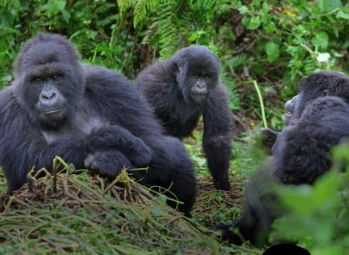
Mountain gorillas are, by nature, gentle and non-aggressive animals. They have been habituated to human presence over many years, meaning they are comfortable with visitors who follow the rules. Silverback gorillas may occasionally charge as a display of dominance, but experienced guides know how to handle these rare moments calmly and effectively.
The combination of trained armed rangers, strict visitor protocols, small group sizes, and stable political environments makes gorilla trekking in Rwanda and Uganda among the safest wildlife experiences in Africa.
Why Uganda and Rwanda Are the Safest Gorilla Trekking Destinations
When people ask is gorilla trekking safe in Rwanda and Uganda, it helps to compare the options. There are only three countries in the world where you can trek mountain gorillas: Uganda, Rwanda, and the Democratic Republic of Congo (DRC).
Uganda and Rwanda are consistently rated far safer than the DRC for gorilla trekking. The eastern DRC, home to Virunga National Park, has ongoing armed conflict and the US State Department currently rates parts of eastern DRC as "Do Not Travel." For most travellers, the DRC is simply not a recommended destination for gorilla tourism at this time.
Uganda and Rwanda, by contrast, are politically stable, peaceful, and heavily invested in protecting their gorilla tourism industries. The revenues generated from gorilla permits — USD 800 per person in Uganda and USD 1,500 per person in Rwanda — fund park security, ranger salaries, community development, and conservation programmes. Both governments understand that protecting tourists is protecting their economy.
Uganda: Security in Bwindi and Mgahinga
Uganda has the largest population of mountain gorillas in the world, with over half of all remaining mountain gorillas living within the country's borders. Gorilla trekking in Uganda takes place in two national parks: Bwindi Impenetrable National Park and Mgahinga Gorilla National Park.
Bwindi is the flagship destination, home to more than 20 habituated gorilla families and dozens of active trekking groups. The Uganda Wildlife Authority (UWA) maintains a strong security presence in and around Bwindi, with armed rangers patrolling the park boundaries, a permanent military base operating within the park, and tourism police stationed at all major entry points.
The communities surrounding Bwindi play an active role in park security as well. Because local communities benefit directly from gorilla tourism — through employment, community funds, and infrastructure development — they have a strong incentive to report suspicious activity. This community-integrated approach to security has been highly effective.
For over 25 years, there has been no recorded security incident involving tourists in Bwindi Impenetrable National Park. This track record speaks for itself.
Rwanda: Security in Volcanoes National Park
Rwanda is widely regarded as one of the safest countries in Africa, full stop. The country's transformation since the 1990s has been remarkable, and today Kigali is frequently cited as one of Africa's cleanest, most organised, and most secure cities.
Gorilla trekking in Rwanda takes place in Volcanoes National Park, situated in the northwestern corner of the country near the borders with Uganda and the DRC. The Rwanda Development Board (RDB), which oversees gorilla tourism, has invested heavily in the security and management of Volcanoes National Park.
Every gorilla trekking group in Rwanda is accompanied by armed scouts in addition to experienced guides. These scouts are specifically trained to handle potential wildlife encounters and to ensure the physical safety of visitors throughout the trek.
Rwanda also limits the total number of daily gorilla permits to 96 across the park, ensuring that each gorilla family is visited by a maximum of eight people per day. This controlled approach not only protects the gorillas but also creates a more intimate, manageable, and secure experience for visitors.
Gorilla Trekking Safety Rules: Uganda and Rwanda Compared
Both Uganda and Rwanda have strict safety rules governing gorilla trekking. These rules exist to protect the gorillas — who are highly susceptible to human diseases — and to ensure the safety and enjoyment of every visitor.
Rules That Apply in Both Countries
Maintain a minimum distance of 7 to 10 metres from the gorillas at all times. In Uganda, the UWA mandates a minimum distance of 10 metres (approximately 32 feet). Rwanda enforces a similar standard. You will be reminded of this at the morning briefing and your guide will ensure it is observed during the trek.
Do not visit the gorillas if you are sick. If you have a cold, flu, respiratory infection, or any contagious illness, you must not participate in a gorilla trek. This rule is non-negotiable. Rangers conduct health checks at morning briefings and are authorised to turn away any visitor showing symptoms. This protects the gorillas from human diseases, to which they have no natural immunity.
Maximum of eight visitors per gorilla family per day. This is one of the most important safety rules in gorilla trekking. Small group sizes reduce stress on the gorillas, minimise the risk of disease transmission, and ensure every visitor has an intimate, unobstructed experience.
No flash photography. Flash photography can startle gorillas and provoke unpredictable behaviour. All photography must be done without flash.
Keep your voice low. Loud noise can disturb gorilla families and disrupt the calm atmosphere of the encounter. Guides ask visitors to communicate in whispers throughout the trekking experience.
Do not eat, drink, or smoke in the presence of gorillas. Food and drink can attract gorillas and disrupt their natural behaviour. Smoking is prohibited in all national park areas.
Do not touch the gorillas. Even if a young gorilla approaches you — which does occasionally happen — you must not reach out to touch it. Your guide will intervene and calmly redirect the situation.
Listen to your guide at all times. Your guide is an expert. In the unlikely event of a gorilla charge or other unexpected behaviour, follow your guide's instructions immediately and precisely.
Uganda-Specific Rules
In Uganda, gorilla permits for foreign visitors must be booked through a licensed tour operator. This is a critical anti-fraud measure enforced by the UWA to protect visitors from scam operators. Tulambule Uganda Safaris is a fully licensed operator, registered with AUTO, UTB, UWA, TUGATA.
Uganda's UWA has also introduced a "Safety Net" policy for ill visitors. If a park warden certifies that you are too ill to trek on your scheduled day, you are eligible for a 50% permit refund. This policy encourages honesty and is designed to prevent sick visitors from attempting the trek out of fear of losing their permit fee.
Uganda also offers the Gorilla Habituation Experience — available only in Bwindi — which allows visitors to spend up to four hours with a semi-habituated gorilla family. This extended experience is suitable for serious wildlife enthusiasts and photographers and follows the same strict safety protocols as standard treks.
Rwanda-Specific Rules
In Rwanda, visitors are assigned to a specific gorilla family on the morning of their trek based on their fitness level. Families at lower altitudes are assigned to older or less physically fit visitors, while fitter trekkers are allocated to groups higher up in the Virunga Mountains. This thoughtful allocation system ensures that every visitor has a safe and achievable experience regardless of their physical condition.
Rwanda's Volcanoes National Park also operates a porter system, where local community members can be hired to carry equipment and assist visitors on difficult terrain. Hiring a porter is strongly recommended — it supports local livelihoods, makes the trek more manageable, and gives you an expert companion who knows every metre of the trail.
Is Gorilla Trekking Physically Safe? What to Expect on the Trail
One of the most common safety concerns about gorilla trekking in Rwanda and Uganda is the physical difficulty of the trek itself. Gorillas live in mountainous rainforest at elevations between 2,500 and 4,000 metres above sea level. The terrain can be steep, muddy, slippery, and dense.
That said, gorilla trekking does not require peak athletic fitness. People of a wide range of ages and fitness levels successfully complete gorilla treks every day. However, a reasonable level of fitness is helpful, and knowing what to expect will make your experience far more comfortable.
Trek duration varies significantly. On any given day, a gorilla trek can last anywhere from 30 minutes to eight hours, depending on where the gorilla family has moved overnight. Rangers track the family the evening before your trek to get an early indication of their location, but gorillas move freely and the trail can change on the day.
Altitude is a factor. Bwindi sits at around 1,160 to 2,607 metres above sea level. Volcanoes National Park in Rwanda reaches up to 4,000 metres at its highest points. If you are not accustomed to altitude, take it slowly, stay hydrated, and inform your guide if you feel unwell.
Terrain in Uganda versus Rwanda. Bwindi in Uganda is known for denser, more challenging rainforest terrain — trails are steeper and more overgrown. Rwanda's Volcanoes National Park generally offers slightly more open terrain, with many gorilla families found within two to three hours of the trailhead. Both are manageable with proper preparation.
What to bring for a safe gorilla trek:
- Sturdy, waterproof hiking boots with good ankle support
- Long-sleeved shirt and long trousers (protects against nettles and insects)
- Lightweight waterproof rain jacket
- Gardening or gardening-style gloves for gripping vegetation
- A hat and sunscreen
- At least two litres of water and energy snacks
- A small daypack
- Insect repellent
Health Safety on a Gorilla Trek: What You Need to Know
Beyond the physical demands of the trail, gorilla trekking in Rwanda and Uganda involves several important health considerations.
Malaria prevention. Both Uganda and Rwanda are malaria-endemic countries. The CDC recommends antimalarial medication for all travellers to both countries. Consult your doctor at least four to six weeks before your trip to discuss the most appropriate prophylaxis for you.
Yellow fever vaccination. A yellow fever vaccination certificate is required for entry into Uganda and is strongly recommended for Rwanda. Ensure your vaccination is up to date before travelling.
Travel insurance. Comprehensive travel insurance is essential for any gorilla trekking safari. Look for a policy that includes medical evacuation, trip cancellation, and ideally "Cancel for Any Reason" (CFAR) coverage to protect your gorilla permit investment.
Respiratory health. Because gorillas are vulnerable to human respiratory diseases, you must be in good health before trekking. If you develop a cough, fever, or cold symptoms in the days leading up to your trek, inform your tour operator as soon as possible.
Gorilla Trekking Safety: Frequently Asked Questions
Has anyone ever been attacked by a gorilla during a trek? Serious attacks on tourists during guided gorilla treks are extremely rare. Silverback gorillas occasionally make bluff charges — a display of dominance rather than a genuine attack. Your guide is trained to respond calmly and will instruct you to crouch down, avoid eye contact, and remain still. In the vast majority of cases, the silverback will retreat without making contact.
Is gorilla trekking safe for older travellers? Yes. Many older travellers successfully complete gorilla treks each year. Rwanda in particular is well-suited to older or less physically active visitors because of its relatively accessible terrain and the altitude-based group allocation system. Porter assistance is highly recommended for all visitors, regardless of age.
Is gorilla trekking safe for women travelling solo? Yes. Both Uganda and Rwanda are considered safe destinations for solo female travellers. Gorilla trekking is always done in a guided group setting, and rangers and guides are professionally trained to ensure every visitor's safety and comfort.
Can children go gorilla trekking? The minimum age for gorilla trekking is 15 years in both Uganda and Rwanda. This rule protects both children and gorillas and is strictly enforced at park entry.
Book Your Safe Gorilla Trek with Tulambule Uganda Safaris
Is gorilla trekking safe in Rwanda and Uganda? The evidence is clear — yes. With decades of experience, strict safety protocols, armed ranger escorts, small group sizes, and two of Africa's most politically stable governments protecting their national parks, gorilla trekking in Uganda and Rwanda is a safe, transformative, and deeply responsible wildlife experience.
At Tulambule Uganda Safaris, we have been organising gorilla trekking experiences in Uganda and Rwanda since 2014. We handle every detail — from securing your gorilla permits and arranging park briefings to booking accommodation and providing experienced, licensed guides who know Bwindi and Volcanoes National Park intimately.
Whether you are planning a 3-day gorilla trekking safari in Uganda, a luxury Rwanda gorilla experience in Volcanoes National Park, or a combined Uganda and Rwanda gorilla safari, our team is ready to create a safe, seamless, and unforgettable journey for you.