Discover the best Ugandan food to try on your safari, from Rolex and Matoke to Luwombo. Explore authentic local dishes that make Uganda the Pearl of Africa.
Ugandan food and why Uganda is a food basket.
Situated in the heart of East Africa, bordered by Tanzania, South Sudan, Kenya, the Democratic Republic of the Congo, and Rwanda, Uganda is a compact yet incredibly diverse destination. Often referred to as the Pearl of Africa, the country offers a rich blend of cultural heritage, breathtaking landscapes, and extraordinary wildlife experiences.
From exploring the vibrant streets of Kampala to unwinding along the scenic shores of Lake Victoria, every journey through Uganda introduces you to a deeper layer of its identity—and nothing reflects this more than its food.
Ugandan food is deeply rooted in tradition and shaped by local agriculture. Across the country, especially in rural communities, families depend on subsistence farming, growing crops such as cassava, sweet potatoes, plantains, bananas, avocados, maize, millet, and beans. These ingredients form the backbone of Uganda’s cuisine, creating meals that are not only nourishing but also rich in flavor and cultural significance.
As you travel through Uganda on safari, food becomes part of the experience—whether it's a freshly prepared roadside snack or a traditional meal shared in a village setting. Each dish tells a story of heritage, community, and the natural abundance of this beautiful country.
In this guide, we explore the must-try Ugandan food dishes that every traveler should experience for a truly authentic safari journey.
Popular Ugandan Food Staples You Must Try
When exploring Ugandan food, you’ll quickly notice that most meals are built around simple, filling staples that reflect the country’s agricultural lifestyle. These dishes are not only nutritious but also deeply rooted in tradition, making them an essential part of any authentic Uganda safari experience.
Posho (Ugali): The Everyday Staple
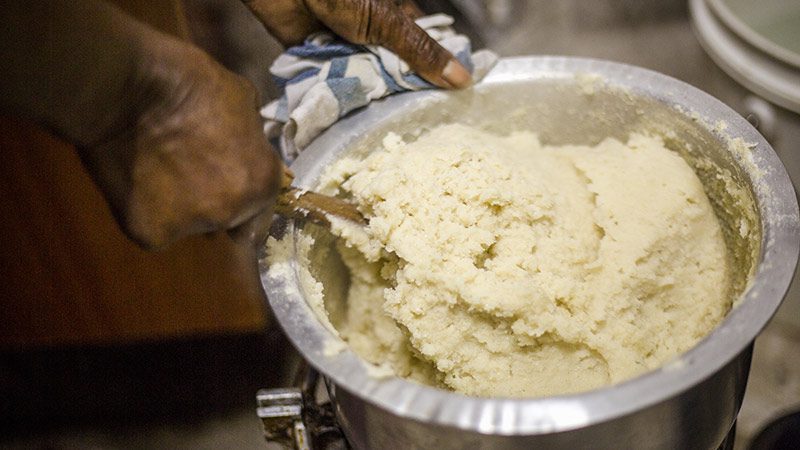
Posho, also known as Ugali in many parts of Africa, is one of the most common staples in Ugandan cuisine. Found in homes, local restaurants, and roadside eateries across the country, it is a true symbol of everyday life in Uganda.
Made from maize flour (and sometimes mixed with cassava flour), posho is cooked into a thick, firm, porridge-like consistency. It is rich in carbohydrates, making it a reliable source of energy for many Ugandans.
Posho is rarely eaten on its own. Instead, it serves as the perfect base for a variety of rich stews and sauces, including meat, fish, beans, and vegetables. Whether you’re on safari or visiting a local village, this humble dish gives you a real taste of traditional Ugandan food.
Matoke: The Heart of Ugandan Food
No discussion about Ugandan food is complete without mentioning matoke. These green bananas are indigenous to the African Great Lakes region and are one of the most beloved staples in the country.
In fact, matoke is such an important part of daily life that the average Ugandan consumes an estimated 350 kilograms per year—almost 1 kilogram a day. This makes it one of the most consumed staple foods in Uganda.
Matoke bananas are harvested while still green and starchy. They are then carefully peeled, wrapped in banana leaves, and steamed in a traditional cooking process. Once soft, they are mashed to create a smooth, savory dish with a subtle natural sweetness.
Often served alongside groundnut sauce, meat, or beans, matoke represents the true essence of traditional Ugandan dishes. For travelers, it’s not just a meal—it’s a cultural experience that connects you to the heritage and daily life of Uganda.
Urban Ugandan Cuisine: A Fusion of Flavors
Inside Uganda’s urban centers, especially in the vibrant city of Kampala, the food scene takes on a more diverse and cosmopolitan character. Influenced by East African traditions as well as European, Chinese, and Indian cuisines, urban Ugandan food offers travelers an exciting mix of flavors and cooking styles.
As you explore the city, you’ll come across a wide variety of street food and restaurant dishes that reflect this cultural fusion.
Brochettes: Uganda’s Favorite Grilled Meat
One of the most popular street foods you’ll encounter is brochettes—flavorful skewers of grilled meat. These can include beef, goat, pork, or fish, all seasoned with spices and often a touch of chili before being roasted over open charcoal flames.
Served hot and smoky, brochettes are typically paired with fresh onions and peppers, making them a must-try for anyone looking to experience Ugandan local food in its most vibrant form.
Chapati & Chips: The Perfect Pairing
In many urban eateries, meals are commonly served with sides like crispy potato chips (fries) or soft, layered chapati—an Indian-style flatbread that has become a staple in Ugandan cuisine.
Chapati is especially popular in street food culture and is often enjoyed on its own or as part of iconic dishes like the famous Rolex (rolled eggs and chapati). These simple additions make meals more filling and highlight the multicultural influences shaping traditional Ugandan dishes today.
Luwombo: A Taste of Tradition
Among the standout dishes you’ll find on many menus is Luwombo, one of the most treasured meals in Ugandan food culture.
Luwombo is prepared by slowly steaming meat, chicken, fish, or groundnuts in banana leaves, allowing the ingredients to cook in their own rich, natural flavors. This method creates a tender, aromatic dish that is both unique and deeply satisfying.
Originally from the Buganda Kingdom, Luwombo holds cultural significance and is often reserved for special occasions and important gatherings. Its preparation requires skill and patience, making it a true representation of Uganda’s culinary heritage.
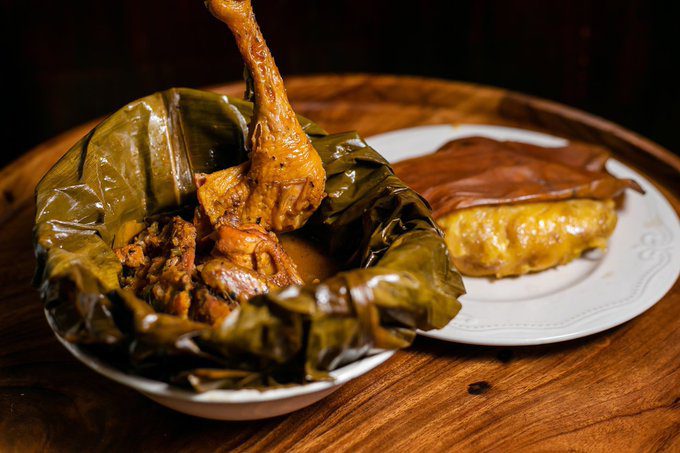
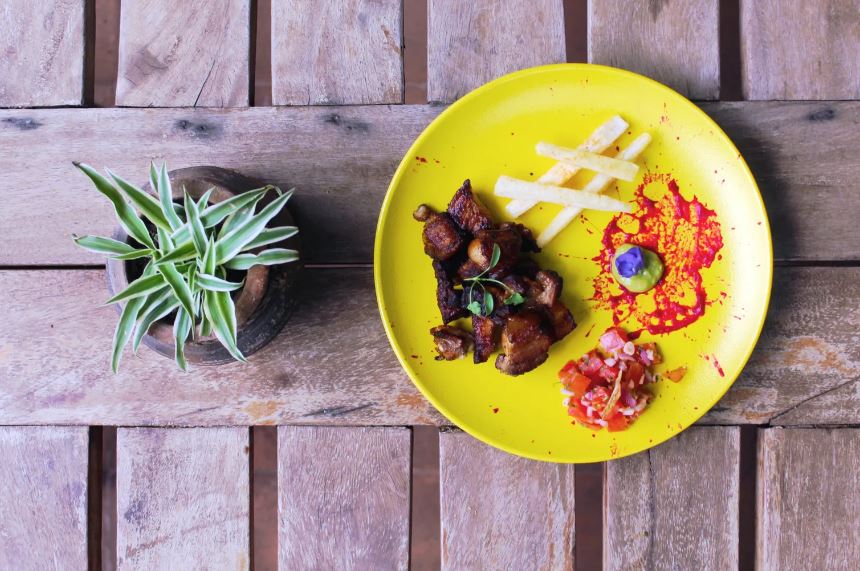
During your Kampala city tour, you can prepare and consume luwombo at a local restaurant, but may learn how the recipe helps prepare young women for marriage. (Secrets are hidden within those banana leaves!).
At Gaba Beach on the shores of Lake Victoria, the specialty is the ‘big fish,’ a whole tilapia grilled with onions, garlic, and carrots for a distinctive smoky taste that’s typically served for 2-3 people and eaten with hands.
Still on the shores Lake Victoria at the Royal Port of Mulungu (Munyonyo), there are no frills, just whole tilapia and Nile Perch – one of the world’s largest freshwater fish – reasonably priced with soda, beers and Uganda waragi gin.
The land of coffee and tea
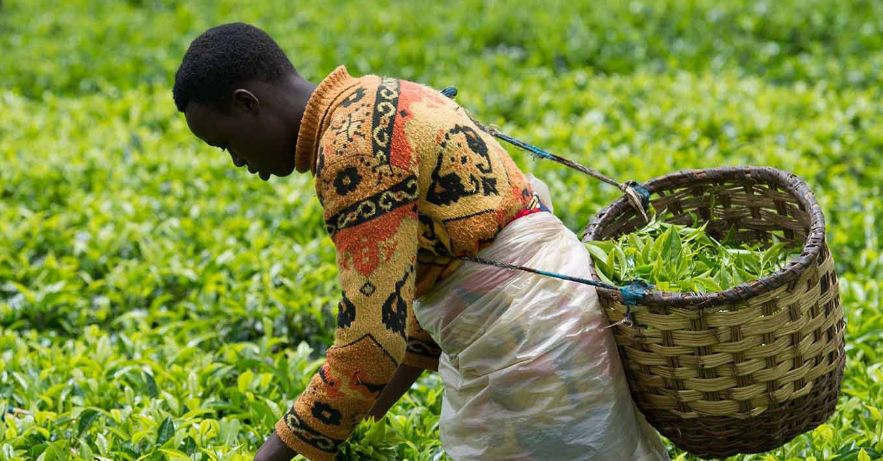
Uganda’s fertile soil, coupled with high altitudes, creates ideal growing conditions for coffee, which, along with tea, is one of the country’s top exports.
Coffee
A network of close to 1.7 million small growers produce coffee all over Uganda, including the Central Region, eastern Mount Elgon region and southwestern Uganda which is home to Uganda’s silverback mountain gorillas inside the Bwindi Impenetrable Forest.
The Mount Elgon region is internationally recognized for the quality of its Arabica coffee. Imagine drinking locally grown coffee just where it is been grown?
The local coffee farmers will take you through the process of planting of the coffee from the nursery beds, into the coffee trees and harvesting.
You’ll see how coffee is dried, roasted to make delicious coffee. If you’d like to support the local farmers, you can do by purchasing some coffee to take back home as souvenir.
This coffee tour helps in supporting the local coffee farmers who are also proud of showing their specialty in coffee production.

Coffee culture is also present in Entebbe, with establishments like Gorilla Conservation Coffee. Created in partnership with award-winning CTPH Gorilla Conservation Café, it serves excellent Ugandan third-wave coffee with proceeds going towards conservation of the endangered mountain gorillas in Bwindi Impenetrable Forest.
The coffee blend is named after Kanyonyi (RIP), the legendary silverback gorilla from one of Bwindi’s gorilla families called Mubare. Here you can order a fresh coffee or buy coffee beans to drink at home. Coffee is a great gift or souvenir too!
Gorilla Conservation Coffee is a social enterprise that buys the coffee beans of farmers – who live adjacent to Bwindi – at a premium price and gives a donation to sustain the critical health and conservation work of Conservation Through Public Health.
Gorilla Conservation Coffee also trains coffee farmers to improve their coffee quality and increase production yield. This helps farmers to protect the forests and thus protect and conserve the rare mountain gorillas of Uganda.
Tea
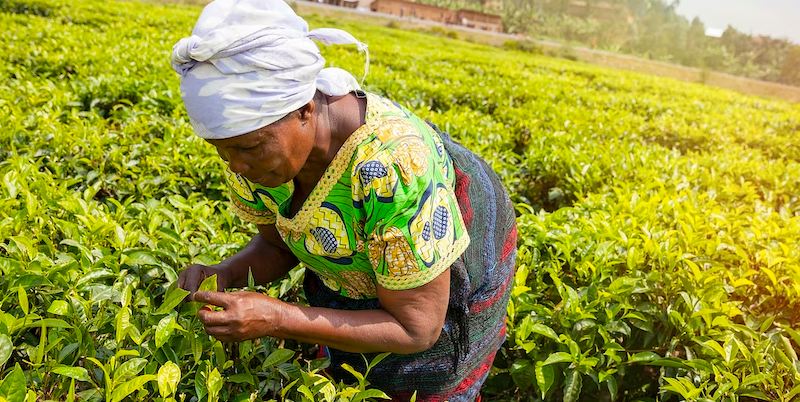
Although Uganda exports its award-winning coffee worldwide, most Ugandans have traditionally preferred to drink tea instead.
Outside of the capital, tea remains a favorite drink, sweetened with milk and sugar and enjoyed throughout the day. To see the process of growing tea in action, visit the western Fort Portal region, home to the primate-packed Kibale Forest National Park, which is known for rolling hills covered with the tea plant.
A tea tour is available to interested guests, demonstrating how tea is grown, picked and traditionally processed in Uganda. The tour also shows how ‘black’, ‘green’ and ‘white’ teas are produced and differentiated. Guests are invited to sample the fine teas at the end of the tour whilst looking out over the impressive landscapes.
More Ugandan drinks

In addition to coffee and tea, another drink in Uganda is the Waragi, a triple-distilled gin which is said to go down a treat with tonic.
Uganda waragi is said to come from the words “war gin” and was an import of the British. Local gin is made of bananas and stored in plastic jerry cans. It can be lethal (and is best avoided). Waragi can drop you like a punch from a heavyweight boxing camp.
Bushera millet porridge is another popular staple which you can try on Agartha’s Taste of Uganda Experience. Millet is a common crop and the porridge is drunk all over the country but at Agartha’s you can experience the whole process from “farm to cup”.
Her home in the Ishasha area near Queen Elizabeth National Park is a tasty stop-over on your food tour of Uganda.
Rolex
If you walk or drive down many of streets in Uganda’s towns, you're likely to see someone selling a Rolex. If you're struggling to imagine how a Rolex can be sold on Ugandan streets then forget the luxury Swiss watch brand and think Ugandan street food.
As Ugandans have been known to say: “We don’t wear Rolex, we eat them.”
Rolex – the snack – is a shortening of “rolled eggs”. The popular dish, found at road-side stalls throughout the country, is made from a vegetable omelette with added tomatoes wrapped up in a chapati (an Indian flatbread).
It has already achieved some notoriety beyond Uganda but in 2022, Guinness World Records certified the world’s largest Rolex.
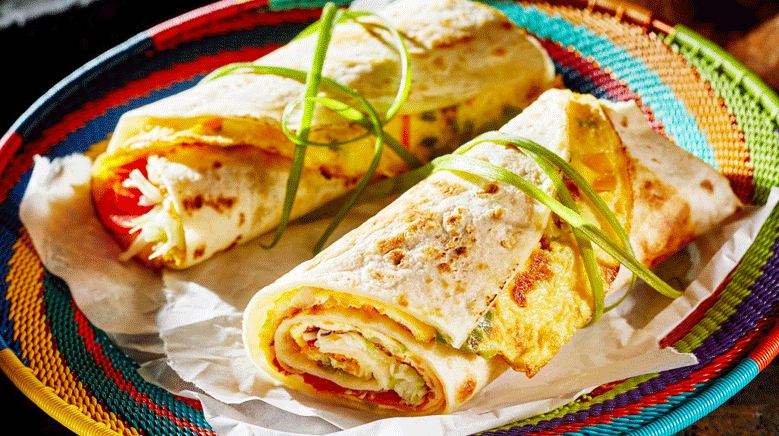
A Uganda Rolex can be had for as little as UGX 2000 (around $0.50). It is perfect street food: cheap, quick to prepare, handheld, filling, nourishing, and satisfying.
It is believed that the Rolex delicacy was first popularized by a food vendor who sold it to hungry students from Uganda’s famous Makerere University in Kampala.
The dish then spread to other towns of the country. On your city tour of Kampala, you can have a sight of people crowded around charcoal stoves (Sigiri) perched on wooden stools, chatting as they wait for their Rolex orders to be prepared. The whole process of cooking a Rolex is fast - less than three minutes when all the ingredients are ready.
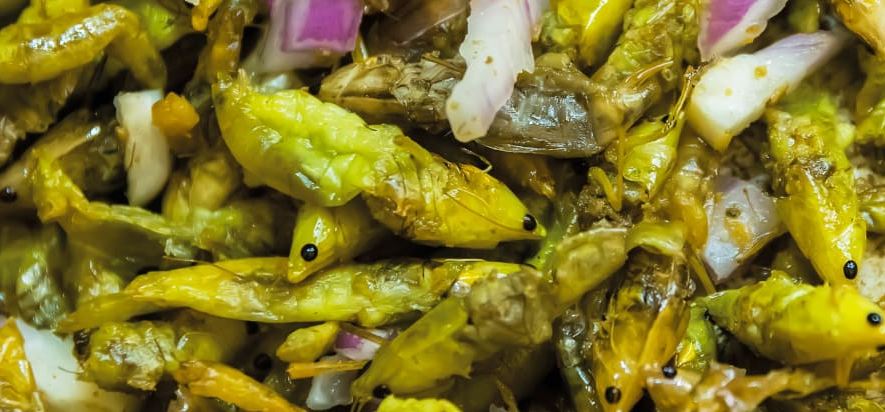
Nsenene (Grasshoppers): Uganda’s Unique Seasonal Delicacy
When exploring Ugandan food, one of the most fascinating experiences you can have is tasting nsenene—edible grasshoppers that are considered a true delicacy in Uganda. While eating insects may seem unusual to some travelers, many compare the taste of nsenene to crispy, flavorful chicken skin.
These grasshoppers appear seasonally during the rainy months of April and November, turning it into an exciting time across the country. In cities like Kampala, the harvest becomes a spectacle, especially at night when the insects are attracted to bright lights. Locals set up strong lights to draw them in, then collect them in large quantities for sale and consumption.
During this season, it’s common to see vehicles transporting sacks full of grasshoppers into the city. Markets and streets quickly fill with vendors selling both raw and ready-to-eat nsenene, making it one of the most popular Ugandan street food experiences.
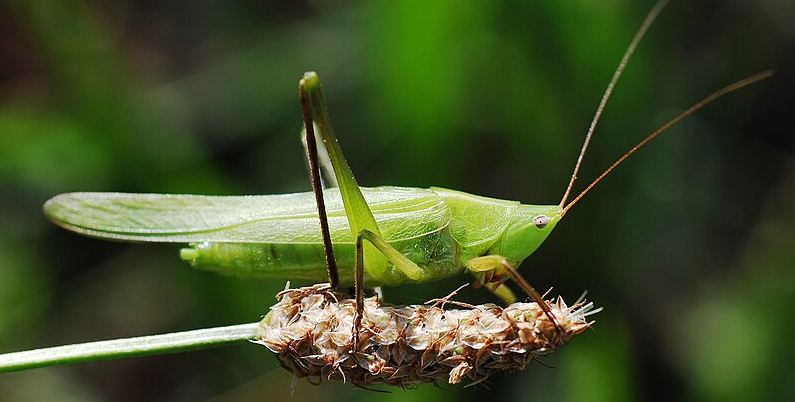
How Nsenene Are Prepared
Preparing nsenene is a traditional process that transforms them into a crunchy, savory snack. First, the wings, legs, and antennae are carefully removed to make them safe to eat.
They are then fried in a pan without cooking oil, as the grasshoppers naturally release their own oil during cooking. Depending on your preference, they can be cooked lightly for a softer texture or longer for a crispy crunch.
To enhance flavor, many people add onions and green peppers, giving the snack a rich, aromatic taste that perfectly represents Ugandan local food traditions.
A Cultural Experience Beyond Food
Nsenene is more than just a snack—it carries cultural significance, particularly in the Buganda Kingdom. Among the many clans, the Nsenene clan regards grasshoppers as their totem. As a result, members of this clan traditionally do not eat them, as it is considered taboo.
Uganda is home to over 50 tribes, each with unique customs and traditions, and food like nsenene offers a deeper connection to this rich cultural diversity.
Why You Should Try Nsenene on Your Safari
Trying nsenene is not just about tasting something new—it’s about fully immersing yourself in the culture of Uganda. This seasonal delicacy is nutritious, flavorful, and widely loved by locals.
If you’re visiting during the season, don’t miss the chance to sample this iconic snack from street vendors, many of whom will gladly offer you a taste before you buy.
Adding nsenene to your journey is one of the most authentic ways to experience traditional Ugandan food on your safari.
More about Ugandan Food
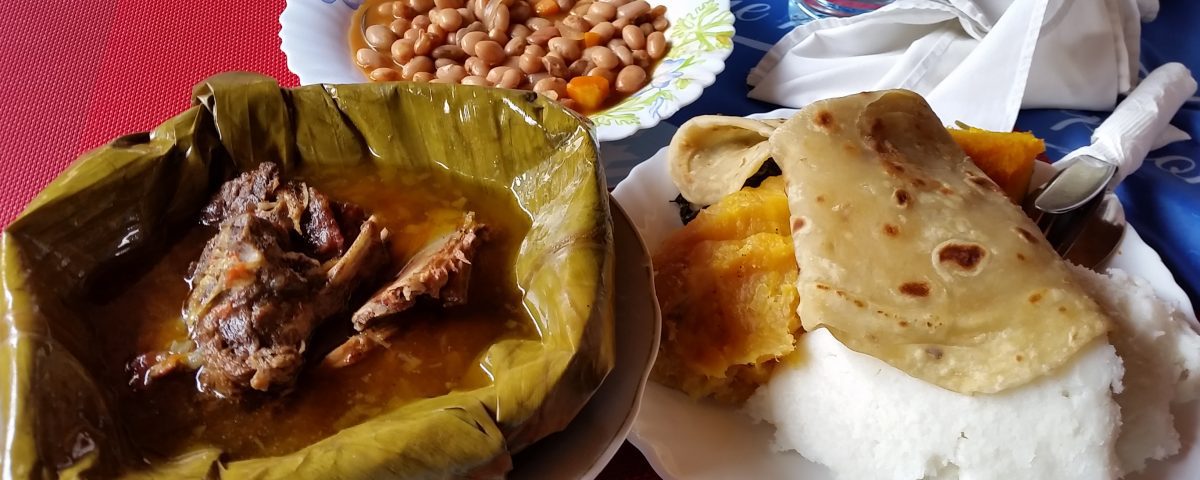
As Uganda is home to 56 different tribes, the food culture in Uganda differs from one region of the country to another.
In the Buganda/central region, it is considered rude to leave a guest looking at an empty plate so a waitress may rush to remove your plate as soon as you finish eating.
Culturally, she is exhibiting good manners. Please don’t feel like the waitress is clearing the table ready for the next guest! Ugandan food is plentiful. The country has a perfect climate meaning that there are at least two harvests per year.
It is for this reason that Ugandans don’t finish eating everything on their plate. Ugandan avocados are HUGE and the mangoes and pineapples are the sweetest!
Every guest to Uganda comments on the fantastic fruit and vegetables.
But, most Ugandans prefer eating heavy carbohydrates which they refer to by the collective name of ‘food’. Forget the paleo diet; Ugandans will load up their plates with as many as five types of ‘food.’
Vegetables or salads seem to be a ‘by the way’ and traditionally associated with poverty for many people. The thinking goes that if you have real food (meat and ‘food’) you do not need to live on the free stuff (vegetables) that you can grow in your shamba.
When you visit a Ugandan home, it is customary to be offered something to eat or drink. Your host may get upset if you don’t accept anything.
Sometimes there will be an accompaniment with tea; this is sometimes called an ‘escort” in Uglish - a Ugandan version of English.”
Are you intrigued by Ugandan Cuisine?
This is one of many authentic experiences that Tulambule travel experts have researched in Uganda. Contact us to see how we can weave them into your safari itinerary.
3 Day Gorilla Trekking Uganda tour

10 Days Uganda Wildlife Safari, gorillas, Chimps & Big Game