This Uganda safari packing list covers 43 essentials for chimpanzee trekking, gorilla trekking, and wildlife safaris in Uganda. Clothing, gear, medical kit, and luggage limits.
Introduction
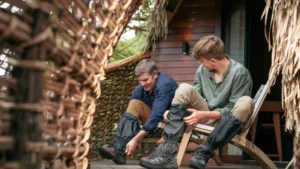 Packing incorrectly for a Uganda safari can ruin your trip.
Too heavy? You'll pay excess baggage fees on domestic flights.
Too light? You'll be cold, wet, or bitten by insects.
Too bright? You'll scare away the wildlife you came to see.
Uganda's climate varies dramatically – from the chill of Bwindi Impenetrable Forest (10°C / 50°F at night) to the heat of Murchison Falls National Park (30°C / 86°F during the day).
This packing list is written by Tulambule Uganda Safaris, a local tour operator arranging safaris for international travelers from the US and Europe. We've guided thousands of clients. This is exactly what we tell them to bring.
Quick note: This list applies to chimpanzee trekking (Kibale National Park), gorilla trekking (Bwindi Impenetrable National Park), and traditional wildlife safaris (Queen Elizabeth, Murchison Falls, Lake Mburo).
1. Why Packing Correctly Matters
| Incorrect Item | Consequence |
|---|---|
| White or bright clothing | Wildlife spots you before you spot them |
| Cotton shirts | Stay wet for hours after rain |
| Inadequate boots | Blisters, twisted ankles on muddy trails |
| No insect repellent | Increased malaria risk |
| No rain jacket | Soaked, cold, miserable trek |
The golden rule of Uganda safari packing: Neutral colors. Layers. Waterproof everything.
2. Clothing for Uganda's Climate
Color Rules
| Color | Acceptable? | Why |
|---|---|---|
| Khaki, olive, tan | ✅ Yes | Camouflages with environment |
| Brown, dark green | ✅ Yes | Blends with forest and savannah |
| Black, dark blue | ⚠️ Limited | Attracts tsetse flies |
| White | ❌ No | Stands out, gets dirty instantly |
| Bright red, yellow, orange | ❌ No | Scares wildlife |
Core Clothing Checklist
| Item | Quantity | Purpose |
|---|---|---|
| Long-sleeved shirts (neutral colors) | 3–4 | Sun protection, insect protection, stinging nettles |
| Long pants (lightweight, quick-dry) | 3–4 | Tuck into socks to prevent ants/bites |
| Short-sleeved shirts | 2–3 | Evenings at lodge |
| Shorts | 1–2 | Lodges only (not for trekking) |
| Fleece or lightweight jacket | 1 | Mornings and evenings are cold |
| Waterproof rain jacket | 1 | Essential year-round |
| Waterproof pants | 1 | Wet season only |
| Underwear | 7+ days | Moisture-wicking fabric |
| Socks (hiking wool blend) | 5–6 pairs | Prevents blisters |
| Wide-brimmed hat | 1 | Sun protection |
| Beanie or warm hat | 1 | Cold mornings at high altitude (Bwindi) |
| Scarf or buff | 1 | Dust protection on game drives |
| Swimsuit | 1 | Lodge pools or post-trek relaxation |
Fabric Recommendations
| Fabric | Rating | Why |
|---|---|---|
| Merino wool | Best | Warm when wet, odor-resistant |
| Nylon/polyester | Good | Quick-dry, lightweight |
| Cotton | Avoid | Absorbs water, dries slowly, cold when wet |
3. Footwear for Trekking and Game Drives
Trekking Boots (Most Important Item)
| Requirement | Detail |
|---|---|
| Type | Waterproof, ankle-high, broken in |
| Sole | Deep tread for mud |
| Break-in period | Wear for 2–4 weeks before travel |
| Brand examples | Merrell, Keen, Salomon, Lowa |
Why this matters: Chimpanzee and gorilla treks involve steep, slippery, muddy trails. Blisters on day one ruin your entire safari.
Secondary Footwear
| Item | When to Use |
|---|---|
| Comfortable walking shoes | Lodges, airport, casual evenings |
| Sandals or flip-flops | Showers, poolside, relaxing |
| Rubber boots (gumboots) | Rent locally during wet season ($5–$10) |
4. Gear and Equipment
Trekking-Specific Gear
| Item | Importance | Notes |
|---|---|---|
| Gardening gloves | Essential | Protects hands from stinging nettles and thorny vines |
| Gaiters | Recommended | Keeps mud, water, and ants out of boots |
| Daypack (20–30 liters) | Essential | Carries water, lunch, rain gear |
| Dry bags or zip-lock bags | Recommended | Protects electronics and documents from rain |
| Headlamp or flashlight | Essential | Lodge pathways have no lighting after dark |
| Walking stick | Provided by UWA | Free at park headquarters |
| Binoculars | Highly recommended | 8x or 10x magnification |
Luggage Restrictions for Domestic Flights
| Airline | Checked Baggage | Carry-On | Note |
|---|---|---|---|
| Aerolink | 15 kg (33 lbs) | 5 kg (11 lbs) | Soft-sided bags only |
| Bar Aviation | 15 kg (33 lbs) | 5 kg (11 lbs) | No flight schedules currently unless you Charter |
Critical rule: Use soft-sided duffel bags, not hard-shell suitcases. Small planes have limited cargo space.
5. Health and Medical Kit
Prescription Medications
| Item | Action Required |
|---|---|
| Daily prescription drugs | Bring enough for full trip + 5 extra days |
| Inhalers, EpiPens, insulin | Carry in hand luggage with doctor's note |
| Contact lenses | Bring solution and spare glasses |
Over-the-Counter Medications
| Medication | Purpose |
|---|---|
| Antimalarial pills | Consult your doctor (Malarone, Doxycycline, or Lariam) |
| Antihistamine | Allergic reactions, insect bites |
| Pain reliever (ibuprofen, paracetamol) | Headaches, muscle soreness |
| Anti-diarrheal (loperamide) | Traveler's diarrhea |
| Oral rehydration salts | Dehydration from heat or illness |
| Antiseptic cream | Cuts, scrapes |
| Bandages and plasters | Blisters, minor injuries |
| Motion sickness pills | Winding roads (most of Uganda) |
Malaria Prevention
| Method | Effectiveness |
|---|---|
| Antimalarial medication | 90%+ when taken correctly |
| DEET insect repellent (30–50%) | Essential |
| Permethrin-treated clothing | Highly effective |
| Sleeping under mosquito net | Provided by lodges |
| Long sleeves/pants at dusk | Prevents bites |
Uganda malaria risk: Present year-round. High in low-altitude areas (Murchison Falls, Queen Elizabeth). Lower in high-altitude Bwindi (2,200m / 7,200ft).
COVID-19 and Other Precautions
| Item | Recommendation |
|---|---|
| Yellow fever vaccination | Mandatory for entry (show certificate) |
| Hand sanitizer (70%+ alcohol) | Carry small bottle |
| Face masks | Optional but recommended for flights |
| Water purification tablets | Backup for bottled water |
6. Documents and Money
Essential Documents
| Document | Format | Notes |
|---|---|---|
| Passport | Physical | 6+ months validity, 2+ blank pages |
| Uganda e-visa | Printed copy | Apply online 2–4 weeks before travel |
| Yellow fever certificate | Printed copy | Required for entry |
| Flight confirmations | Printed and digital | Entry and exit flights |
| Safari itinerary | Printed and digital | Lodge and permit confirmations |
| Travel insurance policy | Printed copy | Must include medical evacuation |
| Driver's license | Physical | Only if self-driving (not recommended) |
Money and Payments
| Currency | Use | Notes |
|---|---|---|
| USD (US dollars) | Permits, lodges, tips | Bills must be post-2019, crisp, undamaged |
| UGX (Ugandan shillings) | Local purchases, markets, taxis | Withdraw from ATMs in Kampala or Entebbe |
| Credit card (Visa/Mastercard) | Limited use | Not accepted in rural areas |
Recommended Cash Amounts
| Duration | USD Cash Recommended | UGX Cash Recommended |
|---|---|---|
| 5–7 day safari | $300–$500 | 200,000–300,000 UGX ($50–$80) |
| 10–14 day safari | $500–$800 | 300,000–500,000 UGX ($80–$130) |
Tipping Cash Breakdown
| Recipient | Suggested Tip | Currency |
|---|---|---|
| Ranger guide (trek) | $10–$20 per group | USD preferred |
| Porter (trek) | $5–$10 | USD or UGX |
| Driver-guide (full safari) | $10–$20 per day | USD preferred |
| Lodge staff | $5–$10 per day (shared among team) | USD or UGX |
7. Electronics and Photography
Cameras and Gear
| Item | Recommended Spec | Notes |
|---|---|---|
| Camera body | DSLR or mirrorless | For serious photographers |
| Lens 1 (zoom) | 70–200mm or 100–400mm | Wildlife photography |
| Lens 2 (wide) | 24–70mm | Landscapes, lodges |
| Smartphone camera | Modern iPhone or Android | Good for casual shots |
| Extra batteries | 2–3 per device | Charging limited in remote lodges |
| Memory cards | 64GB–128GB (multiple) | Fill up faster than expected |
| Lens cleaning kit | Essential | Dusty conditions |
| Power bank | 10,000–20,000 mAh | Charges devices without outlet |
| Universal power adapter | Type G (UK plug) | Uganda uses 240V, 50Hz |
Photography Tips for Uganda
| Situation | Setting | Tip |
|---|---|---|
| Low light forest (trekking) | High ISO (1600–3200), wide aperture | Use monopod for stability |
| Bright savannah (game drives) | Fast shutter speed (1/1000+) | Pan with moving animals |
| Chimpanzee trekking | Fast autofocus | Chimps move quickly through trees |
Other Electronics
| Item | Importance |
|---|---|
| Smartphone | Essential (download offline maps) |
| Charging cables | Bring multiple spares |
| E-reader or tablet | Optional (evenings at lodge) |
| Headphones | For flights and downtime |
| GPS watch or fitness tracker | Optional (tracking trek distance) |
8. Toiletries and Personal Care
Core Toiletries
| Item | Notes |
|---|---|
| Biodegradable soap and shampoo | Many lodges use greywater systems |
| Toothbrush and toothpaste | Bring travel size |
| Deodorant | High heat makes this essential |
| Sunscreen (SPF 30–50) | High altitude = faster burning |
| Lip balm with SPF | Dry, dusty conditions |
| Insect repellent (30–50% DEET) | Apply to exposed skin only |
| Wet wipes | For quick cleaning on treks |
| Tissues or toilet paper | Some public restrooms have none |
| Feminine hygiene products | Bring enough for full trip |
| Contact lens solution | Bring extra |
Optional Items
| Item | When Needed |
|---|---|
| Earplugs | Thin lodge walls, nearby wildlife |
| Eye mask | Early morning wake-ups (5–6 AM) |
| Travel towel | Quick-dry microfiber |
| Laundry soap | For washing clothes mid-trip |
| Small mirror | Lodge bathrooms may have poor lighting |
9. What NOT to Pack
| Item | Why to Avoid |
|---|---|
| Camouflage clothing | Illegal for civilians in Uganda (military-only) |
| White or bright clothing | Scares wildlife, shows dirt instantly |
| Expensive jewelry | Attracts unwanted attention, easily lost |
| Drone | Illegal in all national parks without permit |
| Hard-shell suitcase | Cannot fit on domestic flights |
| Hairdryer or curling iron | Lodges may not have sufficient power |
| Sleeping bag | Lodges provide bedding |
| Heavy books | Adds unnecessary weight |
| Plastic bags | Banned in Uganda (use reusable bags) |
| Large amounts of cash | Unsafe, ATMs available in major towns |
10. Packing by Season
Dry Season (June–September, December–February)
| Item | Adjustment |
|---|---|
| Rain jacket | Still bring (rain possible) |
| Waterproof pants | Optional |
| Warm layers | Mornings are cold (10–15°C / 50–59°F) |
| Sun protection | High priority (strong sun) |
| Dust mask or buff | Game drives are dusty |
Wet Season (March–May, October–November)
| Item | Adjustment |
|---|---|
| Rain jacket | Essential (daily afternoon rain) |
| Waterproof pants | Highly recommended |
| Extra socks | Bring 2x normal amount |
| Gaiters | Essential for mud |
| Rubber boots | Rent locally ($5–$10) |
| Dry bags | Protect electronics and documents |
11. Packing by Activity
Chimpanzee Trekking (Kibale National Park)
| Priority Item | Why |
|---|---|
| Waterproof hiking boots | Muddy, steep trails |
| Gardening gloves | Stinging nettles along trails |
| Long pants and long sleeves | Protection from vegetation |
| Rain jacket | Forest microclimate |
| Daypack (20–30L) | Carry water, lunch, camera |
| Binoculars | Chimps high in trees |
Compare with full chimpanzee trekking costs
Gorilla Trekking (Bwindi Impenetrable National Park)
| Priority Item | Why |
|---|---|
| Same as chimpanzee trekking | PLUS: |
| Warmer layers | Bwindi is higher altitude (2,200m / 7,200ft) |
| Extra camera batteries | Trek can last 4–6 hours |
| Knee brace (optional) | Steep descents |
Wildlife Safari (Queen Elizabeth, Murchison Falls, Lake Mburo)
| Priority Item | Why |
|---|---|
| Neutral-colored clothing | Blend into savannah environment |
| Binoculars (essential) | Spotting distant animals |
| Sun hat and sunscreen | Open vehicle, strong sun |
| Dust mask or buff | Dusty roads |
| Camera with zoom lens (200mm+) | Wildlife photography |
12. Final Checklist (Printable)
Copy this table and check off items as you pack.
Clothing (Check each)
| Item | Packed? |
|---|---|
| Long-sleeved shirts (3–4) | ⬜ |
| Long pants (3–4) | ⬜ |
| Short-sleeved shirts (2–3) | ⬜ |
| Shorts (1–2) | ⬜ |
| Fleece or light jacket (1) | ⬜ |
| Waterproof rain jacket (1) | ⬜ |
| Waterproof pants (1) | ⬜ |
| Underwear (7+ days) | ⬜ |
| Hiking socks (5–6 pairs) | ⬜ |
| Wide-brimmed hat (1) | ⬜ |
| Beanie or warm hat (1) | ⬜ |
| Scarf or buff (1) | ⬜ |
| Swimsuit (1) | ⬜ |
Footwear
| Item | Packed? |
|---|---|
| Waterproof hiking boots (broken in) | ⬜ |
| Comfortable walking shoes | ⬜ |
| Sandals or flip-flops | ⬜ |
Gear and Equipment
| Item | Packed? |
|---|---|
| Gardening gloves | ⬜ |
| Gaiters | ⬜ |
| Daypack (20–30L) | ⬜ |
| Dry bags or zip-lock bags | ⬜ |
| Headlamp or flashlight | ⬜ |
| Binoculars | ⬜ |
| Soft-sided duffel bag | ⬜ |
Health and Medical
| Item | Packed? |
|---|---|
| Prescription medications (full supply) | ⬜ |
| Antimalarial pills | ⬜ |
| Pain reliever (ibuprofen) | ⬜ |
| Anti-diarrheal (loperamide) | ⬜ |
| Oral rehydration salts | ⬜ |
| Antihistamine | ⬜ |
| Antiseptic cream | ⬜ |
| Bandages and plasters | ⬜ |
| Motion sickness pills | ⬜ |
| Insect repellent (DEET 30–50%) | ⬜ |
| Sunscreen (SPF 30–50) | ⬜ |
| Lip balm with SPF | ⬜ |
| Hand sanitizer | ⬜ |
| Wet wipes | ⬜ |
| Tissues or toilet paper | ⬜ |
Documents and Money
| Item | Packed? |
|---|---|
| Passport (6+ months validity) | ⬜ |
| Uganda e-visa (printed) | ⬜ |
| Yellow fever certificate (printed) | ⬜ |
| Flight confirmations | ⬜ |
| Safari itinerary | ⬜ |
| Travel insurance policy | ⬜ |
| USD cash (crisp, post-2019 bills) | ⬜ |
| UGX cash | ⬜ |
| Credit cards | ⬜ |
Electronics
| Item | Packed? |
|---|---|
| Camera with charged batteries | ⬜ |
| Extra camera batteries (2–3) | ⬜ |
| Memory cards (64GB–128GB) | ⬜ |
| Lens cleaning kit | ⬜ |
| Power bank | ⬜ |
| Universal power adapter (Type G) | ⬜ |
| Smartphone and charger | ⬜ |
| Extra charging cables | ⬜ |
| Headphones | ⬜ |
Toiletries and Personal
| Item | Packed? |
|---|---|
| Biodegradable soap and shampoo | ⬜ |
| Toothbrush and toothpaste | ⬜ |
| Deodorant | ⬜ |
| Feminine hygiene products | ⬜ |
| Contact lens solution (extra) | ⬜ |
| Travel towel | ⬜ |
| Earplugs | ⬜ |
| Eye mask | ⬜ |
13. Frequently Asked Questions
Do I really need waterproof hiking boots for chimpanzee trekking?
Yes. Trails in Kibale National Park are muddy even during dry season. Ankle-high, waterproof boots prevent blisters and injuries.
Can I rent gear in Uganda?
Yes. Porters rent rubber boots ($5–$10). Some lodges rent hiking boots and rain jackets. However, bring your own broken-in boots for comfort.
What is the luggage limit on domestic flights?
15 kg (33 lbs) checked baggage + 5 kg (11 lbs) carry-on. Soft-sided bags only. No hard-shell suitcases.
Do I need a yellow fever vaccine for Uganda?
Yes. The yellow fever certificate is mandatory for entry into Uganda. Without it, you may be denied boarding or vaccinated at the airport.
Is a drone allowed in Uganda's national parks?
No. Drones are illegal in all national parks without a special permit from the Uganda Wildlife Authority. Permits are rarely granted to tourists.
What colors should I avoid wearing on safari?
White, bright red, yellow, orange, and blue. These colors stand out against the environment and may scare wildlife. Stick to khaki, olive, brown, and dark green.
How much cash should I bring?
$300–$800 USD depending on trip length. Bring small denominations ($1, $5, $10, $20) for tips and local purchases.
Can I wash clothes during my safari?
Yes. Most mid-range and luxury lodges offer laundry service for a fee ($5–$15 per load). Budget lodges may not. Bring quick-dry clothing as a backup.
Do I need a travel adapter for Uganda?
Yes. Uganda uses Type G plugs (UK standard). Voltage is 240V, 50Hz. Bring a universal adapter.
What is the most commonly forgotten item?
Gardening gloves for trekking. Almost no tourist brings them. They protect against stinging nettles and thorny vines. Buy before you travel.
Conclusion
Packing correctly for a Uganda safari is simple once you know the rules.
The five most important items:
-
Waterproof, broken-in hiking boots – Prevents ruined treks
-
Neutral-colored, long-sleeved clothing – Protection and camouflage
-
Rain jacket – Essential year-round
-
Gardening gloves – Protection from stinging nettles
-
Insect repellent with DEET – Malaria prevention
The five most common mistakes:
-
Bringing white or bright clothing
-
Forgetting a headlamp (lodges are dark at night)
-
Overpacking (domestic flights have 15 kg limits)
-
No waterproof layer (Uganda rains unexpectedly)
-
Cotton clothing (stays wet, causes chafing)
Final rule: Pack half of what you think you need. Then remove two more items. You'll be fine.
-
Personalized packing advice based on your itinerary
-
Gear rental recommendations in Uganda
-
Safari packages with clear what-to-pack guidance