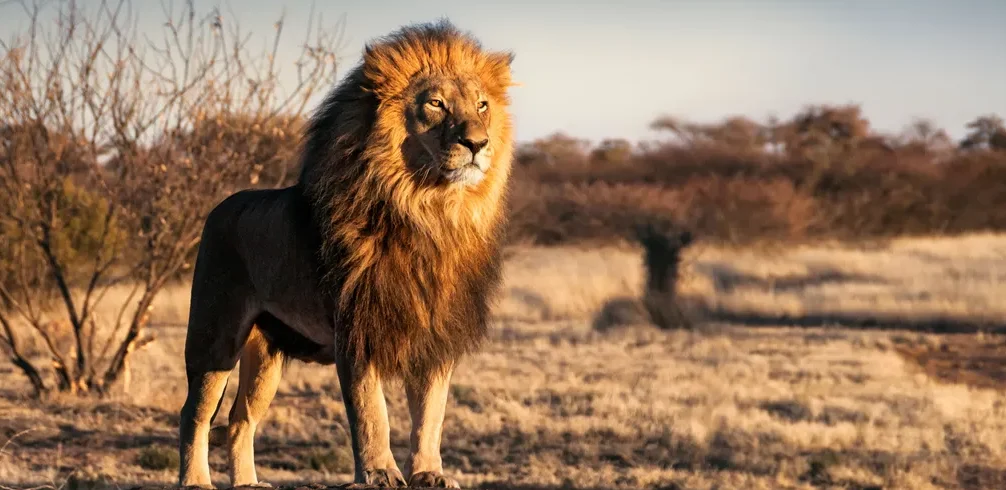
The African lion is the star of almost every safari. Known as the king of the jungle, although it actually rules the savannah, it has been a symbol of strength and courage for thousands of years. Seeing a pride resting in the shade or a male calling across the plains at dawn is one of the great wildlife experiences on earth.
Sadly, the African lion is in trouble. The IUCN Red List classes the lion as Vulnerable, and only about 20,000 to 25,000 remain in the wild, mostly in protected parks across East and Southern Africa. Below are the 14 best safari spots to see the African lion, including Uganda's famous tree-climbing lions, with tips on when to go and how to plan your trip.
The 14 Best Places to See the African Lion at a Glance
| # | Destination | Country | Why go |
|---|---|---|---|
| 1 | Queen Elizabeth National Park | Uganda | Tree-climbing lions of Ishasha |
| 2 | Murchison Falls National Park | Uganda | Lions on the Buligi plains |
| 3 | Serengeti National Park | Tanzania | Africa's largest lion population |
| 4 | Maasai Mara National Reserve | Kenya | Big prides and the Great Migration |
| 5 | Ngorongoro Crater | Tanzania | Close sightings in a volcanic crater |
| 6 | Ruaha National Park | Tanzania | Huge prides and few visitors |
| 7 | Okavango Delta | Botswana | Lions that swim and hunt in water |
| 8 | Chobe National Park | Botswana | Lion versus hyena dramas in Savuti |
| 9 | Central Kalahari Game Reserve | Botswana | Black-maned desert lions |
| 10 | Kruger National Park | South Africa | Easy self-drive lion viewing |
| 11 | Sabi Sand Game Reserve | South Africa | Off-road tracking with expert guides |
| 12 | Timbavati Game Reserve | South Africa | Rare white lions |
| 13 | Etosha National Park | Namibia | Lions at desert waterholes |
| 14 | South Luangwa National Park | Zambia | Lions on walking safaris |
1. Queen Elizabeth National Park, Uganda: The Tree-Climbing Lions
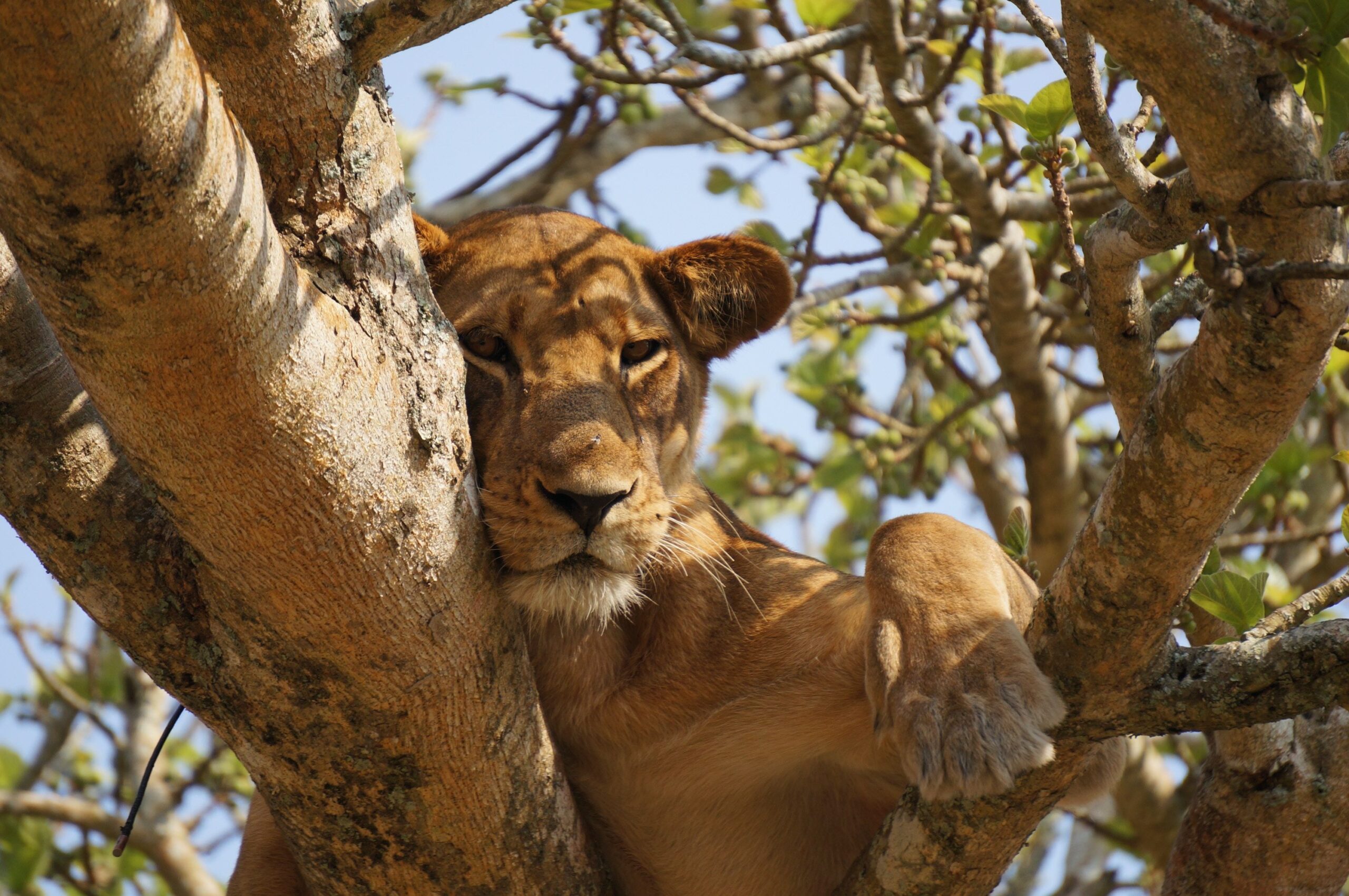
Queen Elizabeth National Park offers one of the rarest sights in Africa: the African lion resting high in the branches of fig and acacia trees. In the Ishasha sector, lions climb trees to escape the heat, the flies and the buffalo herds, creating wonderful photo moments.
On the Kasenyi plains in the north of the park, lions hunt the large herds of Uganda kob. You can join researchers on an experiential lion tracking drive to follow collared prides. The park also has over 600 bird species and a famous boat cruise on the Kazinga Channel, and it is only a few hours from the gorillas of Bwindi.
Best time: June to September and December to February. Plan it: our 4-Day Queen Elizabeth Safari with Lion Tracking.
2. Murchison Falls National Park, Uganda: Lions of the Buligi Plains

Murchison Falls National Park is Uganda's largest park and one of the best places in the country to see the African lion. Prides patrol the open Buligi grasslands north of the Nile, hunting Uganda kob, hartebeest and buffalo, and they are often seen on early morning game drives.
Add a boat cruise to the foot of the mighty falls and rhino tracking at Ziwa on the way, and you have one of East Africa's best short safaris. Uganda's remote Kidepo Valley National Park is another excellent, uncrowded place for lions.
Best time: December to February and June to September. Plan it: the 3-Day Murchison Falls Safari with Rhino Tracking.
3. Serengeti National Park, Tanzania: Africa's Lion Capital
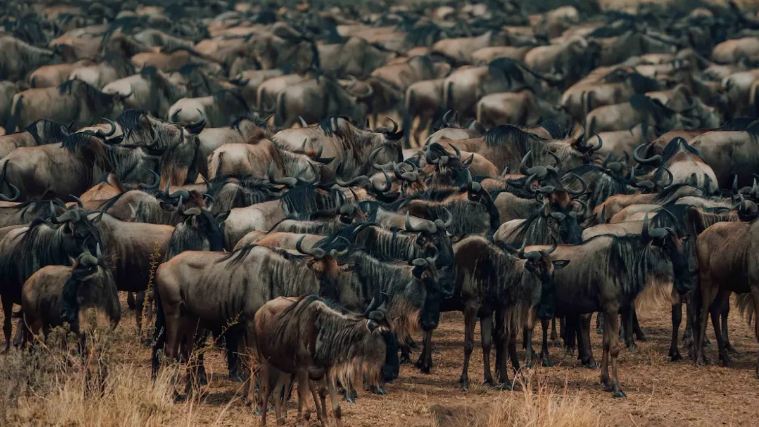
The Serengeti has the largest African lion population on the continent, estimated at around 3,000. The Seronera area in the centre is famous for lions lounging on granite kopjes, a scene that inspired The Lion King.
The Great Migration draws predators across the park all year. From July to October, the action moves north to the Mara River crossings, while from January to March the calving season in the south brings lions, cheetahs and hyenas close to the herds.
Best time: all year, following the migration.
4. Maasai Mara National Reserve, Kenya: Big Prides and Big Drama
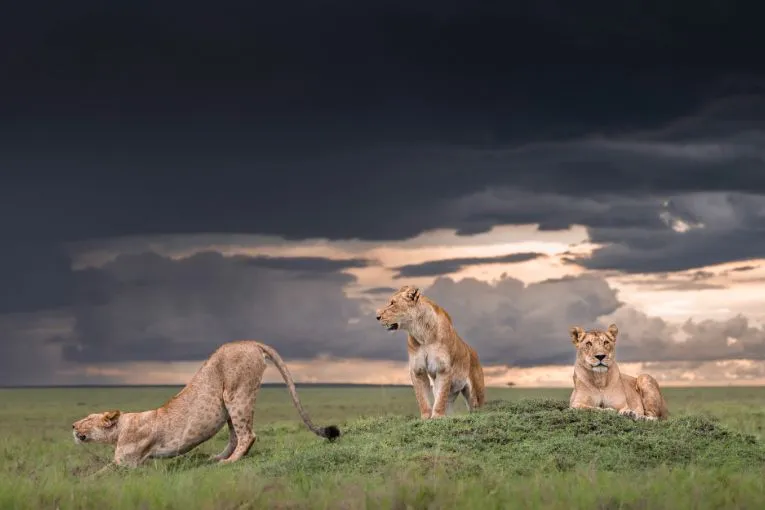
The Maasai Mara is famous for large African lion prides, some with more than 20 members, made famous by wildlife documentaries. Its open grasslands make lions easy to find, and cheetahs and leopards are seen often too.
From July to October, the Great Migration crosses the Mara River into the reserve, and lions take full advantage. The private conservancies around the reserve offer off-road driving, night drives and fewer vehicles.
Best time: July to October for the migration. Read our Masai Mara safari guide.
5. Ngorongoro Crater, Tanzania: Lions in a Natural Amphitheatre
The Ngorongoro Crater is the world's largest unbroken volcanic caldera and one of the Seven Natural Wonders of Africa. Its rich grasslands support huge numbers of grazing animals, which in turn support one of the highest densities of lions anywhere.
The crater's lions are so used to vehicles that they often rest in their shade, giving you remarkably close sightings. You may also see black rhino on the crater floor.
Best time: June to October. Plan it: our 4 Day Serengeti and Ngorongoro Safari.
6. Ruaha National Park, Tanzania: Big Prides, Few Visitors
Ruaha National Park is one of Tanzania's largest parks, a wild landscape of sand rivers, rocky hills and giant baobab trees. Researchers believe the wider Ruaha landscape holds about one in ten of the world's wild lions.
Prides here can be very large and often hunt buffalo and even giraffe. Because Ruaha is remote and sees far fewer visitors than the northern parks, you can often enjoy lion sightings with no other vehicles around.
Best time: June to October.
7. Okavango Delta, Botswana: Lions That Swim

The Okavango Delta is a UNESCO World Heritage Site and another of Africa's Seven Natural Wonders. Its African lion prides have adapted to life in the wetland, swimming between islands as they patrol their territories and hunting buffalo, red lechwe and even hippos.
Best time: June to October, when the floods are high and game gathers on the islands.
8. Chobe National Park, Botswana: Lions of Savuti
Chobe National Park is famous for one of Africa's largest elephant populations, but its lions are just as impressive. In the Savuti region, prides compete fiercely with hyena clans, and some lions here are known for hunting young elephants, especially in the dry season.
Chobe is less than two hours from Victoria Falls, so it combines easily with a visit to the falls.
Best time: May to October.
9. Central Kalahari Game Reserve, Botswana: Black-Maned Desert Lions
The Central Kalahari Game Reserve is one of the largest protected areas in Africa, a vast landscape of golden grassland, salt pans and ancient riverbeds. It is the traditional home of the San people.
The Kalahari's African lion males are famous for their dark, flowing manes and for surviving in a harsh environment with little water. They became well known through the book Cry of the Kalahari. After the summer rains, from December to April, herds gather in valleys such as Deception Valley, and the lions follow.
Best time: December to April.
10. Kruger National Park, South Africa: Easy Lion Viewing

Kruger National Park is one of the easiest places in Africa to see the African lion. Its network of good roads, well-run rest camps and abundant prey make it ideal for self-drive and guided safaris alike, and the south of the park is especially good for big cats.
Best time: May to September, when the bush is thinner. See our Southern Africa tours.
11. Sabi Sand Game Reserve, South Africa: Off-Road Tracking
The private Sabi Sand Game Reserve shares an unfenced border with Kruger. Expert guides and trackers can drive off-road to follow lions and leopards, so it is one of the most reliable places in Africa to see the Big Five, often on a single drive.
Best time: May to September.
12. Timbavati Game Reserve, South Africa: Rare White Lions
Also part of the Greater Kruger area, the Timbavati is one of the few places where white lions occur naturally in the wild. Their pale coats come from a rare gene, not albinism, so they have normal eye colour. Sightings are never guaranteed, which makes them all the more special.
Best time: May to September.
13. Etosha National Park, Namibia: Lions at the Waterholes
Etosha National Park covers more than 22,000 square kilometres around a vast, shimmering salt pan. In the dry season, wildlife gathers at the waterholes, and the African lion is often seen drinking, resting or hunting in the open, sometimes from the floodlit waterholes at the rest camps after dark.
Best time: June to October.
14. South Luangwa National Park, Zambia: Lions on Foot
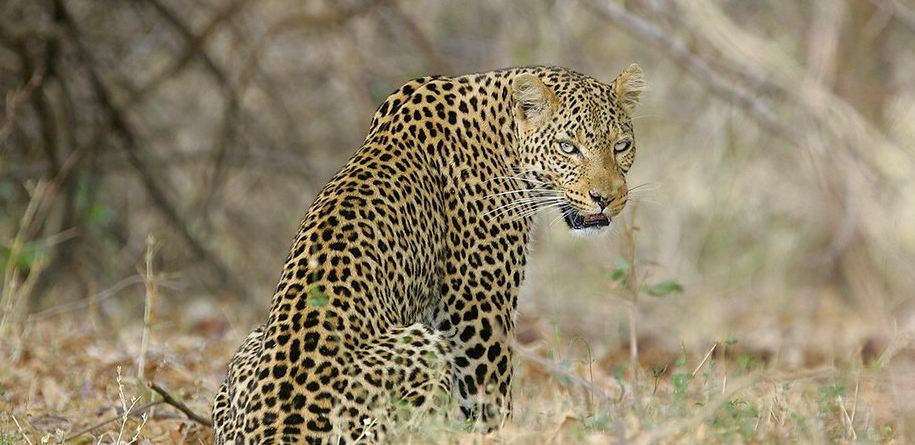
South Luangwa is where the walking safari began, and it is still one of the best places to explore on foot. Its African lion and leopard sightings are excellent, and night drives are allowed. The park is quieter than many others, so you rarely share a sighting with many vehicles.
Best time: June to October. See our Zambia safaris.
Tips for Seeing the African Lion on Safari
- Go early and late: lions sleep up to 20 hours a day, so the first and last hours of daylight are best.
- Choose the dry season: thinner bush and animals near water make lions easier to find.
- Use an experienced guide: good guides read tracks, listen for alarm calls and know where prides rest.
- Add a night drive: where allowed, it is the best way to see lions hunting.
- Keep your distance: stay in the vehicle, keep your voice low and never get between a lion and its cubs.
- Bring binoculars and a zoom lens: lions are often resting in long grass or up trees.
Want to see more animals? Read about giraffes in Africa and the best places to visit in Africa.
African Lion FAQs
Where is the best place to see the African lion?
The Serengeti has Africa's largest lion population, while the Maasai Mara and Kruger make lions easy to see. In Uganda, Queen Elizabeth National Park offers the famous tree-climbing lions of Ishasha.
Can I see lions in Uganda?
Yes. Queen Elizabeth, Murchison Falls and Kidepo Valley National Parks all have lions. Queen Elizabeth is the best known, thanks to its tree-climbing lions and lion tracking experience.
Why do lions in Queen Elizabeth National Park climb trees?
Experts believe they climb to escape the heat of the ground, biting flies and herds of buffalo, and to get a better view of prey. It is rare behaviour, seen in only a few places in Africa.
What is the best time of year to see lions in Africa?
The dry season is generally best, from June to October in most parks and also December to February in Uganda. Animals gather near water and the bush is thinner, so lions are easier to spot.
How many African lions are left in the wild?
About 20,000 to 25,000 African lions remain in the wild. The species is listed as Vulnerable, mainly because of habitat loss and conflict with people.
Plan Your African Lion Safari
Tulambule Uganda Safaris is 100% Ugandan-owned, accredited by the Uganda Tourism Board and the Uganda Wildlife Authority, and rated 4.9 stars on TripAdvisor. Whether you dream of tree-climbing lions in Uganda or the big prides of the Maasai Mara and Serengeti, we will plan your perfect African lion safari. Call or WhatsApp +256 782 915 447, or email info@tulambule.com.