Birding in Semliki National Park offers 441 species, 46 Guinea-Congo forest endemics, and 23 Albertine Rift endemics. Discover this 8-day itinerary for Africa's premier lowland forest birding destination.
Birding in Semliki National Park: 8-Day Itinerary for the Ultimate Uganda Safari
There is a moment, standing at the edge of the ancient Semliki forest at dawn, when the world feels suspended between dream and reality. The mist rises slowly through the canopy, and the air is thick with the scent of damp earth and blooming orchids.
Then, it happens. A single note pierces the silence. Another answers from deep within the forest. Within minutes, the air erupts into a symphony of calls, chirps, and melodies—the unmistakable sound of one of Africa's most extraordinary birding destinations coming to life.
Birding in Semliki National Park is not merely a hobby; it is a pilgrimage. It is an invitation to step into a world where over 441 species of birds fill the skies, forests, and wetlands with color and song. Semliki punches far above its weight.
Despite being one of Uganda's smallest and most remote national parks, this lowland rainforest hosts more than 46 Guinea-Congo forest biome species found nowhere else in East Africa, along with 23 Albertine Rift endemics. That is not a statistic—it is a promise.
For decades, Uganda has been celebrated for its mountain gorillas, its vast savannahs, and the mighty Nile. But tucked away in the remote western corner of the country along the Congo border lies a secret that has captivated ornithologists, birdwatchers, and nature lovers from every corner of the globe: birding in Semliki National Park is, quite simply, one of the most extraordinary wildlife experiences on the planet.
This comprehensive guide will take you deep into the heart of Semliki's avian wonderland. We will explore the astonishing diversity of Semliki's bird life, uncover the top birding trails, reveal the best seasons for sightings, and provide a complete 8-day itinerary for the ultimate birding safari. Whether you are a seasoned birder with a lifetime of sightings behind you or a curious traveller picking up binoculars for the first time, Semliki promises moments of pure wonder.
Why Semliki is a Birder's Paradise
Over 441 Species and Counting
What makes birding in Semliki National Park so exceptional? The numbers tell a compelling story. Semliki is home to an astonishing over 441 recorded bird species. This remarkable diversity is not accidental. Semliki's unique positioning as an extension of the vast Ituri Forest of the Democratic Republic of Congo creates a melting pot of avian life found nowhere else on the continent. 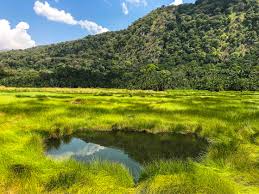
The park's massive ecological significance lies in its status as the only true lowland tropical rain forest in East Africa. This ancient forest, estimated to be over 25,000 years old, has remained relatively undisturbed for millennia, providing a stable habitat for species that have long since disappeared from other parts of the region.
From the forest floor to the highest canopy, every layer of this ancient ecosystem teems with feathered life. For anyone planning birding in Semliki National Park, this ancient forest is the ultimate stage for discovery.
The Crown Jewels – Guinea-Congo Forest Biome Species
For serious birders, the true magic of birding in Semliki National Park lies in its Guinea-Congo forest biome species. Semliki hosts approximately 46 of these species, making it one of the richest birding sites on the planet for these unique and often elusive birds.
Many of these species are found nowhere else in East Africa, making Semliki an essential destination for any birder building a life list. When you experience birding in Semliki National Park, you are stepping into a world that few birders ever get to see.
Among the most coveted sightings is the Nkulengu Rail, one of the most sought-after birds in Africa. Semliki is one of the best places in the world to see it. The Congo Serpent Eagle is another iconic species, a rare and impressive raptor that patrols the forest canopy.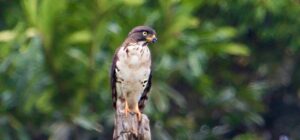
Other Guinea-Congo forest species that grace Semliki's forests include the Long-tailed Hawk, Black-wattled Hornbill, Capuchin Babbler, Blue-billed Malimbe, Crested Malimbe, Red-bellied Malimbe, Maxwell's Black Weaver, Chestnut-breasted Negrofinch, and the Orange-cheeked Waxbill. Seeing any of these species in the wild is a reward that stays with you forever.
Albertine Rift Endemics – A Birder's Holy Grail
While the Guinea-Congo forest species are the main attraction, Semliki also hosts 23 Albertine Rift endemic species, adding another layer of appeal for serious listers. These include the Yellow-throated Nicator, Dwarf Honey guide, and various sun birds that are difficult to find elsewhere in Uganda. This combination of two distinct bio-geographical zones—the Congo Basin and the Albertine Rift—makes Semliki a truly unique birding destination. For those who have experienced birding in Semliki National Park, this fusion of habitats is what makes it unforgettable.
The Semliki Specials
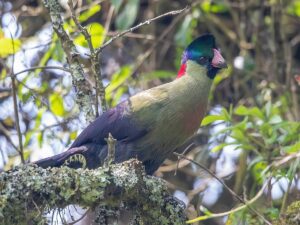
Some birds are so rarely recorded elsewhere in Uganda that they are considered Semliki specials. These include the Gabon Woodpecker, Bates's Nightjar, and Cassin's Spinetail. Birding in Semliki National Park offers the opportunity to see these elusive species in their natural habitat, making it a true "holy grail" for birders. Every moment of birding in Semliki National Park is filled with the possibility of encountering something truly extraordinary.
A Birder's Paradise – Diverse Habitats
The diversity of habitats in Semliki is staggering. Birders can explore:
-
Lowland tropical rainforests – The only tract of true lowland tropical rainforest in East Africa, hosting Guinea-Congo forest species found nowhere else in the region.
-
Swamps and wetlands – Supporting waterbirds and specialised species like the Swamp Nightjar.
-
Riverine habitats – Along the Semliki River, providing opportunities for kingfishers, bee-eaters, and water-associated species.
-
Geothermal areas – The Sempaya Hot Springs create unique microhabitats that attract a variety of species.
-
Forest edges and clearings – Offering clearer views of canopy-dwelling species.
This remarkable variety of ecosystems means that birding in Semliki National Park offers something for everyone, from the dedicated lister chasing Guinea-Congo forest biome species to the casual traveller simply enjoying the dawn chorus in the jungle. No matter your experience level, birding in Semliki National Park will leave you spellbound.
The Best Birding Trails in Semliki
Birding in Semliki National Park is best experienced on foot, following the network of trails that wind through this magnificent forest. Here are the trails that should be on every birder's itinerary.
Kirumia Trail – The Crown Jewel
The Kirumia Trail is Semliki's premier birding route. This 13-kilometre hike cuts through the heart of the pristine forest and leads to the Semliki River on the Congo border. Birding on this trail typically takes about 8 hours of the day, making it a full-day excursion.
The Kirumia Trail is where you will find the Guinea-Congo forest biome species that make Semliki famous—birds that are found nowhere else in East Africa. Key targets include the Nkulengu Rail, Congo Serpent Eagle, Long-tailed Hawk, Lyre-tailed Honeyguide, White-throated Blue Swallow, Grant's Bluebill, and various malimbes. The trail ends at the Semliki River, where riverine habitats offer additional birding opportunities, including kingfishers and water-associated species. For anyone serious about birding in Semliki National Park, the Kirumia Trail is an absolute must.
Sempaya Nature Trail – Accessible and Rewarding
The Sempaya Nature Trail starts near the park office and winds through palm forest and swampy areas. This trail offers excellent opportunities to spot forest and wetland species, including various horn bills, sparrowhawks, and goshawks.
The trail is shorter and more accessible than the Kirumia Trail, making it ideal for a morning birding excursion. Even a half-day of birding in Semliki National Park on this trail will reward you with unforgettable sightings. 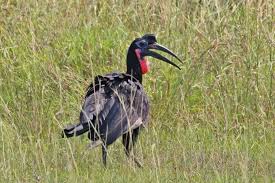
The trail also leads to the iconic Sempaya Hot Springs, the park's most famous attraction. The "Female" spring (Nyasimbi) is a powerful geyser that spurts boiling water and steam up to two metres high.
The "Male" spring (Bintente) is a large steaming pool approximately 12 metres in diameter, set in a swampy clearing. Birding around the hot springs is equally rewarding, as the unique geothermal environment attracts species that thrive in the surrounding swamp and forest edge habitats.
Sempaya–Ntandi Road – Canopy Views
The 6km public road between Sempaya and Ntandi provides clear views into the forest canopy, making it one of the best birding spots in the park for observing canopy-dwelling species. This stretch is excellent for spotting turacos, hornbills, nicator, flycatchers, and various spine tails. This road is a hidden gem for birding in Semliki National Park, offering sightings that are difficult to get elsewhere.
Night Birding
For the truly dedicated, consider a night hike into the forest to seek nocturnal species. The park is home to the Swamp Nightjar and other night birds that become active after dark. For the truly dedicated, the Kirumia Trail can be undertaken as an overnight camping trip, offering an even more immersive birding experience. Birding in Semliki National Park doesn't stop when the sun goes down—the forest comes alive with a whole new cast of characters.
When to Go – The Best Seasons for Birding in Semliki
One of the most common questions asked by travellers planning birding in Semliki National Park is: when is the best time to visit? The answer, like the forest itself, is layered. Semliki's avian residents can be observed year-round, but the best time for bird watching depends on your specific interests.
Dry Season (June to August and December to February)
The dry season is ideal for birdwatchers who prefer clear skies and easier trekking conditions. Birds are more active and visible during this period, and the trails are less muddy, making hiking more comfortable. From a birder's perspective, the best time for birding in Semliki National Park is from late May through September, when there is less rain and food is abundant. June to August is particularly rewarding, with cooler temperatures and stable conditions.
Wet Season (March to May and September to November)
During the wet season, the forest is at its most lush and vibrant. This is an excellent time for birders who want to observe mating rituals and nesting activities. The wet seasons are best for spotting migratory birds, which arrive between November and April. The green seasons from September to April are also exceptional, as migratory species arrive, breeding activity increases, and the forest is alive with sound and colour. Birding in Semliki National Park during the wet season offers a completely different—but equally magical—experience.
Our Recommendation
For the ultimate experience of birding in Semliki National Park, we recommend visiting during the dry season months of June to August or the short dry season of December to February. These months offer the perfect balance of excellent bird activity, comfortable trekking conditions, and clear forest views.
However, if witnessing nesting behaviours and the arrival of migratory species is your priority, the wet seasons offer equally rewarding—though muddier—experiences. No matter when you choose to go, birding in Semliki National Park will exceed your expectations.
The Complete 8-Day Birding Itinerary
Itinerary Summary
| Day | Destination & Activities | |
|---|---|---|
| Day 1 | Arrival and overnight stay in Entebbe. No birding activity – rest and settle in. | |
| Day 2 | Transfer to Semliki National Park. No birding activity – travel day. | |
| Day 3 | Morning birding on Sempaya Nature Trail. Afternoon visit to Sempaya Hot Springs. | |
| Day 4 | Full day birding along the 6km Sempaya–Ntandi Road. Optional night birding. | |
| Day 5 | Full day birding on the Kirumia Trail (13km to Semliki River). | |
| Day 6 | Second day on Kirumia Trail or alternative forest trails. | |
| Day 7 | Birding at Ntoroko for waterbirds and raptors. Afternoon forest edge birding. | |
| Day 8 | Breakfast and transfer to Entebbe International Airport for departure. |
Day 1: Arrival and Overnight Stay
Upon arrival at Entebbe International Airport, you will be met by your guide from Tulambule Uganda Safaris and transferred to your accommodation.
There is no birding activity scheduled today. Today is reserved for rest and settling in after your journey.
Enjoy a delicious dinner and a good night's rest, preparing for the exciting birding in Semliki National Park adventures ahead.
Day 2: Transfer to Semliki National Park
After breakfast, depart Entebbe and travel to Semliki National Park in Bundibugyo district. The drive takes approximately 5 to 6 hours via Mubende and Fort Portal.
There is no birding activity scheduled today. This is a travel day. Simply relax, enjoy the peaceful forest atmosphere, and listen to the sounds of nature from the comfort of your lodge. The forest around the lodge is home to a variety of bird species, so even from your veranda, you may catch glimpses of forest birds flitting through the trees. Enjoy a delicious dinner and a good night's rest, preparing for the exciting birding adventures ahead.
Day 3: Sempaya Nature Trail and Hot Springs
Begin the day with an early morning birding walk along the Sempaya Nature Trail, which starts near the park office. This trail winds through palm forest and swampy areas, offering excellent opportunities to spot forest and wetland species. The trail is home to various hornbills, sparrowhawks, and goshawks, making it a rewarding start to your Semliki birding experience. Your first full day of birding in Semliki National Park will leave you eager for more.
Afternoon: Sempaya Hot Springs
Visit the iconic Sempaya Hot Springs, the park's most famous attraction. The "Female" spring (Nyasimbi) is a powerful geyser that spurts boiling water and steam up to two metres high. The "Male" spring (Bintente) is a large steaming pool approximately 12 metres in diameter, set in a swampy clearing. Birding around the hot springs is equally rewarding, as the unique geothermal environment attracts species that thrive in the surrounding swamp and forest edge habitats.
Day 4: The 6km Sempaya–Ntandi Road
Spend today birding along the 6km public road between Sempaya and Ntandi. This stretch provides clear views into the forest canopy, making it one of the best birding spots in the park for observing canopy-dwelling species. The road offers excellent opportunities to spot turacos, hornbills, and various forest canopy specialists. Birding in Semliki National Park along this road is a photographer's dream.
Evening: Night Birding
Consider a night hike into the forest to seek nocturnal species. The park is home to various night birds that become active after dark, offering a completely different birding experience.
Day 5: Kirumia Trail – Full Day Birding
Today is dedicated to the Kirumia Trail, Semliki's premier birding route. This 13-kilometre trail cuts through the heart of the pristine forest and leads to the Semliki River on the Congo border. Birding on this trail typically takes about 8 hours of the day.
The Kirumia Trail is where you will find the Guinea-Congo forest biome species that make Semliki famous—birds that are found nowhere else in East Africa. The trail is home to some of the most sought-after species on the continent, including rails, eagles, hawks, and honey guides. 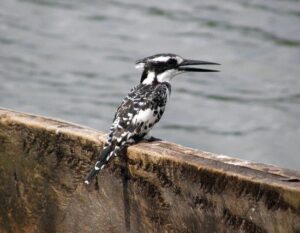
The trail ends at the Semliki River, where riverine habitats offer additional birding opportunities, including kingfishers and water-associated species. This is the highlight of any birding in Semliki National Park safari.
Day 6: Kirumia Trail – Second Day (Alternative Routes)
For those who want to maximise their sightings, spend a second day on the Kirumia Trail exploring different sections or taking a more relaxed pace. Alternatively, explore other forest trails around the park headquarters. This additional day allows you to target species you may have missed and to explore different habitats within the forest. Every extra day of birding in Semliki National Park reveals something new.
Optional: For the truly dedicated, the Kirumia Trail can be undertaken as an overnight camping trip, offering an even more immersive birding experience.
Day 7: Ntoroko – Waterbirds and Raptors
Venture to the Ntoroko area, a scenic spot near Lake Albert known for waterbirds and raptors. This habitat contrast—open water and wetlands versus dense forest—offers a completely different birding experience. The area is excellent for spotting waterbirds, herons, storks, and raptors. This diversity is what makes birding in Semliki National Park so uniquely rewarding.
Afternoon: Return to the Forest
Spend the late afternoon birding along the forest edges near your lodge, targeting species you may have missed earlier in the week.
Day 8: Transfer to the Airport
Enjoy a final breakfast at the lodge, taking in the peaceful forest atmosphere one last time. There is no birding activity scheduled today. After breakfast, check out and begin your journey back to Kampala or Entebbe International Airport for your departure flight, carrying with you memories of over 200 bird species and the unparalleled beauty of Uganda's best-kept birding secret. Your birding in Semliki National Park adventure may be over, but the memories will last a lifetime.
Target Species
| Day | Focus Area | Target Species |
|---|---|---|
| Day 1 | Arrival in Entebbe | No birding activity – rest and settle in |
| Day 2 | Transfer to Semliki | No birding activity – travel day |
| Day 3 | Sempaya Trail & Hot Springs | Red-billed Dwarf Hornbill, Piping Hornbill, Black-wattled Hornbill, Red-thighed Sparrowhawk, Chestnut-flanked Goshawk |
| Day 4 | Sempaya–Ntandi Road | Great Blue Turaco, White-crested Hornbill, Black-casqued Wattled Hornbill, Yellow-throated Nicator, Blue-headed Crested Flycatcher, Purple-throated Cuckooshrike, Cassin's Spinetail, Sabine's Spinetail |
| Day 5 | Kirumia Trail | Nkulengu Rail, Congo Serpent Eagle, Long-tailed Hawk, Lyre-tailed Honeyguide, White-throated Blue Swallow, Grant's Bluebill, Crested Malimbe, Red-bellied Malimbe, Maxwell's Black Weaver, Chestnut-breasted Negrofinch, Orange-cheeked Waxbill, Blue-headed Coucal |
| Day 6 | Kirumia Trail | White-bellied Kingfisher, Shining-blue Kingfisher, Red-throated Bee-eater, Purple Glossy-starling, Toro Olive Greenbul, Little Grey Greenbul, Swamp Palm Bulbul, Lemon-bellied Crombec |
| Day 7 | Ntoroko | African Fish Eagle, Goliath Heron, Saddle-billed Stork, various herons, egrets, and kingfishers |
| Day 8 | Transfer to Airport | No birding activity – departure |
Essential Tips for Birding in Semliki
Hire a Local Guide
The most important piece of advice for any birder visiting Semliki is to engage the services of an experienced local guide. These guides are intimately familiar with the park's birdlife and their habits. They know the calls, the hiding spots, and the best times to find even the most elusive species. Birding in Semliki National Park with a local expert transforms a good experience into an extraordinary one.
Pack the Right Gear
A good pair of binoculars, a field guide to East African birds, and comfortable walking shoes are essential. The forest trails can be steep and slippery, especially during the wet season, so waterproof boots are highly recommended. A lightweight rain jacket is also essential, as Semliki's rain forest climate means rain can fall even during the dry season. Insect repellent, sun protection, and a camera with a telephoto lens are also recommended. Being properly prepared ensures your birding in Semliki National Park experience is as rewarding as possible.
Practice Patience
Birding in Semliki National Park sometimes requires patience. Find a comfortable spot, be patient, and let the birds come to you. The forest rewards those who wait, and some of the most magical sightings happen when you least expect them.
Practical Information
Best Time to Visit: Semliki is an all-year-round birding destination. The dry seasons—June to August and December to February—are ideal for comfortable trekking, with drier trails and peak bird activity. The wet seasons (March to May and September to November) offer opportunities to observe migratory birds from November to April.
Birding Permits and Costs: Birdwatching in Semliki National Park costs $40 per person for foreign non-residents and $30 per person for foreign residents. Applications should be submitted to the Uganda Wildlife Authority at least two weeks in advance.
Getting There: The park is located in Bundibugyo district, western Uganda. The drive from Kampala via Mubende and Fort Portal takes approximately 5 to 6 hours.
Start Your Semliki Birding Adventure Today
A 7-day birding in Semliki National Park safari is the ultimate journey for the dedicated birder. From the elusive Nkulengu Rail to the Congo Serpent Eagle, from the dramatic Sempaya Hot Springs to the immersive Kirumia Trail, every day brings new discoveries and unforgettable moments.
Birding in Semliki offers 441 species, 46 Guinea-Congo forest biome species, and 23 Albertine Rift endemics—all in one of Africa's most pristine and overlooked rain forests. The forest is calling. Your adventure begins now.
Contact Tulambule Uganda Safaris Today
Ready to embark on a 7-day birding in Semliki National Park safari?
Tulambule Uganda Safaris is your trusted local partner. Since 2014, we have been crafting authentic, locally guided safari experiences across Uganda, Rwanda, Kenya, and Tanzania. Our expert guides know Semliki's birds, trails, and habitats intimately. We handle permits, accommodation, transport, and everything in between.
Contact us now to start planning your dream birding safari.
17 Days Remarkable Uganda Birding Tour: Shoebills, Albertine Rift Endemics & Great Apes