Planning a primate safari? Discover Gorilla Trekking vs Chimpanzee Trekking in Uganda, including forest locations, trekking difficulty, primate behavior, and safari experiences.
Uganda’s Unforgettable Primate Safaris
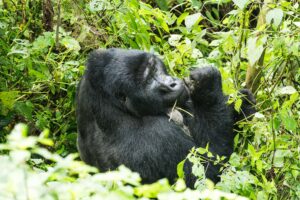 Few wildlife experiences in the world compare to trekking through Uganda’s lush rainforests in search of our closest primate relatives. For many travelers, the choice comes down to one exciting question: gorilla trekking vs chimpanzee trekking — which adventure should I choose?
Uganda is one of Africa’s premier destinations for primate safaris, offering visitors the chance to experience both majestic mountain gorillas and playful chimpanzees in their natural habitats. Gorilla trekking is most popular in Bwindi Impenetrable National Park and Mgahinga Gorilla National Park, where dense rainforest trails lead to close encounters with entire gorilla families. Chimpanzee trekking, by contrast, is best experienced in Kibale National Park, a forest known for its lively troop of wild chimpanzees and the rich sounds of the canopy.
Both experiences are unforgettable, yet they offer very different adventures. Gorilla trekking is intimate, calm, and emotionally moving, providing a rare chance to observe these gentle giants up close. Chimpanzee trekking is lively, playful, and full of action, with calls and acrobatics that bring the forest to life.
In this guide, we explore the 9 key differences between gorilla trekking vs chimpanzee trekking in Uganda, from trekking difficulty and permit costs to wildlife behavior and overall safari experience, helping you decide which primate adventure is perfect for your safari.
What Is Gorilla Trekking?
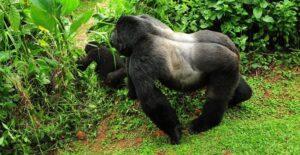 For travelers exploring Uganda’s rainforests, the question of gorilla trekking vs chimpanzee trekking often comes first. Gorilla trekking offers a calm, intimate, and deeply moving wildlife experience, allowing visitors to observe mountain gorillas up close in their natural habitat.
The most iconic locations for gorilla trekking in Uganda are:
- Bwindi Impenetrable National Park — a UNESCO World Heritage site famous for its dense rainforest and thriving gorilla families
- Mgahinga Gorilla National Park — set on volcanic slopes, perfect for smaller groups and more secluded encounters
During a trek, experienced park rangers lead small groups through forest trails in search of habituated gorilla families. Once found, visitors spend about an hour observing the gorillas, taking photos, and watching fascinating social interactions — from protective silverbacks to playful infants.
Gorilla trekking can be moderately challenging, with hikes lasting 2 to 6 hours through steep and uneven terrain. Yet the reward is unmatched: sitting just meters from a gorilla family, hearing them breathe and watching them interact naturally, is a profoundly emotional experience.
For anyone planning a Uganda safari, gorilla trekking is often described as the highlight of a primate adventure. The experience not only creates lifelong memories but also directly supports vital conservation efforts protecting these endangered primates.
What Is Chimpanzee Trekking?
When considering gorilla trekking vs chimpanzee trekking, chimpanzee treks offer a very different, yet equally captivating, primate experience. Chimpanzee trekking safari is lively, playful, and full of energy, giving visitors a front-row seat to the intelligence and social dynamics of these fascinating primates.
Uganda’s best locations for chimpanzee trekking include:
- Kibale National Park — renowned for its large population of wild chimpanzees and dense tropical canopy
- Budongo Forest Reserve — home to active chimpanzee troops and excellent guided forest trails
- Kyambura Gorge — offering a unique opportunity to see chimps in a riverine forest environment
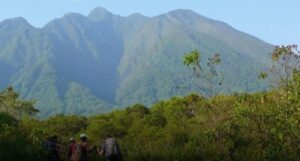
During a chimpanzee trek, experienced guides lead small groups through the forest, following the sounds and movements of the chimpanzee troops. Visitors often hear loud calls or see playful jumps and swings through the canopy before the chimpanzees finally come into view.
Treks are typically 1 to 3 hours, making them slightly less physically demanding than gorilla trekking. This difference is one of the key aspects travelers notice when comparing Gorilla Trekking vs Chimpanzee Trekking in Uganda, though both experiences offer a highly engaging and memorable wildlife encounter.
For safari-goers comparing gorilla trekking vs chimpanzee trekking in Uganda, chimpanzee treks are ideal for those who enjoy observing dynamic, energetic wildlife and hearing the lively forest come alive with calls and movement. Like gorilla trekking, these treks also support conservation efforts, helping protect Uganda’s chimpanzees and their forest habitats.
9 Key Differences Between Gorilla Trekking vs Chimpanzee Trekking in Uganda
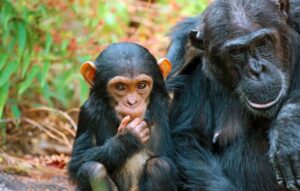 Understanding the differences between gorilla trekking vs chimpanzee trekking can help you choose the perfect primate safari. From behavior to trekking difficulty, here’s what every traveler should know:
1. Wildlife Behavior
- Gorillas: Calm, gentle, and largely terrestrial. Silverbacks lead their family while youngsters play quietly.
- Chimpanzees: Highly energetic, social, and often move through the canopy. Loud calls and playful antics make the forest alive.
This difference shapes the entire trekking experience, whether you prefer serene observation or lively activity.
2. Trekking Difficulty
- Gorilla Trekking: Moderate to challenging; hikes may last 2–6 hours on steep and uneven trails.
- Chimpanzee Trekking: Usually easier; 1–3 hour treks on relatively gentle forest trails.
Fitness levels and hiking experience may influence your choice.
3. Trekking Locations in Uganda
- Gorillas: Bwindi Impenetrable National Park, Mgahinga Gorilla National Park
- Chimpanzees: Kibale National Park, Budongo Forest Reserve, Kyambura Gorge
Locations determine accessibility, scenery, and wildlife encounters.
4. Permit Costs
- Gorilla Trekking: Around $800 per person; permits limited to protect the species.
- Chimpanzee Trekking: Around $100–$250 per person; more accessible for larger groups.
Higher gorilla permit fees directly support conservation of this endangered species.
5. Time Spent With Primates
- Gorillas: Typically 1 hour once the family is located, allowing close observation.
- Chimpanzees: Usually 1 hour after locating the troop, but sightings are more dynamic.
6. Forest Environment
- Gorillas: Dense, mountainous rainforest with thick vegetation; misty slopes create a magical backdrop.
- Chimpanzees: Tropical forest with more open canopy, making it easier to observe movement in trees.
7. Photography Opportunities
- Gorillas: Close encounters and calm behavior make photography easier.
- Chimpanzees: Fast, playful movements in trees make photography more challenging but rewarding.
8. Overall Experience
- Gorilla Trekking: Serene, intimate, and deeply emotional — often described as life-changing.
- Chimpanzee Trekking: Lively, playful, and energetic — perfect for witnessing intelligence and social behavior.
9. Ideal for Different Travelers
- Gorillas: Perfect for travelers seeking calm, immersive wildlife experiences.
- Chimpanzees: Ideal for those who enjoy action-packed encounters and lively forest sounds.
Suggested Combined Itineraries for Gorilla and Chimpanzee Trekking in Uganda
For travelers who want the best of both worlds, combining gorilla trekking vs chimpanzee trekking in one Uganda safari is an unforgettable way to experience the country’s incredible primates. Here are sample itineraries for a 2–5 day adventure:
Option 1: 3-Day Safari – Bwindi & Kibale
Day 1: Arrival in Kampala / transfer to Kibale National Park
- Settle into lodge and enjoy evening forest walk
- Optional educational talk about chimpanzee conservation
Day 2: Chimpanzee trekking in Kibale
- Guided trek through tropical rainforest
- Observe playful chimpanzees, hear forest calls
- Optional community visit or nature walk
Day 3: Transfer to Bwindi Impenetrable National Park
- Gorilla trekking with small group and experienced rangers
- Afternoon relaxation or scenic village walk
Option 2: 5-Day Adventure – Jinja, Kibale & Bwindi
Day 1: Arrive in Kampala / travel to Jinja
- Enjoy safe, family-friendly activities like Owen Falls Dam and Source of the Nile
- Optional Mabira Forest Reserve nature walk
Day 2: Travel to Kibale National Park
- Afternoon forest hike to spot chimpanzees
Day 3: Chimpanzee trekking
- Full morning guided trek
- Afternoon visit to local communities or optional cultural experiences
Day 4: Transfer to Bwindi
- Relax at lodge and prepare for next day’s gorilla encounter
Day 5: Gorilla trekking in Bwindi
- Spend an hour observing gorilla family
- Return to lodge / transfer back to Kampala
Why Combine Both Experiences?
- Witness both major primate species in Uganda
- Experience diverse forest environments — tropical canopy vs misty mountain rainforest
- Ideal for travelers seeking high-value safari adventures
- Supports conservation of endangered gorillas and chimpanzees
Costs, Travel Tips & Packing for Gorilla and Chimpanzee Trekking in Uganda
When planning a Uganda safari, understanding the costs, preparation, and packing essentials is key to a smooth and enjoyable experience. Whether you’re comparing gorilla trekking vs chimpanzee trekking, these tips will help you make the most of your adventure.
Estimated Costs
| Activity | Approximate Cost per Person |
| Gorilla Trekking (Bwindi / Mgahinga) | $800 USD |
| Chimpanzee Trekking (Kibale / Budongo / Kyambura) | $100–$250 USD |
| Accommodation (mid-range lodges) | $150–$250 USD per night |
| Transport (safari vehicle) | $150–$200 per day |
| Meals | $10–$30 per meal depending on lodge |
Note: Trekking fees support conservation efforts for both gorillas and chimpanzees. Booking in advance is highly recommended as permits sell out quickly.
Travel Tips
- Book Permits Early – Gorilla permits are limited; chimpanzee permits are more flexible but still best reserved in advance.
- Fitness Preparation – Gorilla trekking can be moderately challenging; light hiking experience is helpful.
- Respect Wildlife – Maintain quiet, avoid direct eye contact with gorillas, and follow ranger instructions.
- Photography – Bring a camera with a good zoom. Gorilla encounters are calmer, while chimpanzees move quickly through the trees.
- Health Precautions – Carry hand sanitizer and avoid trekking if sick; gorilla and chimpanzee populations are vulnerable to human diseases.
Packing Essentials
- Lightweight, breathable hiking clothes in earth tones
- Hiking boots with good grip
- Rain jacket (Ugandan forests can be wet)
- Hat, sunglasses, and sunscreen
- Binoculars for chimpanzee canopy spotting
- Water bottle and energy snacks
- Insect repellent
Key Takeaways for Safari Planning
- Comparing gorilla trekking vs chimpanzee trekking helps set expectations for difficulty, scenery, and wildlife behavior.
- Prepare with the right clothing, equipment, and mindset to fully enjoy the forest experience.
- A well-planned safari ensures not just memories, but also contribution to vital primate conservation in Uganda.
FAQ — Gorilla Trekking vs Chimpanzee Trekking in Uganda
1. What is the difference between gorilla trekking and chimpanzee trekking?
Gorilla trekking is typically more serene and intimate, focusing on observing gorilla families in misty mountain rainforests. Chimpanzee trekking is lively and energetic, with chimps moving quickly through the forest canopy. Both offer unique primate safari experiences in Uganda.
2. Which trek is more physically demanding?
Gorilla trekking is generally more challenging, with hikes of 2–6 hours on steep, uneven terrain. Chimpanzee trekking is easier, usually lasting 1–3 hours on gentler trails.
3. How much do permits cost?
- Gorilla trekking permits: around $800 per person
- Chimpanzee trekking permits: approximately $200–$250 per person
Permits directly support conservation efforts for these endangered primates.
4. Can children participate in these treks?
Yes, children above 15 years can join gorilla treks, while chimpanzee treks are generally more flexible for younger participants. Always check park regulations and ensure a comfortable, safe experience for all.
5. When is the best time for gorilla or chimpanzee trekking?
The dry seasons (June–September and December–February) are ideal, as trails are less slippery and sightings are easier. The rainy seasons offer lush scenery but can make treks more challenging.
6. What should I bring for a primate trek?
Essential items include lightweight hiking clothes, rain jacket, hiking boots, hat, water, snacks, camera, and binoculars for chimpanzee observation.
7. Can I do both treks in one safari?
Absolutely. Many Uganda itineraries combine Gorilla Trekking vs Chimpanzee Trekking in Uganda, allowing travelers to experience both primates in one unforgettable adventure. A typical safari may include gorilla trekking in Bwindi Impenetrable National Park or Mgahinga Gorilla National Park, followed by chimpanzee trekking in Kibale National Park.
Plan Your Uganda Primate Safari
Choosing between gorilla trekking vs chimpanzee trekking in Uganda doesn’t have to be difficult — both offer unforgettable wildlife encounters in some of Africa’s most spectacular forests. Gorilla trekking provides calm, intimate moments with majestic mountain gorillas, while chimpanzee trekking delivers lively, energetic interactions in the forest canopy.
Many travelers opt to experience both primate safaris in one itinerary, combining visits to Bwindi Impenetrable National Park, Mgahinga Gorilla National Park, and Kibale National Park for a truly comprehensive adventure.
Uganda is more than a safari destination — it’s a place where you connect deeply with wildlife, support conservation efforts, and create lifelong memories. Whether you prefer the serenity of gorilla trekking or the playful energy of chimpanzee trekking, a primate safari in Uganda is an experience you’ll never forget.
Ready to plan your adventure? Contact us today to secure your gorilla and chimpanzee trekking permits, choose the perfect itinerary, and let our experienced guides take you on a safe, immersive, and unforgettable Uganda primate safari.