+256 782 915 447

info@tulambule.com

BLOG

Gorilla Trekking Safaris Uganda: Ultimate 2026/2027 Guide to Permits, Best Seasons & 7 Life-Changing Experiences

February 27, 2026

Plan your ultimate gorilla trekking safaris Uganda with our 2026/2027 guide. Discover the best seasons, Bwindi & Mgahinga parks, 7 unforgettable experiences, insider tips on permits, packing, and itineraries for an adventure of a lifetime.

What Are Gorilla Trekking Safaris in Uganda?

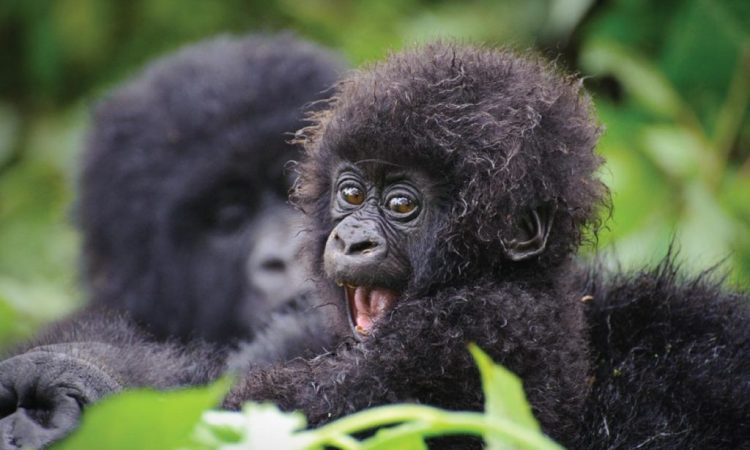
Gorilla trekking safaris in Uganda are guided rainforest expeditions that allow visitors to hike through protected jungle terrain to observe endangered mountain gorillas in their natural habitat. These once-in-a-lifetime wildlife encounters take place primarily in Bwindi Impenetrable National Park and Mgahinga Gorilla National Park.

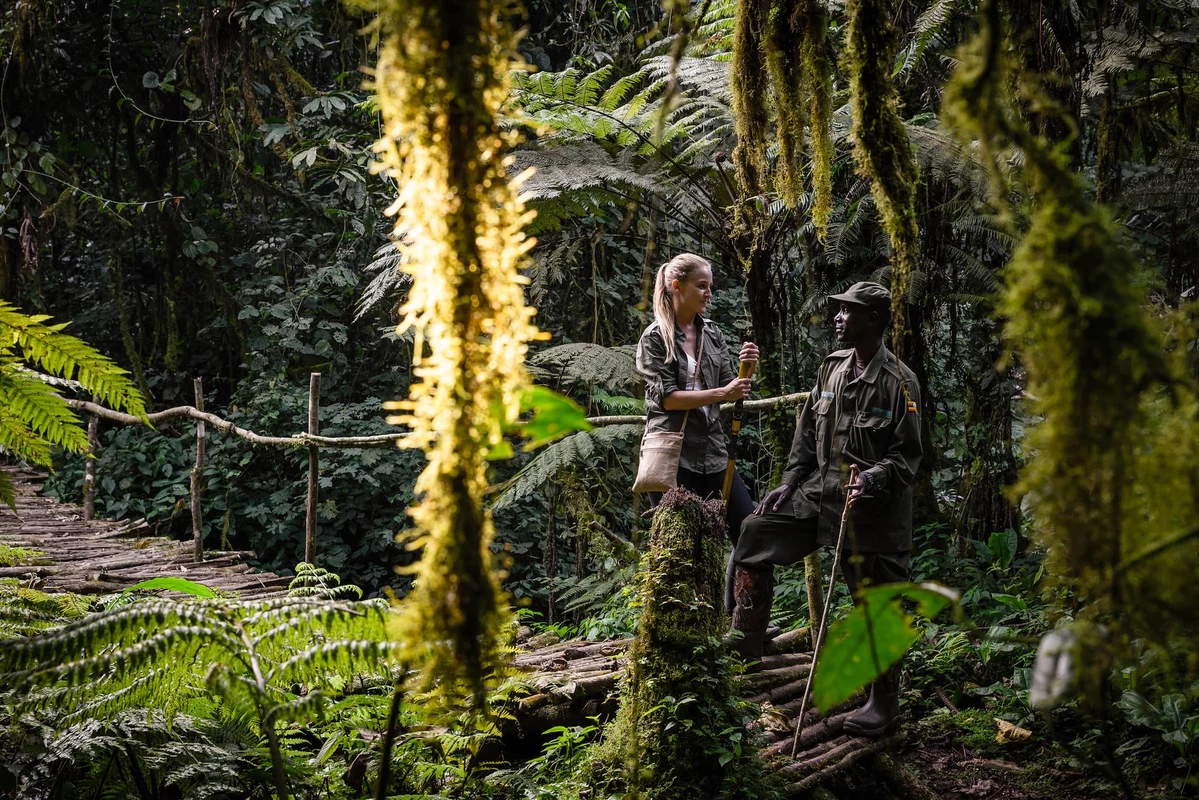
Gorilla Trekking Safaris UgandaUnlike traditional game drives, gorilla trekking is immersive. You walk through dense forest with experienced rangers, track a habituated gorilla family, and spend one unforgettable hour observing them at close range.

Uganda is home to nearly half of the world’s remaining mountain gorillas, making it the most important destination globally for authentic gorilla trekking safaris.

Why Gorilla Trekking Safaris Uganda Are the Best Value in Africa

When comparing gorilla trekking in East Africa, Uganda consistently offers the strongest balance of cost, experience, and biodiversity.

Here’s why:

  • Gorilla permit in Uganda (2026): $800 per person
    • Gorilla permit in Rwanda: $1,500 per person
    • More habituated gorilla families than any other country
    • Greater safari diversity — combine gorillas, wildlife, chimps, and lakes in one trip

All permits are issued by the Uganda Wildlife Authority, which regulates conservation and visitor numbers to protect the species.

For US and UK travelers, this means you can experience the same mountain gorillas found in Rwanda — at nearly half the permit cost — while enjoying a broader safari itinerary.

That value difference alone saves a couple over $1,400.

Where Gorilla Trekking Takes Place in Uganda

Bwindi Impenetrable National Park

Bwindi Impenetrable National Park is a UNESCO World Heritage Site and the primary location for gorilla trekking safaris in Uganda.

The park is divided into four trekking sectors:

  • Buhoma (most established lodges)
    • Ruhija (less crowded, scenic ridges)
    • Rushaga (largest number of gorilla families)
    • Nkuringo (steeper terrain, dramatic views)

Bwindi protects over 20 habituated gorilla families, giving visitors more trekking permit availability compared to other destinations in Africa.

Mgahinga Gorilla National Park

Mgahinga Gorilla National Park is smaller but incredibly scenic, located within the Virunga Volcano range.

It offers:

  • One habituated gorilla family
    • Fewer tourists
    • Stunning volcanic landscapes
    • Opportunity to track golden monkeys

Travelers seeking quieter treks and dramatic mountain backdrops often prefer Mgahinga.

How Much Do Gorilla Trekking Safaris Uganda Cost in 2026?

The total cost of gorilla trekking safaris in Uganda depends on lodge category, transportation, and trip length.

Here is a realistic breakdown for international travelers:

Budget Safari (3 Days): $1,900–$2,800 per person
Midrange Safari (4–5 Days): $3,000–$4,500 per person
Luxury Safari (5–7 Days): $5,000–$9,000+ per person

The gorilla permit alone costs:

  • $800 – Foreign Non-Residents
    • $700 – Foreign Residents
    • UGX 300,000 – East African Citizens

For a deeper experience, the Gorilla Habituation Experience costs $1,500 and allows four hours with a semi-habituated gorilla family.

Booking permits at least 4–6 months in advance is strongly recommended, especially for peak travel months.

Best Time for Gorilla Trekking Safaris Uganda (Month-by-Month Expert Guide)

Gorilla trekking safaris in Uganda are available year-round. However, the best time to visit depends on trail conditions, rainfall patterns, photography preferences, and budget.

Uganda lies along the equator, meaning temperatures remain relatively stable throughout the year. The key difference is rainfall.

Uganda has two dry seasons and two rainy seasons.

Dry Season (June–September & December–February)

The dry season is widely considered the best time for gorilla trekking safaris in Uganda.

During these months:

  • Forest trails are less muddy
    • Hiking is generally easier
    • Visibility improves for photography
    • Gorilla permit demand is highest

Temperatures range between 20–27°C (68–80°F), making conditions comfortable for trekking.

For US and UK travelers planning summer holidays (June–August) or winter escapes (December–February), this period aligns perfectly with long-haul travel schedules.

However, because this is peak season, permits sell out quickly — especially in Bwindi Impenetrable National Park.

Advance booking of at least 4–6 months is strongly recommended.

Green Season (March–May & October–November)

The rainy season — often called the green season — offers surprising advantages.

During this period:

  • Fewer tourists visit the parks
    • Lodge rates are often discounted
    • The forest is lush and vibrant
    • Gorilla sightings remain excellent

Rainfall typically occurs in short afternoon showers rather than constant downpours. Treks can be muddier, but experienced guides from Uganda Wildlife Authority adjust routes based on gorilla movements.

For photographers, the green season produces dramatic misty forest scenes — often considered more cinematic.

Travelers looking for better value and fewer crowds may find this season ideal.

Month-by-Month Breakdown for Gorilla Trekking Safaris Uganda

January – Dry, excellent trekking conditions
February – Dry, warm, high demand
March – Start of rains, fewer visitors
April – Wettest month, lowest lodge rates
May – Rain reduces, greener landscapes
June – Start of peak dry season
July – Peak travel month, permits limited
August – Very popular, advance booking required
September – End of dry season, still excellent
October – Short rains begin
November – Quieter travel month
December – Festive peak season

So, When Is the Best Time to Visit?

If trail conditions and easier hiking are your priority, choose June to September or December to February.

If lower prices and fewer tourists matter more, consider March, May, or November.

The most important factor is not the month — it is securing your gorilla permit early.

Only a limited number of permits are issued daily in Bwindi Impenetrable National Park and Mgahinga Gorilla National Park to protect the gorillas.

Once permits are sold out, no additional slots are released.

Gorilla Trekking Permits in Uganda: Prices, Rules & Booking Strategy for 2026–2027

Every visitor joining gorilla trekking safaris in Uganda must hold a valid gorilla permit issued by the Uganda Wildlife Authority (UWA).

Permits regulate daily visitor numbers to protect endangered mountain gorillas and ensure a safe, low-impact experience.

Only a limited number of permits are issued per day in Bwindi Impenetrable National Park and Mgahinga Gorilla National Park.

Once sold out, no additional permits are released.

Gorilla Permit Prices (Updated 2026 Rates)

For standard gorilla trekking (1 hour with a habituated family):

  • Foreign Non-Residents: USD $800 per person
    • Foreign Residents: USD $700 per person
    • East African Citizens: UGX 300,000 per person

For the Gorilla Habituation Experience (4 hours with a semi-habituated family in Bwindi):

  • Foreign Non-Residents: USD $1,500 per person

The habituation experience allows deeper interaction and is limited to very few visitors per day.

What a Gorilla Permit Includes

Your gorilla trekking permit covers:

  • Park entry fees
    • Professional ranger guides
    • One hour with a mountain gorilla family
    • Security provided by armed park rangers
    • Conservation contribution toward gorilla protection

It does not include:

  • Transport to the park
    • Accommodation
    • Porter fees
    • Tips for guides

Understanding this distinction helps travelers plan realistic safari budgets.

Minimum Age Requirement

The minimum age for gorilla trekking in Uganda is 15 years.

This rule is strictly enforced by the Uganda Wildlife Authority to ensure:

  • Visitor safety
    • Controlled group management
    • Reduced disease transmission risk to gorillas

Families traveling with younger children may arrange alternative cultural or nature activities during trekking.

Are Gorilla Permits Refundable?

Gorilla permits are generally non-refundable and non-transferable.

However, limited exceptions may apply in cases of:

  • Serious medical emergencies
    • Government travel restrictions
    • Official documentation provided in advance

Travel insurance covering trip interruption is strongly recommended for international travelers.

When Should You Book Gorilla Permits?

For peak travel months (June–September & December–February):

Book 4–6 months in advance.

For shoulder or green season months:

Booking 2–3 months ahead is usually sufficient, though last-minute availability is never guaranteed.

High-demand sectors in Bwindi Impenetrable National Park — especially Buhoma and Rushaga — often sell out first.

Working with an experienced local operator like Tulambule Uganda Safaris ensures real-time permit availability checks and immediate reservation confirmation.

How Gorilla Families Are Assigned

Gorilla families are assigned on the morning of the trek at the park headquarters.

Assignments consider:

  • Visitor fitness level
    • Group size
    • Special requests (when possible)
    • Gorilla movement patterns

Treks can last between 1 to 6 hours depending on the location of the gorilla family.

No two treks are identical — which makes every experience unique.

Bwindi vs Mgahinga: Which Gorilla Trekking Park Is Better?

Uganda offers two locations for gorilla trekking safaris: Bwindi Impenetrable National Park and Mgahinga Gorilla National Park.

Both protect endangered mountain gorillas. However, the experience, scenery, permit availability, and lodge options differ significantly.

Choosing the right park depends on your travel style, fitness level, and overall safari itinerary.

Bwindi Impenetrable National Park: The Classic Gorilla Experience

Bwindi is Uganda’s primary gorilla trekking destination and a UNESCO World Heritage Site.

Why most travelers choose Bwindi:

  • Over 20 habituated gorilla families
    • Higher daily permit availability
    • Four trekking sectors (Buhoma, Ruhija, Rushaga, Nkuringo)
    • Wide range of lodges from budget to ultra-luxury
    • Easier combination with Queen Elizabeth National Park

Bwindi’s terrain is dense, dramatic, and truly “impenetrable.” Treks can be steep in Nkuringo and Rushaga, while Ruhija offers cooler high-altitude conditions.

Because of the number of families, Bwindi offers greater flexibility for permit dates — especially important for travelers flying long-haul from the US or UK.

Best for:
First-time visitors, varied lodge options, and easier itinerary combinations.

Mgahinga Gorilla National Park: Scenic & Less Crowded

Mgahinga is smaller and located within the Virunga volcanic mountain range.

What makes Mgahinga special:

  • One habituated gorilla family
    • Fewer tourists
    • Stunning volcanic scenery
    • Opportunity to track golden monkeys
    • Generally shorter transfer distances from Kigali, Rwanda

The landscape here is open and mountainous rather than dense forest. Photography conditions are often clearer due to less canopy coverage.

Because only one gorilla family is habituated, permit availability is more limited compared to Bwindi.

Best for:
Repeat visitors, travelers seeking fewer crowds, and those combining with Rwanda itineraries.

Key Differences at a Glance

Permit Availability
Bwindi: High
Mgahinga: Limited

Scenery
Bwindi: Dense rainforest
Mgahinga: Volcanic mountains

Lodge Options
Bwindi  : Extensive range
Mgahinga: Fewer but intimate lodges

Crowds
Bwindi: Moderate to high in peak season
Mgahinga: Lower visitor numbers

Safari Extensions
Bwindi: Easy link to Queen Elizabeth
Mgahinga: Easy link to Rwanda

So, Which One Should You Choose?

For most international travelers booking gorilla trekking safaris in Uganda, Bwindi offers more flexibility, more lodge options, and higher permit availability.

However, Mgahinga provides a quieter and more dramatic mountain setting.

The right choice depends on availability and your preferred travel pace.

An experienced operator like Tulambule Uganda Safaris checks both parks in real time to secure the best possible option for your dates.

7 Life-Changing Experiences on Gorilla Trekking Safaris Uganda

A gorilla permit gives you one hour with mountain gorillas.
However, gorilla trekking safaris in Uganda offer far more than that single encounter.

Here are seven unforgettable experiences that transform a simple trip into a once-in-a-lifetime African safari.

Standing Face-to-Face with a Silverback Gorilla

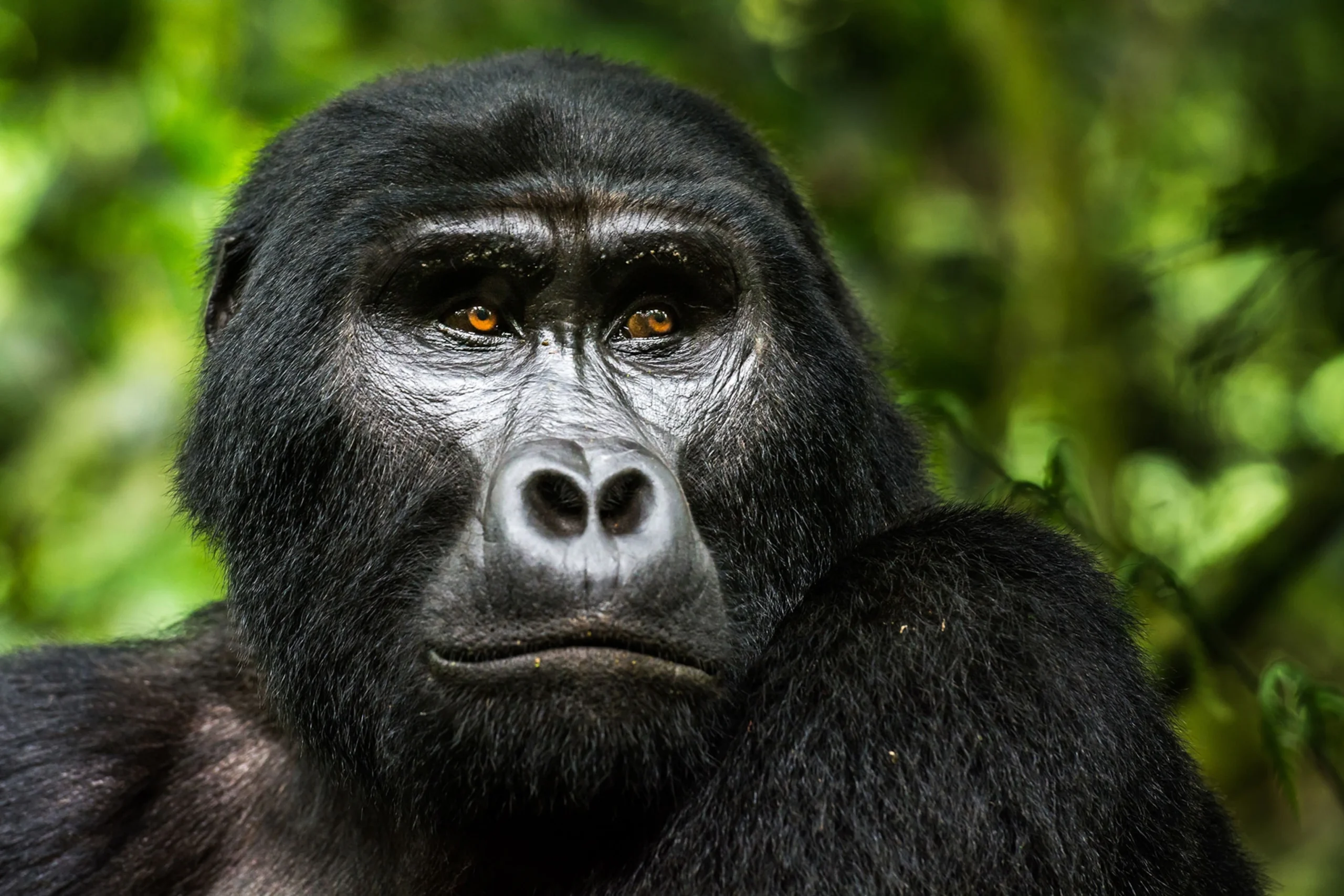
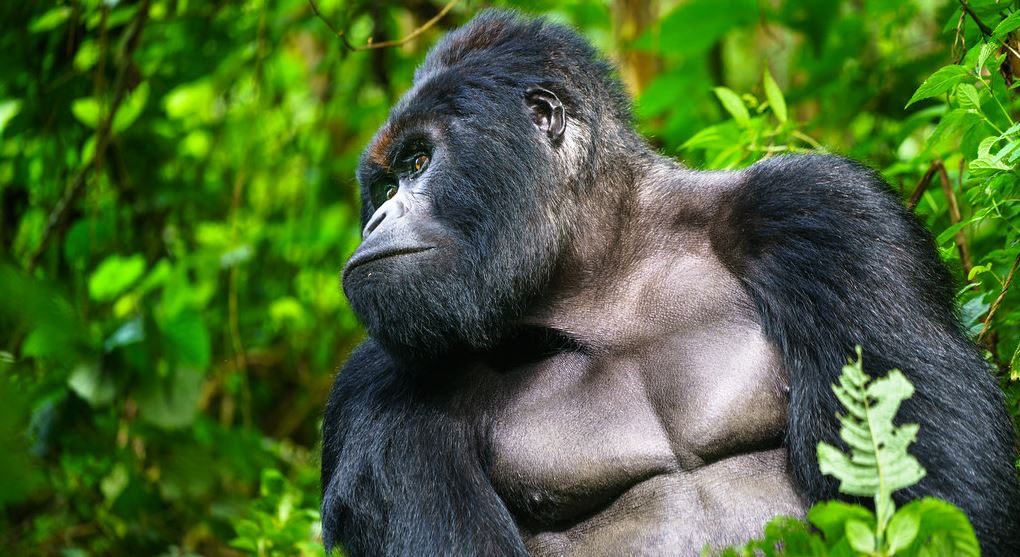
Nothing prepares you for the moment a 180-kg silverback steps quietly out of the forest.

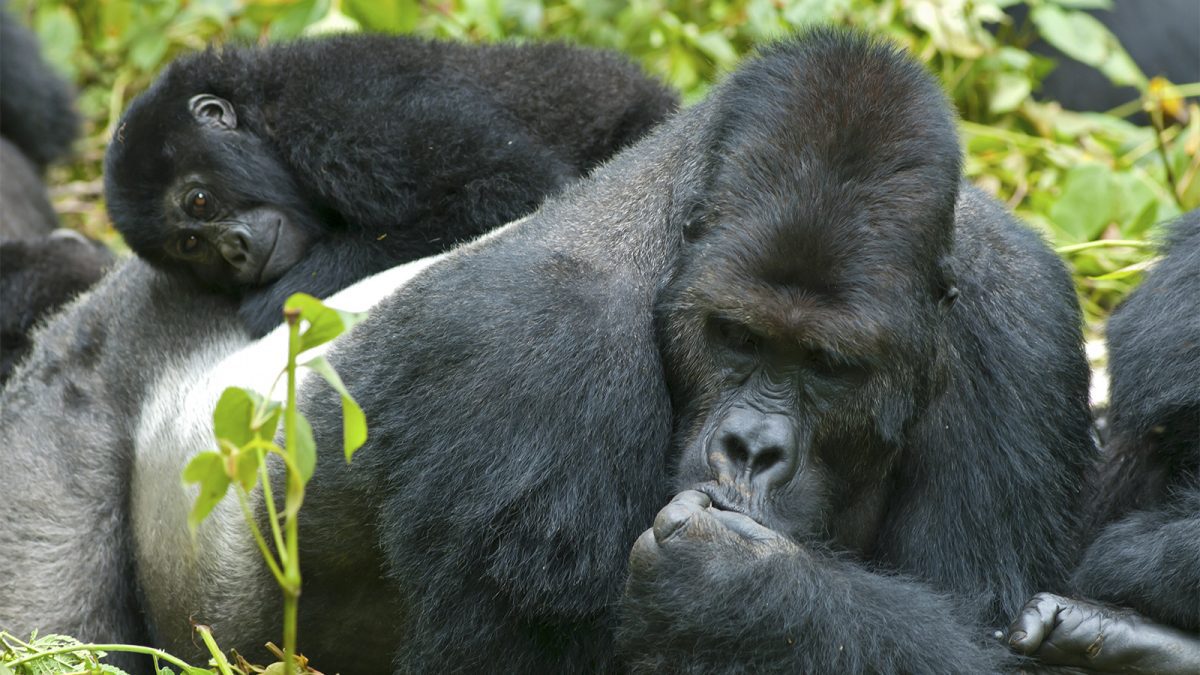
You may hear him before you see him — branches snapping softly, deep chest rumbles, young gorillas playing nearby.

During your allocated hour, you observe natural behaviors:

  • Feeding
    • Grooming
    • Nest building
    • Protective displays
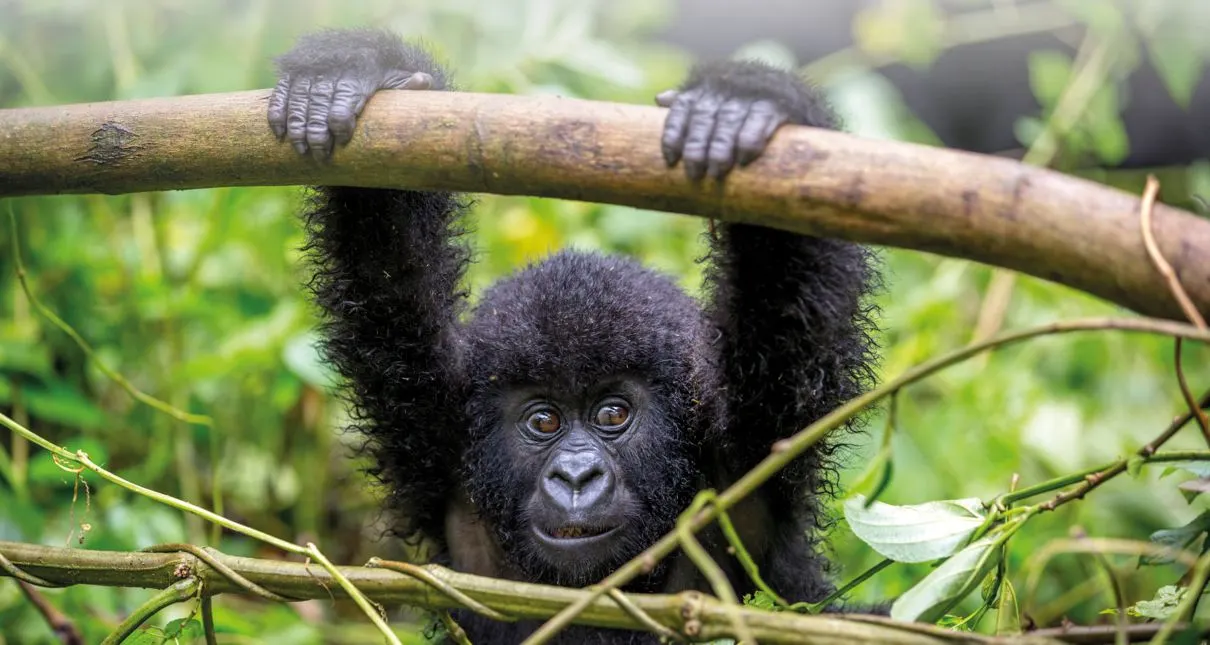
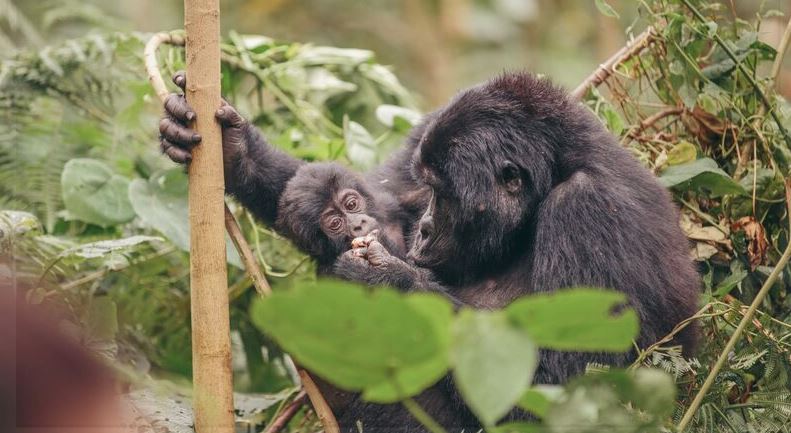
    • Playful juveniles climbing vines

In Bwindi Impenetrable National Park and Mgahinga Gorilla National Park, encounters often feel intimate and deeply personal.

For many travelers, this moment alone justifies the journey to Uganda.

Gorilla Habituation Experience (Four Hours in the Wild)

Unlike standard trekking, the habituation experience allows four hours with a semi-habituated gorilla family.

Led by researchers and rangers from the Uganda Wildlife Authority, you witness the ongoing process of gently acclimating gorillas to human presence.

This experience:

  • Is limited to very small groups
    • Provides deeper behavioral observation
    • Feels raw and exploratory
    • Offers extended photography opportunities

It is ideal for photographers, wildlife enthusiasts, and repeat safari visitors.

Tracking Golden Monkeys in Mgahinga

In Mgahinga Gorilla National Park, golden monkey tracking offers a lively contrast to gorilla trekking.

These energetic primates leap between bamboo forests in large social groups.

The activity is shorter, lighter, and perfect as an additional experience during a multi-day gorilla safari.

Classic Wildlife Safaris in Queen Elizabeth National Park

Many gorilla trekking safaris in Uganda are combined with game drives in Queen Elizabeth National Park.

Here, visitors may encounter:

  • Lions
    • Elephants
    • Buffalo
    • Leopards
    • Hippos along the Kazinga Channel

This combination creates a complete African safari experience — primates and big game in one itinerary.

  1. Chimpanzee Tracking in Kibale Forest

Often called the “primate capital of the world,” Kibale National Park offers thrilling chimpanzee tracking experiences.

Chimpanzees are fast, vocal, and dynamic — a completely different energy compared to gorillas.

Adding chimpanzee tracking increases biodiversity exposure and enhances overall safari value.

Batwa Cultural Experience

The Batwa people are indigenous forest dwellers who once lived within Bwindi.

A guided cultural walk allows visitors to learn about:

  • Traditional hunting methods
    • Medicinal plants
    • Ancient forest survival techniques
    • Cultural storytelling and music

This experience adds human depth to your gorilla trekking safari and supports local communities.

Relaxing at Lake Bunyonyi After Your Trek

After the physical challenge of gorilla trekking, many travelers unwind at Lake Bunyonyi.

This scenic lake, surrounded by terraced hills, offers:

  • Canoeing
    • Island exploration
    • Swimming (bilharzia-free waters)
    • Quiet reflection after an emotional trek

It is the perfect soft landing before returning to Entebbe or Kampala.


Is Gorilla Trekking Difficult? Fitness Level, Safety & What to Expect

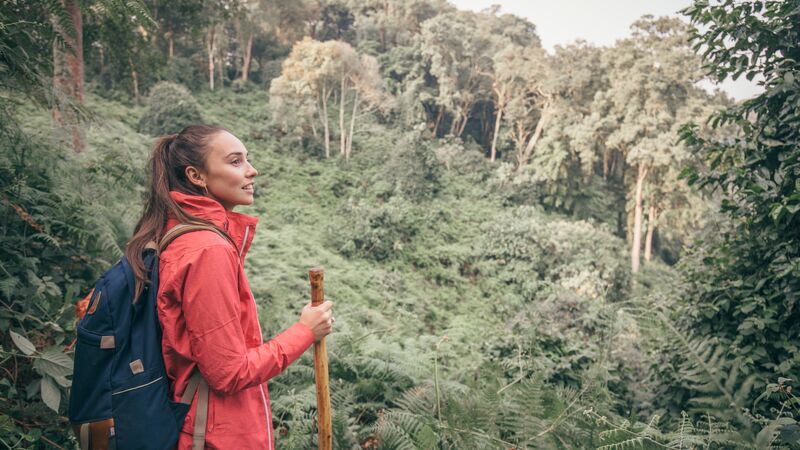
Gorilla trekking safaris in Uganda are physically active but achievable for most travelers with moderate fitness.

You do not need to be an athlete. However, you should be comfortable walking on uneven terrain for several hours.

Treks can last anywhere between 1 to 6 hours depending on the location of the assigned gorilla family in Bwindi Impenetrable National Park or Mgahinga Gorilla National Park.

Some days the gorillas are close. Other days they may have moved deeper into the forest.

How Physically Demanding Is Gorilla Trekking?

The difficulty depends on:

  • Your fitness level
    • The trekking sector
    • Weather conditions
    • Gorilla movement patterns

Nkuringo and Rushaga sectors in Bwindi are generally steeper. Ruhija tends to be cooler and moderately challenging. Mgahinga involves volcanic slopes but often clearer terrain.

Park rangers consider fitness levels when assigning gorilla families on the morning of the trek.

If you have mobility concerns, informing your tour operator in advance helps ensure a more suitable allocation.

Can Older Travelers Do Gorilla Trekking?

Yes. Many visitors in their 50s, 60s, and even 70s successfully complete gorilla trekking safaris in Uganda each year.

Important considerations:

  • Hire a porter (highly recommended)
    • Use a walking stick (provided at the park)
    • Take your time — trekking is not a race
    • Inform your guide about your pace

Porters not only assist with bags but also help stabilize you on steep or muddy sections. Hiring a porter also directly supports local community livelihoods.

Is Gorilla Trekking Safe?

Yes, gorilla trekking in Uganda is considered very safe.

Safety measures include:

  • Armed ranger escorts
    • Strict visitor limits
    • Controlled group sizes (maximum 8 people per gorilla family)
    • Daily monitoring by the Uganda Wildlife Authority

Mountain gorillas are habituated to human presence and generally calm. Rangers brief visitors on behavior guidelines before entering the forest.

Visitors must:

  • Keep a 7-meter distance
    • Avoid sudden movements
    • Speak quietly
    • Follow ranger instructions at all times

These protocols ensure both visitor safety and gorilla protection.

What Happens If It Rains?

Rain is common in rainforest environments, even during the dry season.

Light showers rarely stop trekking. In fact, mist and soft rain often enhance the forest atmosphere.

Wearing waterproof hiking boots, a light rain jacket, and carrying a small daypack ensures comfort during variable conditions.

Treks continue unless weather conditions are deemed unsafe by park authorities.

What Is the Success Rate of Seeing Gorillas?

The success rate of locating a habituated gorilla family is over 95%.

Rangers track gorilla movements daily and communicate with advance teams to determine likely locations before visitors depart.

While wildlife is never guaranteed, sightings are extremely reliable in Uganda.


What to Pack for Gorilla Trekking Safaris Uganda: Essential Checklist

Packing wisely ensures your gorilla trekking safaris Uganda is comfortable, safe, and unforgettable. The rainforest climate, steep terrain, and wildlife encounters all demand careful preparation. Here’s what to bring:

Footwear

Comfortable, durable hiking boots are non-negotiable for gorilla trekking safaris Uganda. Key points:

  • Waterproof and broken-in to avoid blisters
  • Good ankle support for steep and slippery trails
  • Gaiters for muddy or wet sections
  • Lightweight sandals for lodge use

Clothing

Layering is essential to manage changing temperatures:

  • Lightweight, breathable long-sleeve shirts
  • Quick-dry long pants (protects against insects and thorny plants)
  • Fleece or warm mid-layer for early mornings
  • Waterproof jacket for rain
  • Hat and sunglasses for sun exposure

Neutral, earthy colors are recommended to blend with the forest and not disturb wildlife.

Gear & Accessories

Essentials for gorilla trekking safaris Uganda:

  • Daypack with secure closures
  • Water bottle (1–2 liters)
  • Snacks or energy bars
  • Trekking poles or walking stick (provided at parks)
  • Insect repellent (DEET-based recommended)
  • Sunscreen and lip balm
  • Binoculars for wildlife spotting
  • Camera with extra batteries or power bank

Health & Safety

  • Basic first aid kit
  • Personal medications
  • Hand sanitizer
  • Face masks (optional, for close encounters with gorillas)

Note: Gorillas are susceptible to human illnesses. Maintaining hygiene protects both you and the wildlife during gorilla trekking safaris Uganda.

Optional Items

  • Waterproof cover for camera or binoculars
  • Lightweight gloves for thorny vegetation
  • Notebook or journal to record your wildlife experiences

Tulambule Tip: Pack in a duffel bag or soft-sided bag rather than a rigid suitcase. Porters can easily assist, and small aircraft transfers require flexible luggage.

Sample Itineraries for Gorilla Trekking Safaris Uganda

Planning your gorilla trekking safaris Uganda? These sample itineraries cover different durations and budgets, making it easy to visualize your adventure and optimize your time.

3-Day Bwindi Express (Budget/Mid-Range)

Day 1: Fly or drive from Entebbe to Bwindi. Check-in at lodge near your trekking sector.
Day 2: Gorilla trekking in Bwindi Impenetrable National Park. Afternoon at leisure or a Batwa cultural experience.
Day 3: Transfer back to Entebbe for departure.

Price Range: $1,900 – $3,500 per person for gorilla trekking safaris Uganda.

Highlights: Quick immersion into the rainforest, perfect for first-time visitors or short stays.

5-Day Gorillas & Chimpanzees Adventure

Day 1: Arrival in Entebbe, overnight at local lodge.
Day 2: Transfer to Kibale National Park for a nature walk.
Day 3: Chimpanzee tracking in Kibale. Afternoon drive to Bwindi.
Day 4: Gorilla trekking in Bwindi.
Day 5: Transfer to Entebbe for departure.

Price Range: $3,500 – $5,500 per person for gorilla trekking safaris Uganda.

Highlights: Combines Uganda’s top primate encounters—chimpanzees and gorillas—for a complete wildlife experience.

7-Day Ultimate Uganda Safari

Day 1: Arrival in Entebbe.
Day 2: Transfer to Queen Elizabeth National Park; afternoon game drive.
Day 3: Morning game drive, followed by Kazinga Channel boat cruise.
Day 4: Transfer to Bwindi via Ishasha sector (tree-climbing lions).
Day 5: Gorilla trekking in Bwindi.
Day 6: Batwa cultural experience, then transfer back.
Day 7: Departure from Entebbe.

Price Range: $5,000 – $8,000+ per person for gorilla trekking safaris Uganda.

Highlights: Full Uganda adventure with primates, wildlife, and cultural experiences. Ideal for travelers seeking an immersive experience.

Tulambule Tip: Customize itineraries with private guides, additional activities like volcano hikes in Mgahinga, or overnight luxury lodges to make your gorilla trekking safaris Uganda unforgettable.

Conservation and Community: The Impact of Your Gorilla Trekking Safaris Uganda

Your gorilla trekking safaris Uganda do more than create memories—they directly support conservation and local communities. Every permit and guided tour contributes to preserving Uganda’s unique wildlife and empowering local people.

Protecting Mountain Gorillas

Permit fees from your gorilla trekking safaris Uganda help fund:

  • Anti-poaching patrols that protect gorillas daily
  • Veterinary care for injured or sick gorillas
  • Habitat conservation and expansion initiatives
  • Research and monitoring programs for gorilla populations

Thanks to these conservation efforts, mountain gorilla numbers have increased from around 300 in the 1980s to over 1,000 today. Your participation in gorilla trekking safaris Uganda is part of this remarkable success story.

Supporting Local Communities

Tourism revenue from gorilla trekking safaris Uganda benefits local communities by:

  • Providing porter and guide jobs
  • Funding community revenue-sharing programs
  • Supporting craft markets and cultural experiences
  • Enabling schools, clinics, and water projects

Tulambule Tip: Hiring a porter or purchasing local crafts during your gorilla trekking safaris Uganda directly contributes to livelihoods while enhancing your experience.


Frequently Asked Questions About Gorilla Trekking Safaris Uganda

This section answers the most common traveler questions, helping readers plan their adventure and boosting your page’s search relevance for specific queries.

How much do gorilla trekking safaris Uganda cost?

Complete gorilla trekking safaris Uganda packages range from $1,900 for a budget 3-day trip to $8,000+ for luxury extended safaris. The gorilla permit itself costs $800 for standard trekking or $1,500 for habituation experiences.

When is the best time for gorilla trekking safaris Uganda?

The ideal seasons are June–September and December–February, when trails are dry and hiking conditions are easiest. Green seasons (March–May and October–November) offer lush forests, lower prices, and fewer crowds but can be muddy.

How hard is gorilla trekking on gorilla trekking safaris Uganda?

Difficulty varies from moderate to strenuous. Treks last 2–7 hours over steep, uneven terrain at altitudes of 5,000–8,000 feet. Good fitness is important, but hiring a porter can make your gorilla trekking safaris Uganda easier.

What should I wear for gorilla trekking safaris Uganda?

Pack:

  • Sturdy waterproof hiking boots and gaiters
  • Long pants and long sleeves
  • Rain jacket and fleece layers
  • Gloves for vegetation
  • Camera and extra batteries

Dressing in layers ensures comfort during your gorilla trekking safaris Uganda.

Can I combine activities with gorilla trekking safaris Uganda?

Yes! Many travelers combine gorilla trekking with:

How far in advance should I book my gorilla trekking safaris Uganda?

  • Peak seasons: 6–12 months in advance
  • Green seasons: 3–6 months ahead

Booking early ensures permit availability, accommodation near the trekking sector, and a smoother overall experience.

Is gorilla trekking safe during gorilla trekking safaris Uganda?

Yes. Treks are led by experienced Uganda Wildlife Authority rangers with armed escorts. Gorilla rules maintain visitor and animal safety. Habituated gorillas are accustomed to human presence.

What’s the age limit for gorilla trekking safaris Uganda?

Trekkers must be at least 15 years old, which protects both young visitors and gorilla families.

Ready to Plan Your Gorilla Trekking Safaris Uganda?

Your gorilla trekking safaris Uganda adventure is more than just a trip—it’s a journey that creates unforgettable memories while supporting conservation and local communities. At Tulambule Uganda Safaris, we handle every detail to ensure your experience is seamless, safe, and extraordinary.

Why Book With Tulambule Uganda Safaris

  • Local Expertise: Years of guiding travelers on gorilla trekking safaris Uganda.
  • Stress-Free Planning: We secure permits, accommodation, and logistics for you.
  • Custom Itineraries: Tailored packages that fit your schedule, interests, and budget.
  • Community & Conservation Focus: Every trip supports local guides, porters, and conservation programs.

How to Book Your Gorilla Trekking Safaris Uganda

  1. Contact Us: Share your travel dates, group size, and preferences.
  2. Receive a Personalized Quote: We’ll craft an itinerary that fits your needs.
  3. Secure Your Permits & Accommodation: We handle everything, including sector assignments for Bwindi or Mgahinga.
  4. Prepare for the Adventure: Receive a full pre-trip guide with packing, fitness tips, and local insights.

Tulambule Tip: Booking 6–12 months ahead ensures availability for peak seasons and prime gorilla encounters.

Start Your Adventure Today

Don’t wait—gorilla trekking safaris Uganda are highly sought after and permits sell out fast. Let us turn your dream into reality.

Contact us now for a personalized quote and expert guidance.

Your unforgettable gorilla trekking safaris Uganda adventure is just a message away.

Affordable 3-Day Gorilla Trekking Uganda Safari tour

5 Days Uganda Safari Gorillas, Chimps, Wildlife & Culture

8 Days Uganda Safari, Big 5, gorillas, Chimps and Tree-Climbing Lions

Related Articles

BLOG


Gorilla Trekking Safaris Uganda: Ultimate 2026/2027 Guide to Permits, Best Seasons & 7 Life-Changing Experiences

Gorilla Trekking Permits in Uganda: 10 Essential Things to Know 2026

BLOG


Gorilla Trekking Safaris Uganda: Ultimate 2026/2027 Guide to Permits, Best Seasons & 7 Life-Changing Experiences

Where to See Gorillas in Africa: Top 4 Incredible Destinations for a Life-Changing Experience

BLOG


Best Time to Visit Bwindi for Gorilla Trekking

Best Time to Visit Bwindi for Gorilla Trekking: A Month-by-Month Guide for 2026

Have Questions? Chat with Us on WhatsApp!

Our safari experts are ready to help you plan your perfect Uganda or Rwanda adventure. Get instant answers, free quotes & personalised itineraries.

Gorilla Trekking Safaris Uganda: Ultimate 2026/2027 Guide to Permits, Best Seasons & 7 Life-Changing Experiences

WILLIAM MUTEBI

Expert Safari Planner