Discover mountain gorilla behavior in Uganda and learn why they are always moving. Explore 7 fascinating secrets and what it means for your gorilla trekking experience.
Why Are Mountain Gorillas Always Moving?
You finally come face to face with a family of mountain gorillas deep in the rainforest. The moment feels almost unreal—quiet, powerful, and deeply humbling. But just as you begin to take it all in, something unexpected happens… they start to move.
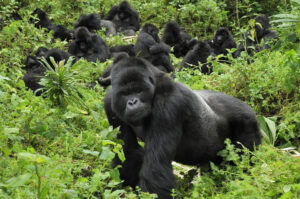
Not just one or two, but the entire group slowly shifts through the forest, feeding, climbing, and disappearing into the dense vegetation. For many travelers on a gorilla trekking adventure in Uganda, this raises an immediate question: why are mountain gorillas always on the move?
Understanding mountain gorilla behavior in Uganda reveals a fascinating world of survival, intelligence, and social dynamics. These gentle giants are not wandering aimlessly—they are following a rhythm shaped by nature, leadership, and the rich ecosystems of places like Bwindi Impenetrable National Park and Mgahinga Gorilla National Park.
In this guide, we uncover 7 fascinating secrets behind their constant movement—insights that will not only deepen your appreciation of these incredible primates but also help you better understand what to expect during your gorilla trekking experience.
Why Uganda Is the Best Place to Experience Mountain Gorillas
There is something unforgettable about encountering mountain gorillas in the wild. One moment you are trekking through dense rainforest, guided only by distant sounds and broken branches—and the next, you are face to face with a gorilla family quietly going about their day.
In Uganda, this experience feels raw, real, and deeply personal.
The country is home to more than half of the world’s remaining mountain gorillas, making it one of the most important places on Earth to observe them in their natural habitat. These forests are not just where gorillas live—they are where they feed, interact, and move constantly as part of their daily lives.
The most famous destination for this experience is Bwindi Impenetrable National Park, a vast rainforest known for its incredible biodiversity and dense vegetation. Trekking here is an adventure in itself, often involving steep slopes and winding trails that lead you deep into the gorillas’ world.
You can also explore Mgahinga Gorilla National Park, a smaller but equally rewarding destination set along the Virunga Mountains. Its open landscapes and dramatic scenery offer a different, yet equally captivating, trekking experience.
What makes Uganda truly special is the unpredictability of each encounter. Gorilla families do not stay in one place—they move through the forest as they feed and interact, meaning every trek unfolds differently.
This is where understanding mountain gorilla behavior in Uganda becomes essential. Their constant movement is not random; it is a natural rhythm shaped by food, environment, and social structure.
As a visitor, you are not just watching; you are following that rhythm, step by step, through one of Africa’s most remarkable forest ecosystems.
Where to Find Mountain Gorillas in Uganda
Uganda is one of the very few places in the world where you can see mountain gorillas in their natural habitat. Understanding where to find them not only prepares you for the trek but also helps explain their constant movement.
1. Bwindi Impenetrable National Park
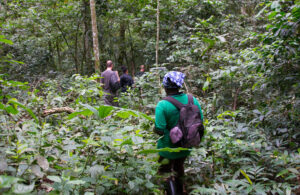 Bwindi is the most famous gorilla destination in Uganda, a UNESCO World Heritage Site that hosts multiple habituated gorilla families. Its dense rainforest, steep valleys, and abundant food sources provide a perfect environment for gorillas to thrive. Each day, gorilla families move through the forest in search of fresh leaves, stems, and fruits, giving trekkers a dynamic experience where no two encounters are ever the same.
2. Mgahinga Gorilla National Park
Located in southwestern Uganda along the Virunga Mountains, Mgahinga is smaller and less crowded but equally rewarding. The park’s dramatic volcanic slopes and bamboo forests create a unique habitat for gorillas. Here, visitors often witness gorilla families navigating varying terrains, moving from feeding areas to resting sites, which makes every trek feel intimate and unpredictable.
3. Why Location Matters for Understanding Movement
Both Bwindi and Mgahinga offer prime examples of how mountain gorilla behavior in Uganda is shaped by their environment. Dense forests, availability of food, and terrain all influence daily movement patterns. Knowing where gorillas live helps you appreciate why they are always on the move: they are following natural routines necessary for survival, social interaction, and safety.
The 7 Fascinating Secrets Behind Mountain Gorilla Movement
- Searching for Fresh Food
Mountain gorillas spend most of their day feeding. Their diet mainly includes leaves, stems, bamboo shoots, and occasional fruits. Since food sources are spread across the forest, gorilla families are always on the move to find fresh, nutritious plants. This constant foraging explains why trekkers often see gorillas traveling slowly from one feeding area to another.
- Following the Silverback’s Leadership
The silverback gorilla, the dominant male, guides the family group. He decides when and where to move based on safety, food availability, and group dynamics. The entire family follows his lead, resulting in organized, purposeful movement throughout the forest.
- Avoiding Predators and Disturbances
While adult mountain gorillas have few natural predators, young gorillas can be vulnerable. Movement through the forest also helps reduce risks from potential threats. Additionally, they instinctively adjust their path to avoid human activity or other disturbances, ensuring the group remains safe.
- Social Interaction and Play
Gorillas are highly social animals. Movement allows them to interact with each other—young gorillas play, juveniles explore, and adults maintain social bonds. These interactions often take place while moving from one location to another, making travel a vital part of their social life.
- Seasonal Changes in Food Availability
The forest changes with the seasons. During rainy periods, fresh shoots and leaves are abundant, allowing gorillas to stay in one area longer. In drier periods, they need to move farther to find enough food, which increases their daily travel distance.
- Territorial and Home Range Patterns
Gorilla groups have defined home ranges in the forest. They move regularly within these territories to monitor boundaries, find resources, and maintain their presence. This movement helps prevent conflicts with neighboring groups and ensures each family has enough space to thrive.
- Resting and Nesting Sites
Gorillas build nests to sleep each night. After feeding and socializing during the day, they move to safe, suitable areas for resting. Their choice of nesting sites—often elevated or hidden in dense foliage—contributes to their daily movement patterns.
How Far Do Mountain Gorillas Move Daily?
Mountain gorillas are constantly on the move, but exactly how far do they travel each day? On average, a gorilla family moves about 1 to 2 kilometers (0.6 to 1.2 miles) per day, though this distance can vary depending on several factors.
Factors Influencing Daily Movement
- Food Availability
As we mentioned earlier, gorillas move primarily to find fresh leaves, shoots, and fruits. When food is abundant in one area, they may travel shorter distances. During scarce periods, they cover longer distances in search of nutrition. - Group Size and Composition
Larger groups tend to move more slowly because the silverback ensures that all members—including infants and juveniles—can keep up. Smaller groups may cover ground more quickly but still follow the same daily routine. - Terrain and Season
The dense forests of Bwindi Impenetrable National Park and the volcanic slopes of Mgahinga Gorilla National Park can affect movement. Steep or muddy trails slow travel, while seasonal changes in vegetation can either shorten or lengthen daily ranges.
Implications for Trekkers
Understanding that gorillas move 1–2 kilometers per day helps trekkers prepare for the hike. It also explains why gorilla encounters are dynamic: you may find gorillas resting in one area today, but moving to a different part of the forest tomorrow. This makes every trekking experience unique.
What This Means for Gorilla Trekking
Observing mountain gorillas in the wild is one of the most incredible wildlife experiences in Uganda—but their constant movement has a direct impact on trekking. Understanding mountain gorilla behavior in Uganda can help you prepare and get the most out of your adventure.
1. Treks Are Dynamic
Since gorilla families move throughout the forest each day, trekking times and distances can vary. Some encounters may require a short, leisurely hike, while others may involve longer, steeper trails. Being prepared for this variability ensures you enjoy the experience no matter what.
2. Fitness Matters
While the terrain in Bwindi Impenetrable National Park and Mgahinga Gorilla National Park is manageable, trekkers should be ready for uphill climbs, muddy paths, and dense vegetation. Moderate physical fitness will allow you to follow gorilla families safely and comfortably.
3. Patience Is Key
Mountain gorillas may stop frequently to feed, play, or rest. Trekkers often spend 1–2 hours observing gorillas at a time, but patience is essential. Moving slowly and quietly allows you to witness natural behaviors, from social interactions to foraging patterns.
4. Respect Their Space
Understanding that gorillas move to feed, interact, and maintain safety emphasizes the importance of respecting their environment. Maintain distance, follow your guide’s instructions, and remember that you are a visitor in their home.
5. Every Trek Is Unique
Because of their movement patterns, no two gorilla encounters are the same. One day you might see them resting high in bamboo thickets, and the next day feeding near a stream. This unpredictability is part of the magic and makes each trek an unforgettable experience.
Best Time to See Mountain Gorillas in Uganda
Timing your gorilla trekking adventure in Uganda can enhance your chances of observing gorillas at their most active and relaxed. Their movement patterns are influenced by seasonal changes, which also affect forest accessibility for trekkers.
1. Dry Seasons – Ideal Trekking Periods
Uganda has two dry seasons: December to February and June to September. During these months:
- Trails are less muddy and easier to navigate.
- Gorilla families move less extensively, making them easier to track.
- Sightings tend to be more predictable without compromising natural behavior.
2. Wet Seasons – A Unique Experience
The wet seasons (March to May and October to November) bring lush greenery and abundant food. Gorillas may move more in search of fresh shoots, providing a different perspective on their daily routines. While trekking can be more challenging, the forest scenery is breathtaking, and encounters remain rewarding.
3. Balancing Comfort and Activity
Choosing the best time depends on what you value most: easier hikes and predictability (dry season) or vibrant forest landscapes and active gorillas (wet season). Either way, understanding mountain gorilla behavior in Uganda ensures you are prepared for the rhythms of their daily movements.
4. Tips for Trekking During Any Season
- Wear sturdy, waterproof boots.
- Carry lightweight rain gear during wet months.
- Bring water and snacks for longer treks.
- Follow your guide closely to keep up with gorilla movements safely.
FAQ Section – Mountain Gorilla Behavior in Uganda
Q1: Why don’t mountain gorillas stay in one place?
Mountain gorillas move constantly to find fresh food, maintain social bonds, and ensure safety for the group. Their daily movement is a natural part of their behavior, shaped by forest resources and environmental conditions.
Q2: How far do gorillas travel each day?
On average, gorilla families move 1–2 kilometers (0.6–1.2 miles) daily, though this can vary depending on food availability, group size, and terrain. During dry seasons, distances may be shorter, while in wet seasons they can travel farther for fresh vegetation.
Q3: Do gorillas sleep in the same spot every night?
No. Mountain gorillas build new nests each night from vegetation, usually in a safe and secluded area. This daily movement ensures they rest in secure locations while spreading out over their home range.
Q4: How do guides find gorillas each day?
Ugandan guides and trackers follow habituated gorilla families using prior knowledge of their movement patterns, recent sightings, and tracking techniques. Understanding gorilla behavior in Uganda helps guides predict where families are likely to be that day.
Q5: Are gorillas dangerous when moving?
Mountain gorillas are generally peaceful and shy. They may display defensive behaviors if threatened, but as long as trekkers maintain a safe distance and follow guide instructions, encounters are safe and rewarding.
Your Safari is now
Mountain gorillas in Uganda are not just majestic—they are constantly on the move, following natural rhythms shaped by food, social bonds, and their environment. Understanding mountain gorilla behavior in Uganda adds a deeper layer of appreciation to every trekking adventure, helping you witness these incredible primates in their most authentic state.
From the dense forests of Bwindi Impenetrable National Park to the volcanic slopes of Mgahinga Gorilla National Park, each trek offers a unique story of gorilla families moving, feeding, and interacting. No two encounters are ever the same, which is what makes gorilla trekking one of the most unforgettable wildlife experiences in the world.
Ready to Experience These Gentle Giants?
Join us on a guided gorilla trekking adventure in Uganda and witness firsthand the fascinating movement of mountain gorillas. With expert guides, well-planned treks, and the chance to observe these amazing creatures in their natural habitat, this is an experience you’ll never forget.
Contact us to book your Uganda gorilla trekking safari today and follow the footsteps of the forest giants!
Affordable 3-Day Gorilla Trekking Uganda Safari tour
7 Days Uganda Birding Tour | Shoebills, Chimps, Gorillas, & More
10 Days Big 5 Safari in Uganda | gorillas, Chimps,Big Game & Culture
12 Days Uganda Safari, Big Five, Chimps, Gorillas and Culture