Big 5 vs Mountain Gorillas: Two Ecosystems, One Ultimate Safari
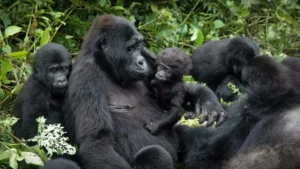
The Big 5 vs Mountain Gorillas — it is one of Africa's greatest wildlife debates. On one side stand the legendary lion, leopard, elephant, buffalo, and rhino — five icons of the African savannah that have defined safari travel for over a century. On the other stands a single species so rare, so intelligent, and so emotionally overwhelming that travellers consistently describe the encounter as the single greatest moment of their lives.
Which experience truly wins? And does any country on earth let you experience both on one safari?
The answer to that last question is yes — and that country is Uganda.
At Tulambule Uganda Safaris, we have been guiding travellers through Big 5 game parks and mountain gorilla forests for years. In this ultimate guide, we put these two iconic African wildlife experiences head to head across seven categories: ecosystems, strength and power, intelligence, rarity, survival story, touristic value, and conservation impact. By the end, you will know exactly which experience is right for you — and why Uganda may be the only destination that truly delivers both.
What Is the Big 5?
The term "Big 5" was coined by big-game hunters in colonial Africa during the late 19th century. It refers to the five animals considered the most dangerous and difficult to hunt on foot: the African lion, African elephant, African leopard, Cape buffalo, and rhinoceros.
Today, the term has been completely reimagined. Rather than a hunter's checklist, the Big 5 is now the world's most iconic wildlife bucket list — a symbol of Africa's extraordinary biodiversity and the reason millions of travellers book a safari every year. According to National Geographic, these five species are celebrated not just for their size and danger but for their extraordinary adaptations and their symbolic role in wildlife conservation.
In Uganda, you can see all five Big 5 animals across a combination of parks. Murchison Falls National Park and Queen Elizabeth National Park host lions, elephants, leopards, and buffalo, while the Ziwa Rhino Sanctuary protects Uganda's growing white rhino population through an unforgettable on-foot rhino trekking experience.
What Are Mountain Gorillas?
Mountain gorillas (Gorilla beringei beringei) are a subspecies of the eastern gorilla and one of the rarest animals on earth. As of 2026, only approximately 1,063 individuals remain in the wild, according to the IUCN Red List — the world's most authoritative conservation database. They live exclusively in the high-altitude rainforests of Uganda, Rwanda, and the Democratic Republic of Congo.
Unlike the Big 5, which can be found across multiple African countries, mountain gorillas exist in only one narrow band of ancient forest on the entire planet. Every trek to see them is a genuinely irreplaceable privilege.
In Uganda, gorilla trekking takes place in two national parks: Bwindi Impenetrable National Park — a UNESCO World Heritage Site protecting over 20 habituated gorilla families — and Mgahinga Gorilla National Park, set within the dramatic Virunga Volcano range. A Uganda gorilla trekking permit costs USD 800 per person — nearly half the price of Rwanda's USD 1,500 permit, for the same one-hour encounter with wild mountain gorillas.
The Ecosystems: Where These Animals Live
Understanding the ecosystems behind these wildlife encounters is essential. The Big 5 and mountain gorillas do not just live in different parks — they inhabit completely different worlds. And the ecosystem itself is a core part of the experience.
The African Savannah — Home of the Big 5
The Big 5 are creatures of the African savannah — vast, open grasslands and bushveld that stretch across East and Southern Africa. This ecosystem is defined by:
- Open landscapes with scattered acacia trees, grassy plains, and seasonal rivers
- Dramatic skies and wide horizons that create the classic safari aesthetic
- High animal density — predators, prey, and scavengers all sharing the same terrain
- Seasonal migrations that concentrate wildlife around water sources during dry seasons
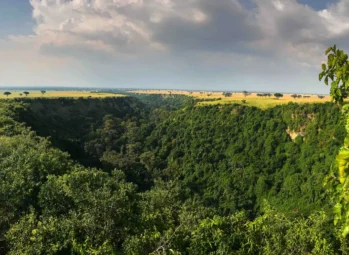
In Uganda, the savannah ecosystem is best experienced in Murchison Falls National Park — Uganda's largest park at 3,893 km² — where the mighty River Nile carves through the landscape and the famous Murchison Falls plunges 45 metres into a dramatic gorge. Queen Elizabeth National Park adds another dimension with its network of crater lakes, the Kazinga Channel, and the world-famous tree-climbing lions of Ishasha — a behaviour found in very few places on earth.
The savannah experience is immersive in a different way from gorilla trekking. You are in an open vehicle, covering large distances, scanning the horizon — and the sheer scale of the landscape is part of the magic.
The Albertine Rift Rainforest — Home of the Mountain Gorilla
Mountain gorillas live in one of the most biodiverse ecosystems on earth — the Albertine Rift, a branch of the East African Rift Valley that runs along the western border of Uganda. This ancient ecosystem is dramatically different from the savannah in almost every way:
- Dense, layered rainforest with towering trees, thick undergrowth, and a permanent canopy that blocks the sun
- High altitude terrain — Bwindi sits between 1,160 and 2,607 metres above sea level, creating cool, misty conditions year-round
- Extraordinary biodiversity — Bwindi alone harbours over 120 mammal species, 350+ bird species (including 23 Albertine Rift endemics), 310 butterfly species, and over 1,000 plant species
- Ancient geology — Bwindi is one of Africa's oldest forests, estimated to be over 25,000 years old, having survived the last Ice Age when most African forests disappeared
Mgahinga Gorilla National Park adds volcanic drama to this ecosystem — the park sits at the base of three Virunga volcanoes, and gorilla treks here take place through bamboo forests and afro-montane vegetation on the slopes of dormant volcanoes.
This rainforest ecosystem shapes the gorilla trekking experience entirely. You are not in a vehicle scanning open plains — you are on foot, inside a living, breathing ancient forest, moving slowly through dense vegetation with your senses fully engaged. The sounds, the smells, the humidity, and the sudden silence when your ranger signals that the gorillas are close — it is unlike any other wildlife encounter on earth.
Why Uganda Sits at the Intersection of Both
Uganda's remarkable position on the map — straddling the East African savannah to the north and east, and the Albertine Rift rainforest to the west — means it is the only country where both ecosystems are accessible on a single safari itinerary. No other country offers this combination. Kenya and Tanzania are primarily savannah. Rwanda and DRC are primarily forest. Uganda alone delivers both worlds.
Explore our Uganda wildlife safaris to see how we combine these two extraordinary ecosystems into one seamless adventure.
The Showdown: Big 5 vs Mountain Gorillas Head to Head
1. Strength and Power
The Big 5 are formidable in every sense. A male African lion can weigh up to 225 kg and bring down prey three times its size. The African elephant is the largest land mammal on earth, weighing up to 6,000 kg and capable of uprooting full-grown trees. The Cape buffalo — arguably the most dangerous of the five — is responsible for more hunter deaths in Africa than any other Big 5 animal. The leopard is pound for pound one of the strongest cats alive, capable of hauling prey twice its body weight up a tree. The rhino, despite weighing over 1,000 kg, can charge at 55 km/h.
Mountain gorillas are no less impressive in raw power. A silverback male weighs up to 270 kg and possesses strength estimated at 10 times that of an adult human male. Their arm span reaches 2.6 metres. They can bend steel bars, rip apart dense vegetation, and project a charge that stops most threats immediately — yet in the presence of respectful visitors, they remain remarkably calm and gentle.
Verdict: The Big 5 wins on collective raw power. But in terms of individual strength-to-intelligence ratio, the silverback gorilla stands alone.
2. Intelligence
This category belongs decisively to the mountain gorilla.
The Big 5 are intelligent animals. Elephants are famous for their long memories, complex grief rituals, and extraordinary social bonds. Lions coordinate hunts with tactical precision. Leopards are cunning and highly adaptive.
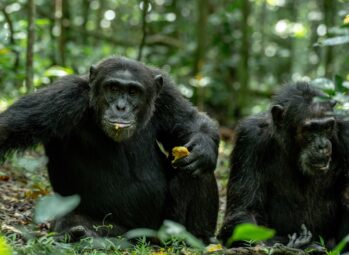
But mountain gorillas share approximately 98.3% of their DNA with humans — making them our second-closest living relatives after chimpanzees. They communicate through over 25 distinct vocalisations. They use tools, solve problems, demonstrate empathy, and form deep social bonds. Gorillas in captivity have learned sign language and expressed emotions including joy, sadness, and affection.
When you sit just metres from a wild gorilla family and make eye contact with a silverback, you are not watching an animal perform — you are meeting a distant relative. That moment of recognition is what makes gorilla trekking transformative in a way that no game drive can replicate.
Verdict: Mountain gorillas win clearly. No other safari experience creates this depth of emotional and intellectual connection.
3. Rarity and Uniqueness
The Big 5 can be found across multiple African countries — Kenya, Tanzania, South Africa, Botswana, Zimbabwe, and Uganda all offer Big 5 safaris. Sightings are never guaranteed, but dedicated game parks make them highly possible.
Mountain gorillas exist in only three countries on earth and in only two isolated forest ecosystems. With just 1,063 individuals alive today, a mountain gorilla encounter is one of the rarest wildlife experiences available to any traveller anywhere on the planet. You cannot see mountain gorillas in a zoo — no captive mountain gorilla population exists. The only way to see them is to go to them, deep inside their ancient rainforest, on their terms.
Verdict: Mountain gorillas win convincingly. The Big 5 is iconic — but gorilla trekking is genuinely irreplaceable.
4. Wildlife Survival Story
Both experiences are connected to powerful conservation stories — but the mountain gorilla's survival story is one of the most extraordinary in modern wildlife history.
The Big 5 face serious ongoing threats. Black rhinos remain critically endangered with only around 6,000 individuals globally. Lion populations have declined by over 40% in three decades. Elephant poaching for ivory continues despite international bans.
The mountain gorilla story is different. In the 1980s, fewer than 250 mountain gorillas survived. Through decades of anti-poaching patrols, veterinary interventions, habitat protection, and — critically — the revenue generated by gorilla trekking tourism, the population has grown to over 1,063 today. In 2018, the IUCN officially downgraded their status from "Critically Endangered" to "Endangered" — a milestone that few large mammals have ever achieved.
Your USD 800 gorilla permit directly funds the rangers, patrols, and community programmes that make this recovery possible. When you trek gorillas with Tulambule Uganda Safaris, you are not just a tourist — you are an active participant in one of conservation's greatest success stories.
Verdict: The gorilla survival story is more compelling and more directly connected to each individual visitor's role.
5. Touristic Value and Booking Experience
A Big 5 safari is a classic, well-established experience. Game drives in open vehicles across sweeping savannahs, expert guides, dramatic landscapes, and the electric thrill of spotting predators in the wild — it is everything the word "safari" evokes.
Gorilla trekking is something entirely different. You wake before dawn. You hike through dense rainforest — sometimes for one hour, sometimes for seven — following trained rangers tracking a specific gorilla family. When you find them, you have exactly one hour. No vehicle. No fence. No barrier. Just you, a maximum group of eight visitors, and a wild gorilla family going about their daily lives a few metres away.
Travellers who have done both consistently describe gorilla trekking as the more emotionally powerful of the two. Many call it the greatest single moment of their lives. For a deeper comparison of Uganda's primate experiences, read our guide on gorilla trekking vs chimpanzee trekking in Uganda.
Verdict: Both are world-class. But gorilla trekking delivers a level of personal intensity and emotional connection that even the greatest Big 5 game drive rarely matches.
6. Can You Combine Both? The Uganda Advantage
Absolutely — and Uganda is the only country in the world where this is genuinely possible on a single, seamless safari itinerary.
A well-planned Uganda safari of 8 to 10 days can include:
- Murchison Falls National Park — game drives for lions, elephants, leopards, buffalo, and giraffes, plus a boat cruise to the base of the most powerful waterfall on earth
- Ziwa Rhino Sanctuary — rhino trekking on foot to complete your Big 5
- Kibale National Park — chimpanzee trekking in the primate capital of East Africa, home to the highest concentration of primates on the continent
- Queen Elizabeth National Park — tree-climbing lions, hippos, elephants, and the famous Kazinga Channel boat cruise
- Bwindi Impenetrable National Park — mountain gorilla trekking, the undisputed highlight of any Uganda safari
Our 7-day gorilla and chimpanzee safari is one of our most popular combined itineraries — pairing primate encounters with classic wildlife game drives across Uganda's two greatest national parks.
No other country combines this breadth of ecosystems and wildlife in one accessible itinerary. Kenya and Tanzania are superb for Big 5 — but they have no gorillas. Rwanda is outstanding for gorilla trekking — but offers more limited Big 5 options. Uganda alone delivers the complete package.
7. Conservation Impact of Your Visit
Every gorilla trekking permit sold directly contributes to conservation funding. Uganda Wildlife Authority allocates a significant portion of permit revenue to community development, anti-poaching operations, and park maintenance. Communities surrounding Bwindi receive direct financial benefits — giving local people a powerful economic reason to protect gorillas rather than harm them.
Big 5 safari parks also generate vital conservation funding, but the connection between an individual visitor's spend and a specific species' survival is less direct.
Verdict: Gorilla trekking wins on direct conservation impact per visitor.
Which Should You Choose?
Choose a Big 5 Safari if:
- This is your first African safari and you want the classic savannah experience
- You want flexibility across multiple African destinations
- You are travelling with young children who may not manage the gorilla trek
- You want game drives, open landscapes, and multiple wildlife encounters per day
Choose Gorilla Trekking if:
- You want a once-in-a-lifetime, deeply personal wildlife encounter
- You are passionate about conservation and want your visit to make a direct difference
- You are comfortable with moderate to strenuous hiking of 1 to 7 hours
- You want an experience that no photograph, documentary, or zoo can replicate
Choose Uganda if:
- You refuse to choose — and want both on the same safari.
Frequently Asked Questions
Is gorilla trekking safe? Yes. All gorilla treks are led by trained Uganda Wildlife Authority rangers. Gorilla families are fully habituated to human presence and incidents are extremely rare. Read our full guide on gorilla trekking safety for complete peace of mind.
How much does a Uganda gorilla trekking permit cost? A Uganda gorilla trekking permit costs USD 800 per person — significantly cheaper than Rwanda's USD 1,500 permit for the same one-hour encounter with wild mountain gorillas in their natural habitat.
Can I see the Big 5 and gorillas on the same Uganda safari? Yes. Tulambule Uganda Safaris specialises in combined Uganda itineraries that include both Big 5 game parks and gorilla trekking in Bwindi. Contact us to build your custom itinerary.
When is the best time for gorilla trekking in Uganda? Gorilla trekking is possible year-round in Uganda. The dry seasons — June to August and December to February — offer easier trekking conditions with firmer trails.
How physically demanding is gorilla trekking? Treks range from 1 to 7 hours depending on where the gorilla family is located that day. A moderate level of fitness is recommended. Porters are available at the trailhead for USD 15 to 20 and are strongly recommended.
How is gorilla trekking different from a Big 5 game drive? The Big 5 safari is a vehicle-based experience across open savannah. Gorilla trekking is a guided forest hike on foot through ancient rainforest, ending in a one-hour face-to-face encounter with a wild gorilla family at close range. Both are extraordinary but they offer entirely different sensory and emotional experiences.
What is the Albertine Rift and why does it matter? The Albertine Rift is one of Africa's most biodiverse ecosystems, running along Uganda's western border. It is the only place on earth where mountain gorillas live. Bwindi Impenetrable National Park, located within the Albertine Rift, is a UNESCO World Heritage Site and the world's most important gorilla habitat.
Does gorilla trekking support conservation? Yes. Every USD 800 permit fee paid to Uganda Wildlife Authority directly funds anti-poaching patrols, ranger salaries, veterinary care, and community development programmes that protect mountain gorillas and their forest habitat.
Africa's Greatest Wildlife Debate Has One Answer — Uganda
The Big 5 vs Mountain Gorillas debate does not have a single winner that fits every traveller. Both experiences rank among the greatest wildlife encounters on earth. Both belong on every serious safari bucket list.
But if you are looking for the one African country that makes the debate irrelevant — the one destination where you do not have to choose, where two completely different ecosystems and two extraordinary wildlife experiences meet on the same itinerary — Uganda is your answer.
More than half the world's remaining mountain gorillas live here, deep inside the ancient Albertine Rift rainforest. The Big 5 roam its vast savannahs. Chimpanzees call its forests home. Over 1,090 bird species fill its skies. And it remains one of the most affordable safari destinations on the African continent.
At Tulambule Uganda Safaris, we design custom Uganda itineraries that combine gorilla trekking with Big 5 game parks, chimpanzee tracking, and cultural experiences — tailored to your budget, timeline, and travel style. Whether you are dreaming of your first African safari or returning for the gorilla encounter you have always promised yourself, we will make it happen.
Contact Tulambule Uganda Safaris today and let us build the Uganda safari that gives you everything Africa has to offer.