Explore the wonders of a birding safari in Lake Mburo National Park, home to diverse habitats, rare bird species, and some of Uganda's most rewarding wildlife experiences.
Start your unforgettable Birding Safari in Lake Mburo National Park
Imagine beginning your day in the heart of western Uganda, where the first light of sunrise gently touches the acacia trees and wetlands of Lake Mburo National Park. The air is calm, broken only by the calls of birds greeting the morning. Suddenly, the stillness is interrupted by the powerful cry of an African Fish Eagle soaring above the lake. Moments later, a flash of color moves through the papyrus reeds another incredible sighting on your journey.
This is exactly what awaits you on a Birding Safari in Lake Mburo National Park an experience that blends nature, discovery, and pure wilderness in one of Uganda’s most rewarding birding destinations.
Despite being Uganda’s smallest savannah national park, Lake Mburo is incredibly rich in biodiversity. With over 350 recorded bird species, it offers an impressive variety of habitats including wetlands, savannah grasslands, acacia woodlands, lakeshores, and papyrus swamps. Each environment supports its own unique birdlife, making every moment of your safari unpredictable and exciting.
What makes a Birding Safari in Lake Mburo National Park truly special is not just the number of species you can see, but the quality of the experience. In a single morning, you might spot the iconic shoebill stork, hear the distinctive call of the grey crowned crane, or capture the vibrant colors of a lilac-breasted roller all while enjoying a peaceful, uncrowded safari atmosphere.
As a tour operator, this is more than just a destination we offer it is an experience designed for travelers who want to connect deeply with nature, slow down, and truly appreciate Uganda’s remarkable birdlife.
In this guide, we’ll take you through everything you need to know to plan the perfect birding adventure in Lake Mburo National Park.
Where is Lake Mburo National Park?
One of the reasons a Birding Safari in Lake Mburo National Park is so popular with travelers is its easy accessibility. The Park is located in western Uganda, along the Kampala–Mbarara highway, making it one of the most convenient national parks to reach from the capital.
Lake Mburo National Park lies approximately 240 kilometers from Kampala, which is about a 3 to 4-hour drive by road. This makes it an ideal destination for both short birding trips and longer Uganda safari itineraries. Unlike other parks that require long travel days, Lake Mburo allows you to leave Kampala in the morning and begin your birding adventure by midday.
For travelers who prefer flying, domestic charter flights are available from Entebbe International Airport or Kajjansi Airfield to Mbarara Airstrip. From there, it is just a short 30–45-minute drive to the park entrance.
The Park is also strategically located between major safari routes, making it a perfect stopover destination for visitors traveling between Kampala, Bwindi Impenetrable National Park, or Queen Elizabeth National Park. This connectivity allows you to easily combine your Birding Safari in Lake Mburo National Park with gorilla trekking or classic big game safaris in Uganda.
Despite its accessibility, the moment you enter Lake Mburo, the atmosphere changes completely. Traffic noise fades, replaced by the sounds of nature birds calling from the wetlands, rustling acacia trees, and the occasional splash of hippos in the lake. It feels like stepping into a completely different world, far removed from the busy city life of Kampala.
This unique combination of easy access and rich biodiversity is what makes Lake Mburo one of Uganda’s most rewarding birding destinations.
Why Choose a Birding Safari in Lake Mburo National Park?
Choosing a Birding Safari in Lake Mburo National Park means choosing one of the most rewarding and accessible birding experiences in Uganda. While the park may be the smallest savannah national park in the country, it offers an impressive concentration of birdlife that surprises many first-time visitors.
With over 350 recorded bird species, Lake Mburo delivers exceptional diversity within a compact area. This means you spend less time traveling between locations and more time actually observing birds in their natural habitats. In a single day, you can move from open savannah plains to papyrus wetlands and lakeshores, encountering completely different bird communities along the way.
Another reason birders love Lake Mburo is its variety of ecosystems. The Park is a mosaic of habitats including acacia woodlands, seasonal wetlands, rocky outcrops, papyrus swamps, and open grasslands. Each habitat supports unique species, making every stop on your safari feel fresh and rewarding.
A Birding Safari in Lake Mburo National Park is also ideal for both beginners and experienced birders. First-time visitors can enjoy easy sightings of colorful and iconic species such as the lilac-breasted roller and grey crowned crane, while experienced birders can search for rarities like the red-faced barbet or the elusive African finfoot.
The Park is also less crowded compared to other major safari destinations in Uganda. This creates a peaceful and immersive birding experience where you can take your time, listen to bird calls, and fully enjoy nature without distractions.
For photographers, Lake Mburo is equally rewarding. The combination of open landscapes, dramatic lighting, and abundant birdlife provides excellent opportunities for capturing stunning wildlife images throughout the day.
Ultimately, what makes a Birding Safari in Lake Mburo National Park truly special is its balance rich biodiversity, easy accessibility, and a relaxed safari atmosphere that allows you to connect deeply with nature.
The Unique Habitats That Make Birding Exceptional
One of the main reasons a Birding Safari in Lake Mburo National Park is so rewarding is the incredible diversity of habitats packed into a relatively small area. These varied ecosystems create the perfect conditions for a wide range of bird species, making every part of the park feel like a completely different birding experience.
Acacia Woodlands
The acacia woodlands are one of the most characteristic landscapes in Lake Mburo. These open, tree-dotted areas are ideal for spotting colorful and active bird species such as the lilac-breasted roller, red-necked spurfowl, and various weavers. The scattered trees also provide perfect perching spots for raptors scanning the ground below.
Open Savannah Grasslands
The rolling savannah plains offer excellent visibility, making it easy to observe both birds and wildlife. This habitat supports species like the ostrich, African wattled lapwing, and several bustards. Early mornings are especially rewarding here, as birds become active while the grasslands are still covered in soft golden light.
Papyrus Swamps
The papyrus wetlands are among the most important birding habitats in the park. These dense reed-filled areas are home to some of the most sought-after species on a Birding Safari in Lake Mburo National Park, including the elusive shoebill stork, papyrus gonolek, and various herons and warblers that depend on this specialized environment.
Lakeshores and Open Water
Lake Mburo itself attracts a wide variety of waterbirds. Here, visitors can enjoy sightings of African fish eagles, pied kingfishers, cormorants, and herons. Boat-based birding offers a unique opportunity to observe these species up close while enjoying the peaceful setting of the lake.
Rocky Outcrops and Hills
The rocky areas of the park provide nesting and lookout points for raptors and other bird species. Birds of prey such as bateleurs and martial eagles are often seen soaring above these elevated landscapes, taking advantage of the open thermals.
Together, these habitats create a rich ecological mosaic that supports an impressive variety of birdlife. It is this diversity that makes every Birding Safari in Lake Mburo National Park feel dynamic, unpredictable, and deeply rewarding for bird enthusiasts.
Top Bird Species to Look Out for on a Birding Safari in Lake Mburo National Park
A Birding Safari in Lake Mburo National Park is one of Uganda’s most rewarding birding experiences because of the park’s rich mix of habitats—wetlands, open savannah, rocky outcrops, and acacia woodland. These diverse ecosystems support over 350 recorded bird species, meaning that almost every section of the park offers something new to observe.
From rare woodland endemics to dramatic raptors and colorful waterbirds, a Birding Safari in Lake Mburo National Park delivers consistent sightings throughout the day. Below is a more detailed guide to the key species you should look out for and what makes each one special.
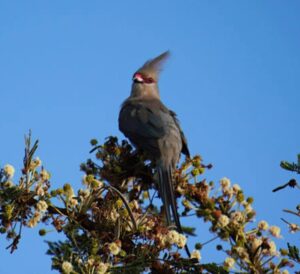 Red-faced Barbet
The Red-faced Barbet is one of the most important target birds on a Birding Safari in Lake Mburo National Park, especially for birders interested in localized species. It is largely associated with dry acacia woodland and savannah edges, where it moves quietly through branches in search of fruit, berries, and insects.
Unlike many flashy birds, it is relatively calm and inconspicuous, often blending into the woodland canopy. However, its soft calls can give away its presence before it is seen. Birders on a Birding Safari in Lake Mburo National Park often rely on early morning walks and experienced guides to locate this species, making sightings particularly rewarding.
African Finfoot
The African Finfoot is one of the most elusive and exciting waterbirds to encounter during a Birding Safari in Lake Mburo National Park. It prefers dense, overhanging vegetation along quiet lakeshores and avoids open water, which makes it difficult to spot even in ideal conditions.
It is usually seen moving slowly along shaded channels or slipping silently between reeds. Its secretive nature means that patience, silence, and careful scanning of water edges are essential. For many birders, seeing an African Finfoot is considered a highlight of a Birding Safari in Lake Mburo National Park, often remembered as a rare and special encounter.
Grey Crowned Crane
The Grey Crowned Crane is one of Uganda’s most iconic bird species and a frequent sight during a Birding Safari in Lake Mburo National Park. It thrives in open wetlands, damp grasslands, and cultivated edges within and around the park.
These elegant birds are often seen in pairs or small groups, sometimes performing graceful courtship dances involving jumps, wing flapping, and bowing displays. Their golden crown of stiff feathers makes them instantly recognizable, especially in the early morning light. Because of their beauty and cultural significance, they are among the most photographed species on a Birding Safari in Lake Mburo National Park.
African Fish Eagle
The African Fish Eagle is one of the most dominant and easily recognizable raptors in the park. On a Birding Safari in Lake Mburo National Park, it is commonly seen perched on tall trees overlooking the lake, where it scans the water for fish.
Its loud, ringing call is often heard long before the bird is seen, adding atmosphere to the lake environment. When hunting, it swoops dramatically toward the water surface, grasping fish with powerful talons. This combination of sound, behavior, and visibility makes it a constant highlight of a Birding Safari in Lake Mburo National Park.
Papyrus Gonolek
The Papyrus Gonolek is a highly specialized wetland bird found in dense papyrus swamps around Lake Mburo. It is an important target species on a Birding Safari in Lake Mburo National Park because of its restricted habitat and striking appearance.
With its bold red underparts and black upper body, it stands out vividly when glimpsed among reeds. However, it is more often heard than seen, producing loud, harsh calls from deep within papyrus stands. Spotting one requires careful listening and slow movement through swamp edges during a Birding Safari in Lake Mburo National Park.
Lilac-breasted Roller
One of Africa’s most colorful birds, the Lilac-breasted Roller is a common and highly photogenic species during a Birding Safari in Lake Mburo National Park. It prefers open savannah and lightly wooded areas where it perches prominently on exposed branches or poles.
Its vivid combination of lilac, turquoise, green, and blue feathers makes it stand out against the dry grasslands. It is often seen hunting insects, small reptiles, and occasionally small mammals. Because it frequently stays still for long periods while perched, it is one of the easiest and most rewarding species to photograph on a Birding Safari in Lake Mburo National Park.
Malachite Kingfisher
The Malachite Kingfisher is a small but striking waterbird commonly found along lakeshores, streams, and marsh edges. During a Birding Safari in Lake Mburo National Park, it is often seen darting from reed perches into the water to catch small fish.
Its shimmering blue back, bright orange underparts, and red bill make it one of the most visually impressive birds in the wetland areas. Despite its bright colors, it can be surprisingly quick and difficult to follow in flight, rewarding patient observers during a Birding Safari in Lake Mburo National Park.
Martial Eagle
The Martial Eagle is one of Africa’s largest and most powerful birds of prey, often soaring high above the savannah during a Birding Safari in Lake Mburo National Park. It is a top predator capable of hunting medium-sized mammals, birds, and reptiles.
Birders usually spot it gliding on thermal currents or perched on tall trees overlooking open plains. Its large wingspan, heavy build, and piercing gaze make it an unforgettable sight. Encounters with this raptor add a sense of drama and scale to any Birding Safari in Lake Mburo National Park.
Bateleur
The Bateleur is a distinctive and acrobatic eagle commonly seen in open areas of the park. It is easily recognized by its short tail, broad wings, and characteristic rocking flight style as it patrols the skies during a Birding Safari in Lake Mburo National Park.
It is often observed early in the morning or late in the afternoon when it takes advantage of rising warm air currents. Its striking coloration and energetic flight behavior make it one of the most visually engaging raptors in the park and a memorable part of a Birding Safari in Lake Mburo National Park.
Best Birding Spots in Lake Mburo National Park
A successful Birding Safari in Lake Mburo National Park depends greatly on visiting the right locations. The Park is compact, but each area offers distinct birding opportunities across different habitats.
Warukiri Wetland
Warukiri is one of the most productive birding areas in the park. It is especially important for wetland species and is a key stop on any Birding Safari in Lake Mburo National Park due to its quiet papyrus channels and rich biodiversity.
Miriti Swamp
Miriti Swamp is another prime wetland area where birders can find papyrus specialists and water-associated species. It is a must-visit site during a Birding Safari in Lake Mburo National Park for those targeting rare wetland birds.
Rubanga Forest
This is the only forested area in the park and supports a different set of species compared to the savannah. It adds important variety to a Birding Safari in Lake Mburo National Park, especially for forest-dependent birds.
Lake Mburo Shores
The lake edges provide excellent opportunities to observe waterbirds and raptors. African fish eagles, kingfishers, and herons are commonly seen here during a Birding Safari in Lake Mburo National Park.
Rwonyo Area and Salt Lick
This area combines open landscapes and wildlife viewing points. It is ideal for spotting savannah birds and raptors while enjoying other wildlife encounters on a Birding Safari in Lake Mburo National Park.
Acacia Woodlands
The woodland zones support a variety of colorful and active species. These areas are essential for birders looking to maximize sightings during a Birding Safari in Lake Mburo National Park.
Each of these locations contributes to the diversity that makes a Birding Safari in Lake Mburo National Park highly rewarding in a short period of time.
What a Typical Birding Safari in Lake Mburo National Park Looks Like
A Birding Safari in Lake Mburo National Park is best experienced over a full day, allowing you to explore different habitats as bird activity changes with time.
Early Morning Birding
The day begins at sunrise when bird activity is at its peak. On a Birding Safari in Lake Mburo National Park, early mornings are ideal for spotting active feeders, listening to bird calls, and enjoying the dawn chorus across wetlands and woodlands.
Mid-Morning Exploration
As the sun rises, birding continues through savannah and woodland areas. This is a productive time on a Birding Safari in Lake Mburo National Park for observing raptors, rollers, and other open-area species.
Afternoon Birding and Relaxation
Afternoons often include a slower pace with boat safaris or shaded birding along the lake edges. A Birding Safari in Lake Mburo National Park during this time offers good chances for waterbirds and relaxed photography.
Evening Birding
Late afternoon brings cooler temperatures and renewed bird activity. On a Birding Safari in Lake Mburo National Park, this is a great time to spot grazing birds returning to roost and to enjoy golden-hour photography.
Throughout the day, a Birding Safari in Lake Mburo National Park offers a balanced rhythm of exploration, observation, and relaxation, making it suitable for both beginners and experienced birders.
Best Time to Visit for a Birding Safari in Lake Mburo National Park
A Birding Safari in Lake Mburo National Park can be enjoyed throughout the year, but certain seasons offer better birding conditions depending on your interests.
Dry Season (June to August and December to February)
The dry season is one of the best times for a Birding Safari in Lake Mburo National Park. During this period, vegetation is thinner, making birds easier to spot. Water sources become concentrated, attracting a variety of species to lakeshores and wetlands. Roads and trails are also more accessible, allowing smooth movement across the park.
Wet Season (March to May and September to November)
The wet season transforms the park into a lush green landscape. A Birding Safari in Lake Mburo National Park during this time is ideal for observing breeding activity and vibrant plumage displays. Migratory species also arrive, increasing bird diversity significantly.
Migratory Bird Period
During the wet months, several Palearctic migratory birds visit the park. This adds an extra layer of excitement to a Birding Safari in Lake Mburo National Park, especially for birders interested in expanding their life lists.
Best Time of Day
Regardless of season, early mornings and late afternoons are the most productive times for a Birding Safari in Lake Mburo National Park. Bird activity is highest during cooler hours, making sightings more frequent and rewarding.
Choosing the right time ensures that your Birding Safari in Lake Mburo National Park delivers the best possible birding experience.
Expert Tips for a Successful Birding Safari in Lake Mburo National Park
To get the most out of your Birding Safari in Lake Mburo National Park, preparation and the right approach make a big difference in the quality of sightings and overall experience.
Hire a Professional Bird Guide
A knowledgeable local guide is essential for a successful Birding Safari in Lake Mburo National Park. Guides can identify bird calls, locate hidden species, and help you spot birds that are often difficult to find on your own.
 Use Quality Binoculars
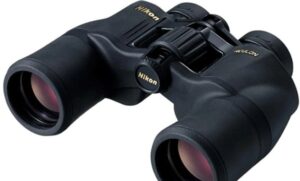 Use Quality Binoculars
Good binoculars are one of the most important tools for a Birding Safari in Lake Mburo National Park. They allow you to observe details such as plumage, behavior, and movement from a safe distance without disturbing the birds.
Dress Appropriately
Neutral-colored clothing helps you blend into the environment during a Birding Safari in Lake Mburo National Park. Lightweight, long-sleeved outfits also protect you from sun and insects while exploring different habitats.
Move Slowly and Quietly
Birds are sensitive to noise and movement. A quiet and patient approach greatly improves your success on a Birding Safari in Lake Mburo National Park, especially in wetlands and forest edges.
Carry a Bird Checklist
Keeping a checklist helps you track sightings and stay engaged throughout your Birding Safari in Lake Mburo National Park. It also enhances the sense of achievement as you identify more species.
Be Patient and Observant
Some of the most rewarding sightings on a Birding Safari in Lake Mburo National Park come from patience. Taking time in one location often reveals hidden or unexpected species.
Stay Hydrated and Prepared
The weather can change quickly, so carrying water and light rain protection ensures comfort during your Birding Safari in Lake Mburo National Park.
Following these tips will significantly improve your chances of having a memorable and productive Birding Safari in Lake Mburo National Park.
Beyond Birding: Wildlife and Experiences in Lake Mburo National Park
While a Birding Safari in Lake Mburo National Park is the main attraction for bird enthusiasts, the park also offers a rich variety of wildlife and activities that make the experience even more rewarding.
Wildlife Encounters
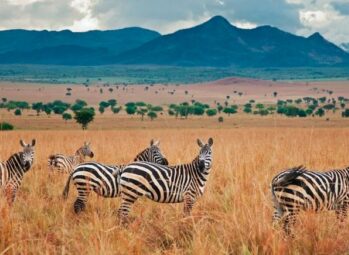
During a Birding Safari in Lake Mburo National Park, visitors often encounter a range of iconic African wildlife. The park is home to zebras, impalas, elands, buffaloes, giraffes, warthogs, and hippos. These animals are frequently seen alongside birding routes, adding excitement to every drive or walk.
Boat Safaris on Lake Mburo
A boat safari offers a different perspective of the park. While enjoying a Birding Safari in Lake Mburo National Park, the lake provides excellent opportunities to see waterbirds, African fish eagles, kingfishers, herons, and cormorants at close range.
Walking Safaris
Guided walking safaris allow visitors to experience nature up close. On a Birding Safari in Lake Mburo National Park, walking trails offer a chance to observe smaller birds, insects, and detailed ecosystem interactions often missed during vehicle-based safaris.
Horseback and Cycling Safaris
Unique activities such as horseback riding and cycling safaris make Lake Mburo stand out. These experiences complement a Birding Safari in Lake Mburo National Park by offering quiet, low-impact ways to explore the savannah and observe wildlife naturally.
Photography Opportunities
The combination of open landscapes, diverse birdlife, and wildlife encounters makes Lake Mburo ideal for photography. A Birding Safari in Lake Mburo National Park provides endless opportunities for capturing both close-up bird shots and scenic safari moments.
Beyond birding, the park offers a complete safari experience that blends wildlife, adventure, and relaxation, making every Birding Safari in Lake Mburo National Park truly unforgettable.
Why Lake Mburo Should Be on Every Birder’s Bucket List
A Birding Safari in Lake Mburo National Park stands out because it combines rich bird diversity, accessibility, and a peaceful safari atmosphere in one destination. Few places in Uganda offer such a rewarding birding experience within such a compact area.
The park’s variety of habitats supports an impressive range of species, from colorful savannah birds to rare wetland specialists. This makes every Birding Safari in Lake Mburo National Park dynamic and full of surprises, even for experienced birders returning for a second or third visit.
Another key advantage is accessibility. Located just a few hours from Kampala, Lake Mburo is one of the easiest national parks to reach, making it perfect for short birding trips or as part of a longer Uganda safari itinerary. Despite its convenience, it still delivers an authentic wilderness experience.
What truly makes a Birding Safari in Lake Mburo National Park special is the sense of calm and intimacy with nature. The park is less crowded compared to other major safari destinations, allowing visitors to enjoy uninterrupted birdwatching, photography, and wildlife observation.
For both beginners and seasoned birders, Lake Mburo offers a perfect balance of comfort, variety, and discovery. It is a destination where every outing feels personal, every sighting feels rewarding, and every moment brings you closer to Uganda’s incredible natural heritage.
Final Thoughts on a Birding Safari in Lake Mburo National Park
A Birding Safari in Lake Mburo National Park is more than just a wildlife experience—it is a journey into one of Uganda’s most peaceful and rewarding natural environments. From the soft calls of wetland birds at sunrise to the colorful flashes of species across the savannah, every moment in the park offers something unique.
Whether you are an experienced birder building your life list or a traveler discovering Uganda’s birdlife for the first time, Lake Mburo delivers a safari experience that is both accessible and deeply fulfilling. Its rich habitats, diverse bird species, and relaxed atmosphere make it one of the best birding destinations in East Africa.
If you are looking for a short getaway or part of a longer Uganda safari, a Birding Safari in Lake Mburo National Park is the perfect choice to connect with nature in an authentic and memorable way.
Plan Your Birding Safari with Us
Ready to experience a Birding Safari in Lake Mburo National Park?
We are here to help you design a personalized birding adventure tailored to your interests, schedule, and budget. Whether you are a solo traveler, group, or photography enthusiast, we can organize everything from transport and accommodation to guided birding experiences.
Contact Us Today
Let us help you turn your Birding Safari in Lake Mburo National Park into an unforgettable African birding experience.
10 Days Big 5 Safari in Uganda | gorillas, Chimps,Big Game & Culture
7 Days Uganda Birding Tour | Shoebills, Chimps, Gorillas, & More
21 Days Uganda Safari: Three Weeks In Uganda