Birding in Bwindi Impenetrable National Park offers over 350 species, including 23 Albertine Rift endemics. Discover how to plan your ultimate Uganda safari.
Birding in Bwindi Impenetrable National Park: Your Ultimate Uganda Safari Guide
Birding in Bwindi Impenetrable National Park – A World-Class Safari Experience
There is a moment, standing on the edge of the ancient rain forest, when the world falls silent. Then, almost imperceptibly at first, the forest awakens. A melodic whistle cuts through the mist. Another answers from the canopy above. Within minutes, the air fills with a symphony of calls, chirps, and songs—the unmistakable sound of one of Africa's most extraordinary birding destinations coming to life.
Birding in Bwindi Impenetrable National Park is not merely a pastime; it is a pilgrimage for bird enthusiasts from every corner of the globe. Nestled in the southwestern corner of Uganda, this UNESCO World Heritage Site is celebrated worldwide for its awe-inspiring gorilla trekking experiences.
Yet beneath the shadow of the giants lies a secret that has captivated ornithologists and casual birdwatchers alike: Bwindi is quite simply one of the premier birding destinations in all of Africa.
This comprehensive guide will take you deep into the heart of Uganda's most famous rain forest. We will explore the astonishing diversity of Bwindi bird species, uncover the best trails for sightings, reveal the optimal seasons for your visit, and show you why birding in Bwindi Impenetrable National Park should be at the very top of every safari enthusiast's bucket list.
Why Bwindi is a Birder's Paradise
Over 350 Species and Counting
What makes birding in Bwindi Impenetrable National Park so exceptional?
The numbers tell a compelling story. Bwindi is home to an astonishing over 350 recorded bird species. This remarkable diversity is not accidental. Bwindi's unique positioning at the intersection of the East African savannah and the West African rain forest creates a melting pot of avian life found nowhere else on the continent.
From the forest floor to the highest canopy, every layer of this ancient ecosystem teems with feathered life. The park's massive altitudinal range—from 1,160 to 2,607 meters—creates diverse ecosystems that support high-altitude specialists and forest-edge species alike. Whether you are a seasoned birder with a lifetime of sightings behind you or a curious traveler picking up binoculars for the first time, Bwindi promises moments of pure wonder.
The Crown Jewels – Albertine Rift Endemics
For serious birders, the true magic of birding in Bwindi Impenetrable National Park lies in its endemic species. Bwindi hosts approximately 23 of the 24 Albertine Rift endemic bird species found in Uganda, making it one of the richest birding sites on the planet for these unique and often elusive birds.
Among the most coveted sightings is the African Green Broadbill (Pseudocalyptomena graueri). This tiny, vibrantly colored bird flaunts brilliant green plumage, and its distinctive call echoes through the forest. Bwindi provides the only reliable habitat in Uganda for this elusive species, making it a true "holy grail" for birders. 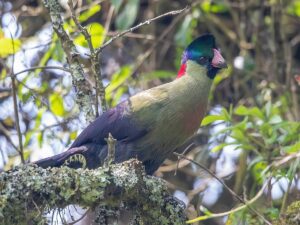
Other Albertine Rift endemics that grace Bwindi's forests include the Shelley's Crimsonwing (Cryptospiza shelleyi), a small finch known for its beautiful crimson plumage; the Rwenzori Turaco, with its striking deep green and crimson plumage and musical calls; the Blue-headed Sunbird; the Grauer's Rush Warbler; and the Rwenzori Batis.
Seeing any of these species in the wild is a reward that stays with you forever.
The Best Birding Trails in Bwindi
Birding in Bwindi Impenetrable National Park is best experienced on foot, following the network of trails that wind through this magnificent forest. The park is divided into four sectors—Buhoma, Ruhija, Nkuringo and Rushaga—each offering unique birding opportunities. Here are the trails that should be on every birder's itinerary.
Mubwindi Swamp Trail – The Crown Jewel
Located in the Ruhija sector at the highest elevations of Bwindi, the Mubwindi Swamp Trail is widely regarded as the park's premier birding route. This three-hour hike through dense montane forest descends to the swamp, a haven for the elusive African Green Broadbill.
The trail also yields sightings of the Grauer's Rush Warbler and the Handsome Francolin. Because of its unique elevation of up to 2,500 meters, Ruhija offers a cooler climate and clearer canopy views than the lower sectors, making it the premier location to check off high-target species like the Regal Sunbird, Archer's Robin-Chat and Strange Weaver.
The Mubwindi Swamp is also home to the Short-tailed Warbler, Blue-headed Sunbird, and Shelley's Crimsonwing.
Waterfall Trail – Buhoma's Finest
In the northern Buhoma sector, the Waterfall Trail offers one of Bwindi's top birding paths. This three-hour excursion is hosted by knowledgeable guides who help visitors spot the forest's most spectacular species.
Ambling along the trail, be sure to look out for the White-tailed Ant Thrush, dapper francolin, the splendid Black Bee-eater, and Yellow-eyed Black and African Sooty Flycatchers along the green bamboo zone.
The trail also winds through unique habitats of this UNESCO World Heritage Site, framed by exotic, emerald vegetation, and leads to the sparkling spectacle of the Munyaga Waterfall.
Bamboo Zone Trail – For the Dedicated Birder
Also located in the Ruhija sector, the Bamboo Zone Trail is one of Bwindi's longest hiking pathways, leading visitors to the park's highest point. A skilled birder can spot the majority of Bwindi's birds in the seven hours it takes to complete this trail. The bamboo zone offers unique habitat for species that prefer higher altitudes, and the clearer canopy views make spotting canopy-dwelling birds significantly easier. This trail is for the dedicated—but the rewards are exceptional.
Munyaga River Trail – Colorful and Accessible
For those with a day or two, the Munyaga River Trail in the Buhoma sector is the best place to see a wide variety of colorful birds. The lower canopy along this trail allows for easier sightings of the rare Short-tailed Warbler, African Broadbill, and the striking Black Bee-eater. The trail is also known for its diverse "mixed feeding flocks" that often include the Yellow-streaked Greenbul and Red-throated Alethe. 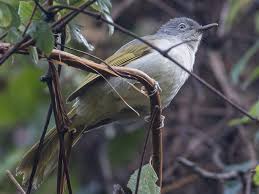
Ivy River Trail – Connecting Sectors
The Ivy River Trail is a hiking route that links the Buhoma and Nkuringo sectors. This 14-kilometer trail takes four to six hours to complete and is considered an excellent birding track due to the numerous species observed along it. Bird enthusiasts using this trail also get the chance to see some of the park's other creatures, plants, water sources, and primates.
When to Go – The Best Seasons for Birding in Bwindi
One of the most common questions asked by travelers planning birding in Bwindi Impenetrable National Park is: when is the best time to visit? The answer, like the forest itself, is layered.
Bwindi's avian residents can be observed year-round, but the best time for bird watching depends on your specific interests.
Dry Season (June to August and December to February)
The dry season is ideal for birdwatchers who prefer clear skies and easier trekking conditions. Birds are more active and visible during this period, and the trails are less muddy, making hiking more comfortable. From a birder's perspective, the best time for bird watching is from late May through September, when there is less rain and food is abundant. June to August is particularly rewarding, with cooler temperatures and stable conditions.
Wet Season (March to May and September to November)
During the wet season, the forest is at its most lush and vibrant. This is an excellent time for birders who want to observe mating rituals and nesting activities. The main nesting season in Bwindi occurs in May and June. The green seasons from September to April are also exceptional, as migratory species arrive, breeding activity increases, and the forest is alive with sound and color, especially for Albertine Rift endemics.
Our Recommendation
For the ultimate experience of birding in Bwindi Impenetrable National Park, we recommend visiting during the dry season months of June to August or the short dry season of December to February. These months offer the perfect balance of excellent bird activity, comfortable trekking conditions, and clear forest views. However, if witnessing nesting behaviors and the arrival of migratory species is your priority, the wet seasons offer equally rewarding—though muddier—experiences.
Essential Tips for Birding in Bwindi
To make the most of your birding in Bwindi Impenetrable National Park experience, preparation is key. Here are essential tips to ensure your safari is unforgettable.
Engage a Local Guide
The most important piece of advice for any birder visiting Bwindi is to engage the services of an experienced local guide. These guides are intimately familiar with the park's bird life and their habits. They know the calls, the hiding spots, and the best times to find even the most elusive species. Birding in Bwindi Impenetrable National Park with a local expert transforms a good experience into an extraordinary one.
Pack the Right Gear
A good pair of binoculars, a field guide to East African birds, and comfortable walking shoes are essential. The forest trails can be steep and slippery, especially during the wet season, so sturdy hiking boots are highly recommended. A lightweight rain jacket is also essential, as Bwindi's rain forest climate means rain can fall even during the dry season.
Practice Patience
Birding in Bwindi Impenetrable National Park sometimes requires patience. Find a comfortable spot, be patient, and let the birds come to you. The forest rewards those who wait, and some of the most magical sightings happen when you least expect them.
Combine with Gorilla Trekking
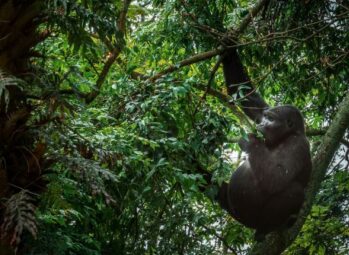
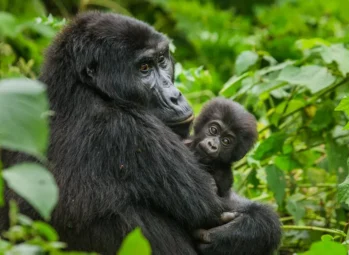
One of the greatest advantages of birding in Bwindi Impenetrable National Park is the opportunity to combine it with gorilla trekking. Birdwatchers often spend their mornings tracking birds and their afternoons trekking to see the gentle giants of Bwindi. This combination transforms what might be downtime between primate sightings into additional wildlife opportunities, creating a richer, more layered forest experience.
Planning Your Bwindi Birding Safari
Birding Permits and Costs
Anyone wishing to go bird watching in any of Bwindi's sectors must obtain authorization, which includes a birding permit. The cost of the Bwindi bird watching permit is $40 for foreign non-residents, $30 for foreign residents and 30000 ugx for East Africans. It is advisable to book your permits well in advance, especially if you are visiting during the peak dry seasons.
Getting to Bwindi
Bwindi Impenetrable National Park is located in southwestern Uganda. The most common access points are by road from Kampala or Entebbe (a 7-9 hour drive) or by charter flight to one of the nearby airstrips. Your safari operator will handle all logistics, ensuring a seamless journey from arrival to departure.
Accommodation
Bwindi offers a range of accommodation options, from high-altitude eco-lodges to premium forest lodges. Staying within or close to the park ensures early morning access to the trail heads, when bird activity is at its peak.
The Tulambule Difference
Now that you know what makes birding in Bwindi Impenetrable National Park one of Africa's greatest wildlife experiences, the question becomes: who do you trust to make it happen?
Since 2014, Tulambule Uganda Safaris has been crafting authentic, locally guided safari experiences across Uganda, Rwanda, Kenya, and Tanzania. The name Tulambule means "Let's Go Safari"—and that is exactly what we have been doing for over a decade.
What sets Tulambule apart? We are a 100% Ugandan-owned safari company headquartered in Kampala. Our guides know Bwindi's trails because they have walked them hundreds of times. They know which sectors are quietest in peak season, where the best bird sightings are, and how to make every moment of your safari unforgettable. No international operator can offer that local depth.
Our services include birding tours, gorilla trekking, chimpanzee tracking, Big Five wildlife safaris, and cultural experiences across Uganda, Rwanda, Kenya, and Tanzania. We also handle air ticketing and travel insurance, making us a true one-stop travel partner.
Every itinerary we build is personal. Every guide we send is Ugandan. And every experience we design puts conservation and community at the centre. A portion of every permit goes directly to Uganda Wildlife Authority for protection programmes, and we actively support community-based tourism initiatives that put money into the hands of the communities surrounding our national parks.
When you travel with Tulambule, you travel with purpose.
Start Your Bwindi Birding Adventure Today
Birding in Bwindi Impenetrable National Park is more than a safari—it is a journey into one of the most bio-diverse places on Earth. From the vibrant African Green Broadbill to the majestic Rwenzori Turaco, from the misty highlands of Ruhija to the lush riverine forests of Buhoma, every moment in Bwindi promises discovery, wonder, and the kind of memories that last a lifetime.
Whether you are a dedicated birder chasing Albertine Rift endemics or a traveler seeking to combine world-class bird watching with gorilla trekking, Bwindi delivers. And with Tulambule Uganda Safaris by your side, you can be assured of a seamless, authentic, and unforgettable experience.
The forest is waiting. The birds are singing. Your adventure begins now.
Contact Tulambule Uganda Safaris Today
Ready to plan your ultimate birding in Bwindi Impenetrable National Park safari? Tulambule Uganda Safaris is here to help. Our expert team will craft a personalized itinerary that matches your interests, budget and travel style.
Contact us now to start planning your dream Uganda safari. Let's go safari—together.
17 Days Remarkable Uganda Birding Tour: Shoebills, Albertine Rift Endemics & Great Apes
Amazing 5-Day Uganda Birding Tour: Shoebills, Green-Breasted Pitta, and Chimpanzees
7 Days Uganda Birding Tour | Shoebills, Chimps, Gorillas, & More