Is gorilla trekking ethical? It is one of the most common questions travellers ask before booking a gorilla safari, and it deserves an honest answer. More and more visitors care about sustainable travel and the welfare of the animals they go to see, and mountain gorillas are among the most endangered great apes on earth.
Most debates about animal tourism focus on captive animals. Gorilla trekking is different: you visit wild gorillas in their own forest, for one short hour, under strict rules. But getting close to wild apes still carries real risks, and the history of the gorilla parks is not entirely positive. In this guide, we look at both sides and explain how to trek gorillas in a way that truly helps them.

Is Gorilla Trekking Ethical? The Short Answer
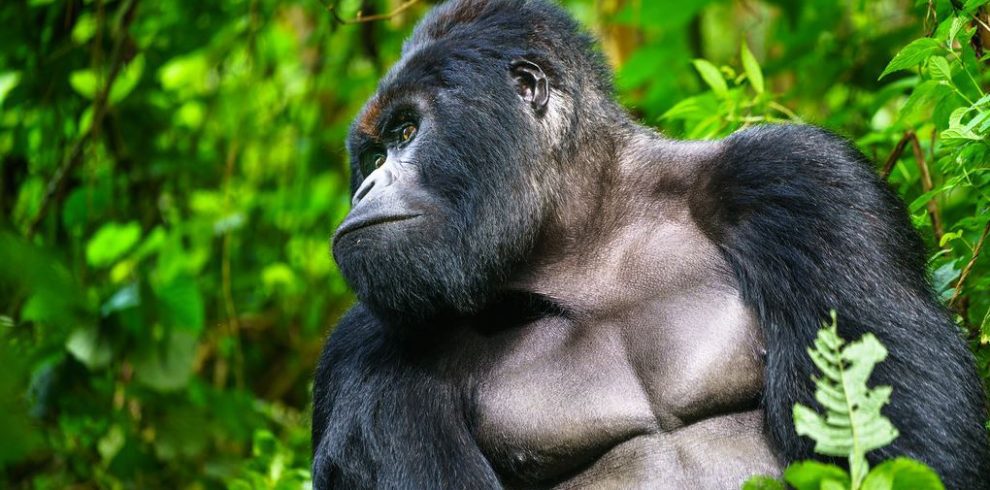
Yes, gorilla trekking is ethical when it is done responsibly. Well-managed gorilla tourism is one of the main reasons mountain gorillas are still alive today. Permit fees pay for rangers, anti-poaching patrols, vets and research, and they give local communities a reason to protect the forest.
The risks are real too, especially the spread of human diseases. That is why the rules matter so much, and why your choices as a traveller make a difference.
| Where | Bwindi and Mgahinga (Uganda), Volcanoes National Park (Rwanda) |
| Group size | Maximum 8 visitors per gorilla family per day |
| Time with gorillas | 1 hour (up to 4 hours on the habituation experience) |
| Distance | Stay at least 7 metres away |
| Uganda permit | US$800 per person |
| Conservation status | Endangered (IUCN), improved from Critically Endangered in 2018 |
Why People Ask If Gorilla Trekking Is Ethical

Mountain gorillas share about 98% of their DNA with humans. That closeness is what makes meeting them so moving, but it also means they can catch human illnesses such as colds, flu and other respiratory infections, and they have little natural resistance to them.
Some researchers have also raised concerns about stress. When tourism stopped almost completely in 2020, rangers in Bwindi reported a noticeable rise in gorilla births, which led some to wonder whether daily visits affect the gorillas' well-being. The evidence is still debated, but it is a reminder that every visit has an impact.
How Gorilla Tourism Saved the Mountain Gorilla
In the 1960s, the American primatologist Dian Fossey began studying mountain gorillas in the Virunga Mountains. By the early 1980s, only about 250 were left in the wild, threatened by poaching, habitat loss and war. Her work brought their plight to the world's attention.
In 1991, Uganda created Bwindi Impenetrable National Park and Mgahinga Gorilla National Park. Together with Volcanoes National Park in Rwanda and Virunga National Park in DR Congo, these parks now protect every mountain gorilla on earth from:
- Habitat loss and deforestation
- Poaching and snares set for other animals
- The spread of human diseases
- Conflict and political unrest
- Hunting for bushmeat
- Human-wildlife conflict with nearby farms
Some gorilla families were then habituated, a slow process of getting them used to calm human presence over two to three years. Only then could small groups of visitors trek to see them.
Is Gorilla Trekking Helping Conservation?

The results speak for themselves. Recent surveys count more than 1,000 mountain gorillas, roughly four times the number in the early 1980s. In 2018, the IUCN moved the species from Critically Endangered to Endangered, one of the few great ape success stories.
Part of the reason is that Uganda and Rwanda have resisted the temptation to cash in on high demand. Permits are limited, each habituated family can be visited by only one group of 8 people a day, and visits last one hour. Compare that with places where dozens of jeeps crowd around a single animal.
The money also reaches the people who live next to the forest. The Uganda Wildlife Authority shares part of its park revenue with neighbouring communities, funding schools, clinics and water projects. When local families benefit from gorillas, they become their protectors.
Gorilla Trekking Rules That Protect the Gorillas

Strict rules are what make gorilla trekking ethical. Your guides will brief you before the trek, but these are the most important:
- Do not trek if you are ill: even a cold or sore throat can be dangerous for gorillas. Tell your guide, and you may be able to reschedule.
- You need a permit: permits are limited and must be bought in advance. In Uganda, a gorilla trekking permit costs US$800.
- Keep your distance: stay at least 7 metres away and never touch the gorillas. If a gorilla comes closer, stay still, look down and let it pass.
- Wear a mask if asked: masks reduce the risk of spreading infections, and parks may require them at times.
- Stay quiet and in your group: no flash photography, no eating near the gorillas, and turn away to cough or sneeze.
- Leave nothing behind: carry out all litter.
Read our full guide to gorilla trekking safety for more.
The Rights of the Batwa People

An honest answer to "is gorilla trekking ethical" must include the Batwa. These forest people lived in the Bwindi and Mgahinga forests for centuries as hunter-gatherers. When the parks were created in the early 1990s, they were moved out, largely without consultation or compensation.
Many Batwa families still live on the edges of the parks, often without land of their own, and face poverty and discrimination. The Batwa did not eat gorillas and had lived alongside them for generations, yet they lost the most when the forest was closed.
What You Can Do as a Responsible Traveller

- Support Batwa-led tourism: join the Batwa Trail in Mgahinga or a Batwa cultural experience near Bwindi. Batwa guides share their forest skills, music and history, and the income goes directly to their community. You can learn more about their situation from Minority Rights Group.
- Hire a porter: porters come from local villages, some of them former poachers. Hiring one, usually around US$15 to US$20 a day plus a tip, shows that gorillas are worth more alive.
- Stay at community-friendly lodges and buy crafts directly from local cooperatives.
- Choose a responsible local operator that follows the rules and employs local guides and drivers.
- Respect local people: always ask before taking photos.
If you are visiting Rwanda as well, take time to visit the Kigali Genocide Memorial. The 1994 genocide remains a painful memory, so avoid asking people about their ethnic background.
Veterinary Care and Health Protection

The Uganda Wildlife Authority employs vets in the gorilla parks, and Gorilla Doctors treat sick and injured mountain gorillas in Uganda, Rwanda and DR Congo.
Conservation Through Public Health (CTPH), founded by Ugandan wildlife vet Dr Gladys Kalema-Zikusoka, works to improve the health of people and livestock around Bwindi. Healthier communities mean less disease passed between people and gorillas, and the team also studies how tourism affects gorilla health.
Common Myths About Gorilla Trekking
- "The gorillas are fed or lured to tourists." They are not. Gorillas are never fed or baited. Trackers go ahead each morning to find where the family nested the night before, and you trek to wherever the gorillas choose to be.
- "Gorillas are tame." Habituated gorillas are calm around people, but they are still fully wild. They feed, rest, play and travel as they always would, and the silverback stays in charge.
- "Every gorilla family is visited." Only a small number of families are habituated for tourism. Many gorillas in Bwindi and the Virungas never see tourists at all, and some families are kept only for research.
- "Cheaper permits would be better." High permit prices are deliberate. They keep visitor numbers low and raise the money needed to protect the parks.
Is Gorilla Trekking More Ethical in Uganda or Rwanda?
Both countries follow the same core rules: limited permits, groups of 8, one hour with the gorillas and strict health checks. Both also share tourism income with communities living near the parks.
The main difference for travellers is cost and choice. A Uganda permit costs US$800, compared with US$1,500 in Rwanda, and Uganda has more habituated families spread across Bwindi and Mgahinga, which spreads visitor pressure. Uganda is also where you can join the longer gorilla habituation experience. Whichever you choose, booking through a responsible operator matters more than the country itself.
Gorilla Trekking vs the Habituation Experience
Standard gorilla trekking gives you one hour with a fully habituated family. In Bwindi, you can also join the gorilla habituation experience, spending up to four hours with researchers and rangers as they help a gorilla family get used to people. Permits cost US$1,500, rising to US$1,800 from January 2027.
Both are well controlled. The habituation experience is limited to very small groups, and it helps fund the long, careful work of preparing new families for tourism.
How to Choose an Ethical Gorilla Safari Operator
The company you book with shapes how ethical your gorilla trek really is. Before you pay a deposit, ask these questions:
- Is the operator licensed by the Uganda Tourism Board and registered with the Uganda Wildlife Authority?
- Does it buy gorilla permits officially, and send you a copy in your name?
- Does it employ local guides and drivers, and pay them fairly?
- Does it brief guests on the trekking rules and support rescheduling if a guest falls ill?
- Does it recommend community-friendly lodges and include local experiences such as Batwa-led visits?
An operator that answers yes to all five is helping make gorilla trekking ethical, not just selling a ticket to see gorillas.
Is Gorilla Trekking Ethical? Our Conclusion

Gorilla trekking does carry risks, mainly the spread of disease, and it has a difficult history with the Batwa. But on balance, well-managed gorilla tourism is one of the strongest forces keeping mountain gorillas alive.
Every permit helps pay for rangers, vets, monitoring and community projects. Every traveller who stays in local lodges, hires local guides and porters, and buys local crafts helps build communities that see the gorillas as worth protecting.
So if you go, go responsibly: follow the rules, listen to your guides, and if you are unwell, even with a sniffle, do not trek.
Responsible Gorilla Safaris With Tulambule
As a 100% Ugandan-owned operator planning gorilla safaris since 2014, we employ local guides and drivers, work with community-friendly lodges, and include Batwa cultural visits on request. These trips are a good place to start:
6-Day Luxury Rwanda and Uganda Gorilla Tour

3 Days Fly-In Gorilla Safari Uganda
3 Day Gorilla Trekking Uganda Tour
See all our Uganda gorilla safaris, or read more about how hard gorilla trekking is, Uganda vs Rwanda gorilla safaris and Bwindi Impenetrable National Park.
FAQs: Is Gorilla Trekking Ethical?
Is gorilla trekking ethical?
Yes, when it is done responsibly. Limited permits, small groups, one-hour visits and strict health rules protect the gorillas, while permit fees fund rangers, vets and community projects.
Does gorilla trekking harm gorillas?
The main risk is the spread of human diseases. Following the rules, keeping your distance, wearing a mask when asked and never trekking when unwell keep that risk low.
How does gorilla trekking help conservation?
Permit fees pay for park protection, anti-poaching patrols and veterinary care, and part of the revenue goes to local communities. Mountain gorilla numbers have risen to more than 1,000 since tourism began.
How long can you spend with the gorillas?
One hour on a standard trek, with a maximum of 8 visitors per family. The habituation experience in Bwindi allows up to four hours.
How can I make my gorilla trek more ethical?
Follow the rules, hire a local porter, stay at community-friendly lodges, support Batwa-led tourism and book with a responsible local operator.
Can children go gorilla trekking?
No. The minimum age for gorilla trekking is 15 years. This protects young visitors on difficult terrain and reduces the risk of passing common childhood illnesses to the gorillas.