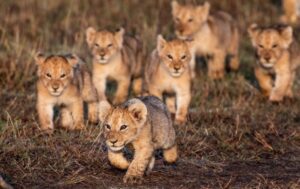
Lions in Africa are the ultimate icons of the wilderness. They are revered for their majestic appearance, impressive hunting skills, and fascinating social structures. These apex predators symbolize the untamed beauty of the African savanna, and they remain the single most requested sighting on any safari in Africa.
Nowhere is that more true than in East Africa. The region holds the highest concentration of lion prides on the continent, and it is home to the destinations behind almost every classic lion photograph you have ever seen.
This guide covers the best places to see lions in Africa. It focuses on the East African parks that consistently deliver the strongest sightings, along with the best time to travel, what to pack, and how to photograph a pride once you find one.
How Many Lions Are Left in Africa?
Lion numbers have dropped sharply over the past century. Fewer than 25,000 wild lions remain across the continent today, according to estimates from the African Wildlife Foundation. That is a steep decline from the hundreds of thousands that roamed Africa just a few generations ago.
East Africa remains one of the last true strongholds. The Serengeti-Mara ecosystem, Ngorongoro Crater, and Uganda's national parks all support stable or growing prides. This is largely thanks to consistent protection from bodies like TANAPA, the Kenya Wildlife Service, and the Uganda Wildlife Authority.
This is also why responsible tourism matters so much. Every well planned safari helps fund the rangers, research, and community programs that keep these populations secure.
Best Places to See Lions in East Africa
East Africa is the heartland of the African lion. The Serengeti-Mara ecosystem alone supports thousands of lions. Uganda's parks add a rare behavioural twist you will not find anywhere else on the continent.
1. Serengeti National Park, Tanzania
The Serengeti National Park is a premier destination for seeing lions in Africa. Its endless plains host thousands of lions that roam freely among abundant prey.
The annual Great Migration brings millions of wildebeest and zebra across the Serengeti. This provides a feast for the resident prides and pulls them into predictable hunting patterns. The park is managed by Tanzania National Parks (TANAPA), and game drives here offer excellent opportunities to watch lions in action.
2. Maasai Mara National Reserve, Kenya
The Maasai Mara borders Tanzania's Serengeti, and it is equally remarkable for lion sightings. The reserve holds one of the densest lion populations on the continent.
Close encounters with prides are common during game drives, especially when the Great Migration reaches its peak between July and October. Open landscapes and iconic acacia trees create an idyllic setting for observing the king of the jungle. The Kenya Wildlife Service coordinates conservation across the reserve and Kenya's other protected areas.
3. Queen Elizabeth National Park, Uganda
For a unique experience, head to Queen Elizabeth National Park in Uganda. This park is famous for its tree climbing lions in the Ishasha sector, a rare behaviour seldom seen elsewhere in Africa.
Lions here often lounge in fig trees, which creates spectacular photo opportunities. According to the Uganda Wildlife Authority, Queen Elizabeth is one of the country's most biodiverse parks. As a result, it remains one of the best places to see lions in Africa with a genuine twist.
4. Murchison Falls National Park, Uganda
Murchison Falls National Park is Uganda's largest protected area, and it should not be missed on any lion safari in Africa. The park's northern sector, particularly the Buligi Peninsula and the delta where the Victoria Nile meets Lake Albert, holds strong prides that hunt buffalo and kob across open savanna.
The falls themselves add extra drama, forcing the Nile through a narrow seven metre gorge. Together, this makes Murchison one of the most complete safari experiences in East Africa. The Uganda Wildlife Authority manages the park and its surrounding conservation zones.
5. Ngorongoro Crater, Tanzania
The Ngorongoro Crater is a UNESCO World Heritage Site and one of the best places to see lions in Africa. Its enclosed ecosystem supports exceptionally high predator density, so lion sightings are almost guaranteed.
The crater is managed separately from TANAPA by the Ngorongoro Conservation Area Authority. Its dramatic scenery adds to what is already one of Africa's most complete wildlife experiences.
6. Kidepo Valley National Park, Uganda
Kidepo Valley National Park sits in the remote northeastern corner of Uganda, and it is a hidden gem for lion safaris in Africa. The park is known for dramatic landscapes of rugged mountains and sweeping savanna, and it holds a thriving lion population.
Minimal tourist traffic makes Kidepo Valley, also managed by the Uganda Wildlife Authority, ideal for travellers who want an authentic, uncrowded encounter with lions in Africa.
7. Tarangire National Park, Tanzania
Tarangire National Park forms part of Tanzania's northern safari circuit. It holds a healthy resident lion population alongside its famous elephant herds and ancient baobab trees.
The Tarangire River draws game from a wide radius during the dry season, which concentrates predators and prey in the same river valleys. Because of this, Tarangire pairs naturally with a Serengeti or Ngorongoro itinerary. The park is overseen by TANAPA.
8. Amboseli National Park, Kenya
Amboseli National Park sits in the shadow of Mount Kilimanjaro. It offers some of the most photogenic lion sightings in East Africa, with prides often visible against the mountain's snow capped backdrop.
The park's swamps keep prey species concentrated year round, so Amboseli's lions have a reliable hunting ground even in the dry season. The Kenya Wildlife Service manages the park in partnership with surrounding Maasai community conservancies.
Other Notable Lion Destinations Beyond East Africa
East Africa offers the most consistent lion sightings for a Uganda, Kenya, or Tanzania itinerary. Still, a handful of Southern African parks are worth knowing about.
- Okavango Delta, Botswana. Prides here have adapted to hunt through the delta's seasonal water channels, creating an intimate viewing experience.
- Kruger National Park, South Africa. Managed by SANParks, Kruger is one of the continent's most reliable Big Five destinations.
- Hwange National Park, Zimbabwe. Large prides roam vast, undeveloped landscapes near Victoria Falls.
- Kgalagadi Transfrontier Park. Known for its striking black maned lions, adapted to the semi arid Kalahari.
- South Luangwa National Park, Zambia. Offers rare lion encounters on walking safaris, prized by photographers for its intimacy.
Best Time to See Lions in Africa
Timing matters as much as destination when planning to see lions in Africa. During the dry season, wildlife concentrates around rivers and waterholes. This pulls lions and their prey into predictable areas, which makes sightings far more consistent.
In East Africa, the dry months run roughly from June to October. This also coincides with the Great Migration in the Serengeti and Maasai Mara, when river crossings and predator activity peak together. A second, shorter dry window runs from January to February, which is a quieter but still excellent time to visit Tanzania and Kenya's parks.
In Uganda's Queen Elizabeth and Kidepo Valley parks, the driest stretches fall between January and February, and again from June to September. Murchison Falls, however, stays productive for lion sightings for most of the year thanks to its permanent water sources along the Nile.
None of this means the wet season is a bad time to travel. Rainfall is usually brief and afternoon-only, vegetation is lush and green for photography, and parks are noticeably quieter with fewer vehicles at each sighting.
What You Need to Know Before Your Lion Safari in Africa
Planning a lion safari in Africa takes a bit of preparation. Here is what actually matters:
- Time of year. Different parks offer optimal lion viewing at different times. The dry season, when wildlife congregates around water sources, is generally the most reliable window.
- Guided versus self drive safaris. Self drive safaris offer more flexibility. However, guided tours led by an experienced driver guide typically lead to better sightings, since guides know territory boundaries and recent pride movements. If you want this handled for you, we can build a custom safari around the parks in this guide.
- Game drive timing. Lions are most active in the early morning and late afternoon. A good operator will plan your drives around these windows rather than the tourist bus schedule.
- Pack essentials. Bring binoculars, a camera with a zoom lens, neutral coloured clothing, and layers for cool mornings and hot afternoons.
Understanding Lion Behaviour in Africa
Lions are social creatures. They live in prides that typically consist of related females, their offspring, and a small number of resident males. Watching their interactions, whether grooming, hunting, or playing, offers real insight into their complex social structure.
- Hunting skills. Lionesses lead the pride during hunts, working together to encircle and ambush prey. Watching that teamwork play out in real time is one of the most thrilling moments a safari can offer.
- Communication. Lions communicate through roars, growls, and body language. A lion's roar can travel up to five miles, marking territory and calling pride members back together.
- Territory. A pride's territory can range from 20 to over 400 square kilometres, depending on prey density and water availability. This is part of why guides who know the local terrain make such a difference in sighting quality.
Conservation and Ethical Tourism
Supporting the right parks and operators matters when planning a lion safari in Africa. Organisations like the African Wildlife Foundation work directly with East African park authorities on lion conservation, human wildlife conflict mitigation, and anti poaching efforts.
- Protecting lion habitats. Many parks invest in initiatives to reduce human wildlife conflict and preserve surrounding ecosystems. Choosing conservation focused destinations and operators helps protect lions in Africa for future generations.
- Avoiding exploitative activities. Ethical safaris avoid any activity that harms lions, including cub petting, walking with lions, or breeding operations disguised as sanctuaries. If an experience allows physical contact with a wild predator, ask hard questions about where those animals came from.
Tips for Photographing Lions in Africa
A great lion photo depends on more than luck and a long lens. A few simple habits make a real, noticeable difference out in the field.
- Shoot at eye level. Ask your guide to position the vehicle so you can shoot low, ideally from a window or pop-up roof at the lion's height rather than looking straight down.
- Use the golden hours. Early morning and late afternoon light is softer and warmer, and it lines up with when lions are most active anyway.
- Focus on the eyes. A sharp focus on the eyes carries a portrait even when the rest of the frame is soft.
- Be patient. Lions rest up to 20 hours a day. A quiet 20 minute wait near a resting pride often produces a burst of activity, a yawn, a cub interaction, a shift in the light, worth far more than a rushed drive-by shot.
- Respect the distance rules. Every park sets minimum viewing distances for predators. Sticking to them keeps both you and the lions safe, and a good guide will never push past them for a better shot.
Frequently Asked Questions About Lions in Africa
Where is the best place to see lions in Africa? The Serengeti, Maasai Mara, and Ngorongoro Crater offer the most consistent sightings due to high lion density. Queen Elizabeth National Park in Uganda is best for the rare tree climbing lion behaviour.
What is the best month to see lions in Africa? The dry season months, roughly June through October in East Africa, offer the most reliable sightings and coincide with the Great Migration.
Are lions dangerous to see on safari? Lions are wild predators, so they should always be viewed from a vehicle or with an experienced guide. Encounters are extremely safe when proper safari protocols are followed.
Can you see lions in Uganda? Yes. Uganda has three standout lion destinations: Queen Elizabeth National Park for tree climbing lions, Murchison Falls National Park for strong prides in its northern sector, and Kidepo Valley National Park for remote, uncrowded prides.
Continue Planning Your Trip
Ready to see lions in Africa for yourself? Explore our full range of safari itineraries, or build your own custom safari around the destinations in this guide. Have questions first? Get in touch with our team and we will help you plan the right trip.
10 Uganda Safari Forests and Bushes Worth Exploring
Uganda Lion Tracking Safari Tours: The Complete 2026/2027 Guide
Uganda National Parks Safe During Ebola: A Complete Guide for Safari Travellers
Gorilla Trekking in Uganda During an Ebola Outbreak: What Every Traveller Needs to Know
Botswana Safaris 2026–2027: Your Ultimate Guide to the Okavango Delta