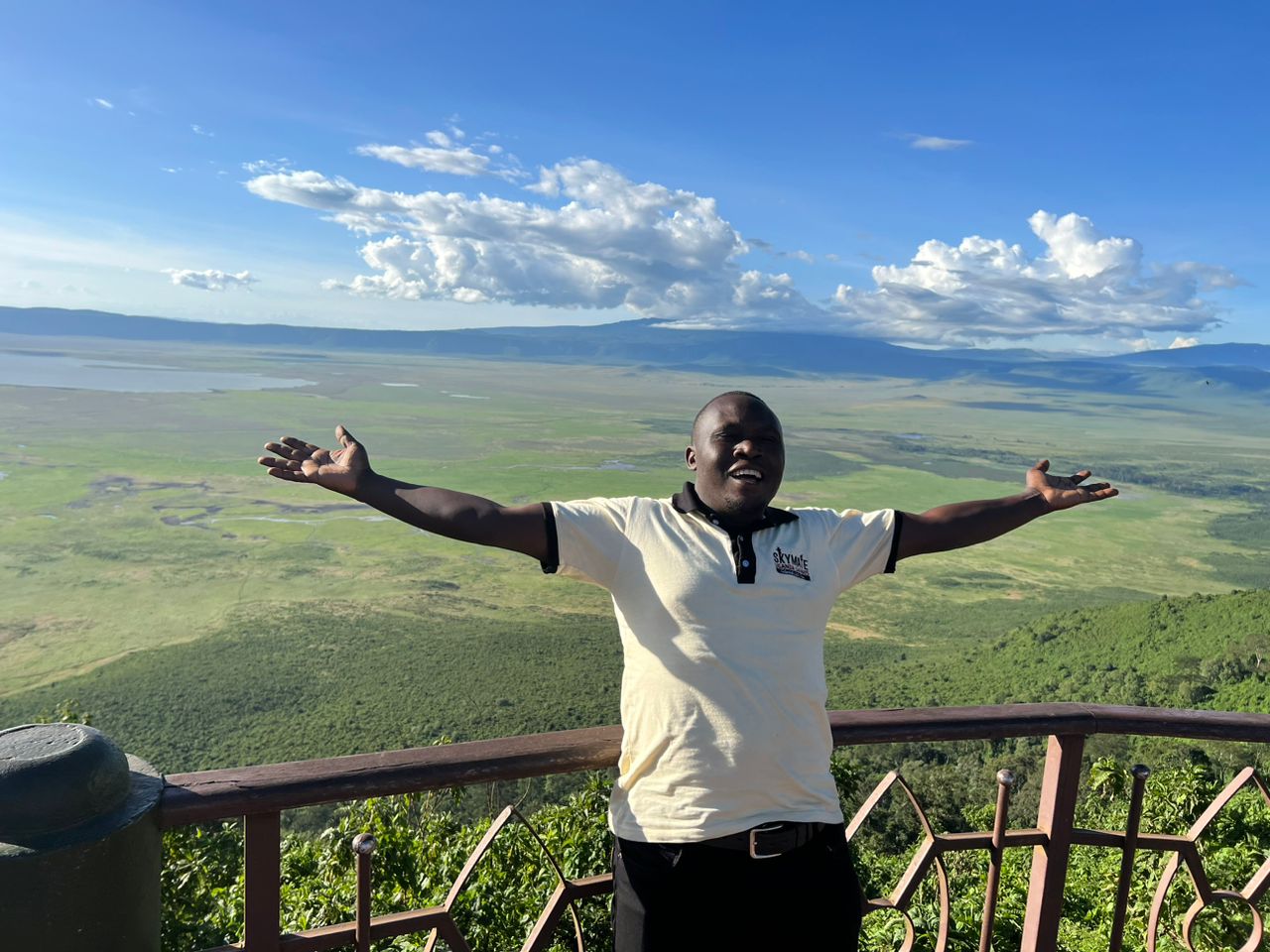
Queen Elizabeth National Park is Uganda's most visited safari park and one of the most varied wildlife areas in Africa. Its 1,978 square kilometres in western Uganda cover open savannah, papyrus swamps, crater lakes, tropical forest and two great lakes linked by the hippo-filled Kazinga Channel, all beneath the Rwenzori Mountains.
In one visit you can watch tree-climbing lions in Ishasha, cruise past hundreds of hippos and elephants, track chimpanzees in a sunken forest gorge and tick off some of the more than 600 bird species recorded here. This complete guide covers 10 amazing experiences in Queen Elizabeth National Park, plus animals, entrance fees, lodges, the best time to visit, how to get there and how many days you need.
Queen Elizabeth National Park at a Glance
| Location | Western Uganda, across Kasese, Rubirizi, Rukungiri and Kamwenge districts, on the equator |
| Size | 1,978 square kilometres, Uganda's second-largest national park |
| Founded | 1952 as Kazinga National Park, renamed in 1954 |
| Main sectors | Kasenyi Plains, Mweya Peninsula, Kazinga Channel, Ishasha, Kyambura Gorge, Maramagambo Forest, Katwe craters |
| Wildlife | About 95 mammal species, including lions, leopards, elephants, buffalo, hippos and chimpanzees |
| Birds | More than 600 species |
| Distance from Kampala | About 400 km, 6 to 8 hours by road, or about 1 hour by air |
| Best time | June to September and December to February |
| Managed by | Uganda Wildlife Authority |
Why Visit Queen Elizabeth National Park?
Few parks pack so much into one area. Queen Elizabeth National Park is easy to reach, sits between Uganda's top gorilla and chimp destinations, and offers game drives, boat safaris, primate walks and birding in a single stay.
It is also a living landscape. Fishing villages such as Katwe, Kasenyi and Hamukungu remain inside the park, and Queen Elizabeth was declared a UNESCO Biosphere Reserve in 1979 in recognition of people and wildlife sharing the same land. For first-time safari travellers, families and birders, it is one of the best value parks in East Africa.
Animals in Queen Elizabeth National Park
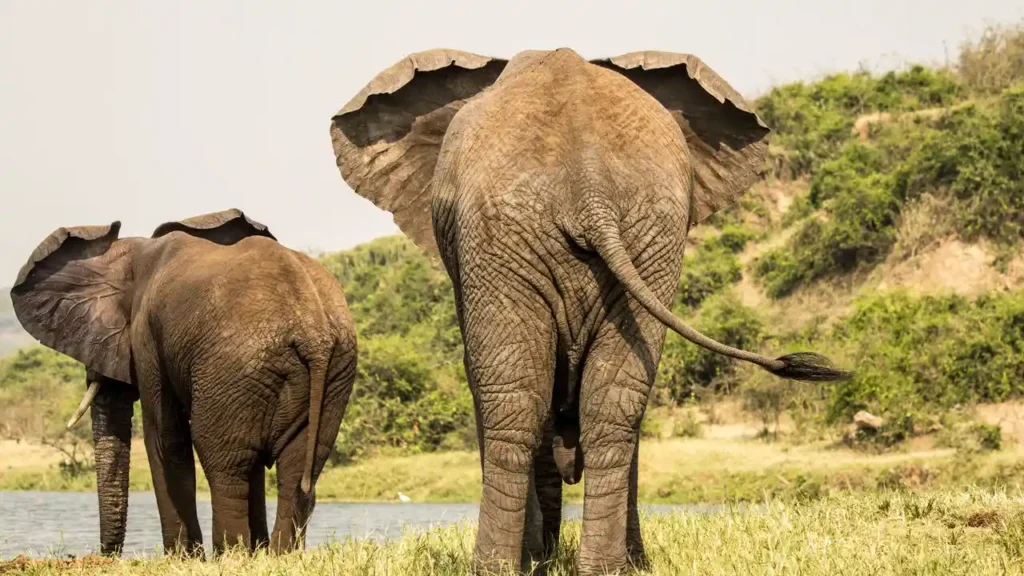
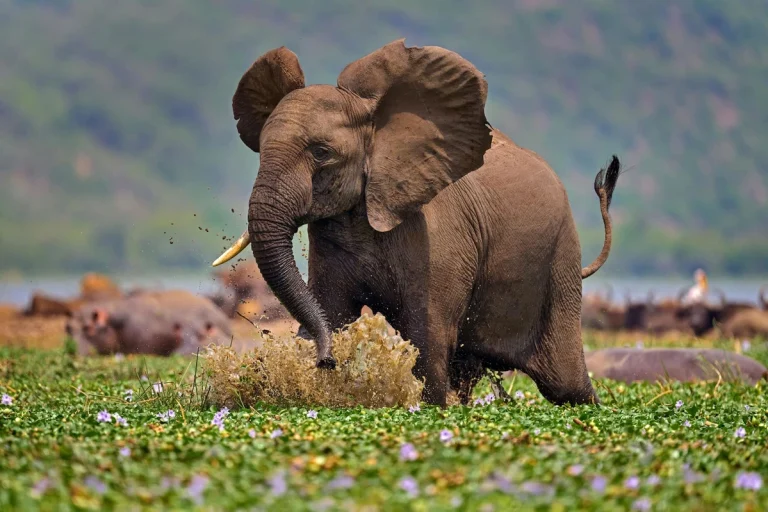
Queen Elizabeth National Park is home to about 95 mammal species, more than any other park in Uganda. Elephants are seen almost daily, especially along the Kazinga Channel and on the Kasenyi and crater tracks, and some herds move across the border to the DR Congo's Virunga National Park. You can expect to see:
- Big cats: lions, including the famous tree-climbing lions of Ishasha, and leopards, best seen around Mweya and on night drives.
- Four of the Big Five: lion, leopard, elephant and buffalo. There are no rhinos in the park.
- Hippos and crocodiles: thousands of hippos along the Kazinga Channel and lake shores.
- Antelopes: large herds of Uganda kob, plus waterbuck, topi, bushbuck and the rare sitatunga in swamps.
- Primates: chimpanzees in Kyambura Gorge and Maramagambo Forest, black-and-white colobus, red-tailed monkeys, vervets and baboons.
- Others: spotted hyena, giant forest hog, warthog, side-striped jackal and mongooses.
Giraffes, zebras and rhinos are not found in Queen Elizabeth. To see them, add Lake Mburo National Park for zebras or Murchison Falls National Park for giraffes.
Queen Elizabeth National Park Sectors Explained
Queen Elizabeth National Park is large, and each sector offers something different. Knowing them helps you choose where to stay and what to book.
- Kasenyi Plains (northeast): open grassland with Uganda kob breeding grounds, the best area for lions and morning game drives.
- Mweya Peninsula (centre): the park's hub on a ridge between Lake Edward and the Kazinga Channel, with the boat launch, Mweya Safari Lodge, the visitor centre and frequent warthog, buffalo and hippo sightings.
- Kazinga Channel: the waterway linking Lake George and Lake Edward, famous for hippos, elephants and water birds.
- Katwe and the crater area (north): dozens of explosion craters, crater lakes, flamingos at Lake Munyanyange and the Lake Katwe salt pans.
- Kyambura Gorge (east): a sunken rainforest gorge with chimpanzees, bordering Kyambura Wildlife Reserve.
- Maramagambo Forest (south): one of Uganda's largest forests, with the Bat Cave, crater lakes and primates.
- Ishasha (far south): the remote home of the tree-climbing lions, with topi, buffalo and fewer visitors, on the way to Bwindi.
- Lake George and Kikorongo (northeast): papyrus swamps and wetlands, part of a Ramsar-listed wetland rich in birds.
10 Amazing Things to Do in Queen Elizabeth National Park
1. Kazinga Channel Boat Cruise
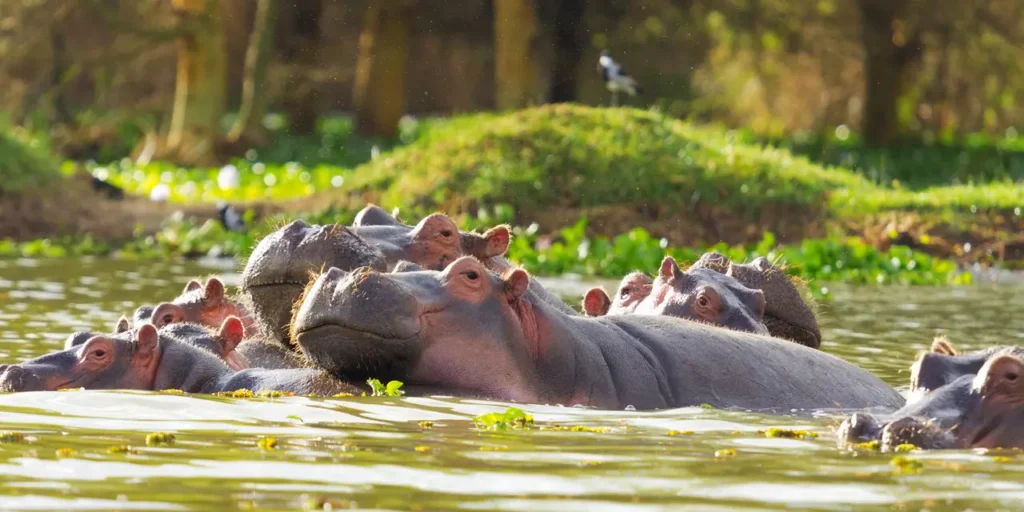
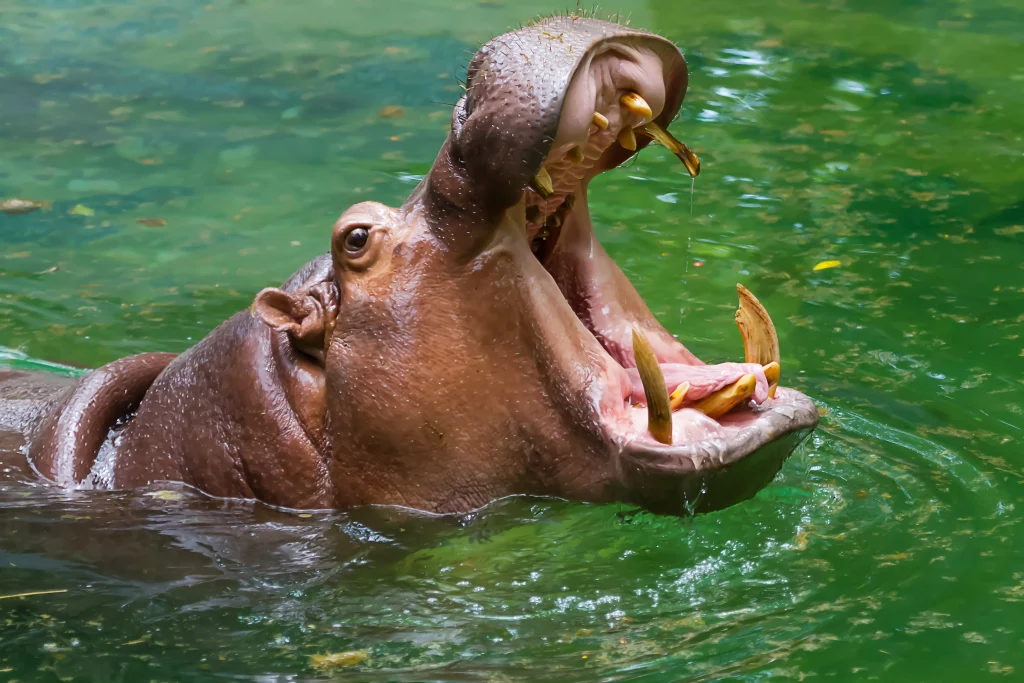
The Kazinga Channel is a natural waterway about 32 kilometres long linking Lake George and Lake Edward. It has one of the highest concentrations of hippos in Africa, and elephants, buffalo and crocodiles gather along its banks to drink.
The two-hour launch cruise from Mweya is the highlight of most visits. It runs several times a day, and the afternoon trip gives the best light and the most animals at the water's edge. Birders love it too, with pelicans, African skimmers, fish eagles and kingfishers. Cruise prices depend on the operator; we include it in all our Queen Elizabeth packages.
Tips for the cruise: sit on the side facing the bank, bring binoculars and a zoom lens, and wear a hat and sunscreen. The boat stops close to Kazinga fishing village, where you can see how local fishermen live alongside hippos and crocodiles.
2. Game Drives on the Kasenyi Plains
The Kasenyi Plains in the northeast are the best area for classic game drives. Thousands of Uganda kob gather on their breeding grounds here, which draws lions and hyenas. Morning drives, starting around 6:30 am, give the best chance of seeing lions on the hunt. The northern tracks around the crater area are also good for elephants and buffalo.
3. See the Tree-Climbing Lions of Ishasha
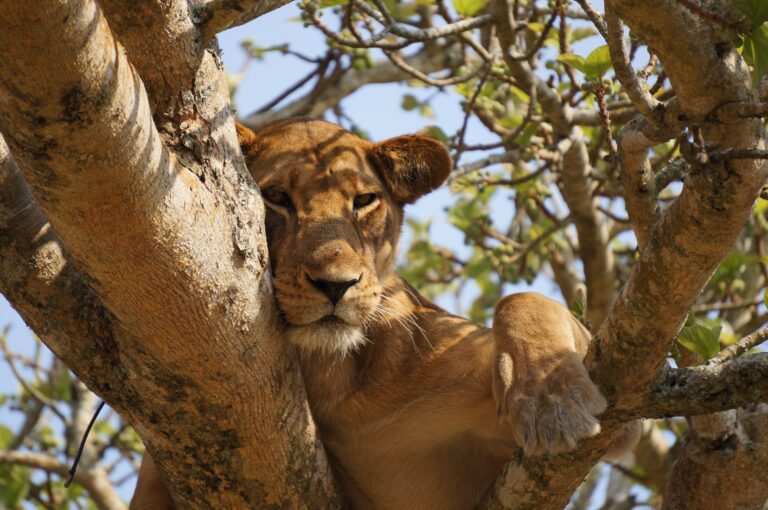
In the remote southern Ishasha sector, lions regularly rest high in the branches of large fig and acacia trees, a habit seen in very few places on earth. Nobody knows for sure why they do it, though escaping heat and biting flies and getting a better view of prey are the main theories.
Ishasha also has big herds of buffalo and topi and far fewer vehicles than Kasenyi. It sits on the road to Bwindi, so it fits perfectly into a gorilla safari. Read our full guide to the tree-climbing lions of Ishasha.
4. Chimpanzee Tracking in Kyambura Gorge

Kyambura Gorge, often called the Valley of Apes, is a forested gorge about 100 metres deep and 11 kilometres long cut into the savannah. It shelters a small community of chimpanzees, along with red-tailed monkeys, colobus and forest birds.
Treks take 2 to 4 hours with a ranger, and the permit costs about US$100 per person for foreign non-residents. Sightings are less certain than in Kibale because the group is small, but the setting is spectacular.
5. Lion Tracking With Researchers
For a closer look at Queen Elizabeth's big cats, join the experiential lion tracking activity on the Kasenyi Plains. You go out with researchers who follow radio-collared lions and learn how the park monitors its predators. Places are limited each day, so book ahead. See our 4-Day Queen Elizabeth Safari with Lion Tracking or read about lion tracking safaris in Uganda.
6. Night Game Drives
Ranger-guided night drives reveal Queen Elizabeth after dark, when leopards, hyenas, civets, genets and bush babies are most active. Hippos leave the water to graze, and lions are often on the move. Learn what to expect in our night game drive guide.
7. Explore the Katwe Explosion Craters
The northern part of the park is dotted with dozens of extinct volcanic explosion craters, many holding lakes. The Explosion Crater Drive between the Kabatoro gate and Queen's Pavilion gives sweeping views over the craters, Lake George and, on clear days, the Rwenzori Mountains.
Look out for Lake Munyanyange near Katwe, where lesser flamingos often feed, and the salt-encrusted Lake Katwe, where local people have mined salt by hand for centuries.
8. Visit the Lake Katwe Salt Mines and Communities
A guided community walk at Lake Katwe shows how families harvest salt from the crater lake using traditional methods. Other cultural experiences include the Leopard Village near Mweya, a community project supporting wildlife conservation, and the Kikorongo Women's Community, known for crafts and dance. It is a meaningful way to see how people live inside a national park.
9. Bird Watching
With more than 600 recorded species, Queen Elizabeth National Park has one of the highest bird counts of any protected area in Africa. Highlights include the shoebill (occasionally seen at Lake George), papyrus gonolek, African skimmer, martial eagle, black bee-eater, white-winged tern and lesser flamingo. The Kazinga Channel, Maramagambo Forest and Kasenyi Plains are all excellent. Plan a specialist trip with our Uganda birding tours.
10. Nature Walks in Maramagambo Forest
Maramagambo Forest in the south of the park offers shady walks among tall trees, with chimpanzees, monkeys and forest birds. A highlight is the Bat Cave, home to thousands of bats and the pythons that hunt them, viewed safely from a platform. Mweya Peninsula nature walks and hippo-watching walks along the channel are also available.
Queen Elizabeth National Park Entrance Fees
| Visitor category | Adult | Child |
| Foreign non-resident | US$40 | US$20 |
| Foreign resident | US$30 | US$10 |
| East African citizen | UGX 20,000 | UGX 5,000 |
Fees are per person per 24 hours. The boat cruise, chimp tracking, lion tracking and night drives are charged separately. Uganda Wildlife Authority updates its tariff from time to time, so we always confirm current rates when booking. Compare fees across the country in our guide to Uganda national parks activities and fees.
Lodges in and Near Queen Elizabeth National Park
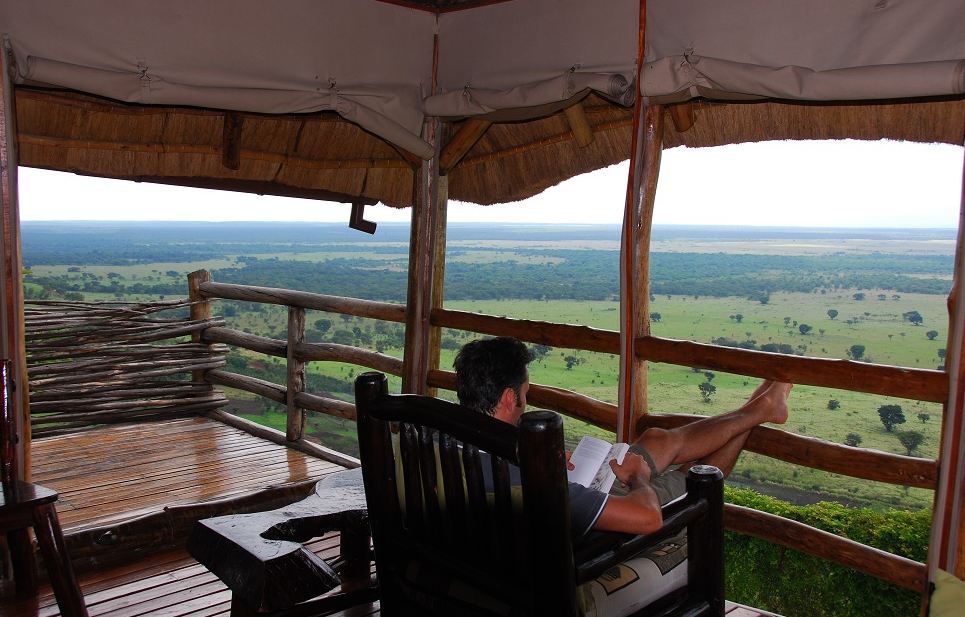
There are lodges in and near Queen Elizabeth National Park for every budget. Where you stay depends on which sectors you want to explore.
- Luxury: Mweya Safari Lodge on the Mweya Peninsula, Kyambura Gorge Lodge above the chimp gorge, Elephant Plains Lodge and Ishasha Wilderness Camp in the tree-climbing lion area.
- Mid-range: Katara Lodge on the escarpment, Enganzi Game Lodge and Enjojo Lodge near Ishasha.
- Budget: Pumba Safari Cottages, Bush Lodge and the Uganda Wildlife Authority bandas at Mweya.
Kyambura Gorge Lodge is one of the most searched-for stays in the park, with stylish rooms in a restored coffee store overlooking the gorge. See all our recommendations in lodges in Queen Elizabeth National Park.
How to Get to Queen Elizabeth National Park
By Road
- From Kampala via Mbarara: about 420 km and 6 to 8 hours, with stops at the equator and the option to overnight at Lake Mburo.
- From Kampala via Fort Portal: about 410 km. From Fort Portal and Kibale Forest to the park's northern gate is only about 2 to 3 hours, which is why Kibale and Queen Elizabeth are so often combined.
- From Bwindi: about 3 to 4 hours from Buhoma through Ishasha, or 5 to 7 hours from the southern sectors.
By Air
Scheduled and charter flights run from Entebbe International Airport to Kasese airstrip (for the north and Mweya), Mweya airstrip (charter) and Kihihi airstrip (for Ishasha and Bwindi). Flights take about 1 to 1.5 hours, followed by a short drive to your lodge.
Best Time to Visit Queen Elizabeth National Park
Queen Elizabeth National Park is open all year. The best time for game viewing is the dry season, from June to September and December to February, when grass is shorter and animals gather near water. The wetter months of March to May and October to November bring green scenery, fewer visitors and excellent birding, though some tracks can be muddy. Read more about the best time to visit Uganda.
How Many Days Do You Need in Queen Elizabeth National Park?
- 2 days: possible, but rushed because of the long drive. Try our 2 Day Queen Elizabeth Safari Package.
- 3 days: our recommended minimum, with a game drive, boat cruise and time to relax. See the 3 Day Queen Elizabeth Safari.
- 4 days or more: adds Ishasha's tree-climbing lions or Kyambura chimps. See our 4 Days Queen Elizabeth Safari.
- 5 days or more with gorillas: combine with Bwindi in our 5-Day Bwindi Gorilla and Queen Elizabeth Safari.
Combining Queen Elizabeth With Gorillas and Chimps
Queen Elizabeth National Park sits at the heart of Uganda's western safari circuit. Bwindi Impenetrable National Park for gorilla trekking is 3 to 4 hours away through Ishasha, and Kibale Forest, Uganda's top chimpanzee destination, is about 2 to 3 hours north. For budget chimp trekking, Kalinzu Forest borders the park and can be visited on a morning trip. A gorilla permit costs US$800; see our gorilla trekking permits guide.
How Much Does a Queen Elizabeth National Park Safari Cost?
A safari focused on Queen Elizabeth National Park typically starts from about US$200 to US$250 per person per day for a budget or mid-range trip, including transport, guide, accommodation, meals, park fees and activities. Prices rise with luxury lodges, chimp tracking, lion tracking or a gorilla permit. Tips, drinks and personal expenses are usually extra. Contact us for a quote based on your dates and group size.
Queen Elizabeth vs Murchison Falls: Which Park Should You Choose?
| Feature | Queen Elizabeth | Murchison Falls |
| Location | Western Uganda, near Bwindi and Kibale | Northwest Uganda, near Ziwa rhinos |
| Highlights | Tree-climbing lions, Kazinga Channel, chimps, craters | The falls, Nile cruise, giraffes, big herds |
| Giraffes and zebras | No | Giraffes yes, zebras no |
| Best combined with | Gorillas in Bwindi, chimps in Kibale | Rhinos at Ziwa, chimps in Budongo |
If you plan to trek gorillas, Queen Elizabeth is the natural choice because it lies on the route to Bwindi. With 10 days or more, you can visit both parks on a 10 Days Murchison Falls to Bwindi Safari.
Travel Tips and What to Pack for Queen Elizabeth National Park
- Clothing: light, neutral-coloured clothes, a warm layer for early mornings and evenings, and long sleeves for chimp tracking.
- Footwear: comfortable walking shoes, and sturdy boots for Kyambura Gorge.
- Sun and insects: hat, sunscreen, sunglasses and insect repellent; tsetse flies can be found in Ishasha, so avoid dark blue and black clothing.
- Health: a yellow fever certificate is required to enter Uganda, and malaria prevention is recommended. Talk to your doctor before you travel.
- Camera gear: binoculars and a zoom lens of 200 mm or more for lions in trees and birds on the channel.
- Money: carry some US dollars or Uganda shillings for tips, crafts and community visits.
Is Queen Elizabeth National Park Safe?
Yes. Queen Elizabeth National Park is one of Uganda's most visited and well-managed parks, with Uganda Wildlife Authority rangers on patrol and established tourist routes. Follow your guide's instructions, stay in the vehicle on game drives unless told otherwise, and never walk around lodges at night without an escort, as hippos and other animals graze freely after dark. For an honest overview of travel safety, read Is Uganda safe for safari?
Brief History of Queen Elizabeth National Park
The park was created in 1952 as Kazinga National Park and renamed in 1954 to mark a visit by Queen Elizabeth II. Wildlife suffered heavily from poaching during the political unrest of the 1970s and early 1980s, but under Uganda Wildlife Authority protection, elephant, buffalo, hippo and kob populations have recovered strongly. Lions still face threats from conflict with livestock keepers, and community projects that share tourism revenue are helping to protect them. Read more on Wikipedia.
Queen Elizabeth National Park FAQs
Where is Queen Elizabeth National Park located?
Queen Elizabeth National Park is in western Uganda, on the floor of the Albertine Rift Valley between Lake George and Lake Edward, about 400 km from Kampala.
What is Queen Elizabeth National Park famous for?
It is famous for the tree-climbing lions of Ishasha, the Kazinga Channel boat cruise with huge numbers of hippos, chimpanzees in Kyambura Gorge, volcanic crater lakes and more than 600 bird species.
Can you see the Big Five in Queen Elizabeth National Park?
You can see four of the Big Five: lion, leopard, elephant and buffalo. Rhinos are not found in the park, but you can track them on foot at Ziwa Rhino Sanctuary.
How long does it take to drive from Kampala to Queen Elizabeth National Park?
About 6 to 8 hours by road, depending on the route and stops. Flights from Entebbe take about 1 to 1.5 hours.
Where do you see the tree-climbing lions?
In the Ishasha sector in the south of the park, usually resting in large fig trees during the heat of the day.
How much is the Kazinga Channel boat cruise?
Prices vary by operator and season. The cruise is included in all Tulambule Queen Elizabeth safari packages, so you do not need to pay separately.
Which is better, Queen Elizabeth or Murchison Falls?
Both are excellent. Queen Elizabeth is better for tree-climbing lions, boat cruises and combining with gorillas and chimps, while Murchison Falls is better for giraffes, the falls and combining with rhino tracking.
Is Queen Elizabeth National Park good for families?
Yes. Game drives, the boat cruise and community visits suit all ages, and there are family-friendly lodges. Chimpanzee tracking has a minimum age, usually 12 years.
Plan Your Queen Elizabeth National Park Safari
Ready to see tree-climbing lions, hippos and chimps? Call or WhatsApp +256 782 915 447 or email info@tulambule.com, and we will design your Queen Elizabeth National Park safari, on its own or combined with gorillas and chimps. Browse more trips in our Uganda safaris and tours.