Learn about Gorilla Trekking Safety and how gorillas respond to external invasion. Discover why gorilla trekking in Rwanda and Uganda is safe for international tourists and gain expert tips for observing mountain gorillas responsibly.
Gorilla Trekking Safety: What Every Tourist Should Know About How Gorillas Respond to External Invasion
Why Understanding Gorilla Behavior Matters
If you are planning a gorilla trekking adventure in Africa, one question often comes to mind:
Are gorillas dangerous?
 Understanding how gorillas respond to external invasion is central to Gorilla Trekking Safety. Gorillas are intelligent, social, and generally peaceful animals that prefer avoidance over aggression. However, like any wild animal, they will protect their families if they feel threatened.
During your Bwindi gorilla trekking or visits to Volcanoes National Park, knowing gorilla behavior gives you confidence, reduces anxiety, and enhances the experience. Observing a silverback watch over his family just a few meters away is awe-inspiring — and completely safe when you follow proper guidelines.
In this guide, you’ll learn:
- How gorillas react to strangers and intrusions
- The role of the silverback in group protection
- Why gorilla trekking in Rwanda and Uganda is safe when guided by trained professionals
By understanding gorilla social structure and behavior, you’re not just keeping yourself safe — you’re also respecting these majestic creatures and enjoying a deeper, more meaningful safari experience.
Knowing how gorillas respond to external invasion is the foundation of Gorilla Trekking Safety, ensuring your adventure is both thrilling and secure.
Gorilla Social Structure – The Foundation of Defense
To understand how gorillas respond to external invasion, it’s essential to first grasp their social structure. Knowing this is key to Gorilla Trekking Safety and ensures visitors appreciate why gorillas behave the way they do during encounters.
The Silverback’s Role as Protector
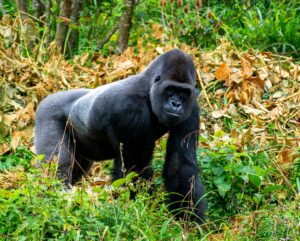 The silverback, named for the silver-gray hair that appears on his back at maturity (around 12 years old), is the leader, protector, and decision-maker of the group. His responsibilities include:
- Leading the group through forest trails
- Making critical decisions during potential threats
- Protecting adult females, infants, and juveniles
- Choosing whether to avoid, display, or confront intruders
Because the silverback carefully weighs risks before acting, your guided trek is generally safe — an essential aspect of Gorilla Trekking Safety.
Family Group Structure
A typical gorilla family group includes:
- One dominant silverback
- Several adult females
- Infants and juveniles
- Occasionally younger males (blackbacks)
Each group occupies a home range, divided into:
- Core Area – Critical food sources and resting spots, heavily defended
- Peripheral Area – Outer edges of the territory, less intensely defended
The location of an encounter strongly influences gorilla reactions, making it easier for trained guides to maintain Gorilla Trekking Safety during your safari.
By understanding gorilla social structure, tourists gain insight into why silverbacks display certain behaviors and why following ranger instructions is crucial for safety and a respectful wildlife experience.
First Strategy – Avoidance Before Aggression
Before any dramatic chest-beating or charges, gorillas almost always attempt to avoid conflict. This natural tendency is a key element of Gorilla Trekking Safety.
Studies of mountain gorillas in Bwindi Impenetrable Forest and Volcanoes National Park show that gorilla groups:
- Steer clear of areas recently visited by other groups
- Avoid confrontations near another group’s core area
- Move strategically to conserve energy and minimize risk
This avoidance strategy benefits both gorillas and trekkers:
- Reduces stress within the group
- Prevents injury to gorillas and humans
- Maintains the peace of the forest environment
For tourists, this means that Bwindi gorilla trekking is generally calm and safe. If you follow your guide’s instructions, gorillas will usually keep their distance and continue feeding or resting without incident.
Understanding that avoidance is the gorillas’ first strategy reinforces confidence and ensures a safe, memorable gorilla trekking experience.
When Avoidance Fails – The Graded Response
Sometimes, gorilla groups encounter one another face-to-face. When this happens, their response follows a step-by-step pattern designed to protect the group while minimizing actual conflict. Understanding this is crucial for Gorilla Trekking Safety.
Phase 1 – Displays of Power
The first reaction is usually a display rather than immediate aggression. A silverback may perform a mock charge, which can include:
- Loud hooting and chest-beating
- Short forward movements
- Slapping vegetation to signal strength
These actions are warning displays, meant to intimidate intruders, test rivals, and protect the group without physical contact. For tourists, this means that even dramatic displays are rarely dangerous when guides are present.
Phase 2 – Peace or Violence
After the display, one of two outcomes occurs:
- Friendly Encounter
- Groups may rest near each other
- Young gorillas might play
- Tension decreases naturally
- Aggressive Encounter
- Screaming, pushing, or charging
- Possible biting or serious injury
- More likely in core areas or with unfamiliar groups
Factors influencing the outcome include:
- Territorial location (core vs peripheral)
- Past interactions and relationships
- Size and strength of the groups
By following ranger instructions and staying calm, tourists experience Gorilla Trekking Safety even during these rare encounters, making the adventure both thrilling and secure.
Territory Rules – Core vs Peripheral Areas
The location of an encounter is a major factor in how gorillas respond to external invasion. Understanding core versus peripheral areas is key for both appreciating gorilla behavior and ensuring Gorilla Trekking Safety.
Core Area
When an encounter occurs in a group’s core area — where critical food, resting spots, and infants are located:
- Aggression is much more likely
- About 40% of encounters may become violent in extreme cases
- Familiarity with neighboring groups does not significantly reduce aggression
The silverback sees the core area as worth defending at all costs, which is why guides emphasize strict distance rules in these zones during Bwindi gorilla trekking.
Peripheral Area
In peripheral zones, gorillas are more tolerant:
- Encounters with unfamiliar groups can still lead to displays
- Familiar groups, especially those that once split from the same family, are often treated peacefully
- Social bonds and memory influence responses
For tourists, this means that guided treks along peripheral trails are typically calm and safe, and even minor displays are mostly for communication, not attack.
Understanding these territorial rules allows visitors to stay safe, respect gorilla boundaries, and fully enjoy their Uganda safari itinerary.
Human Interaction – Poaching, Habituation, and Safety
Today, humans are the most significant “external invaders” in gorilla habitats. Understanding how gorillas respond to humans is critical for Gorilla Trekking Safety and responsible tourism.
The Biggest Threat – Poaching and Habitat Destruction
When humans enter gorilla territories for:
- Logging
- Farming
- Poaching
Gorillas generally flee or display defensive behavior. Silverbacks may charge if cornered, putting the group at risk. Species like the Mountain Gorilla are especially vulnerable, which is why conservation and strict park regulations are vital.
Habituation and Conservation
Habituation is the careful process of helping gorillas become accustomed to human presence. Initially, silverbacks may respond with:
- Charges and defensive displays
- Loud hooting and chest-beating
- Protective positioning around females and infants
Over time, with calm and respectful interactions, gorillas may treat humans as neutral observers, allowing tourists to safely witness their natural behavior.
Tourist Guidelines for Gorilla Trekking Safety:
- Stay calm and follow guides’ instructions
- Avoid direct eye contact with gorillas
- Crouch slightly and remain still if a silverback approaches
- Maintain the recommended distance (usually 7 meters)
- Do not feed or touch gorillas
With these rules, gorilla trekking in Rwanda and Uganda is safe, ethical, and respectful — protecting both humans and the gorillas while ensuring a truly memorable safari experience.
Do Gorillas Attack Humans? Debunking Myths
One of the most common questions from international tourists is:
“Are gorillas dangerous to humans?”
The simple answer is: No — not when trekking rules are followed.
Habituation Makes a Difference
Mountain gorillas in Rwanda and Uganda are habituated to human presence through careful, long-term conservation programs. Organizations like the Dian Fossey Gorilla Fund and WWF have made it possible for visitors to safely observe gorillas in the wild.
Thanks to habituation:
- Gorillas usually ignore visitors
- Silverbacks observe calmly without aggressive action
- Groups continue feeding, resting, or socializing
Serious attacks on tourists are extremely rare and almost always linked to rule violations, such as approaching too closely, sudden movements, or loud noises.
Why This Matters for Gorilla Trekking Safety
Knowing that gorillas are generally peaceful and socially intelligent gives tourists confidence. Following professional guidance ensures that your Bwindi gorilla trekking or Volcanoes National Park experience is:
- Safe
- Respectful
- Truly unforgettable
Understanding gorilla behavior and following expert instructions is the cornerstone of Gorilla Trekking Safety, letting you enjoy these gentle giants without worry.
Why Gorilla Trekking is Safe for Tourists
Gorilla trekking in countries like Rwanda, Uganda, and the Democratic Republic of the Congo is carefully regulated to ensure both visitor and gorilla safety. Understanding these measures reassures tourists and reinforces Gorilla Trekking Safety.
Strict Visitor Limits
- Only 8 visitors per gorilla family per day
- Small trekking groups guided by trained rangers
- Distance rules of at least 7 meters maintained
Ranger Protection and Health Protocols
- Armed rangers accompany each group for safety
- Health checks are mandatory to prevent transmission of human diseases
- Trained guides interpret gorilla behavior to prevent unnecessary stress
Conservation-Backed Safety
Organizations like the World Wildlife Fund and Uganda Wildlife Authority support sustainable tourism programs that:
- Minimize human impact on gorilla habitats
- Protect endangered gorillas from poaching and habitat loss
- Ensure trekking experiences are ethical, controlled, and secure
Why Tourists Can Feel Confident
By following guidelines and listening to expert rangers, tourists can:
- Safely observe gorillas in their natural habitat
- Capture amazing wildlife moments without risk
- Gain a deeper understanding of gorilla social intelligence and behavior
When done responsibly, gorilla trekking is not only safe but also life-changing — giving tourists a rare opportunity to witness the majesty of mountain gorillas up close.
How Understanding Gorilla Behavior Enhances Your Safari Experience
Knowing how gorillas respond to external invasion and understanding their social behavior adds depth and meaning to your Gorilla Trekking Safety practices. This knowledge transforms a regular safari into an unforgettable wildlife experience.
Respect Wildlife Boundaries
- Observing gorillas safely requires knowing when to keep your distance
- Understanding silverback displays helps tourists remain calm during encounters
- Following rules ensures minimal disturbance to gorilla groups
Appreciate Gorilla Intelligence
- Gorillas are highly social and strategic
- Recognizing behaviors like chest-beating, mock charges, and group interactions helps tourists interpret their actions accurately
- Learning about gorilla family dynamics enhances observation and photography experiences
Capture the Moment Responsibly
- Knowledge of gorilla behavior allows for better positioning and timing during photo opportunities
- Tourists can witness feeding, play, and social interactions safely
- Enhances storytelling for friends, family, or travel blogs
Gain Confidence and Enjoyment
- Awareness of gorilla behavior reduces anxiety
- Tourists feel safer and more connected to the animals
- The experience becomes more rewarding, educational, and memorable
By combining Gorilla Trekking Safety with knowledge of gorilla behavior, your Uganda or Rwanda safari becomes not just a trip, but a life-changing adventure.
Plan Your Gorilla Trekking Adventure with Confidence
Seeing gorillas in the wild is one of the most life-changing wildlife experiences on Earth. With the right guidance and preparation, your trek can be safe, unforgettable, and respectful of these gentle giants.
Why Book With Experts
Our safari company specializes in Gorilla Trekking Safety and seamless safari experiences. We handle everything so you can focus on enjoying the adventure:
- Gorilla trekking permits for Rwanda and Uganda
- Personalized safari itineraries, including Bwindi, Volcanoes, and Mgahinga
- Accommodation booking for all budgets
- Airport transfers and local transportation
- Experienced guides trained in gorilla behavior and safety
Tailored Experiences for Every Traveler
Whether you want a luxury safari or a budget-friendly adventure, we create itineraries to match your preferences, schedule, and travel goals.
Take the Next Step
Start planning your gorilla trekking adventure today:
- Share your preferred travel dates
- Indicate the number of travelers
- Provide your budget range
- Select your destination park (Rwanda, Uganda, or DRC)
Our team will respond promptly with a customized, safe, and unforgettable safari plan.
Your journey to witness mountain gorillas in their natural habitat begins here. By choosing professional guidance, you ensure Gorilla Trekking Safety, ethical wildlife interaction, and memories that last a lifetime.
Contact us to book your Gorilla safari now!