Birding in Uganda offers over 1,100 species, 24 Albertine Rift endemics, and two true endemics. Discover top birding spots, seasons, and how to plan your ultimate safari.
Birding in Uganda: Over 1,100 Species, 24 Endemics & Africa's Best-Kept Secret
There is a moment, standing at the edge of a misty Ugandan forest at dawn, when the world feels suspended between dream and reality. The sun begins to creep over the horizon, painting the sky in hues of gold and amber. Then, it happens. A single note pierces the silence. Another answers from the canopy above. Within minutes, the air erupts into a symphony of calls, chirps, and melodies—the unmistakable sound of one of the most biodiverse places on Earth coming to life.
Birding in Uganda is not merely a hobby; it is a pilgrimage. It is an invitation to step into a world where over 1,100 species of birds fill the skies, forests, and wetlands with colour and song. Uganda is a country that punches far above its weight. Despite being roughly the size of Great Britain, this small East African nation hosts more than 50% of Africa's bird species and approximately 11% of the world's total. That is not a statistic—it is a promise.
For decades, Uganda has been celebrated for its mountain gorillas, its vast savannahs, and the mighty Nile. But beneath the shadow of these giants lies a secret that has captivated ornithologists, birdwatchers, and nature lovers from every corner of the globe: birding in Uganda is, quite simply, one of the most extraordinary wildlife experiences on the planet.
This comprehensive guide will take you deep into the heart of Uganda's avian wonderland. We will explore the astonishing diversity of Uganda's birdlife, uncover the top birding destinations, reveal the best seasons for sightings, and show you why birding in Uganda should be at the very top of every safari enthusiast's bucket list.
Why Uganda is a Birding Powerhouse
Over 1,100 Species – The Numbers That Define a Destination
What makes birding in Uganda so exceptional? The numbers tell a compelling story. Uganda boasts over 1,100 recorded bird species. That represents approximately 50% of Africa's total bird species and roughly 10% of all bird species on Earth. To put this into perspective: you can stand in the Entebbe Botanical Gardens at dawn and tick more species before breakfast than you might manage in a full day elsewhere.
This remarkable diversity is not accidental. Uganda's strategic location at the convergence of multiple African ecological zones—the East African savannah, the West African rain forest, and the Albertine Rift—creates a melting pot of avian life found nowhere else on the continent.
The country's diverse habitats range from lush tropical rainforests and expansive savannahs to remote wetlands and mist-covered mountains, each supporting distinct bird communities.
Uganda ranks fourth in Africa for bird species diversity, despite its comparatively modest size. This incredible density means you can see an astonishing variety of birds without spending days on long, arduous drives. For birdwatchers, birding in Uganda offers unrivaled opportunities to observe both endemic and migratory species in a compact, accessible package.
Albertine Rift Endemics – A Birder's Holy Grail
For serious birders, the true magic of birding in Uganda lies in its endemic species. The Albertine Rift is a breathtaking mountain range that stretches from western Uganda into Rwanda and the Democratic Republic of Congo. This region is not only visually stunning but also one of the richest areas in the world for endemic species—plants and animals found nowhere else on Earth.
Of the 41 bird species endemic to the Albertine Rift, an impressive 24 can be found in Uganda. Nowhere is this diversity more visible than in Bwindi Impenetrable National Park, which alone protects 23 of Uganda's 24 Albertine Rift endemics. This makes Uganda one of the most rewarding and accessible destinations for birders seeking these rare and range-restricted species.
Among the most coveted sightings is the African Green Broadbill (Pseudocalyptomena graueri). This tiny, jewel-like bird with striking green plumage and a shy, secretive nature is a true "holy grail" for birders. Other Albertine Rift endemics that grace Uganda's forests include the Rwenzori Turaco, famous for its stunning green and red feathers; the Shelley's Crimsonwing, a rare and colourful finch often found hopping through dense undergrowth; the Grauer's Swamp Warbler, a shy, swamp-dwelling bird usually spotted near streams and wetlands; and the Red-faced Woodland Warbler, tiny and fast, a treat to see if you are patient and quiet. Each species is unique, and spotting even one of them can make your trip unforgettable.
True Endemics – Uganda's Unique Treasures
While Uganda's Albertine Rift endemics are the main attraction, the country also boasts two true endemic species—birds found nowhere else in the world:
-
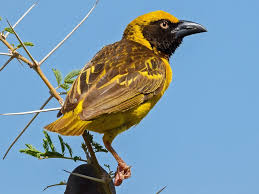
Fox's Weaver – This species is restricted to Uganda and found nowhere else in the world. It is typically found in the eastern part of the country.
-
Stuhlmann's Double-collared Sunbird – An Albertine Rift endemic whose range, as of now, is restricted to areas around the slopes of the Rwenzori Mountains.
These true endemics add another layer of appeal for serious listers and make birding in Uganda a uniquely rewarding experience.
A Birder's Paradise – Diverse Habitats
The diversity of habitats in Uganda is staggering. Birders can explore:
-
Lowland tropical rain forests (Semuliki National Park) – The only tract of true lowland tropical rain forest in East Africa, hosting Guinea-Congo forest species found nowhere else in the region.
-
Montane forests (Bwindi Impenetrable, Mgahinga Gorilla, Rwenzori Mountains) – Home to Albertine Rift endemics and high-altitude specialists.
-
Savannahs and acacia woodlands (Murchison Falls, Kidepo Valley, Lake Mburo) – Supporting savannah specials, raptors, and open-country birds.
-
Lakes, wetlands, and marshes (Queen Elizabeth, Mabamba Swamp) – Hosting waterbirds, including the iconic shoebill.
This remarkable variety of ecosystems means that birding in Uganda offers something for everyone, from the dedicated lister chasing Albertine Rift endemics to the casual traveller simply enjoying the dawn chorus in the jungle.
Uganda's Top Birding Destinations
Bwindi Impenetrable National Park – The Crown Jewel
Recognised as Africa's top birding spot by the African Bird Club, Bwindi Impenetrable National Park is not only famous for its mountain gorillas but also for being a haven for bird lovers. The park hosts over 350 bird species, including 24 of the 25 Albertine Rift endemics found in Uganda.
Bwindi also contains 76 of the 144 Guinea-Congo forest biome bird species and qualifies for the Afro-tropical highland biome with 68 of 86 species. Birds are abundant and relatively easy to spot, especially along the park's well-maintained trails.
Top birding trails in Bwindi:
-
Mubwindi Swamp Trail (Ruhija sector) – The park's premier birding route. This trail descends to a swamp that is a haven for the elusive African Green Broadbill. Also yields sightings of the Grauer's Rush Warbler and Handsome Francolin.
-
Bamboo Zone Trail (Ruhija sector) – One of Bwindi's longest hiking pathways, leading to the park's highest point. A skilled birder can spot the majority of Bwindi's birds here.
-
Waterfall Trail (Buhoma sector) – Offers excellent birding opportunities, with sightings of the White-tailed Ant Thrush, Black Bee-eater, and Yellow-eyed Black.

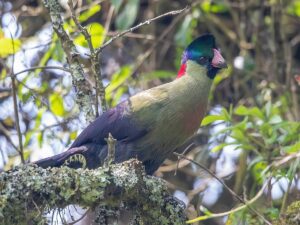
Key species to look for: African Green Broadbill, Shelley's Crimsonwing, Grauer's Rush Warbler, Rwenzori Turaco, Blue-headed Sunbird, Archer's Robin-Chat, Red-throated Alethe, and Fine-banded Woodpecker.
Queen Elizabeth National Park – Uganda's Richest Birding Area
With over 600 bird species, Queen Elizabeth National Park holds the highest bird diversity of any protected area in East Africa. This UNESCO-designated biosphere reserve offers habitats ranging from savannah and wetlands to lakes and forested gorges—each supporting distinct bird communities.
Key birding areas within the park:
-
Kazinga Channel – Excellent for boat birding, with sightings of African Skimmers, kingfishers, and a variety of waterbirds.
-
Kasenyi Plains – Known for open grassland species like the Black-bellied Bustard and White-tailed Lark.
-
Mweya Peninsula – Offers great views of kingfishers, weavers, and waders, with over 70 species recorded.
-
Maramagambo Forest – Forest birding here may yield species like the White-naped Pigeon, Forest Flycatcher, and Blue-shouldered Robin-Chat.
-
Ishasha Sector – Famous for tree-climbing lions, but also excellent for spotting raptors and riverine birds.
Key species to look for: Martial Eagle, Grey Kestrel, African Skimmer, flamingos (at Lake Munyanyange), Hooded Vulture, African Wattled Lapwing, Black-lored Babbler and the elusive White-winged Warbler.
Murchison Falls National Park – Where the Nile Explodes
Murchison Falls National Park is Uganda's largest park, where the Nile explodes through a narrow gorge. The park is renowned for both game drives and birding, offering sightings of species like the rare Shoebill, African Fish Eagle, and various raptors along the Nile River.
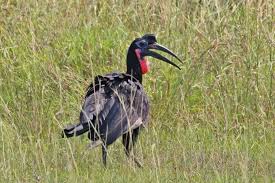
Key species to look for: Shoe bill (in the delta), Abyssinian Ground Hornbill, Egyptian Plover (seasonal), and Red-throated Bee-eater. Murchison Falls stands out as the best destination in East Africa to see Shoe bills, along the marshes of the Albert Nile Delta.
Semuliki National Park – Lowland Forest Specialists
This lowland rain forest hosts a high number of Albertine Rift endemics and rainforest specialists. Semuliki is the only tract of true lowland tropical rain forest in East Africa, an extension of the vast Ituri Forest of the Democratic Republic of Congo. This unique ecosystem makes it a prime destination for spotting Central African species that are difficult or impossible to find anywhere else in Uganda.
Key species to look for: African Green Broadbill, Grauer's Broadbill, Long-tailed Hawk, Black-wattled Hornbill, Nkulengu Rail and Congo Serpent Eagle.
Kibale Forest National Park – Primates and Birds
Kibale Forest National Park is a blend of tropical rainforest and riverine habitats, home to over 370 bird species, making it a hotspot for chimpanzee safaris combined with birding. Kibale is considered the best single stop for forest birds in Uganda.
Key species to look for: Great Blue Turaco, African Pitta, White-naped Pigeon, and Green-breasted Pitta.
Mabamba Swamp – The Kingdom of the Shoebill
Just a short drive from Entebbe town lies Mabamba Swamp, famous as the best location in Uganda to see the elusive and prehistoric-looking Shoebill stork. 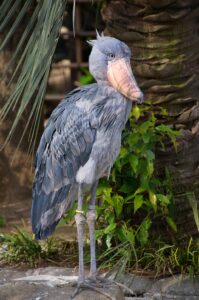
Visitors often use canoe trips to explore this wetland's extensive papyrus beds and swamp habitats for outstanding birdwatching. The Shoebill is a bucket-list bird for many, and Mabamba is one of the best places in Africa to spot it.
Other Notable Birding Sites
-
Lake Mburo National Park – Over 350 bird species, including water, savanna, and acacia-related dwelling birds such as the Red-faced Barbet, Papyrus Yellow Warbler, African fin-foot and Blue-breasted Kingfisher.
-
Kidepo Valley National Park – Over 476 bird species, making it one of the premier birdwatching paradises in the country. Common birds include the White-bellied Go Away Bird, Karamoja Apalis, Pygmy Falcon, and Abyssinian Ground Hornbill.
-
Mgahinga Gorilla National Park – Excellent for spotting Rwenzori Turacos, Shelley's Crimsonwings, and other mountain species.
-
Echuya Forest Reserve – A hidden gem, less visited but incredibly rewarding for serious birders, known for its woodland warblers and shy undergrowth birds.
When to Go – The Best Seasons for Birding in Uganda
One of the most common questions asked by travelers planning birding in Uganda is: when is the best time to visit? The answer, like the country itself, is layered.
Uganda's equatorial location means stable daylight hours and consistent temperatures. However, rainfall patterns significantly influence bird behaviour, trail conditions, and overall experience.
Dry Seasons (December–February & June–August)
Best for general birdwatching – Less rain means easier forest treks and clearer views. Migratory birds from Europe and Asia are present during these months. The dry seasons are ideal for photography, with bright skies and active bird behaviour.
-
June–August: Peak dry season, minimal rain, and sunny days. Excellent forest access, easier trekking, fewer insects, and good photography conditions. This is the busiest month for tourism, so book accommodations 8–12 months in advance. Highly recommended.
-
December–February: Short dry season, hot, and dusty in the north. Very good, with peak migrant presence and water sources concentrated. Highly recommended.
Wet Seasons (March–May & September–November)
Best for rare species and breeding plumage – Many birds nest and display vibrant colors during these months. Lush landscapes are perfect for scenic birding photography. Fewer tourists mean more solitude in prime birding spots.
-
March–May: Long rains with afternoon downpours. Breeding plumage and vocal activity peak. Forest trails become challenging. April is the wettest month. For dedicated listers willing to tolerate rain, this month offers unique rewards, but it is not recommended for first-time visitors.
-
September–November: Short rains, unpredictable, with green landscapes. Migrant arrivals and excellent wetland birding. Excellent month, often overlooked. Highly recommended.
Our Recommendation
For the ultimate experience of birding in Uganda, we recommend visiting during the dry season months of June to August or the short dry season of December to February. These months offer the perfect balance of excellent bird activity, comfortable trekking conditions, and clear forest views.
Pro Tip: Early mornings (6–10 AM) are the most active times for bird sightings, regardless of season.
Essential Tips for Birding in Uganda
To make the most of your birding in Uganda experience, preparation is key. Here are essential tips to ensure your safari is unforgettable.
Hire a Local Guide
The most important piece of advice for any birder visiting Uganda is to engage the services of an experienced local guide. Uganda has 34 designated Important Bird Areas (IBAs), many equipped with trained local guides specializing in bird identification. These guides know the calls, the hiding spots, and the best times to find even the most elusive species. They enhance the experience with detailed bird knowledge and excellent spotting skills.
Pack the Right Gear
-
A good pair of binoculars (8×42 or 10×42 recommended).
-
A field guide to East African birds.
-
Sturdy hiking boots and comfortable walking shoes (trails can be steep and slippery, especially during the wet season).
-
A lightweight rain jacket (rainfall is possible year-round).
-
Insect repellent and sun protection.
-
A camera with a telephoto lens for capturing memories.
Practice Patience
Some of Uganda's rarest birds are shy and elusive. Sitting quietly in a good spot often yields the most remarkable sightings. Allow enough time at each destination to truly experience the birdlife. Since most forest birds in Uganda are very secretive, it can be difficult for birders to have a peek at them in the foliage. Patience is rewarded.
Plan Your Itinerary
Uganda's birding hotspots are spread across the country. Allow 7–14 days to cover multiple parks and habitats. For a 7-day safari, a classic "highlights" loop covering Mabamba Swamp, Lake Mburo, Queen Elizabeth, and Kibale Forest is realistic and rewarding. For 10 to 14 days, you can comfortably add Bwindi Impenetrable Forest for Albertine Rift endemics and Murchison Falls for riverine and savannah species. Many operators tailor birding trips to highlight endemic species, rare sightings, and habitats, often combined with other wildlife activities like gorilla trekking and chimpanzee tracking.
Combine Birding with Conservation
Birding permits and park fees directly support conservation. Community-based tourism initiatives put money into local hands. Responsible birding ensures these species thrive for generations to come. Uganda hosts 34 designated Important Bird Areas (IBAs), many equipped with trained local guides specializing in bird identification.
Birding Statistics That Prove Uganda Is a Top Destination
| Statistic | Number |
|---|---|
| Total bird species in Uganda | Over 1,100 |
| Percentage of Africa's bird species found in Uganda | 50% |
| Percentage of the world's bird species found in Uganda | ~11% |
| Albertine Rift endemics in Uganda | 24 of 41 |
| True endemics found only in Uganda | 2 |
| Total bird species in Queen Elizabeth NP | Over 600 |
| Total bird species in Bwindi NP | Over 350 |
| Total bird species in Kibale Forest NP | Over 370 |
| Total bird species in Murchison Falls NP | Over 450 |
| Total bird species in Kidepo Valley NP | Over 476 |
| Total bird species in Lake Mburo NP | Over 350 |
| Important Bird Areas (IBAs) in Uganda | 34 |
Start Your Uganda Birding Adventure Today
Birding in Uganda is not just a safari—it is a journey into one of the most biodiverse countries on Earth. From the misty peaks of the Rwenzori Mountains to the steamy lowlands of Semuliki, from the shores of Lake Victoria to the savannahs of Kidepo, every corner of Uganda sings with bird life.
Over 1,100 species await you. Twenty-four Albertine Rift endemics. Two true endemics. Thousands of memorable moments.
The Pearl of Africa is ready. The birds are calling. Your adventure begins now.
Ready to explore birding in Uganda?
Tulambule Uganda Safaris is your trusted local partner. Since 2014, we have been crafting authentic, locally guided safari experiences across Uganda, Rwanda, Kenya, and Tanzania. Our expert guides know Uganda's birds, habitats, and trails intimately. We handle permits, accommodation, transport, and everything in between.
Contact us now to start planning your dream birding safari.
7 Days Uganda Birding Tour | Shoebills, Chimps, Gorillas, & More
Amazing 5-Day Uganda Birding Tour: Shoebills, Green-Breasted Pitta, and Chimpanzees
1-Day Mabamba Swamp Birding Tour – Spectacular Shoebill Stork Tour
17 Days Remarkable Uganda Birding Tour: Shoebills, Albertine Rift Endemics & Great Apes