Uganda Ebola-free is the official news this week. Health authorities confirmed it after the country's last patient completed a full 42-day monitoring period without a single new infection detected anywhere in the country. For travellers who have spent the past few months watching the headlines before booking a gorilla trekking or wildlife safari, this is the clear, reassuring update you have been waiting for.
At Tulambule Uganda Safaris, we have been following this outbreak closely since it began, because our clients deserve accurate information, not vague reassurance. So here is the straightforward answer: Uganda is safe, open, and welcoming travellers exactly as it always has.
A Quick Timeline: How the Outbreak Unfolded and Ended
To understand why this declaration matters, it helps to see the full picture of what happened.
The wider regional outbreak began in the Democratic Republic of Congo (DRC), where the Ministry of Public Health, Hygiene and Social Welfare officially declared the 17th Ebola outbreak in the country's history in mid-May 2026. The culprit was the Bundibugyo strain of the Ebola virus, a rarer variant than the more commonly discussed Zaire strain, and one for which there is currently no licensed vaccine.
Within days, Uganda reported its first two cases in Kampala, both linked to travel from the affected DRC health zones. The World Health Organization (WHO) declared the outbreak a Public Health Emergency of International Concern (PHEIC) on 17 May 2026, a designation reserved for the most serious cross-border health threats.
Over the following weeks, Uganda's Ministry of Health tracked and managed a total of 20 confirmed cases and two deaths, with 15 linked to importation from DRC and five acquired locally. The last confirmed case in the country was recorded on 21 June 2026. That patient was treated at the Mulago National Referral Isolation Centre and, after testing negative twice, was discharged on 16 July 2026.
That discharge triggered the standard 42-day countdown used globally to confirm an outbreak has truly ended, a period equal to twice the maximum incubation window for the virus. With no new cases surfacing during that window, Uganda's Ministry of Health confirmed in late July 2026 that the country has no active or potential Ebola cases remaining.
Uganda Ebola-Free: What the Declaration Actually Means
It is worth being precise about what this declaration means, because the terminology matters for anyone doing their own research before travelling.
An "Ebola-free" declaration is not a guess or a political statement. It follows a rigorous, internationally recognised protocol: every contact of every confirmed case is traced and monitored, every suspected case is tested, and the entire country must go 42 consecutive days without a single new confirmed infection before health authorities can call the outbreak over. Uganda met every one of those conditions.
Uganda's Minister of Health, Dr. Chris Baryomunsi, summed it up well when he noted that the outcome shows Ebola is defeatable when strong health systems and public measures are in place. That is not marketing language. Uganda has now successfully contained six separate Ebola and Marburg outbreaks over the past two decades, and this response continued that track record.
Why the Gorilla Trekking and Safari Industry Was Never at Risk
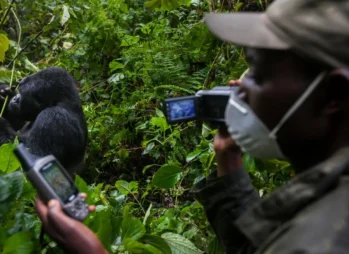
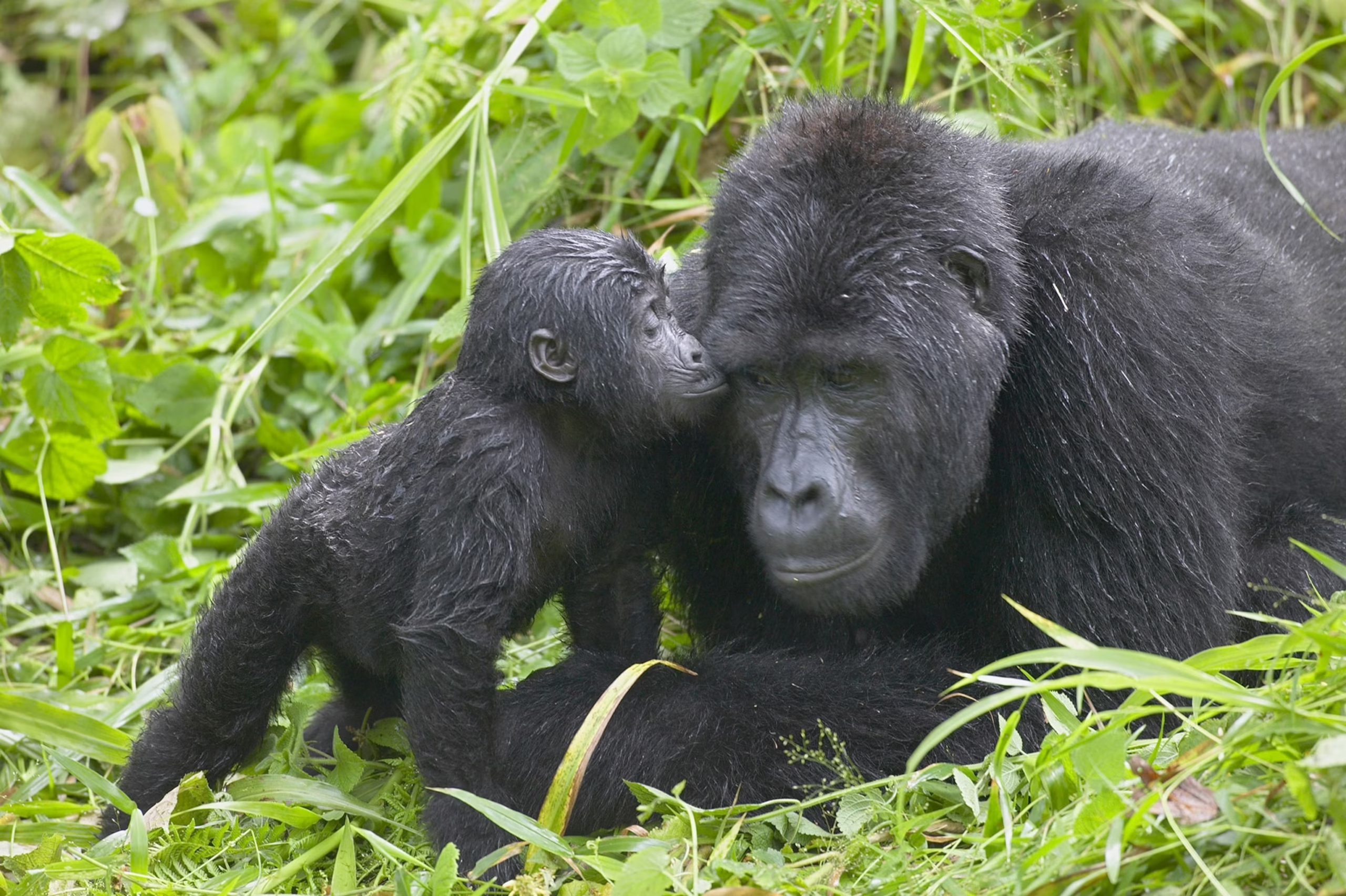
One detail that got lost in some of the international coverage is that gorilla trekking permits, national park access, and safari operations across Uganda were never restricted during the outbreak. Even at the height of the response, travellers continued visiting Bwindi Impenetrable National Park, Queen Elizabeth National Park, and Uganda's other parks without disruption.
This is because Uganda's confirmed cases were concentrated around Kampala and linked to specific points of entry from DRC, nowhere near the country's tourism circuits in the southwest, west, or north. Bwindi Impenetrable Forest, home to roughly half the world's remaining mountain gorillas, sits hundreds of kilometres from the affected health zones in Ituri Province.
If you have been researching whether it is safe to trek gorillas during a period like this, our earlier guide, Is Gorilla Trekking Safe During the Ebola Outbreak?, walks through exactly how Uganda's screening and containment measures worked while the outbreak was active. With the outbreak now formally over, that guidance has effectively been proven correct by the outcome.
The Situation Next Door in the DRC
While Uganda has closed this chapter, it is honest to acknowledge that the picture in the Democratic Republic of Congo remains serious. As of late July 2026, the DRC has reported more than 3,200 confirmed cases and over 1,400 related deaths, making this the fastest-growing Ebola outbreak on record, edging close to the scale of the historic 2018 to 2020 outbreak, the largest ever documented.
This regional context matters for two reasons. First, it explains why Uganda's Ministry of Health has said it will keep enhanced surveillance running at border crossings with the DRC, precisely the kind of vigilance that caught and contained every case during this outbreak. Second, it is a reminder that Uganda's safety record was not a matter of luck. It reflects a health system that identifies, isolates, and treats cases quickly, even while a much larger crisis continues across the border.
None of the ongoing activity in DRC's Ituri, North Kivu, or South Kivu provinces affects travel to Uganda's national parks, which remain geographically and operationally separate from those areas.
What This Means for Your Safari Plans
If you have been holding off on booking a Uganda safari or gorilla trekking permit while waiting for clarity, here is where things stand today:
- Uganda is open and considered safe for travel, including every national park and gorilla trekking region in the country.
- There are no entry restrictions or special health screenings currently required for travellers visiting Uganda for safari purposes.
- Gorilla permits are being issued and honoured as normal through the Uganda Wildlife Authority, with no outbreak-related delays.
- Border monitoring with the DRC continues, but this operates independently of tourist travel and does not affect standard safari itineraries in Bwindi, Mgahinga, Queen Elizabeth, or Murchison Falls.
- Standard travel health precautions are still good practice, as they always are in this part of the world: regular hand hygiene, avoiding contact with wild animal carcasses or bushmeat, and following your guide's instructions during any wildlife encounter.
If you are new to gorilla trekking and want a full sense of what a trip involves now that the outbreak has ended, our Complete Gorilla Trekking Africa Guide covers permit costs, the four trekking sectors of Bwindi, and what to expect on trek day. If you'd like to understand the permit booking process itself, our Uganda Gorilla Trekking Permits guide breaks down the steps and pricing. For the practical side of preparing for your trip, our Ultimate Gorilla Trekking Packing List is worth a look before you fly.
Uganda's Track Record: Why This Outcome Isn't Surprising
For travellers unfamiliar with the region, it can be tempting to assume any Ebola outbreak is a sign of a fragile health system. Uganda's history tells a very different story. The country has faced Ebola and the closely related Marburg virus more times than almost anywhere else in the world, including outbreaks in 2000, 2007, 2012, 2019, 2022, and 2025, and has successfully contained every single one.
That repeated experience has built something valuable: a national response system that knows exactly what to do from day one. Isolation units, trained rapid-response teams, contact tracing protocols, and community health education are not improvised during a crisis in Uganda, they are already in place. This is a large part of why the 2026 outbreak, despite its dangerous strain and cross-border origin, was brought under control in roughly two months while the same virus continued spreading in DRC.
For safari travellers, this track record is arguably more reassuring than a simple "no cases" headline. It shows a country that has repeatedly demonstrated it can detect, isolate, and stop this specific disease before it threatens the broader population or the tourism sector that so much of the country depends on.
The Bigger Picture: Uganda Remains One of Africa's Safest Safari Destinations
It is easy to let outbreak headlines overshadow the fact that Uganda continues to rank among the most stable and welcoming countries in East Africa for travellers. Political stability, a well-developed tourism infrastructure, and decades of experience hosting international visitors for gorilla trekking, wildlife safaris, and adventure tourism have not changed because of this outbreak.
Uganda holds accreditation from the Uganda Tourism Board (UTB), the Uganda Wildlife Authority (UWA), and industry bodies like AUTO and TUGATA, the same institutions that oversaw park operations and permit issuance throughout the outbreak without interruption. The parks stayed open. The lodges stayed open. The gorilla families, most importantly, continued to be monitored and protected by rangers exactly as they always are.
If anything, this episode is a useful case study in why travellers should look past alarming headlines and toward verified, official sources before changing their travel plans. Throughout the outbreak, the actual risk to a tourist on a gorilla trekking circuit in Bwindi or a game drive in Queen Elizabeth National Park was, at every point, extremely low, and it is now effectively zero.
A Note on Travel Insurance and Peace of Mind
Even with Uganda officially Ebola-free, we always recommend travellers take out comprehensive travel insurance that covers medical evacuation, trip cancellation, and health emergencies, the same advice we would give for any international trip, regardless of the destination. This is simply good travel practice, not a signal of elevated risk.
If you already delayed or postponed a booking earlier this year while waiting for clarity on the outbreak, now is a good time to revisit those plans. Gorilla permits for popular travel windows, particularly the June to September and December to February dry seasons, tend to sell out months in advance, and demand is likely to pick up quickly now that the health situation has been formally resolved.
Frequently Asked Questions
Is it safe to travel to Uganda now? Yes. With Uganda Ebola-free confirmed by the Ministry of Health, the country has no active or potential Ebola cases, following a completed 42-day monitoring period with zero new infections. Tourism operations, including gorilla trekking, continued without interruption throughout the outbreak.
Do I need any special vaccinations or health documents to visit Uganda? Ebola has no licensed vaccine, and none is required for travel. Standard Uganda entry requirements, such as a yellow fever vaccination certificate, remain unchanged and unrelated to the recent outbreak.
Will my gorilla trekking permit still be honoured? Yes. Permits issued through the Uganda Wildlife Authority were never suspended or affected during the outbreak, and trekking continues as normal across all sectors of Bwindi and Mgahinga.
Is the outbreak in Congo a risk to my Uganda safari? No. The affected health zones in DRC are geographically distant from Uganda's tourism circuits, and Uganda's border areas remain under close monitoring specifically to keep it that way.
Where can I read official updates on the situation? The World Health Organization and Uganda Ministry of Health's Ebola updates page both publish regular, verified updates on the outbreak and the ongoing regional response.
Ready to Plan Your Uganda Safari?
With Uganda officially Ebola-free and its parks, lodges, and gorilla families exactly as ready to welcome you as ever, there has never been a better time to lock in your safari dates. Whether you are drawn to a classic gorilla trekking itinerary in Bwindi, a combined Uganda and Rwanda adventure, or a longer circuit taking in Queen Elizabeth National Park's tree-climbing lions, our team at Tulambule Uganda Safaris can help you plan with confidence from start to finish.
Contact us, Check out our Ready made Itineraries or build your safari to start planning your trip. We handle everything from permit booking to full itinerary design, so all you need to bring is your sense of adventure.
Sources: World Health Organization (WHO), Uganda Ministry of Health, Africa Centres for Disease Control and Prevention (Africa CDC)