Live Like a Bahima Herder: Farm Stays Near Lake Mburo National Park
Most travelers experience Lake Mburo National Park from the seat of a safari vehicle or on foot during a walking safari, watching zebras and impalas graze across open grassland. Far fewer travelers realize that the very culture responsible for preserving this landscape in the first place is still living, breathing, and welcoming visitors just beyond the park boundary.
A Homestay Near Lake Mburo offers exactly that opportunity, inviting travelers into the daily rhythms of Bahima cattle-keeping families whose ancestors shaped this land long before it became a national park. This guide walks through what a Homestay Near Lake Mburo actually involves, who the Bahima are, and how to build this genuinely immersive cultural experience into your Uganda itinerary. For travelers who want their safari to include real human connection alongside wildlife encounters, few activities anywhere in southwestern Uganda offer as direct and unscripted a window into another way of life.
Who Are the Bahima
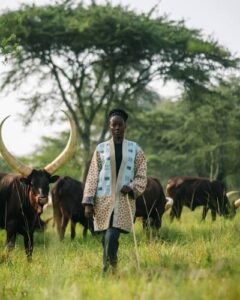
Understanding a Homestay Near Lake Mburo starts with understanding the people who host it. The Bahima are a pastoralist community within the larger Banyankole ethnic group of southwestern Uganda, historically distinguished from the Bairu, the region's crop-cultivating farmers, by their deep, generations-old commitment to cattle keeping. The Bahima and Bairu share the Runyankole language and much of their broader cultural heritage, but the Bahima's identity has remained inseparable from a single, unmistakable animal: the long-horned Ankole cow.
Ankole cattle, a breed of Sanga long-horned cattle known locally as Enyemebwa, meaning beautiful cows, are bred for their striking, deep red-brown coats and dramatically long, graceful horns rather than purely for meat or milk yield. Owning cattle recognized as Enyemebwa carries genuine social weight within Bahima communities, and a family's herd size and quality have traditionally signaled wealth and status in a way few other possessions could match. This kind of farm stay puts visitors directly in contact with this living tradition, offering a rare, unfiltered look at a culture built almost entirely around the careful stewardship of these remarkable animals.
The Story Behind Lake Mburo and the Bahima
The land now protected as Lake Mburo National Park was once known to the Bahima as Karo Kurungi, meaning beautiful land, and understanding this history adds real depth to any Homestay Near Lake Mburo experience. The Bahima believed the beauty and success of their Ankole cattle depended directly on preserving this landscape exactly as it was, unfenced, uncropped, and unfarmed, which meant actively resisting pressure from farming communities to convert the open range into cultivated land.
When the park was first gazetted, tension between conservation authorities and the Bahima communities who had grazed this land for generations grew considerably, eventually leading to the park being downsized and reopened in 1986 with land returned to surrounding communities.
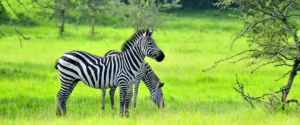
That history is precisely why Lake Mburo feels different from Uganda's other national parks today, remaining unfenced and managed in a way that acknowledges Banyankole cultural values alongside wildlife protection. Visitors on game drives sometimes spot Ankole cattle grazing alongside zebras within sight of the park boundary, a visual reminder of how closely intertwined this landscape remains with the pastoralist culture that shaped it long before conservation authorities arrived. A Homestay Near Lake Mburo lets travelers step directly into that ongoing story, meeting the descendants of the very communities whose cultural values helped determine how this park exists today.
What Happens During a Homestay Near Lake Mburo
A typical Homestay Near Lake Mburo begins with a warm welcome at a family's traditional homestead, often a cluster of grass-thatched huts or more modern structures arranged around a central cattle enclosure known as a kraal. Hosts typically walk visitors through the daily rhythm of pastoralist life, starting with the early morning routine of milking, a skill passed down through generations and demonstrated with a practiced ease that visitors are frequently invited to attempt themselves, usually to considerable laughter from the watching family.
Beyond milking, a Homestay Near Lake Mburo often includes participating in herding cattle out to graze, learning to identify individual animals by their horn shape and coat pattern, and hearing firsthand about the cultural significance embedded in something as simple as a well-formed set of horns. Many host families also demonstrate traditional food preparation, particularly dishes built around milk, ghee, and millet, giving visitors a genuine taste of Bahima cuisine alongside the broader cultural experience. Storytelling rounds out many visits, with elders sharing oral history, proverbs, and songs that have carried Bahima culture forward through generations without the aid of written records.
Traditional Bahima Cuisine and Hospitality
Food plays a central role in any genuine Homestay Near Lake Mburo, reflecting just how deeply cattle culture shapes daily Bahima life. Milk features prominently in almost every meal, whether served fresh, fermented into a yogurt-like product called eshabwe, or churned into ghee used for cooking and as a traditional cosmetic applied to the skin and hair. Millet, historically exchanged with neighboring Bairu farming communities in return for milk and cattle products, remains a staple carbohydrate served alongside various meat and vegetable dishes.
Hospitality itself carries deep cultural weight within Bahima tradition, and guests on a Homestay Near Lake Mburo are typically welcomed with considerable warmth, often offered fresh milk immediately upon arrival as a traditional gesture of goodwill. Sharing a meal with a host family, seated together in or near the homestead, tends to be one of the most memorable parts of the entire experience, offering genuine insight into a culture where generosity and community remain central values despite the pressures of modern life gradually reshaping pastoralist traditions across the region.
Language, Songs, and Oral Tradition
Much of what makes Bahima culture so richly textured comes through in language and oral tradition, elements that often surface naturally during a farm stay visit. Runyankole, the language shared across the broader Banyankole community, carries within it an entire vocabulary specifically built around cattle, with distinct terms describing coat colors, horn shapes, ages, and temperaments that would require entire sentences to convey in English. Hosts often take genuine pleasure in teaching visitors a handful of these terms, along with simple greetings and phrases, turning a farm visit into an informal language lesson alongside everything else on offer.
Traditional songs, some composed specifically in praise of particularly beautiful or beloved animals within a family's herd, remain part of everyday life for many Bahima households, passed down informally rather than through any formal system of written notation. Visitors who happen to hear these performed, whether during milking, herding, or simply gathered around in the evening, often describe the experience as one of the most moving parts of their entire visit, offering a direct emotional connection to a culture that outsiders rarely encounter through guidebooks or museum displays alone.
Proverbs and short stories passed down through generations frequently accompany mealtimes as well, with elders using these moments to share wisdom, humor, and history in a format that has sustained Bahima identity for centuries without relying on written records.
Cultural Centres and Complementary Experiences
For travelers who want additional context before or after a Homestay Near Lake Mburo, the Igongo Cultural Centre near Mbarara offers a dedicated museum, restaurant, and accommodation built specifically around Ankole heritage, providing useful background on Banyankole history, traditional dress, music, and customs. Many operators combine a visit to Igongo with an actual homestay, giving travelers both the curated historical context of a museum setting and the unscripted, lived reality of spending time with an actual pastoralist family.
This pairing works particularly well for travelers with limited time who still want a meaningful cultural dimension to their Lake Mburo visit, since Igongo's polished exhibits complement rather than replace the genuine, unrehearsed nature of an actual Homestay Near Lake Mburo. Together, the two experiences give visitors both the broader historical narrative of Ankole culture and a direct, personal connection to the people still living that culture today.
Combining a Homestay With Wildlife Activities at Lake Mburo
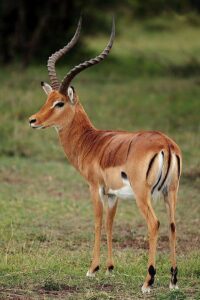
One of the strongest arguments for adding a Homestay Near Lake Mburo to your itinerary is how naturally it complements the park's wildlife activities. Because Lake Mburo has no resident lions or elephants, it already offers some of Uganda's gentlest, most immersive wildlife experiences, including walking safaris, horseback rides, and boat cruises across the lake itself. A cultural homestay slots naturally into this same unhurried rhythm, giving travelers a full day that might begin with an early morning game walk among zebras and impalas and end with an afternoon spent milking cattle and sharing a meal with a Bahima family.
This combination reflects something genuinely unique about the Lake Mburo area, since the same open, unfenced landscape that supports the park's wildlife also sustains the pastoralist culture responsible for shaping it. Few destinations anywhere in Uganda allow travelers to move this seamlessly between wildlife viewing and cultural immersion within a single, compact area, and a Homestay Near Lake Mburo is precisely the activity that ties these two threads together into one coherent, deeply memorable day.
Responsible Tourism and Supporting Host Communities
Because a Homestay Near Lake Mburo brings visitors directly into a family's home rather than a staged cultural centre, responsible planning matters considerably. Working with an experienced local operator ensures that a fair share of tourism revenue reaches the hosting family directly, rather than being absorbed disproportionately by intermediaries, and helps confirm that visits are arranged with genuine consent and appropriate cultural sensitivity rather than treating families as a passive tourist attraction.
Simple courtesies go a long way during a Homestay Near Lake Mburo, including asking permission before taking photographs, dressing modestly, and approaching the visit with genuine curiosity rather than a checklist mentality focused purely on collecting an experience. Many host families welcome the opportunity to share their culture and earn supplementary income beyond traditional cattle keeping, particularly as economic pressures and land use changes continue reshaping pastoralist life across the Ankole region, making thoughtful, well-organized tourism a genuinely meaningful source of support alongside the cultural exchange itself.
Best Time to Experience a Homestay Near Lake Mburo
A Homestay Near Lake Mburo is possible throughout the year, since daily pastoralist life continues regardless of season, though Uganda's dry months, roughly June through September and December through February, tend to align with the broader peak season for combining a homestay with wildlife activities in the park itself. Visiting during these windows means firmer roads for game drives and walking safaris alongside the homestay, while the wetter shoulder seasons offer a quieter, less crowded experience across the wider Lake Mburo area for travelers less concerned with guaranteed dry conditions.
Because cattle herding follows its own daily rhythm regardless of tourist season, morning visits tend to offer the richest experience, coinciding with the milking routine and the herding of cattle out to graze, both central activities that give a Homestay Near Lake Mburo its genuine, unscripted character.
The Deeper Meaning Behind Ankole Cattle
To truly understand what makes a Homestay Near Lake Mburo so culturally rich, it helps to appreciate just how central Ankole cattle are to Bahima identity beyond their practical value as a source of milk and meat. Within Bahima tradition, cattle function as a form of living currency, central to marriage negotiations, social status, and the transfer of wealth between generations. A family's herd represents decades, sometimes generations, of careful breeding and stewardship, with individual animals often known by name and distinguished by the shape and length of their horns, coat pattern, and temperament.
This depth of connection means a Homestay Near Lake Mburo offers far more than a simple farm visit. Hosts frequently describe the personality and history of specific animals within their herd, treating cattle not as interchangeable livestock but as individuals woven into the family's own story. Traditional songs and poetry celebrating the beauty of Ankole cattle remain part of Bahima oral culture, and visitors fortunate enough to hear these performed during a homestay gain genuine insight into just how deeply this pastoralist identity runs, extending well beyond agriculture into art, status, and spiritual meaning.
Traditional Dress and Homestead Life
Beyond cattle themselves, a Homestay Near Lake Mburo often introduces visitors to traditional Bahima dress and homestead architecture, both shaped by centuries of pastoralist life adapted to this particular landscape. Traditional attire, including beaded jewelry and wraps in earthy tones, reflects both practical considerations suited to an outdoor, cattle-centered lifestyle and symbolic markers of status within the community. Homesteads themselves, historically built from local materials like grass thatch and timber, are typically arranged around a central kraal where cattle are enclosed at night for protection from predators and theft, with family living quarters positioned nearby.
Visitors on a Homestay Near Lake Mburo often find themselves particularly struck by how the entire physical layout of a homestead reflects the centrality of cattle to daily life, with human living space essentially organized in service of the herd's wellbeing rather than the other way around. This spatial arrangement offers a subtle but genuinely revealing glimpse into a worldview where cattle stewardship is not simply an economic activity but the organizing principle around which the rest of life unfolds.
Planning Your Visit and What to Bring
A little preparation helps travelers get the most out of a Homestay Near Lake Mburo. Modest, comfortable clothing suited to walking across open grassland and potentially assisting with herding or milking is worth packing, along with closed shoes given the presence of livestock and occasionally uneven ground around the homestead. A hat and sun protection are worth carrying given how much of the visit takes place outdoors, and a camera is essential, though asking permission before photographing individual family members remains an important courtesy throughout the experience.
Bringing a small gift, though never expected, is sometimes appreciated as a gesture of goodwill, and operators experienced in arranging a Homestay Near Lake Mburo can advise on culturally appropriate options if travelers wish to bring something beyond the standard tourism fee already supporting the host family. Approaching the visit with genuine curiosity, a willingness to try tasks like milking even if unsuccessful at first, and patience with the pace of pastoralist life, considerably slower and more deliberate than most visitors' daily routines back home, all contribute to a richer, more mutually rewarding exchange between host and guest.
Common Questions About Homestays Near Lake Mburo
Travelers considering this experience for the first time tend to ask a similar set of questions. How long does a typical homestay last? Most visits run between two and four hours, though some operators offer overnight homestay options for travelers wanting a more immersive, extended experience with a host family. Is a Homestay Near Lake Mburo suitable for children? Generally yes, since the activities involved, milking, herding, and shared meals, tend to be gentle and genuinely engaging for younger visitors, particularly those curious about animals and rural life.
Do host families speak English? Many hosts speak at least some English, particularly in areas accustomed to tourism, though a local guide typically accompanies visits to help translate and provide additional cultural context throughout the experience. Can a homestay be combined with a visit to the Igongo Cultural Centre? Yes, and this pairing has become increasingly popular, giving travelers both the museum-based historical context and the lived, personal experience of an actual Homestay Near Lake Mburo within the same day or overnight stop near Mbarara.
Is this experience available through most Lake Mburo lodges? Many lodges and operators in the area can arrange a homestay visit as part of a broader itinerary, though booking ahead ensures a specific host family has time to prepare for the visit.
Why a Homestay Near Lake Mburo Deserves a Place on Your Itinerary
For travelers who want their Uganda trip to include more than wildlife alone, a Homestay Near Lake Mburo offers a genuinely rare opportunity to step directly into the daily life of a culture whose values shaped the very landscape safari travelers come to see. From milking Ankole cattle at dawn to sharing a traditional meal and hearing stories passed down through generations, this experience connects visitors to the Bahima people in a way no game drive or lodge stay alone ever could. Reach out to Tulambule Uganda Safaris to build a Homestay Near Lake Mburo into your itinerary, alongside walking safaris, boat cruises, and the rest of what this remarkable corner of Uganda has to offer.