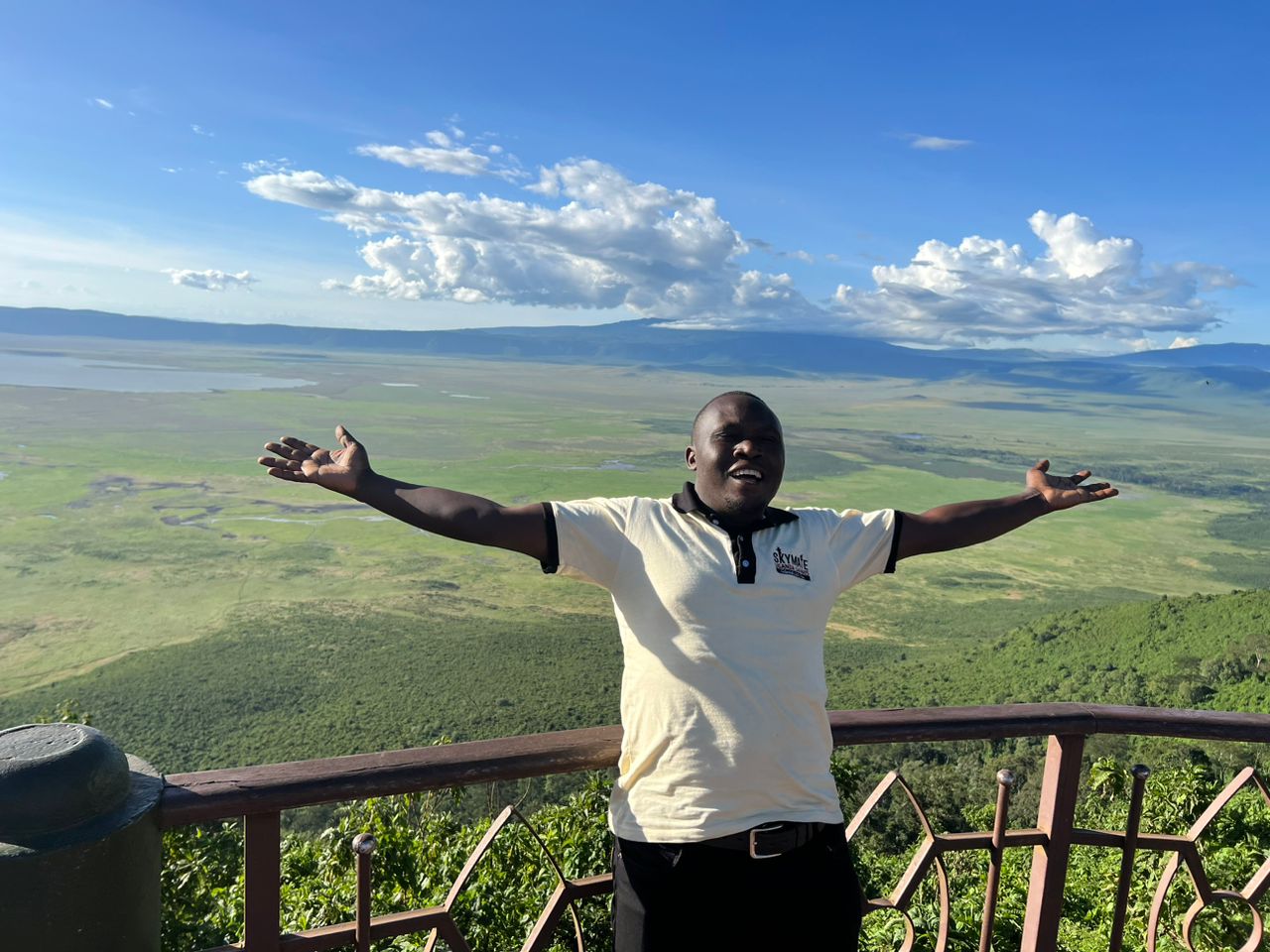
Lake Mburo National Park is Uganda's closest savannah safari to Kampala and the only park in the country where you can see impala. Zebras, eland, giraffes, buffalo and leopards share its rolling hills, acacia woodland and lakes, and because there are no lions or elephants, you can explore on foot, by bike and on horseback as well as by vehicle and boat.
Whether you are a keen birder, a first-time safari traveller or a Kampala resident looking for a weekend escape, this guide covers everything you need to know: where the park is, its fascinating history, the animals and birds, the 8 amazing activities you can enjoy, where to stay, entrance fees and the best time to visit.
Lake Mburo National Park at a Glance
| Location | Kiruhura District, western Uganda, between Masaka and Mbarara |
| Size | About 370 square kilometres, Uganda's smallest savannah national park |
| Drive from Kampala | About 3.5 to 4 hours (roughly 230 km) |
| Gazetted | 1983 as a national park |
| Signature wildlife | Zebra, impala, eland, giraffe, buffalo, leopard, hippo |
| Birds | About 350 species, including the African finfoot |
| Managed by | Uganda Wildlife Authority |
| Best for | Short safaris, walking and horseback safaris, birding, a stop on the way to Bwindi |
Where Is Lake Mburo National Park and How Do You Get There?
Lake Mburo National Park lies in the Ankole region of western Uganda, close to the town of Mbarara and roughly halfway between Kampala and the gorilla forests of the southwest. The drive from Kampala takes about 3.5 to 4 hours on the Kampala to Mbarara Highway, usually with a stop at the Equator. Most visitors enter through the Nshara Gate or the Sanga Gate, both a short drive off the highway.
Because of its location, Lake Mburo is a perfect first or last stop on a gorilla safari. It breaks the long drive to Bwindi Impenetrable National Park into two comfortable days and adds a real savannah safari to your trip. Charter flights can also land at Mbarara, about an hour's drive from the park.
Living in Kampala? Lake Mburo is one of the best weekend getaway safaris from Kampala.
The Story of Lake Mburo National Park
Long before it became a protected area, this land was home to Bahima pastoralists, who called it "Karo Karungi", meaning "beautiful land". Their long-horned Ankole cattle grazed the open plains, moving with the rains. Because the Bahima did not fence or farm the land, the grasslands could rest and recover, and the savannah stayed open and wild.
The area became a game reserve and was then upgraded to a national park in 1983. Local herders were moved off their land with little consultation, and when the government of the day fell in 1985, many returned, chased out park staff and killed much of the wildlife.
In 1986 the new government reopened the park but reduced its size, returning part of the land to local communities. Today Lake Mburo National Park is unfenced, and park management works closely with neighbouring communities. Visitors often see Ankole cattle grazing near zebras on the edge of the park, a living reminder that people and wildlife share this landscape.
Landscape and Lakes
Lake Mburo National Park sits in a rain shadow between Lake Victoria and the Rwenzori Mountains, so it is drier than much of Uganda. Its rolling hills, open grassland, acacia woodland, rocky ridges, forest galleries and swamps create many different habitats in a small area.
About a fifth of the park is wetland. Lake Mburo is the largest of the 5 lakes in the park and is part of a wider system of 14 lakes linked by swamps. From the Kazuma lookout, you can see several of these lakes at once, one of the best views in the park.
Animals in Lake Mburo National Park
Lake Mburo National Park is home to about 68 mammal species. Highlights include:
- Impala: Lake Mburo is the only park in Uganda where you can see them.
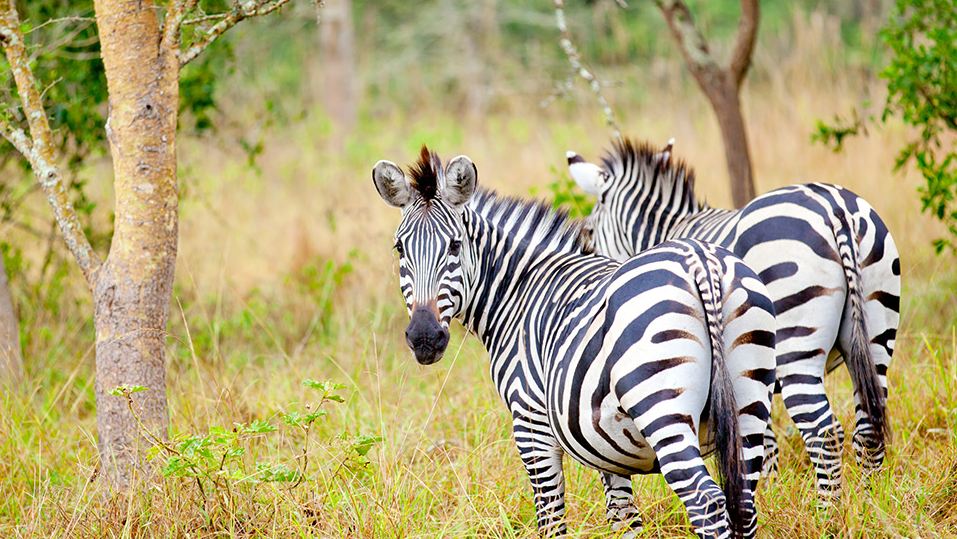
- Plains zebra: large herds roam the park, and Kidepo Valley is the only other Ugandan park where you will find them.
- Eland: Africa's largest antelope.
- Rothschild's giraffe: moved here from Murchison Falls National Park in 2015.
- Buffalo, topi, waterbuck, oribi, bushbuck and Bohor reedbuck: easy to see on game drives.
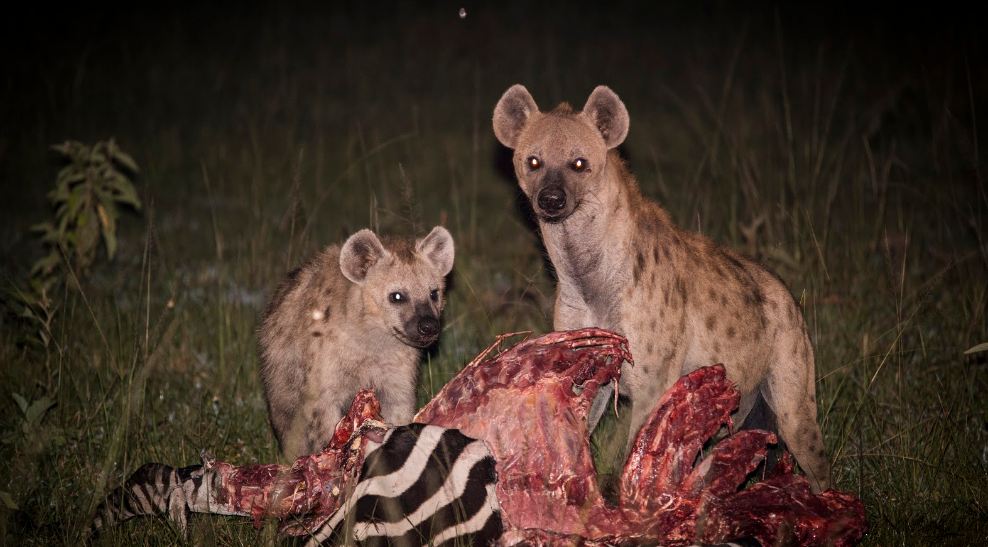
- Leopards and spotted hyenas: the top predators, best seen on night drives.
- Hippos and Nile crocodiles: in the lakes, best seen by boat.
- Smaller mammals: warthog, bush pig, genets, bush babies, mongooses, vervet monkeys, olive baboons and three kinds of otter.
There are no lions or elephants in the park. For lions, visit Queen Elizabeth National Park or Murchison Falls National Park.
Birds in Lake Mburo National Park
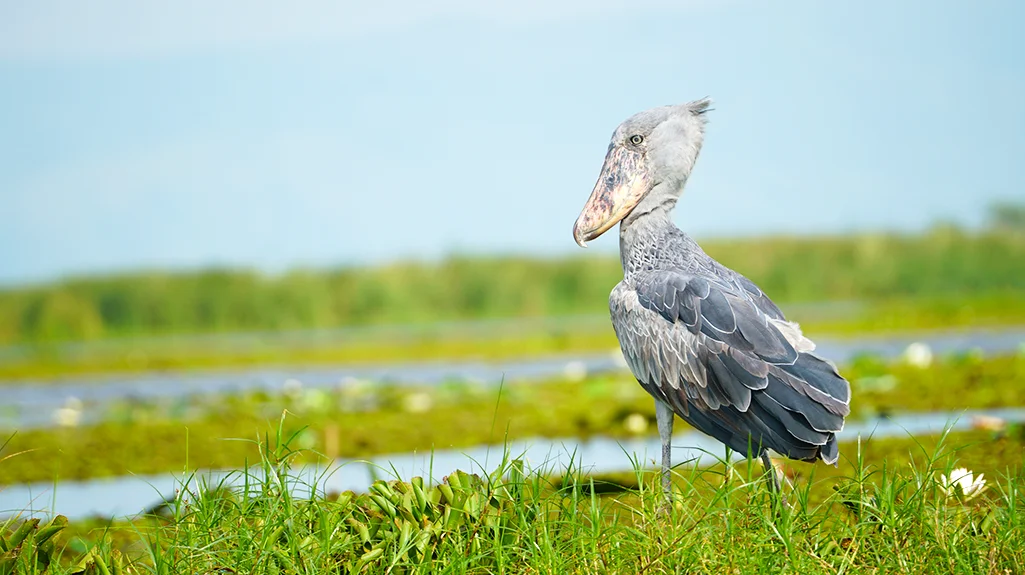
With about 350 bird species, Lake Mburo National Park is one of Uganda's best birding destinations, especially for acacia and wetland birds. It is one of the most reliable places in East Africa to see the shy African finfoot, often spotted from the boat along the lake shore. In the drier months, look for the brown-chested lapwing on open ground.
Other birds to look for include the red-faced barbet, Papyrus gonolek, black-headed gonolek, Ross's turaco, Narina trogon, lilac-breasted roller, green-winged pytilia, coqui francolin, rufous-bellied heron and white-backed night heron. Raptors include the African fish eagle, bateleur, brown snake eagle and African harrier-hawk. Read our Lake Mburo birding safari guide.
8 Amazing Activities in Lake Mburo National Park
1. Day Game Drives
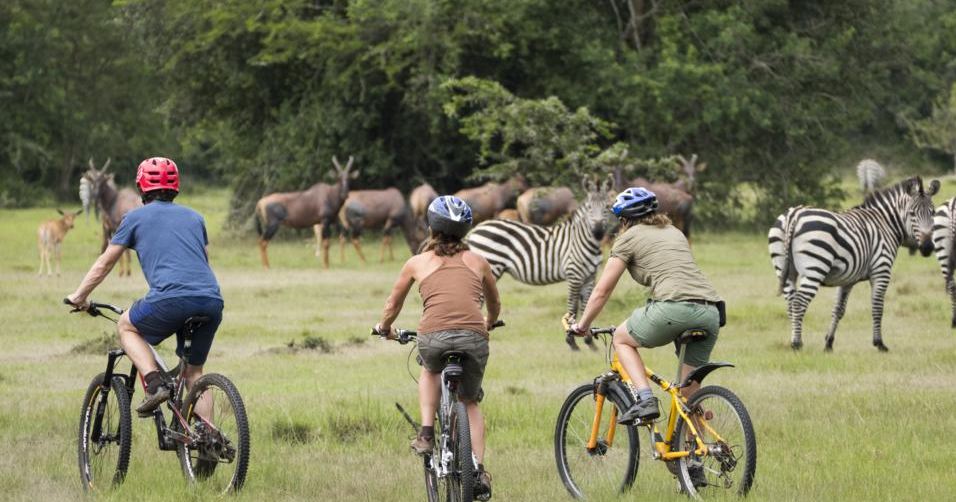
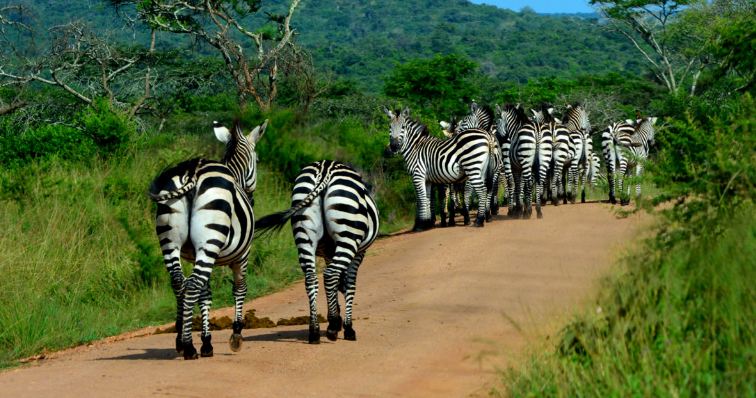
A network of tracks winds through the park. The Zebra Track and Research Track are favourites for zebra, impala, topi, buffalo and warthog, while the Kazuma lookout gives sweeping views over the lakes. Early morning and late afternoon are best for wildlife and photography.
2. Night Game Drives
Lake Mburo is one of the few Ugandan parks that offers night drives. With a ranger and a spotlight, you search for animals that are active after dark, including leopards, hyenas, genets, bush babies and porcupines.
3. Boat Cruise on Lake Mburo
A relaxing 2-hour boat cruise takes you past hippos, crocodiles and water birds, including the African fish eagle and, with luck, the African finfoot. Private cruises can also be arranged.
4. Walking Safaris
Lake Mburo National Park is one of the best places in Uganda to walk among wildlife. With an armed ranger, you can approach zebras, impala, eland and buffalo on foot and learn to read tracks and signs. Morning walks to the salt lick are especially rewarding. Read more about walking safaris in Lake Mburo.
5. Horseback Safaris
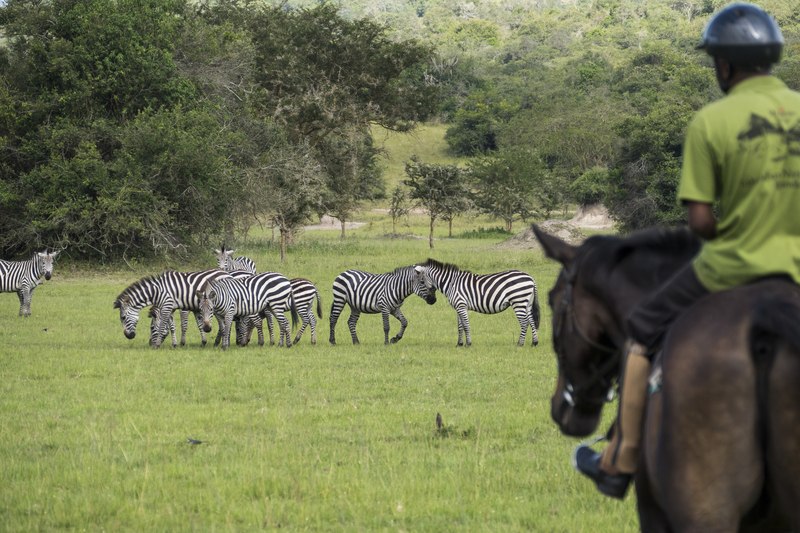
Riding on horseback lets you get remarkably close to zebras and eland, as many animals are relaxed around horses. Rides are offered from Mihingo Lodge for beginners and experienced riders, and weight limits apply, so book in advance.
6. Cycling Safaris
Mountain bike rides take you along park tracks and across neighbouring community land, where wildlife and cattle often graze side by side. The hills make it a good workout, so it suits active travellers.
7. Bird Watching
Birding is excellent on game drives, boat cruises and nature walks. The swamps around Warukiri and the Rwonyo area are popular spots, and an early start gives the best results.
8. Cultural Visits
Walk or cycle to a traditional Bahima homestead to learn about Ankole culture. You can see the famous long-horned Ankole cattle up close, try milking, learn how ghee is made and taste fresh milk. You can also visit a nearby fishing village. For a deeper experience, stay on a farm stay near Lake Mburo.
Where to Stay in Lake Mburo National Park
Lake Mburo National Park has lodges and camps inside and just outside the park for every budget:
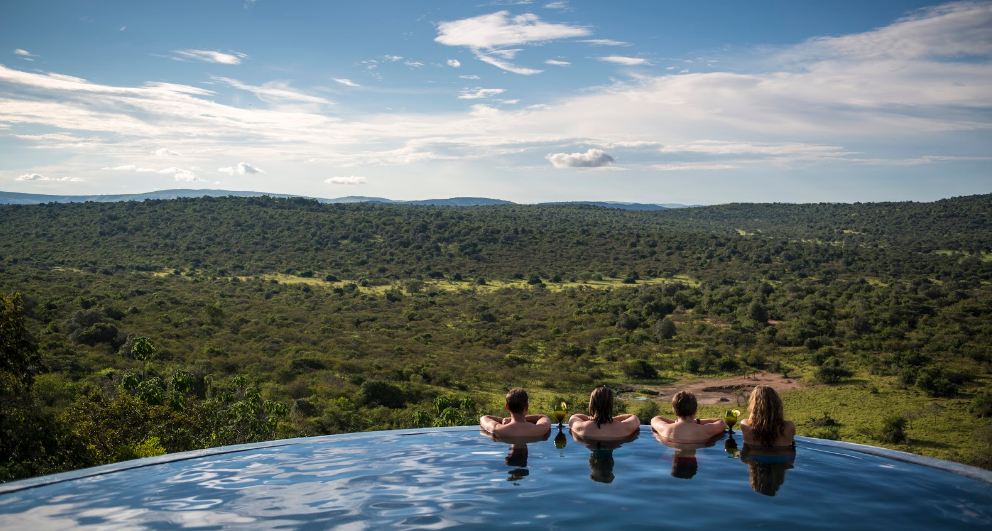
- Mihingo Lodge: luxury tented rooms, an infinity pool and horseback safaris.
- Kigambira Safari Lodge: upmarket cottages with park views.
- Rwakobo Rock: a popular midrange lodge on a rocky hill near Nshara Gate.
- Eagle's Nest: a budget-friendly hilltop camp.
- Leopard Rest Camp: simple, affordable accommodation close to the park.
Compare them in our guide to the 5 best lodges in Lake Mburo National Park.
Lake Mburo National Park Safari Packages
Our safaris to Lake Mburo National Park range from short wildlife trips to longer journeys that combine gorillas, chimpanzees and Uganda's other savannah parks:
- 2 Days Lake Mburo Wildlife, Boat Cruise and Walking Safari
- 3 Days Lake Mburo Safari, Boat Cruise, Game Drive and Game Walk
- 4-Day Lake Mburo and Bwindi Gorilla Safari
- 12 Days Uganda Safari: Big Five, Chimps, Gorillas and Culture
Many longer itineraries add chimpanzee tracking in Kibale Forest National Park and gorilla trekking in Bwindi. See our best Uganda gorilla safaris or ask us for a tailor-made trip.
Best Time to Visit Lake Mburo National Park
Lake Mburo National Park is open all year. The dry seasons, from June to August and December to February, are best for game viewing and walking safaris, as animals gather near the lakes and tracks are easier to drive. The wetter months of March to May and September to November bring green scenery, newborn animals, excellent birding and fewer visitors.
Lake Mburo National Park Entrance Fees
Entrance fees are set by the Uganda Wildlife Authority and are valid for 24 hours. At the time of writing, they are about US$40 per adult for foreign non-residents, US$30 for foreign residents and UGX 20,000 for East African citizens, with lower rates for children and student groups. Activities such as boat cruises, walks and night drives are paid separately. Fees can change, so contact us for the latest rates.
Lake Mburo National Park FAQs
How far is Lake Mburo National Park from Kampala?
About 230 km, or 3.5 to 4 hours by road on the Kampala to Mbarara Highway. That makes it the closest savannah national park to Kampala.
Are there lions in Lake Mburo National Park?
No. There are no lions or elephants in Lake Mburo, which is why walking, cycling and horseback safaris are possible. Leopards and hyenas are the main predators.
What animals can I see in Lake Mburo National Park?
Zebras, impala, eland, Rothschild's giraffes, buffalo, topi, waterbuck, warthogs, hippos, crocodiles and, with luck, leopards. It is the only park in Uganda with impala.
How many days do I need in Lake Mburo National Park?
One night is enough for a game drive and boat cruise. Two nights let you add a walking or horseback safari and a night drive at a relaxed pace.
When is the best time to visit Lake Mburo National Park?
June to August and December to February are best for wildlife. The green season from March to May and September to November is great for birds and photography.
Can I visit Lake Mburo on the way to Bwindi?
Yes. Lake Mburo lies on the route from Kampala to Bwindi Impenetrable National Park, so many travellers spend a night there on the way to or from gorilla trekking.
Plan Your Lake Mburo National Park Safari
Tulambule Uganda Safaris is 100% Ugandan-owned, accredited by the Uganda Tourism Board and the Uganda Wildlife Authority, and rated 4.9 stars on TripAdvisor. We have planned safaris to Lake Mburo National Park since 2014. Call or WhatsApp +256 782 915 447, or email info@tulambule.com, for a free quote.