Africa is a continent of extraordinary scale, and nowhere is that grandeur more evident than in its mountains. From the snow-capped summit of Kilimanjaro rising above the Tanzanian savannah to the glacial peaks of the Rwenzori Mountains straddling the Uganda-Congo border, Africa mountain climbing tours offer adventurers an experience unlike any other on earth. Whether you are a first-time trekker seeking an iconic bucket-list summit or a seasoned mountaineer chasing technical high-altitude routes, Africa has a peak for you.
Tulambule Uganda Safaris, we have spent years crafting bespoke Africa mountain climbing tours that combine expert guiding, carefully planned logistics, and deep respect for the natural and cultural landscapes our clients pass through. This guide covers everything you need to know about planning your climb from choosing the right mountain to understanding fitness requirements, best seasons, and what to expect on the trail.
Why Choose Africa for Your Mountain Climbing Adventure?
The case for Africa mountain climbing tours is compelling. The continent is home to some of the world's most accessible high-altitude peaks, many of which require no technical climbing experience. Unlike the Himalayas, where summit attempts can demand months of acclimatization and specialist gear, African peaks such as Kilimanjaro and Mount Kenya offer structured routes where guided trekking is sufficient to reach the top.
Beyond accessibility, what makes Africa mountain climbing tours truly special is the biodiversity you encounter on the way up. Climbers transition through distinct ecological zones montane forest, moorland, alpine desert, and glacial summits each hosting unique flora and fauna found nowhere else on the planet. You may spot mountain gorillas in the Bwindi forests, golden monkeys in the Virungas, or the iconic giant lobelia plants of the Rwenzori.
Africa's mountains are also deeply embedded in local culture and history. The Rwenzori Mountains were known to ancient geographers as the Mountains of the Moon, believed to be the source of the Nile. Kilimanjaro has been a symbol of Tanzania's national identity since independence. Climbing these peaks places you within a living story that stretches back centuries.
Top Destinations for Africa Mountain Climbing Tours
1. Mount Kilimanjaro, Tanzania, the Roof of Africa
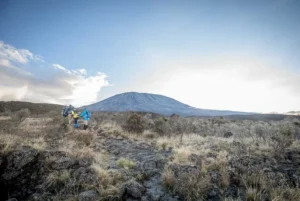
Standing at 5,895 meters above sea level, Mount Kilimanjaro is the highest peak in Africa and the world's tallest free-standing mountain. It is also the centerpiece of any list of premier Africa mountain climbing tours. Located within Kilimanjaro National Park in northern Tanzania, this iconic volcano attracts tens of thousands of climbers every year.
Kilimanjaro offers several established routes including the Machame, Marangu, Lemosho, and Rongai trails, each varying in duration, scenery, and degree of difficulty. The Lemosho route is widely considered the best in terms of acclimatization profile and wilderness scenery, taking between seven and nine days to complete. Kilimanjaro National Park is managed by the Tanzania National Parks Authority (TANAPA), which maintains strict regulations on guided climbing to ensure both safety and conservation.
No technical mountaineering skills are required to summit Kilimanjaro, but physical fitness and proper acclimatization are essential. Success rates on guided climbs typically exceed 85% when an appropriate route and sufficient days are chosen. Our Tanzania safari packages can be seamlessly combined with a Kilimanjaro climb for the ultimate East African adventure.
2. Rwenzori Mountains, Uganda — The Mountains of the Moon
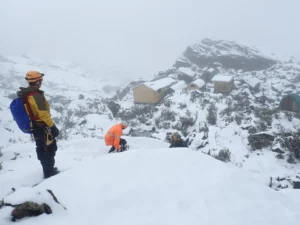
Few Africa mountain climbing tours carry the mystique of the Rwenzori Mountains. This UNESCO World Heritage Site straddles the border between Uganda and the Democratic Republic of Congo, with the highest point Margherita Peak on Mount Stanley reaching 5,109 meters. The Rwenzori are among the most biodiverse mountain ecosystems in the world, sheltering Afro-alpine plants of extraordinary proportions, from giant heather trees to six-metre lobelias and towering groundsels.
Unlike Kilimanjaro, the Rwenzori Mountains present a genuinely technical climbing challenge above the snowline, requiring the use of ropes, crampons, and ice axes for the upper glacial sections. The standard route to Margherita Peak takes between seven and twelve days, depending on the itinerary. The mountains are managed by the Uganda Wildlife Authority (UWA), which administers Rwenzori Mountains National Park and oversees guiding standards.
Uganda safari packages include dedicated Rwenzori climbing expeditions for adventurers looking for a true off-the-beaten-track experience. The combination of Rwenzori trekking with gorilla trekking in Bwindi Impenetrable National Park makes for an exceptional Uganda itinerary.
3. Mount Kenya, Kenya — Africa's Second-Highest Peak
Mount Kenya, standing at 5,199 metres at Batian Peak, is the second-highest mountain in Africa and a crown jewel of Africa mountain climbing tours in East Africa. Located within Mount Kenya National Park a UNESCO World Heritage Site and Biosphere Reserve managed by the Kenya Wildlife Service (KWS) the mountain offers multiple routes ranging from the non-technical Point Lenana trek (4,985 m) to highly technical ascents of Batian and Nelion requiring advanced rock and ice skills.
The Sirimon and Naro Moru routes are the most popular trekking routes, taking between four and six days for acclimatized hikers. Mount Kenya's equatorial position means it sits virtually on the equator yet hosts permanent glaciers, making it a fascinating destination for understanding climate dynamics. Our Kenya safari packages can incorporate a Mount Kenya climbing component for clients seeking adventure alongside wildlife experiences in the Masai Mara.
- Virunga Volcanoes, Mount Bisoke, Mount Muhabura & Beyond
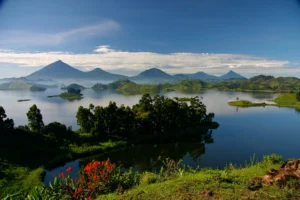
The Virunga volcanic chain spans Rwanda, Uganda, and the DRC, and several of its peaks feature prominently in Africa mountain climbing tours at altitude. Mount Bisoke (3,711 m), straddling the Rwanda-DRC border, is accessible from Rwanda and offers a rewarding day hike with a stunning crater lake at the summit. Mount Muhabura (4,127 m) in Uganda is a more demanding overnight expedition, rewarded with panoramic views across the Great Rift Valley.
The Virunga volcanoes are also the home of the endangered mountain gorilla, giving them a unique double significance for wildlife and adventure travelers. In Rwanda, climbing permits for the Virungas are managed by the Rwanda Development Board (RDB), which also administers gorilla trekking permits for Volcanoes National Park.
5. Mount Elgon, Uganda/Kenya — Africa's Oldest Extinct Volcano
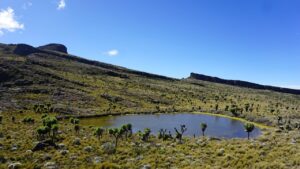
Straddling the border between Uganda and Kenya, Mount Elgon is one of Africa's most underrated trekking destinations and a hidden gem within the world of Africa mountain climbing tours. At 4,321 metres, Wagagai Peak is the highest point on the Ugandan side and is accessible via a multi-day trek through pristine montane forest and open moorland. Mount Elgon National Park on the Ugandan side is also managed by the Uganda Wildlife Authority.
What sets Mount Elgon apart is its massive ancient caldera at 40 kilometres in diameter, it is one of the largest calderas in the world and its network of caves carved out by elephants in search of mineral salts. Offers bespoke trekking packages to Mount Elgon as part of our wider Uganda adventure packages.
Best Time to Plan Africa Mountain Climbing Tours
Timing is critical for successful Africa mountain climbing tours. Most African mountain ranges experience two rainy seasons that can make trails slippery, visibility poor, and summit conditions dangerous. Understanding the optimal climbing windows for each peak is essential.
Kilimanjaro can be climbed year-round, but the best windows are January to March and June to October. The driest and clearest conditions occur between July and September, though this period also sees the highest climber volumes. The Rwenzori Mountains are notoriously wet year-round, but the drier months of June to August and December to February offer the best trekking conditions.
Mount Kenya is best climbed during January to February and July to October, when cloud cover is typically lower and temperatures more stable. The Virunga volcanoes in Rwanda and Uganda can be hiked throughout the year, though June to September and December to February are preferable. Mount Elgon is most accessible during the dry season from June to September.
Regardless of season, proper layering and rain gear are always essential on Africa mountain climbing tours, as mountain weather is inherently unpredictable. Our safari consultants will advise you on the best timing based on your personal schedule and summit goals. You can contact our team for personalised planning advice.
Physical Fitness and Training for Africa Mountain Climbing Tours
One of the most common questions from tourist planning Africa mountain climbing tours is how fit do I need to be? The honest answer depends entirely on which mountain you plan to climb. Kilimanjaro and Mount Elgon require solid aerobic fitness but no technical climbing skills. The Rwenzori Mountains and the technical peaks of Mount Kenya demand a higher baseline fitness level plus basic mountaineering competency.
For non-technical Africa mountain climbing tours, we recommend beginning a dedicated training programme at least three months before departure. Key training elements include long-distance hiking with a weighted pack (aim for three to four days per week), cardiovascular endurance work such as running or cycling, and altitude-specific acclimatization if possible. If you live at sea level, spending a few days at moderate altitude (2,000–3,000 metres) before your main climb will give your body a head start.
Altitude sickness (Acute Mountain Sickness or AMS) is a genuine consideration on all high-altitude Africa mountain climbing tours. Symptoms include headache, nausea, dizziness, and fatigue. The most effective prevention is a well-paced ascent with adequate acclimatization days built into the itinerary. Always selects routes and schedules that prioritise acclimatization, and our guides are trained in wilderness first aid and AMS management.
Essential Gear for Africa Mountain Climbing Tours
Packing correctly for Africa mountain climbing tours is critical. The gear requirements vary based on the mountain and route, but the following essentials apply to virtually all high-altitude African treks.
Layering system: A moisture-wicking base layer, insulating mid-layer (fleece or down jacket), and a waterproof, windproof outer shell are non-negotiable. Summit temperatures on Kilimanjaro can drop to -20°C or lower at night.
Footwear: Sturdy, waterproof trekking boots with ankle support that have been properly broken in are essential. For the Rwenzori Mountains and technical climbs, gaiters are highly recommended given the boggy terrain and waterlogged trails.
Trekking poles: These significantly reduce the impact on knees during descent and improve stability on uneven ground. Most rental options are available through our team or at mountain trailheads.
Hydration: A minimum of three litres of water capacity per day is recommended. Water purification tablets or a filter is useful on longer multi-day Africa mountain climbing tours where resupply points are limited.
Sun protection: UV radiation increases dramatically at altitude. Broad-spectrum sunscreen, UV-blocking sunglasses, and a wide-brimmed hat are essentials that many first-time mountain climbers underestimate.
Why Book Your Africa Mountain Climbing Tours with us?
Planning Africa mountain climbing tours across multiple countries and mountain ranges is a logistically complex undertaking. Tulambule Uganda Safaris has been organizing adventure travel across East Africa since 2014, and we bring deep on-the-ground expertise, established relationships with park authorities, and a genuine passion for Africa's wild places to every climb we plan.
Our Africa mountain climbing tours are fully customizable. Whether you want to combine a Kilimanjaro climb with a Serengeti safari, follow up your Rwenzori trek with chimpanzee trekking in Kibale National Park, or build a grand East Africa itinerary incorporating multiple peaks, we design every trip around your goals, fitness level, and timeline.
Every Africa mountain climbing tours package we offer includes certified local guides, all required national park permits, porters, camping or mountain hut accommodation as appropriate, and pre-trip fitness and gear briefings. Our guides are not only expert mountaineers they are also trained naturalists and cultural ambassadors who enrich every step of your climb with knowledge of the ecosystems and communities you pass through.
We also offer complementary extensions across the continent. After your climb, consider unwinding on the white-sand beaches of Zanzibar, exploring the Seychelles islands, or embarking on a Kenya safari in the Masai Mara. Tulambule can package all of this seamlessly under one expert roof.
You can learn more about who we are and how we work on our About Us page. We are fully committed to responsible, sustainable travel supporting local communities and conserving the wild landscapes that make Africa mountain climbing tours so extraordinary.
Frequently Asked Questions About Africa Mountain Climbing Tours
Do I need mountaineering experience for Africa mountain climbing tours?
Not necessarily. Mountains like Kilimanjaro, Mount Elgon, and the Virunga volcanoes are fully accessible to fit walkers with no technical experience. The Rwenzori Mountains and the technical peaks of Mount Kenya do require basic mountaineering skills including rope work, crampons, and ice axe us will always match you with a mountain and route appropriate to your experience level.
How long do Africa mountain climbing tours typically take?
Depending on the peak and route, Africa mountain climbing tours typically range from a four-day trek on Mount Bisoke to a twelve-day full Rwenzori expedition. Kilimanjaro routes range from five to nine days. We always recommend choosing a longer route where possible to allow proper acclimatization and improve your summit success rate.
Is altitude sickness a risk on Africa mountain climbing tours?
Altitude sickness is a genuine risk on all high-altitude Africa mountain climbing tours above 2,500 metres. The most effective mitigation is a properly paced ascent with built-in acclimatization days. Our guides monitor clients for AMS symptoms throughout the climb and carry emergency oxygen and evacuation equipment where required.
What is the best mountain in Africa for beginners?
Mount Bisoke in Rwanda's Volcanoes National Park is often recommended for beginners as a challenging but achievable day hike. For multi-day climbers new to high-altitude trekking, the Marangu route on Kilimanjaro is the most structured and supported option. advisors will help you identify the ideal starting point for your first Africa mountain climbing tour.
Related Packages
Uganda Gorilla Safaris

Uganda Birding Tours

Chimpanzee Trekking Uganda.

Zanzibar Holidays

Contact Our Experts