Personalised safaris in Uganda have become the preferred way to experience the country for a simple reason: Uganda is too geographically varied for a single fixed itinerary to represent it well. This is a country with ten national parks spread across savannah, rainforest, wetland, and volcanic highland, and no two travelers actually want to divide their time between them in the same way.
If you've ever scrolled through a fixed-departure safari package and thought "almost, but not quite," this guide walks through exactly what personalised safaris in Uganda involve, with real park facts, realistic drive times, honest pricing ranges, and the actual planning process, so you know precisely what you're building before you commit to it.
What Makes Personalised Safaris in Uganda Different From "Customised"
A lot of operators use the word "personalised" loosely to mean "we'll swap your hotel." A genuinely personalised safari goes much further than that. It means the shape of the entire trip (not just the accommodation line item) is built from your priorities outward.
That includes:
- Your route and pacing. Three unhurried days around Bwindi instead of a rushed overnight, or skipping a park entirely if it doesn't interest your group
- Your vehicle and guide. A private 4x4 and driver-guide dedicated to your group only, with no fixed departure schedule shared with strangers
- Your accommodation mix. Budget, mid-range, or luxury lodges, blended however you like across different legs of the same trip
- Your activity weighting. Heavier on primates, birding, big-game drives, culture, or a gentler family pace, built around what actually excites you
- Your travel dates. Set around when you can actually travel, not a fixed calendar of departures
The distinction from a group tour is straightforward: a group itinerary is engineered to work reasonably well for a busload of strangers with different interests. A personalised safari is engineered to work exactly for your group, and only your group.
Why Personalised Safaris in Uganda Make More Sense Than Fixed Tours
Uganda packs an unusual amount of ecological variety into a relatively small country, which is exactly why personalised safaris in Uganda matter more here than in many other safari destinations.
Ten National Parks, Ten Different Experiences
Uganda has ten national parks, and they genuinely don't overlap much in character:
- Bwindi Impenetrable National Park: ancient montane rainforest, home to roughly half the world's remaining mountain gorillas, spread across four trekking sectors (Buhoma, Ruhija, Rushaga, Nkuringo)
- Queen Elizabeth National Park: Uganda's second-largest park at around 1,978 square kilometres, famous for the tree-climbing lions of Ishasha, over 600 recorded bird species, and the Kazinga Channel boat cruise where you'll typically see hippos, elephants, buffalo, and crocodiles from the water
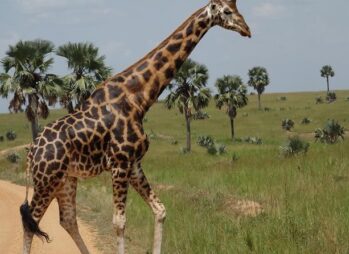
- Murchison Falls National Park: Uganda's largest and oldest park at roughly 3,893 square kilometres, centred on the point where the entire Nile River forces itself through a 7-metre-wide gorge before dropping 43 metres into the "Devil's Cauldron"
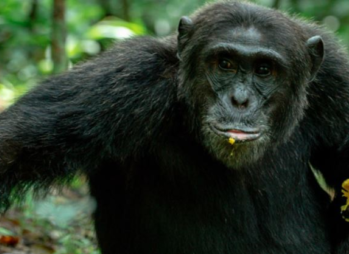
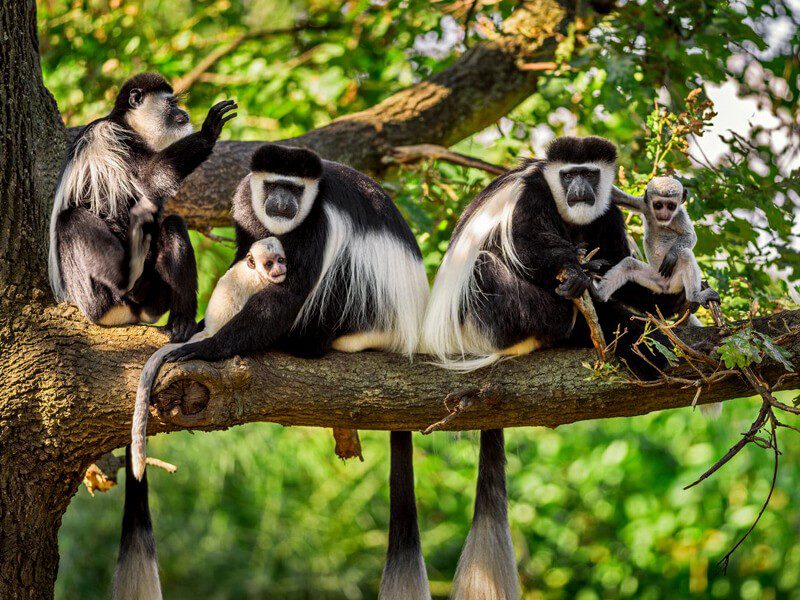
- Kibale Forest National Park: the primate capital of East Africa, with 13 primate species and a roughly 95% chance of chimpanzee sightings on a guided trek
- Kidepo Valley National Park: Uganda's most remote park, in the rugged northeast bordering South Sudan and Kenya, known for its raw wilderness feel and species you won't find in the southwest
- Semuliki National Park: lowland Congo Basin forest found nowhere else in East Africa, with bird and primate species that overlap more with Central Africa than with the rest of Uganda
- Lake Mburo National Park: the closest savannah park to Entebbe, useful as a scenic overnight stop that breaks up the long drive south
- Mgahinga Gorilla National Park, Rwenzori Mountains National Park, and Mount Elgon National Park round out the list, each offering a different kind of highland or volcanic terrain
No fixed package can meaningfully cover all ten, and most shouldn't try. A personalised itinerary picks the three or four that actually match what you came for, rather than cramming in extra parks just because a template includes them.
The Geography Genuinely Demands Route Planning
This is where personalisation stops being a luxury and starts being practical. Some real numbers to plan around:
- Entebbe to Bwindi is roughly 8–10 hours of driving across about 480–540 km, depending on the sector; almost nobody drives this in a single push
- Entebbe to Kibale Forest is around 5–6 hours by road
- Entebbe to Murchison Falls is approximately 5–7 hours, commonly broken with a stop at Ziwa Rhino Sanctuary
- Bwindi to Queen Elizabeth National Park (via the Ishasha sector) takes roughly 3–5 hours, making the two a natural combination
- Queen Elizabeth to Kibale Forest is about 2–3 hours through Fort Portal
A generic fixed itinerary often ignores this reality and either rushes the driving or wastes days on inefficient routing. A personalised safari sequences your parks logically. For example, breaking the long Entebbe–Bwindi leg with a game drive stopover at Lake Mburo turns a gruelling transit day into two comfortable ones.
What You Can Actually Personalise on Safaris in Uganda
The Wildlife Mix
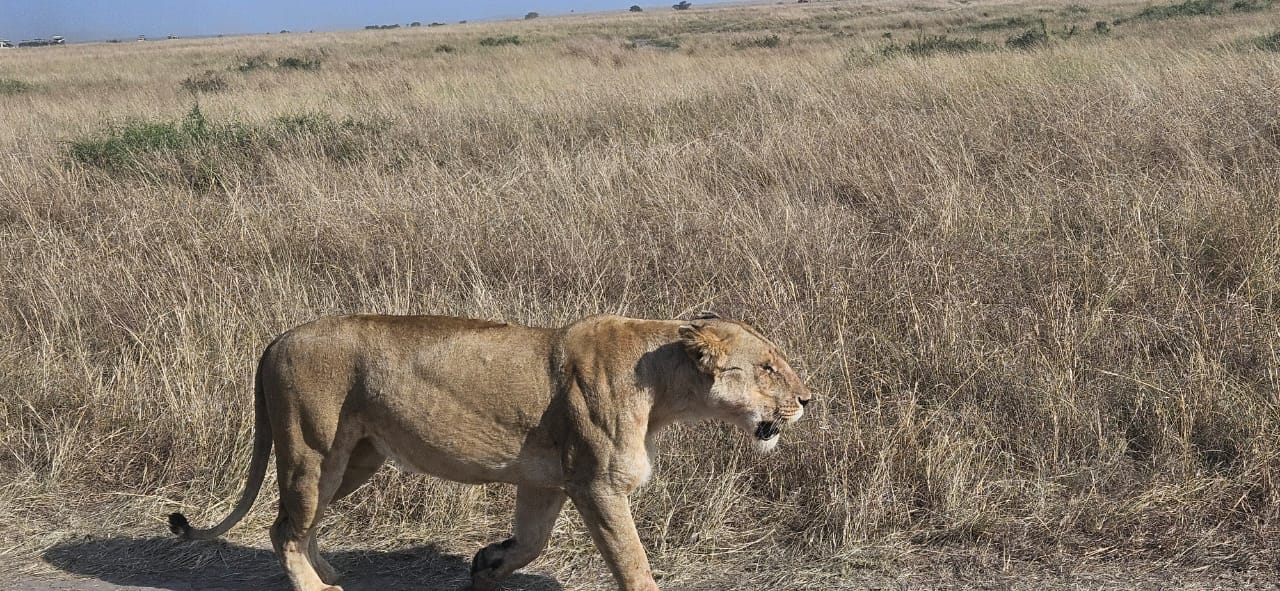
Gorilla trekking, chimpanzee tracking, savannah game drives, boat cruises, and birding can be weighted however you like. If gorillas are the priority, most of the trip revolves around Bwindi and Mgahinga. If you'd rather split time evenly across primates, big game, and water-based wildlife, Queen Elizabeth and Kibale sit close enough together to combine efficiently.
Accommodation Tier: Mixed, Not Fixed
Uganda's lodges span budget, mid-range, and luxury at every major park. Many personalised safaris deliberately mix tiers: splurging on one or two standout nights (a luxury lodge overlooking the Kazinga Channel, for example) while keeping the rest of the trip mid-range to manage overall cost.
Activity Depth
A fixed package rarely has room for a village visit, a coffee farm tour, an extra nature walk, or a private Nile sunset cruise. These are easy to slot into a personalised itinerary because nothing else is locked to a group schedule.
Physical Pace
Gorilla trekking in Bwindi can involve anywhere from 30 minutes to several hours of hiking on steep, sometimes muddy terrain, depending on where the gorilla family is that day. A personalised itinerary can balance a demanding trekking day with an easier game-drive day immediately after, rather than stacking three intense hikes back to back.
Special Occasions
Honeymoons, milestone birthdays, and multi-generational family trips all benefit from small personal touches (a specific room view, a private dinner setup, or a celebratory add-on) that simply don't exist in a standard fixed package.
Realistic Cost Ranges for Personalised Safaris in Uganda
Pricing varies with season, accommodation tier, and how many gorilla or chimpanzee permits you include, but rough current ranges for personalised safaris in Uganda look like this:
- Budget personalised safaris: roughly USD 150–250 per person per day, using budget lodges and shared road transport logistics but still privately guided
- Mid-range personalised safaris: roughly USD 250–450 per person per day, the most common tier for first-time visitors wanting comfort without luxury pricing
- Luxury personalised safaris: USD 450–1,000+ per person per day, with premium lodges, top-tier guiding, and priority permit access
On top of the daily rate, gorilla trekking permits (issued directly by the Uganda Wildlife Authority) currently cost USD 800 per person in Uganda (or USD 1,500 in Rwanda, for those combining both countries), and chimpanzee trekking permits in Kibale run around USD 250 per person. A full personalised safari combining gorillas, chimps, and savannah game drives over 7–10 days commonly lands somewhere between USD 2,500 and USD 6,500+ per person all-in, depending on tier.
The key difference from a group package isn't necessarily the total price: it's that every dollar is spent on something you actually chose, rather than a fixed bundle that includes activities or lodge nights you wouldn't have picked yourself.
How Personalised Safaris in Uganda Are Actually Planned
- Share your starting point. Travel dates, group size, rough budget, and interests: even a loose idea like "gorillas plus some beach time" is enough to start.
- Receive a draft itinerary. A day-by-day plan matched to your interests, including specific lodge options and realistic drive times between parks.
- Refine it together. Swap a lodge, extend a day in one park, cut another entirely: the itinerary isn't locked until it genuinely fits what you want.
- Permits and bookings get secured. Once you approve the plan, gorilla and chimpanzee permits, lodges, and private transport are booked and registered in your name.
- Travel with continuous support. A single point of contact throughout the trip, so any on-the-ground adjustment (weather, energy levels, an extra night somewhere) gets handled immediately rather than routed through a call centre.
Two Sample Frameworks for Personalised Safaris in Uganda
These aren't fixed packages: they're starting frameworks that get reshaped around your dates, pace, and interests during planning. They illustrate how the route logic and drive times above translate into an actual week or two on the ground.
A 7-Day Framework: Gorillas and Big Game
- Days 1–2: Fly or drive to Bwindi, with a stopover at Lake Mburo National Park to break the long drive and add a short game drive
- Day 3: Gorilla trekking in Bwindi, followed by an afternoon at leisure or a community walk
- Day 4: Drive to Queen Elizabeth National Park via the Ishasha sector, scanning for the tree-climbing lions en route
- Day 5: Morning game drive in the Kasenyi plains, afternoon boat cruise on the Kazinga Channel
- Day 6: Optional chimpanzee tracking in Kyambura Gorge, or a relaxed morning before departure
- Day 7: Fly out from Kasese airstrip or drive back toward Entebbe
This framework suits travelers who want gorillas and classic savannah wildlife without committing to a longer trip, and it respects the realistic drive times between Bwindi and Queen Elizabeth rather than rushing the transition.
A 14-Day Framework: The Full Uganda Circuit
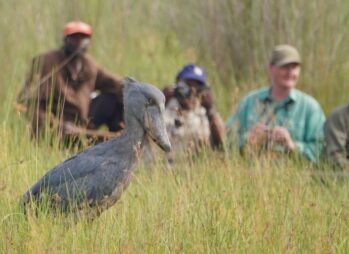
- Days 1–2: Entebbe, with a Lake Victoria sunset cruise or Mabamba Swamp shoebill excursion to ease into the trip
- Days 3–4: Kibale Forest for chimpanzee tracking and the Bigodi Wetland Sanctuary
- Days 5–7: Queen Elizabeth National Park for game drives, the Kazinga Channel cruise, and Ishasha's tree-climbing lions
- Days 8–9: Bwindi Impenetrable Forest for gorilla trekking, with a second day free for a forest walk or Batwa cultural visit
- Days 10–12: Fly to Murchison Falls for game drives, the Nile boat cruise to the base of the falls, and the hike to the top of the falls itself
- Days 13–14: Return to Entebbe, with a buffer day for delays or an optional extra activity
A 14-day framework like this is where personalisation pays off most, because it involves both a domestic flight leg and multiple long drives that need sequencing carefully around fatigue, park opening logistics, and permit availability.
Health, Packing, and Practical Preparation
A personalised safari still needs the same core preparation as any Uganda trip, and building this into the planning conversation upfront avoids surprises later.
- Vaccinations: Yellow fever vaccination is required for entry into Uganda, and antimalarial medication is strongly recommended given the country's malaria risk
- Packing for forest trekking: Waterproof hiking boots, gaiters or trousers tucked into socks (safari ants are a minor but memorable nuisance), a lightweight rain jacket, and neutral-coloured clothing for both gorilla and chimpanzee treks
- Fitness considerations: Gorilla trekking difficulty varies significantly by which family you're assigned and where they are that day: anywhere from a 30-minute walk to a multi-hour uphill hike through dense vegetation. A personalised itinerary can flag this to your operator so easier or more remote gorilla families are requested based on your fitness level
- Connectivity: Mobile network coverage is reasonable in towns and around most lodges, but is patchy or absent in the deeper forest sectors, which is worth planning around if you need to stay reachable
- Currency: US dollars and Uganda shillings are both widely accepted at lodges and for permit payments, though smaller local purchases are easier in shillings
Why Working With a Local Uganda-Based Operator Matters
Personalisation is only as good as the local knowledge behind it. An operator based in Uganda (rather than a foreign agency reselling itineraries) has firsthand, current information on which gorilla sectors have easier terrain this season, which lodges have recently changed management or quality, and which roads are currently affected by rain damage. That local grounding is what turns a personalised itinerary from a nice idea on paper into a trip that actually runs smoothly once you land.
Frequently Asked Questions About Personalised Safaris in Uganda
Do personalised safaris in Uganda cost more than a group tour? Not necessarily. Group tours can be cheaper per person because fixed costs are split across more travelers, but for a family or small group of 2–6 people, personalised safaris in Uganda are often comparable in total cost, and nobody is paying for activities or lodge nights that don't interest them.
How far in advance should I start planning? For gorilla or chimpanzee permits specifically, 6–10 months ahead is ideal for peak season (June–September and December–February), since gorilla permits are capped at eight visitors per family per day and sell out early. Shoulder-season trips (March–May, October–November) can sometimes be arranged with less notice.
Is a personalised safari still private if I join a shared gorilla trekking group? Yes. Gorilla trekking groups are capped by the Uganda Wildlife Authority at eight people per family regardless of how you book, since this is a conservation rule, not an operator choice. Everything else on your trip (vehicle, guide, lodging, and every other day) remains private to your group.
Can I personalise a multi-country trip combining Uganda with Rwanda or Kenya? Yes, and multi-country trips actually benefit more from personalisation than single-country ones, since border crossings and permit timing need to be sequenced carefully around your specific route rather than a generic template.
What's the ideal minimum length for a personalised Uganda safari? Seven days is a practical minimum to properly combine two parks (for example, Bwindi and Queen Elizabeth) without excessive driving. Ten to fourteen days allows a more relaxed pace across three or four parks, including Murchison Falls or Kibale.
Do personalised safaris work for families with young children? Yes, this is actually one of the strongest cases for personalisation. Age restrictions apply to some activities (gorilla trekking has a minimum age of 15, chimpanzee trekking typically 12), so a personalised itinerary can substitute family-friendly alternatives like boat cruises, nature walks, or cultural visits on the days older activities aren't accessible to younger travelers.
Planning Tips for Smoother Personalised Safaris in Uganda
- Decide your non-negotiables early. If gorilla trekking is the priority, build the trip around securing that permit first, then let everything else fill in around it.
- Don't overpack the itinerary. Three well-paced parks usually beat five rushed ones. Long drive days between parks cut into actual safari time.
- Ask about seasonal trade-offs. Dry season (June–September, December–February) offers easier trekking conditions; wet season means fewer crowds, lush scenery, and often lower lodge rates, at the cost of muddier trails.
- Build in one genuinely unstructured day if your schedule allows: a day with no fixed activity gives flexibility to extend something that turned out better than expected, or simply rest.
- Confirm what's included versus optional in any quote: park fees, permits, meals, and transport should be itemised clearly so you know exactly what your personalised safari covers.
Start Building Your Personalised Safari in Uganda
Personalised safaris in Uganda mean you're not adapting your trip to fit someone else's template: the template is built around you, using the real geography, seasons, and park facts that actually shape a good Uganda itinerary. Whether that means three extra days in Bwindi, a private sunset cruise on the Nile, or simply the freedom to build in a slow day, the details that make a trip unforgettable are usually the ones a fixed package doesn't have room for.
At Tulambule, every one of our personalised safaris in Uganda starts as a blank page, shaped entirely around your dates, your interests, and your pace, not a pre-set calendar of departures.