Rhinos in Kidepo have returned, making Kidepo Valley National Park a complete Big Five safari destination. Learn how to visit, where to stay, and how to plan your safari in Uganda.
Rhinos Back in Kidepo after Decades
There is a moment on every great safari when everything becomes still, and the wild reveals itself in its purest form. In Kidepo Valley National Park, that moment often comes at sunrise, when wildlife moves quietly across the vast Narus Valley and the landscape feels untouched by time.
 For years, Kidepo has been regarded as one of the most authentic safari destinations in Africa. It offers dramatic scenery, rare wildlife species, and an experience far removed from the crowded safari circuits found elsewhere. Yet despite its richness, one key element was missing from the experience.
That has now changed.
Rhinos in Kidepo have returned after decades of absence, transforming this remote park into a complete Big Five safari destination. This development not only strengthens Uganda’s position as a top safari destination but also creates new opportunities for travelers seeking a truly wild and exclusive experience.
Today, Rhinos in Kidepo represent more than just a conservation milestone. They signal the beginning of a new chapter for tourism in northern Uganda and for visitors looking to experience the Big Five in a less crowded, more natural environment.
If you are planning a safari in Uganda, understanding what this means for your travel experience is essential. In this guide, we break down everything you need to know about Rhinos in Kidepo, from their return to how you can plan your visit.
Quick Facts About Rhinos in Kidepo
- Rhinos in Kidepo have been reintroduced after decades of absence
- The population was established from Uganda’s Ziwa Rhino Sanctuary
- The rhinos are currently in a protected acclimatization phase
- Rhino tracking is expected to open to visitors in the future
- Kidepo Valley National Park is now a complete Big Five safari destination
- The park remains one of the most remote and least crowded safari destinations in Africa
Why Rhinos in Kidepo Matter for Uganda Safaris
The return of Rhinos in Kidepo is one of the most significant developments in Uganda’s safari industry in recent decades. For years, travelers seeking the Big Five in Uganda had to combine multiple destinations, as no single park offered the complete experience.
That has now changed.
With Rhinos in Kidepo, travelers can now experience lion, leopard, elephant, buffalo, and rhino within one remote and remarkably untouched landscape. This positions Kidepo Valley National Park among a select group of safari destinations in Africa where the full Big Five can be found in one location.
Beyond completing the Big Five, the return of rhinos strengthens Uganda’s conservation story. It reflects years of successful protection, breeding, and careful planning, showing that wildlife restoration in Africa is possible when long-term commitment is applied.
For travelers, this creates a rare opportunity.
Kidepo offers what many popular safari destinations have lost—space, solitude, and authenticity. While parks in East Africa can become crowded during peak seasons, Kidepo remains quiet, allowing for more personal and uninterrupted wildlife encounters.
This combination of conservation success and low visitor numbers makes Rhinos in Kidepo especially important for those seeking a deeper and more exclusive safari experience.
As interest in Kidepo continues to grow, early visitors have a unique chance to experience this destination while it still retains its raw and untouched character.
1. Why Rhinos Disappeared from Kidepo and How They Returned
To fully understand the importance of Rhinos in Kidepo, it is essential to look at what was lost and how this remarkable return became possible.
Decades ago, Uganda supported a thriving rhino population across several protected areas, including Kidepo Valley National Park. The park’s open savannah, reliable water sources, and low human pressure made it an ideal habitat for these large herbivores.
However, this changed during a period of political instability and widespread poaching. Rhino populations declined rapidly as illegal hunting intensified, driven by demand for rhino horn on international markets. Over time, the species was completely wiped out from Kidepo, leaving a significant gap in the park’s ecosystem.
For many years, Rhinos in Kidepo existed only as part of the park’s history.
The recovery effort began with long-term conservation initiatives in Uganda, most notably at Ziwa Rhino Sanctuary. This sanctuary was established to reintroduce rhinos into the country through controlled breeding and strict protection. Starting with a small founder population, the number of rhinos gradually increased under careful management.
As the population grew, conservation authorities reached a point where reintroduction into protected areas became possible.
Rhinos in Kidepo are the result of this sustained effort. Carefully selected individuals were translocated from Ziwa to Kidepo, marking a major milestone in Uganda’s conservation journey. The process involved extensive planning, veterinary oversight, and coordination between conservation organizations to ensure the animals could adapt safely to their new environment.
This return is not just symbolic—it represents ecological restoration. Rhinos play a key role in shaping vegetation and maintaining balance within savannah ecosystems. Their presence contributes to biodiversity and enhances the overall health of the park.
Today, Rhinos in Kidepo stand as evidence that conservation efforts can reverse even severe wildlife losses. It is a story of resilience, commitment, and long-term vision—one that adds significant value to Uganda’s growing reputation as a leading safari destination in Africa.
2. Kidepo Is Now a Complete Big Five Safari Destination
For many travelers, seeing the Big Five is one of the main reasons to visit Africa. The term refers to lion, leopard, elephant, buffalo, and rhino—species that together define the classic safari experience.
For a long time, Kidepo Valley National Park offered four of the Big Five. Visitors could enjoy exceptional sightings of lions, including individuals known to rest in trees, as well as elephants moving in large herds across the savannah. Buffalo are commonly seen in impressive numbers, especially around water sources, while leopards, though elusive, are regularly spotted by experienced guides.
The missing piece was always the rhino.
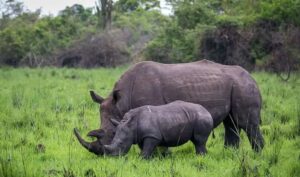 With the return of Rhinos in Kidepo, the park has now joined a select group of destinations where all members of the Big Five can be found in one place. This significantly enhances its appeal to travelers planning a safari in Uganda.
What makes this experience even more valuable is the setting.
Unlike more popular safari destinations in East Africa, Kidepo remains relatively uncrowded. Game drives here are often uninterrupted, allowing visitors to spend extended time observing wildlife without competition from multiple vehicles. This creates a more natural and immersive experience.
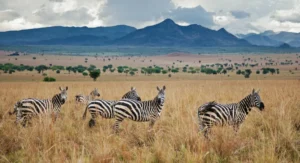
Beyond the Big Five, Kidepo offers additional wildlife that is rarely seen elsewhere in Uganda. The park is home to cheetahs, which are not commonly found in other Ugandan parks, as well as ostriches, zebras, and greater kudu. This diversity makes the safari experience richer and more rewarding.
For travelers seeking both the Big Five and unique wildlife encounters, Rhinos in Kidepo elevate the park into one of the most compelling safari destinations in Africa.
3. Can You Track Rhinos in Kidepo Right Now?
One of the most common questions travelers ask is whether it is already possible to track Rhinos in Kidepo. The answer is not yet—but this is expected to change in the future.
At the moment, the rhinos are in a carefully managed acclimatization phase. After being introduced into Kidepo Valley National Park, they are being kept within a secure and protected area where they can adjust to their new environment. This process is essential to ensure their safety, health, and long-term survival.
Because of this, public rhino tracking is not currently available in Kidepo.
However, plans are underway to introduce a guided tracking experience once the rhinos are fully adapted. This is likely to follow a model similar to other controlled rhino tracking experiences in Uganda, where visitors explore on foot with trained guides while maintaining a safe and respectful distance from the animals.
When rhino tracking becomes available, it will be one of the most unique safari activities in the country.
For now, travelers visiting Kidepo can still enjoy exceptional wildlife viewing, including four of the Big Five, along with a wide range of other species across the park’s vast landscapes. The addition of Rhinos in Kidepo already enhances the destination, even before tracking officially opens.
If seeing rhinos is a priority during your safari, it is advisable to stay informed through your tour operator or park authorities for the latest updates. Planning with flexibility allows you to take advantage of new developments as they become available.
As interest in Rhinos in Kidepo continues to grow, early visitors have the advantage of experiencing the park before it becomes more widely known, making this an ideal time to explore one of Uganda’s most remote safari destinations.
4. How Rhinos in Kidepo Are Being Protected
The successful return of Rhinos in Kidepo required more than careful relocation—it also involved a comprehensive protection strategy to ensure their long-term survival.
Rhinos remain vulnerable to poaching, and the high demand for rhino horn continues to threaten populations across Africa. Uganda has applied lessons learned from past wildlife losses to create a robust security infrastructure in Kidepo Valley National Park.
Key measures include:
- Secure Sanctuary Areas: The rhinos are currently housed within fenced zones equipped with ranger posts, surveillance systems, and dedicated water points.
- Ranger Patrols: Anti-poaching units operate continuously, providing 24/7 protection and rapid response to any potential threats.
- Community Involvement: Local communities, particularly the Karamojong people, are active partners in conservation. Tourism revenue sharing ensures that protecting wildlife directly benefits the people who live near the park.
- Monitoring Technology: Advanced tracking and monitoring tools allow conservation teams to observe rhinos remotely, ensuring their health and safety.
This multi-layered approach reflects a combination of experience, technology, and community engagement—ensuring that Rhinos in Kidepo are protected both now and for generations to come.
For travelers, this protection strategy not only safeguards the rhinos but also enhances the safari experience. Knowing that the wildlife is secure allows visitors to focus on observation and immersion, rather than worrying about the pressures animals may face.
The partnership between Uganda Wildlife Authority, conservation organizations, and local communities creates a model that is both sustainable and replicable, adding credibility to Uganda’s growing reputation as a responsible safari destination.
5. Getting to Kidepo: The Journey Is Part of the Adventure
Kidepo Valley National Park is located in northeastern Uganda, bordering South Sudan and Kenya. Its remoteness is part of what makes the park so special, but it also means that reaching the park requires some planning. For safari travelers, the journey is as memorable as the wildlife itself.
By Air
 The most efficient way to reach Kidepo is via chartered flights from Entebbe International Airport or Kajjansi Airfield near Kampala. Flights typically take around two hours, offering aerial views of Uganda’s scenic landscapes. This option is ideal for travelers with limited time or those who prefer to minimize overland travel.
By Road
For those who enjoy overland adventures, driving to Kidepo provides the chance to experience Uganda’s countryside firsthand. The route from Kampala usually passes through Gulu and Kitgum before arriving at the park. The journey can take 8–10 hours depending on road conditions. A 4×4 vehicle is recommended, particularly during the wet season. Many travelers choose to break the journey with an overnight stop in Gulu, which offers comfortable accommodations.
Best Time to Travel
Timing a visit can significantly enhance wildlife viewing opportunities. The dry seasons—from June to September and December to February—are generally the best, as animals gather around water sources, and roads are more accessible. Planning your safari during these months increases the chances of successful wildlife sightings, including four of the Big Five, until rhino tracking becomes available.
6. Where to Stay in Kidepo Valley National Park
Accommodation in Kidepo has grown in quality and variety over the years, but options remain intentionally limited compared to more developed safari circuits. This exclusivity contributes to the park’s charm and the sense of solitude for visitors.
Luxury Lodges
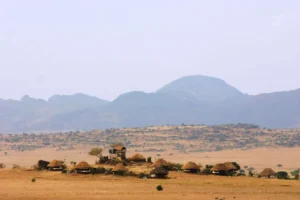 Apoka Safari Lodge is the premier luxury option within the park, offering sweeping views of the Narus Valley. Each room features a private veranda and outdoor bathtub. The lodge provides game drives, guided nature walks, and cultural visits to local Karamojong communities, allowing visitors to fully immerse themselves in the wilderness.
Mid-Range Options
For travelers seeking comfort without luxury pricing, Kidepo Savannah Lodge sits just outside the park gate and offers spacious tented accommodations with excellent valley views. Nga’Moru Wilderness Camp provides another authentic safari experience near the park boundary, with well-appointed tents and a strong focus on wildlife immersion.
Budget-Friendly Options
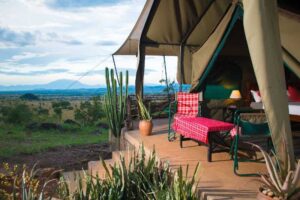 Budget travelers can stay in public bandas or campsites managed by the Uganda Wildlife Authority near Apoka. These basic accommodations provide essential comfort at an affordable rate while keeping visitors close to the park’s wildlife.
Booking Tips
Because accommodation in Kidepo is limited and demand is rising—especially with the return of rhinos—booking well in advance is essential. For peak safari seasons, it is recommended to secure your lodging at least three to six months before your planned travel dates. Early booking ensures access to preferred lodges and maximizes the safari experience.
7. Planning Your Safari: Practical Tips for Travelers
Visiting Kidepo Valley National Park is a remarkable opportunity to experience one of Uganda’s most remote and wildlife-rich destinations. Careful planning ensures that your safari is seamless, enjoyable, and maximizes your chances of seeing the Big Five, including the newly reintroduced rhinos.
Recommended Duration
We advise three to four nights in Kidepo. This allows for multiple game drives in the Narus Valley, a full-day exploration of the Kidepo Valley and Kanangorok Hot Springs, and at least one guided nature or cultural walk. A longer stay increases the likelihood of optimal wildlife sightings and provides a more relaxed, immersive experience.
Essential Packing List
- Clothing: Neutral shades like khaki, olive, or brown help you blend into the environment. Avoid bright colors.
- Gear: Binoculars (8x or higher) and a camera with a zoom lens (200mm+) for wildlife photography.
- Travel Essentials: Sunscreen, a wide-brimmed hat, insect repellent, and sturdy walking shoes.
- Money: Carry cash in Ugandan shillings or US dollars, as credit card facilities may be limited in remote areas.
Combining Destinations
Kidepo can be combined with other key Ugandan safari destinations to create a comprehensive itinerary:
- Ziwa Rhino Sanctuary: Track rhinos before Kidepo opens its tracking experience.
- Murchison Falls National Park: Witness dramatic waterfalls and diverse wildlife.
- Kampala: Explore Uganda’s vibrant capital at the start or end of your trip.
This approach ensures efficient travel while providing a rich and varied safari experience.
Working with a Safari Operator
Partnering with an experienced local safari operator ensures smooth logistics—from transport and accommodations to permits and guides. Knowledgeable guides provide insights into the park’s wildlife, ecology, and communities, enhancing your experience and ensuring safety.
If you are seeking for a reliable safari company to help you or your guests explore Kidepo, Tulambule Uganda Safaris is available to help plan every detail of your Kidepo safari, creating a seamless journey that combines comfort, adventure, and the chance to witness Uganda’s newest Big Five destination.
Experience Rhinos in Kidepo
The return of rhinos to Kidepo Valley National Park is more than a conservation milestone—it completes the Big Five and transforms the park into one of Africa’s most unique safari destinations.
Here, visitors can witness lions hunting across open savannah, track elusive leopards at dawn, observe elephants in their natural habitat, and soon experience rhinos up close when guided tracking becomes available. Beyond the Big Five, Kidepo offers rare wildlife, expansive landscapes, and the kind of solitude that makes each safari deeply personal and unforgettable.
Visiting Kidepo is not just about checking animals off a list—it’s about immersing yourself in one of the last great wildernesses of Africa, where every sighting, sound, and moment connects you to nature in a profound way.
Ready to Plan Your Kidepo Safari?
At Tulambule Uganda Safaris, we specialize in crafting authentic safari experiences for travelers from Europe, America, and beyond. Our expert guides know Kidepo intimately—its wildlife, landscapes, and the communities that call it home.
We handle all logistics, including transport, accommodation, permits, and guided activities, allowing you to focus entirely on the experience. Whether you prefer a luxury fly-in safari or an adventurous overland journey, we can design an itinerary that brings you face-to-face with Uganda’s newest Big Five destination.
Contact us today to start planning your Kidepo safari and be among the first to witness the return of rhinos to this incredible wilderness.