Gorilla trekking permits in Uganda and Rwanda unlock one of the world's most extraordinary wildlife encounters. Meeting endangered mountain gorillas in their natural habitat, hiking through lush rainforest, navigating steep hills, and crossing streams to observe these gentle giants is a genuinely life changing experience. It also directly funds the conservation work keeping them alive.
In this guide to gorilla trekking permits in Uganda and Rwanda, we cover current permit costs, how to book, the best time to trek, packing lists, fitness tips, conservation impact, and sample itineraries so you can plan with confidence.
Why Gorilla Trekking Permits Matter
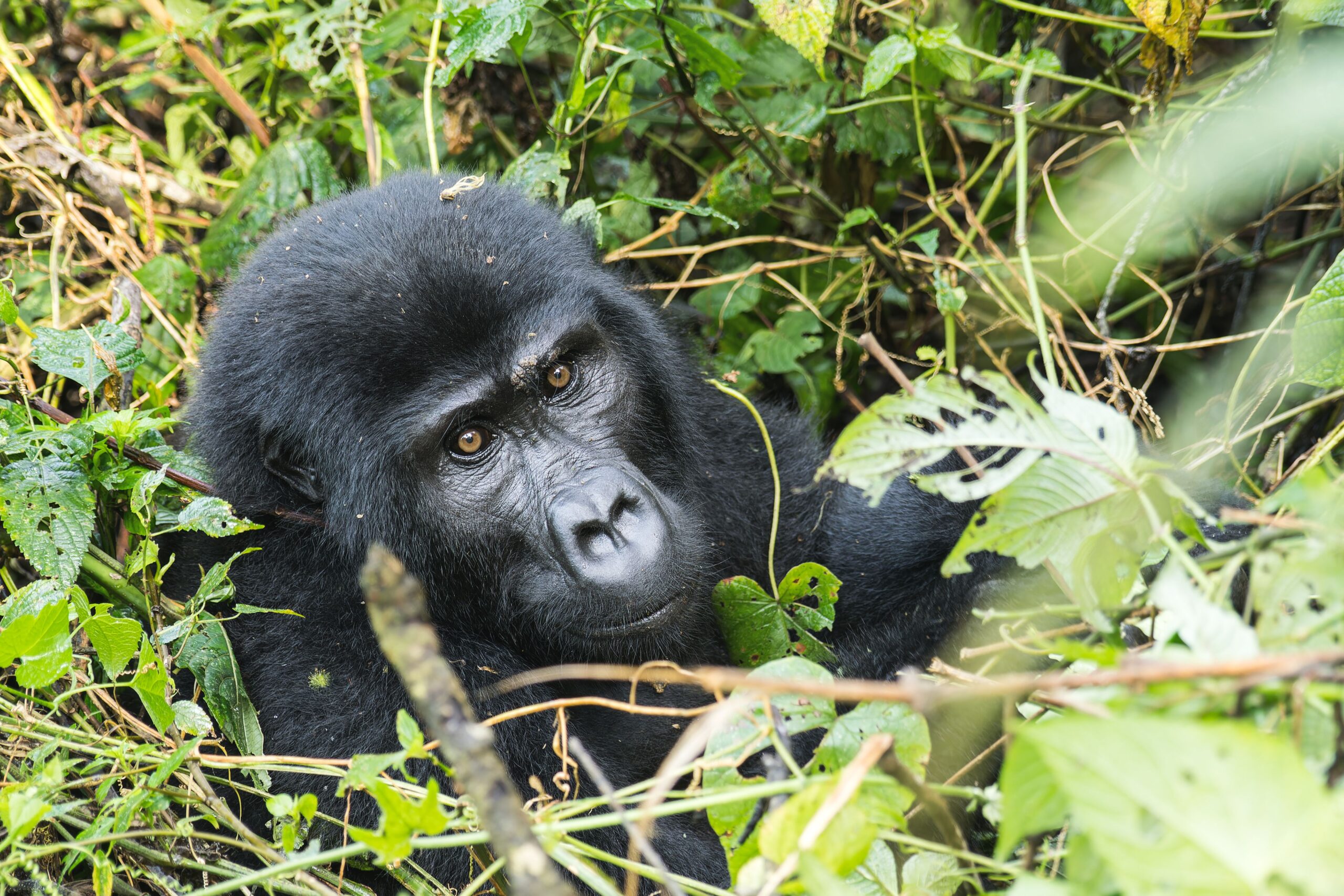
Mountain gorillas are among the rarest primates on Earth, with roughly 1,000 individuals left in the wild. Uganda and Rwanda protect the majority of that population, letting you watch them forage, groom, and interact just meters away.
A gorilla trekking permit is more than an entry ticket. The fee funds anti-poaching patrols, veterinary care, and community programs, which is why organizations like the Dian Fossey Gorilla Fund have spent decades building the conservation infrastructure that makes safe, sustainable trekking possible today.
Where to Go Trekking in Uganda and Rwanda
Bwindi Impenetrable National Park, Uganda
Bwindi is a UNESCO World Heritage Site and home to over half the world's mountain gorillas. Trekking here is physically demanding but consistently rewarding, with a very high chance of a full gorilla encounter.
Beyond gorillas, Bwindi also holds over 350 bird species and several other primates, making it worth extending your stay even after your trek is done.
Mgahinga Gorilla National Park, Uganda
Smaller and far less crowded than Bwindi, Mgahinga offers a more intimate trek against the scenic backdrop of the Virunga Volcanoes. It is also the only Ugandan park where gorilla trekking can be combined with golden monkey tracking in a single trip.
Volcanoes National Park, Rwanda
Volcanoes National Park is Rwanda's flagship trekking destination, just two to three hours from Kigali. It offers the most accessible gorilla trekking permits in the region and is historically linked to Dian Fossey, who founded her Karisoke Research Center in these same slopes.
Uganda vs Rwanda: Which Gorilla Trekking Permit Should You Choose?
| Feature | Uganda | Rwanda |
|---|---|---|
| Standard permit cost | $800 per person | $1,500 per person |
| Low season discount | $600 (April, May, November) | Roughly $1,050, 30% off (November to May) |
| Trekking terrain | Dense rainforest, more physically demanding | Well maintained trails, generally easier |
| Accessibility | Remote, longer drives or a domestic flight | Close to Kigali, short transfer time |
| Accommodation | Budget through luxury options | Mostly luxury lodges |
| Extra activities | Chimp trekking, savanna safari parks | Golden monkey trekking, cultural tours |
Both destinations guarantee an unforgettable gorilla encounter. Choose Uganda for a more adventurous, budget friendly safari, or Rwanda for a shorter, more luxury focused trip. For a deeper side by side breakdown, see our full Uganda vs Rwanda gorilla safari comparison.
How Much Do Gorilla Trekking Permits Cost?
Uganda: the standard gorilla trekking permit costs $800 per person for foreign non-residents, set by the Uganda Wildlife Authority (UWA). Foreign residents pay $700, and a low season discount brings the price down to $600 during April, May, and November. Gorilla habituation permits, which grant four hours with a gorilla family instead of one, cost more and are reviewed periodically by UWA, so it's worth confirming the current rate directly with them or with us before booking.
Rwanda: permits are issued by the Rwanda Development Board (RDB) at a flat $1,500 per person for international visitors. A seasonal discount of around 30 percent applies during the low season from November through May, bringing the cost to roughly $1,050. Both UWA and RDB revise tariffs from time to time, so treat these as a reliable starting point rather than a locked-in quote.
If you're weighing whether the higher Rwanda price is worth it, our breakdown of why gorilla trekking costs what it does explains exactly where that money goes on both sides of the border.
Best Time for Gorilla Trekking Permits in Uganda and Rwanda
The best trekking months fall in the two dry seasons:
- June to September, the long dry season
- December to February, the short dry season
Dry trails are easier underfoot, which matters given how steep parts of Bwindi and Volcanoes National Park can get. The rainy months are quieter and lusher, which photographers often prefer, but the hiking itself is noticeably harder going.
How to Book Gorilla Trekking Permits
Only eight visitors are allowed per gorilla family per day, so permits sell out well ahead of peak season. We recommend booking six to nine months in advance if you have specific dates in mind.
At Tulambule Uganda Safaris, we secure gorilla trekking permits in both Uganda and Rwanda directly, handling sector selection, payment timing, and the logistics that go with it, so you don't have to navigate two separate government booking systems yourself.
Fitness Tips for Gorilla Trekking
You don't need to be an athlete, but a reasonable baseline of fitness makes the trek far more enjoyable than painful.
- Walk regularly in the weeks before your trip to build stamina.
- Add cardio sessions like hiking or cycling to your routine.
- Strengthen your legs with squats and lunges.
- Stay well hydrated in the days leading up to the trek.
- Hire a porter. It's inexpensive, supports the local community, and takes the physical strain off your hike considerably.
What to Pack for Gorilla Trekking
Long sleeves, sturdy boots, and waterproof layers matter more here than almost any other safari activity, since you're pushing through dense, often wet vegetation for hours. For the full breakdown, including exact clothing, gear, and optional extras, see our ultimate gorilla trekking packing list.
At minimum, plan for waterproof hiking boots, gardening style gloves for gripping vegetation, a light rain jacket even in dry season, and a small daypack for water and snacks.
Gorilla Trekking Rules and Safety
Gorillas are highly susceptible to human illness, which is why strict rules govern every trek. Visitors must be at least 15 years old, keep a minimum distance from the gorillas, and stay home if showing any signs of sickness.
Our full guide to gorilla trekking rules and safety covers everything rangers expect from you on the day, including mask guidance, photography rules, and what happens if a family isn't found within the standard trekking window.
Gorilla Trekking vs Gorilla Habituation
Standard gorilla trekking gives you one hour with a habituated family. Gorilla habituation, offered only in Bwindi's Rushaga and Nkuringo sectors, extends that to four hours alongside researchers working with gorillas still becoming fully accustomed to human presence.
It costs significantly more, but for travelers who want real depth over a quick encounter, it's worth understanding the trade-offs. We've laid them out in detail in our comparison of gorilla habituation vs standard gorilla trekking.
How Gorilla Trekking Permits Support Conservation
Every gorilla trekking permit in Uganda and Rwanda funds tangible conservation work. In Uganda, permit revenue supports anti-poaching patrols, veterinary monitoring of gorilla health, and revenue sharing programs that fund schools and clinics in communities bordering the parks.
In Rwanda, roughly 10 percent of permit revenue goes directly to local villages, a model credited with significantly reducing human wildlife conflict since it began. Organizations like the Dian Fossey Gorilla Fund continue this work at the research level, running daily gorilla monitoring that has continued almost without interruption since the 1960s.
Beyond Gorillas: More Wildlife and Culture
A gorilla trekking trip rarely stays just about gorillas once you're on the ground. Most itineraries naturally extend to include:
- Golden monkeys, chimpanzees, and forest elephants
- Over 350 bird species across Bwindi and Volcanoes National Park
- Cultural visits with Batwa communities in Uganda
- Traditional Rwandan drumming and dance performances
Sample Gorilla Trekking Itineraries
3-Day Uganda Gorilla Trekking Safari
Day 1: Drive from Entebbe or Kampala to Bwindi.
Day 2: Gorilla trekking in Bwindi Impenetrable National Park.
Day 3: Return to Kampala or Entebbe.
4-Day Rwanda Gorilla Trekking Experience
Day 1: Arrival in Kigali.
Day 2: Gorilla trekking in Volcanoes National Park.
Day 3: Golden monkey trek, or a visit to Dian Fossey's grave at Karisoke.
Day 4: Kigali city tour and departure.
7-Day Uganda and Rwanda Gorilla Safari Combo
Day 1: Arrival in Kampala.
Day 2: Transfer to Bwindi for trekking preparation.
Day 3: Gorilla trekking in Uganda.
Day 4: Cross the border into Rwanda.
Day 5: Gorilla trekking in Volcanoes National Park.
Day 6: Golden monkey trek.
Day 7: Kigali city tour and departure.
You'll find more day by day options, including longer combined circuits, on our full Uganda and Rwanda itineraries page.
Frequently Asked Questions
How far in advance should I book my gorilla trekking permit? At least six months ahead for peak season dates, since permits are capped and sell out quickly.
What's the minimum age for gorilla trekking? 15 years old in both Uganda and Rwanda.
How long is the actual trek? Anywhere from one to five hours depending on where the gorilla family is that day, plus one hour with the gorillas once found.
Can I trek if I'm feeling unwell? No. Gorillas share close to 98 percent of human DNA and are highly vulnerable to our illnesses, so sick visitors are not permitted to trek.
Are gorilla trekking permits refundable? Generally no, though rescheduling is sometimes possible depending on the country and how far in advance you notify the authority.
What happens if we don't find the gorillas? In Uganda this is rare but may result in a partial refund or reschedule offer. In Rwanda, sightings are considered close to guaranteed given the terrain and tracking methods used.
Final Thoughts on Gorilla Trekking Permits in Uganda and Rwanda
A gorilla trekking permit in Uganda or Rwanda is your entry point into one of the most genuinely life changing wildlife encounters left on the planet. Whether you choose Bwindi's dense forest trails or Rwanda's more accessible volcanic slopes, the encounter itself leaves a lasting impression while directly funding the survival of an endangered species.
Permits are limited and sell out well ahead of peak season, so the earlier you start planning, the more flexibility you'll have.
Continue Planning Your Trip
Ready to secure your gorilla trekking permits in Uganda and Rwanda? Explore our full range of sample itineraries, tell us your travel dates through our build your own safari form, or contact us directly and we'll handle the permit booking for you.
10 Uganda Safari Forests and Bushes Worth Exploring
Guided Uganda Gorilla Safari Tours: Everything You Need to Know Before You Trek
Bwindi vs Mgahinga: Which Uganda Gorilla Park Should You Choose in 2026?
East Africa Safari Cancellations 2026: Why Smart Travellers Are Booking Uganda & Rwanda Right Now
Gorilla Trekking in Uganda During an Ebola Outbreak: What Every Traveller Needs to Know