Uganda, the Pearl of Africa, is one of the most rewarding countries a traveller can discover. In a single trip you can track mountain gorillas in an ancient rainforest, stand at the source of the River Nile, sail to a chimpanzee island on Lake Victoria, walk among snow-capped peaks on the Equator and share a plate of matooke with some of the friendliest people on the continent.
This complete guide introduces the Pearl of Africa as a country: its story and kingdoms, its people and languages, its food, fruit and coffee, its fertile land and great lakes, its islands and mountains, its natural resources, its climate and seasons, and the wildlife that makes it famous. Whether you are dreaming of your first visit or simply curious, this is the place to start.
Why Uganda Is Called the Pearl of Africa
The name comes from Winston Churchill. After travelling through the country in 1907, he described it in his 1908 book My African Journey as a land of colour, abundant life and great beauty, and he called it "the Pearl of Africa". More than a century later, the name has stuck because it still fits.
Few countries pack so much into such a small space. Uganda has the rainforests of central Africa, the savannas of East Africa, the semi-desert of the north-east, the great lakes, the Nile and the high mountains of the Albertine Rift all within its borders. Add a mild climate, rich soils that grow food all year and a famously welcoming people, and you understand why Uganda is still the Pearl of Africa today.
The Pearl of Africa at a Glance
| Fact | Details |
|---|---|
| Capital city | Kampala |
| Population | About 45.9 million (2024 national census) |
| Total area | About 241,550 square kilometres, close to the size of Great Britain |
| Water and wetlands | About 41,000 square kilometres, roughly one sixth of the country |
| Neighbours | Kenya, South Sudan, DR Congo, Rwanda and Tanzania |
| Official languages | English and Swahili, with Luganda the most widely spoken local language |
| Currency | Uganda shilling (UGX); US dollars widely used for safari costs |
| Time zone | East Africa Time (GMT+3) |
| Independence | 9 October 1962 |
| Highest point | Margherita Peak, Rwenzori Mountains (5,109 metres) |
| Largest lake | Lake Victoria, shared with Kenya and Tanzania |
| National symbol | The grey crowned crane, on the flag and coat of arms |
| Protected areas | 10 national parks plus wildlife reserves, sanctuaries and forest reserves |
A Short History of the Pearl of Africa
Early kingdoms and trade
Long before colonial maps were drawn, the land that is now Uganda was home to organised societies and powerful kingdoms. Bunyoro-Kitara was once the dominant state in the region. Buganda grew into a strong, well-run kingdom on the northern shores of Lake Victoria, led by its king, the Kabaka. Toro, Ankole and Busoga developed their own royal traditions, while the peoples of the north and east, such as the Acholi, Langi, Iteso and Karamojong, were organised around clans and elders.
Explorers, missionaries and the protectorate
Arab and Swahili traders reached Buganda, at the heart of what would become the Pearl of Africa, in the 1840s. The British explorer John Hanning Speke arrived in 1862 and identified the point near Jinja where the Nile flows out of Lake Victoria. Missionaries followed, and Britain declared a protectorate over Buganda in 1894, later extending it across the country.
Independence and modern Uganda
Uganda gained independence on 9 October 1962, a date celebrated every year. The country went through difficult years in the 1970s and early 1980s. Since then it has rebuilt and grown, and today it is one of East Africa's most visited safari destinations, with a lively capital, improving roads, modern lodges and a fast-growing tourism industry.
The Kingdoms of the Pearl of Africa Today
One of the things that makes the Pearl of Africa unique is that its ancient kingdoms still exist. They were abolished in 1967 and restored in 1993 as cultural institutions. The kings no longer hold political power, but they are deeply respected and their palaces, royal drums and ceremonies remain part of everyday life.
- Buganda: the largest kingdom, in central Uganda around Kampala. Its king is the Kabaka, and Ronald Muwenda Mutebi II was crowned the 36th Kabaka in 1993. Visit the Bulange parliament building, the Lubiri palace at Mengo and the Kasubi Tombs.
- Bunyoro-Kitara: one of the oldest kingdoms in the region, in western Uganda around Hoima and Masindi. Its king is the Omukama.
- Tooro: centred on Fort Portal, with its palace on Karuzika Hill. Omukama Oyo Nyimba Kabamba Iguru Rukidi IV, who became king in 1995 at just three years old, died in August 2026. His successor, Omukama Edward Rukidi Nyabongo I, was crowned at Karuzika Palace on 29 September 2026.
- Busoga: in the east around Jinja, led by the Kyabazinga.
- Rwenzururu: the kingdom of the Bakonzo people on the slopes of the Rwenzori Mountains, recognised by the government in 2008 and led by the Omusinga.
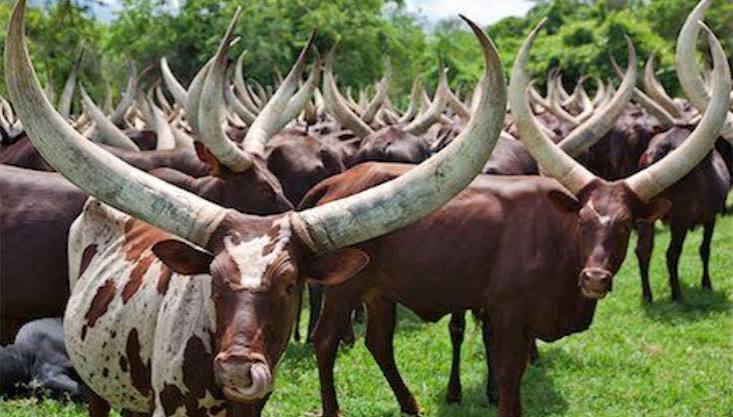
Ankole, the kingdom of the long-horned cattle in the south-west, was not restored, but its pastoral culture lives on. A visit to a palace or royal site adds real depth to any Uganda safari, and we can include one on request.
The People of the Pearl of Africa
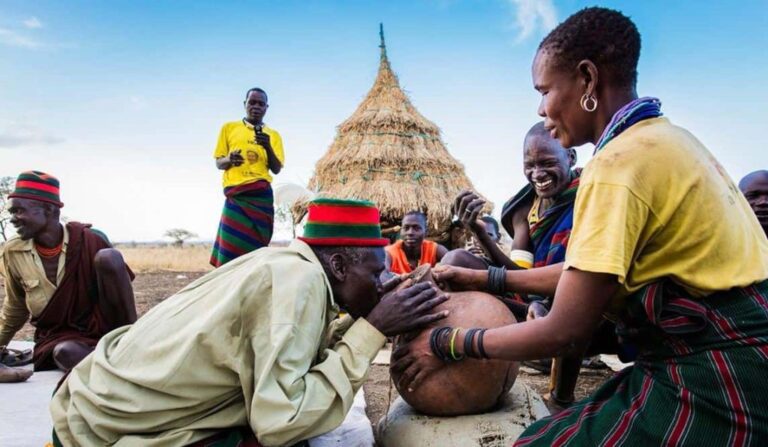
The true pearl of Uganda is its people. The country is home to more than 50 ethnic groups, each with its own language, music, food and customs. According to the 2024 census, the Baganda are the largest group, followed by the Banyankore and the Basoga. Other well-known communities include the Bakiga, Iteso, Langi, Acholi, Bagisu, Lugbara, Banyoro, Batooro, Bakonzo, Alur and the cattle-keeping Karamojong of the north-east. In the forests of the south-west live the Batwa, once hunter-gatherers of Bwindi and Mgahinga.
Uganda also has one of the youngest populations in the world: about half of all Ugandans are under 18. That youthful energy is easy to feel in the busy streets of Kampala, the markets and the music. Visitors often say the warmth of the welcome is what they remember most. Greetings matter here. People take time to ask how you are, how your journey was and how your family is, and a smile is almost always returned.
Languages and Dialects of the Pearl of Africa
The Pearl of Africa is one of the most linguistically rich countries on the continent. Around 40 indigenous languages are spoken, belonging to four language families, and many of them have several dialects that change from one valley or hill to the next.
| Language family | Where it is spoken | Main languages |
|---|---|---|
| Bantu | Central, south, west and parts of the east | Luganda, Runyankore-Rukiga, Lusoga, Runyoro-Rutooro, Lugisu (Lumasaba), Rukonzo, Lugwere, Samia |
| Nilotic | North and north-east | Acholi, Lango, Alur, Jopadhola, Ateso, Karamojong, Kakwa, Kumam |
| Central Sudanic | West Nile in the north-west | Lugbara, Madi, Aringa |
| Kuliak | Remote mountains of Karamoja | Ik and So |
English and Swahili are the official languages, and English is used in schools, business and government, so visitors get by easily. Luganda is the most widely spoken local language, especially in Kampala. A few words go a long way:
- Oli otya? How are you? (Luganda)
- Webale nnyo: thank you very much (Luganda)
- Agandi? What news? A common greeting in Runyankore-Rukiga
- Apwoyo: thank you (Acholi)
- Jambo: hello (Swahili)
Culture and Traditions in the Pearl of Africa
- Bark cloth: the Baganda have made cloth from the inner bark of the mutuba tree for centuries. UNESCO recognises bark cloth making as part of the world's intangible cultural heritage, and you can watch the process on a village visit.
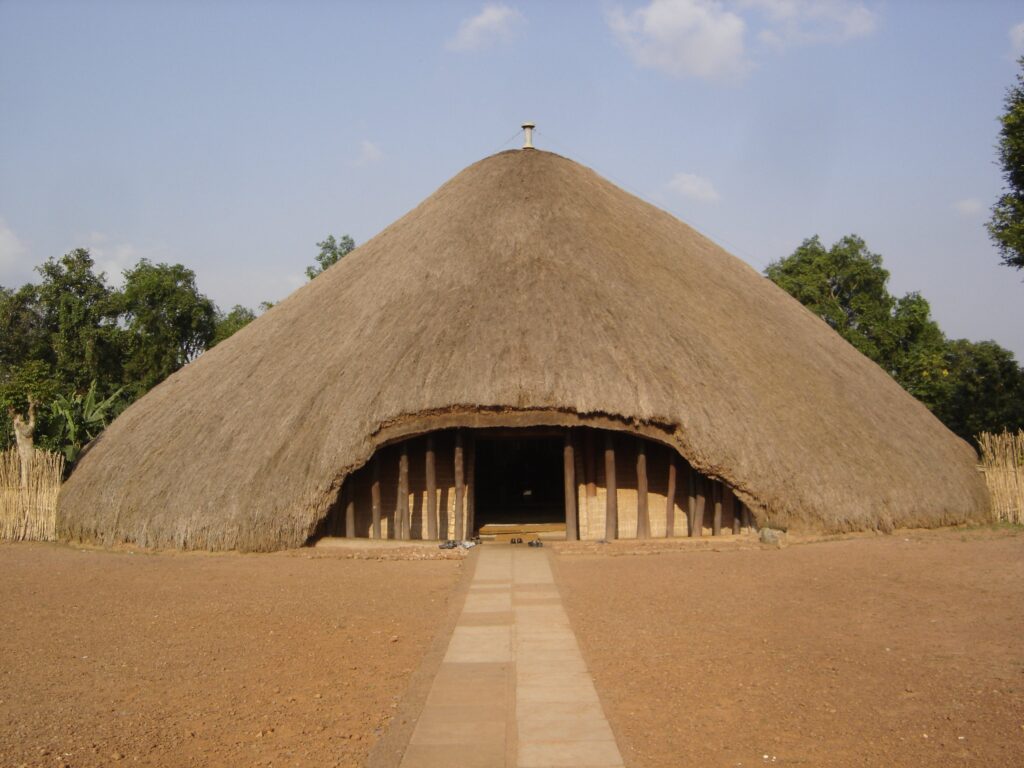
- Kasubi Tombs: the royal burial ground of the Kabakas of Buganda in Kampala, a UNESCO World Heritage Site with a huge thatched main building.
- Imbalu: the famous initiation ceremony of the Bagisu on the slopes of Mount Elgon, held in even-numbered years with days of drumming, dancing and celebration.
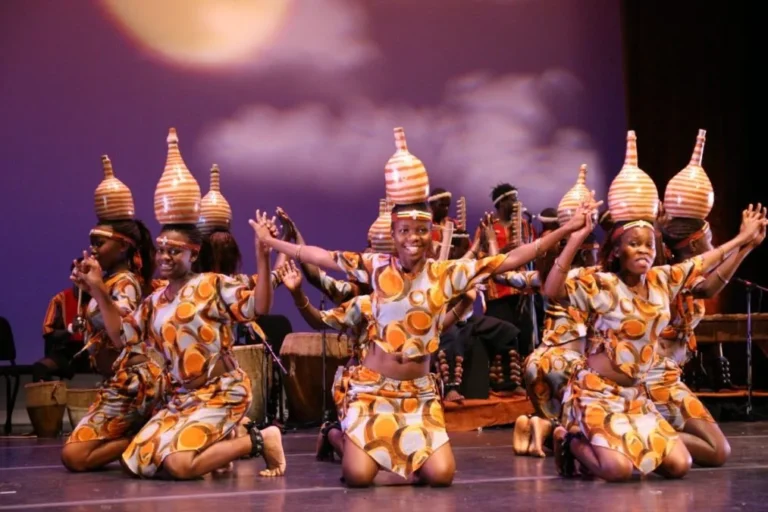
- Music and dance: drums are at the heart of Ugandan culture. Each region has its own dances, from the hip-shaking Bakisimba of Buganda to the leaping dances of Ankole and Karamoja and the Larakaraka courtship dance of the Acholi. The Ndere Centre in Kampala hosts a lively evening show.
- Cattle culture: in Ankole the giant-horned Ankole cattle are a source of pride and wealth, and in Karamoja herders still move with their cattle across the plains.
- Faith and pilgrimage: every 3 June, huge crowds of pilgrims gather at Namugongo near Kampala for Uganda Martyrs Day, many walking for days from across Uganda and neighbouring countries.
- Traditional dress: the elegant gomesi for women and the long white kanzu for men are worn at weddings, introductions and celebrations.
- Crafts: baskets, mats, drums, pottery and wood carvings are made by hand in villages across the country and make meaningful souvenirs.

To experience these traditions in person, see our guide to Uganda culture and our Uganda cultural safaris, or stay with a family on one of our Uganda village home stays.
Ugandan Food: A Taste of the Pearl of Africa
Uganda is often called the food basket of East Africa, and meals here are fresh, filling and often cooked over wood fires. Every region has its own specialities:
- Matooke: green cooking bananas, steamed and mashed, served with groundnut (peanut) sauce, beans or meat stew. It is the national favourite.
- Luwombo: chicken, beef, fish or mushrooms slow-steamed in banana leaves, a dish once reserved for royal feasts in Buganda.
- Rolex: not a watch, but an omelette rolled in a chapati. It is Uganda's best-loved street food.
- Katogo: a hearty breakfast of matooke or cassava cooked together with beans, offal or groundnuts.
- Eshabwe: a creamy ghee sauce from Ankole, served with millet bread or matooke.
- Malakwang: a tangy sour-leaf and groundnut stew loved in Acholi and Lango.
- Posho and beans: a maize-flour staple eaten across the country.
- Nile perch and tilapia: fresh fish from Lake Victoria, Lake Albert and the Nile, often grilled whole or smoked.
- Muchomo: roasted goat, beef or chicken on skewers, sold at roadside grills in the evening.
- Nsenene: fried grasshoppers, a seasonal delicacy in the rainy months of May and November.
Traditional drinks include tonto (banana beer), malwa (millet beer shared through long straws in the north and east) and waragi, Uganda's famous gin. For more dishes, read our Ugandan food guide.

Tropical fruits all year round
Fruit is one of the simple joys of life in the Pearl of Africa. Thanks to two rainy seasons and rich soils, something is always in season, and roadside stalls sell it fresh and cheap:
- Sweet pineapples, famous across the region, especially from Kayunga and Masaka
- Mangoes, which flood the markets in the dry season
- Small, sugary bananas (ndizi) and roasted plantain (gonja)
- Passion fruit, avocados, pawpaws (papaya) and guavas
- Giant jackfruit, sometimes heavier than a child
- Oranges, tangerines, watermelons and sugar cane
Coffee and Tea: Uganda's Green Gold
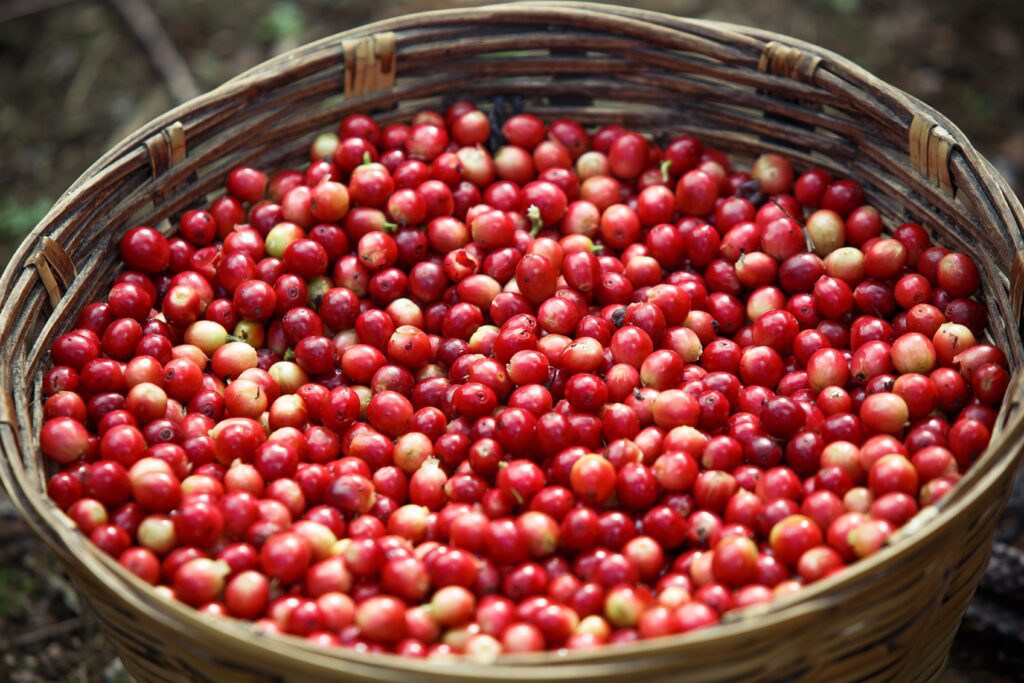
The Pearl of Africa is coffee country. Robusta coffee grows wild in its forests, and the country is now Africa's largest coffee exporter, shipping more than 8 million bags a year. Smooth Arabica is grown on the slopes of Mount Elgon (Bugisu coffee), the Rwenzori foothills and West Nile, while Robusta is grown by hundreds of thousands of small farmers across central and western Uganda.
Tea is the other green gold of the Pearl of Africa. Neat green tea estates cover the hills around Fort Portal, Bushenyi and the edges of Bwindi, and many safaris pass through them. You can pick cherries, roast beans and taste a fresh cup on our Uganda coffee tours.
Fertile Land: The Food Basket of East Africa
Ask Ugandans what makes their country special and many will mention the soil. Volcanic and lake-basin soils, two rainy seasons in most regions and plenty of water make the Pearl of Africa one of the most fertile countries on the continent. Agriculture covers more than half of the land, and most families grow at least some of their own food.
- Food crops: bananas (matooke), cassava, maize, beans, sweet potatoes, millet, sorghum, groundnuts and rice.
- Cash crops: coffee, tea, sugar cane, cotton, cocoa (in Bundibugyo), vanilla, tobacco, sunflower and fresh flowers grown near Entebbe for export.
- Livestock: the long-horned Ankole cattle of the south-west, dairy herds around Mbarara and the zebu cattle of Karamoja.
- Fisheries: Nile perch and tilapia from the great lakes support thousands of fishing communities.
For visitors, this means fresh food on every table and green scenery almost everywhere you travel. Stay with a farming family near Lake Mburo or Bwindi to see rural life up close.
Freshwater Lakes and Rivers of the Pearl of Africa
Water is everywhere in the Pearl of Africa. Lakes, rivers and wetlands cover roughly one sixth of the country, which is remarkable for a landlocked nation. These waters feed farms, power the country through hydroelectric dams and support some of Africa's richest wildlife.
| Lake or river | Where | Why it matters |
|---|---|---|
| Lake Victoria | South, shared with Kenya and Tanzania | Africa's largest lake, source of the Nile, home to the Ssese Islands and Ngamba Island |
| Lake Kyoga | Central and east | Shallow, swampy lake on the Nile, rich in papyrus and fish |
| Lake Albert | West, shared with DR Congo | Rift Valley lake below steep escarpments, centre of Uganda's oil fields and great fishing |
| Lake Edward and Lake George | South-west, linked by the Kazinga Channel | Hippos, crocodiles and elephants in Queen Elizabeth National Park |
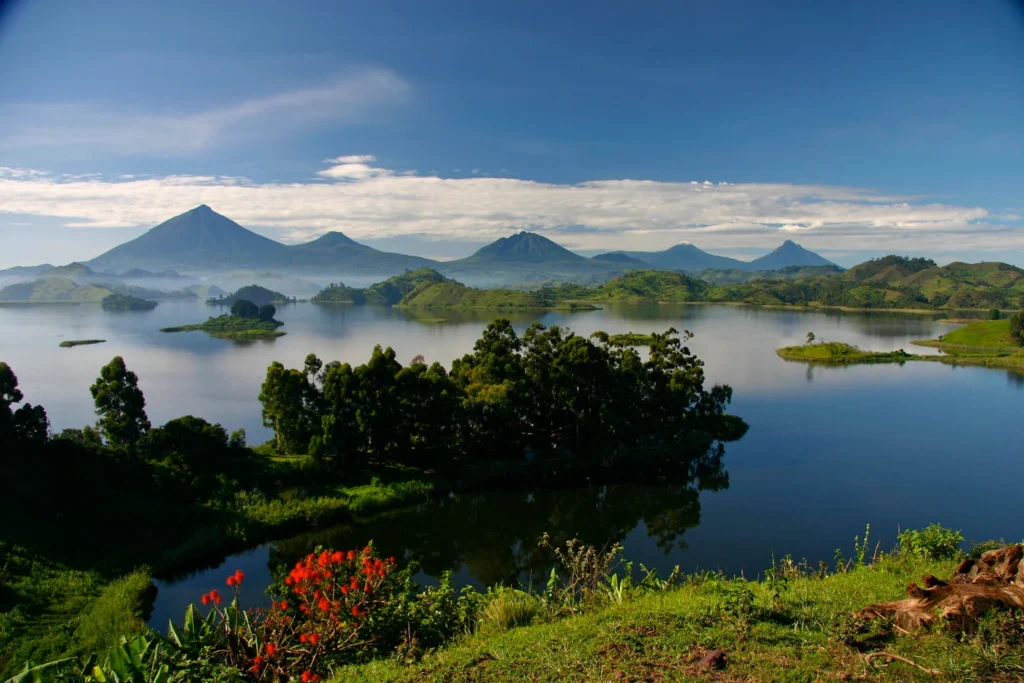
| Lake Bunyonyi | Kabale, south-west | 29 islands among terraced hills, safe for swimming and canoeing |
| Lake Mburo and Lake Mutanda | South-west | Calm lakes for boat trips, with views of the Virunga volcanoes from Mutanda |
| Crater lakes | Around Fort Portal and Queen Elizabeth | Dozens of lakes in old volcanic craters, ideal for walks and swimming |
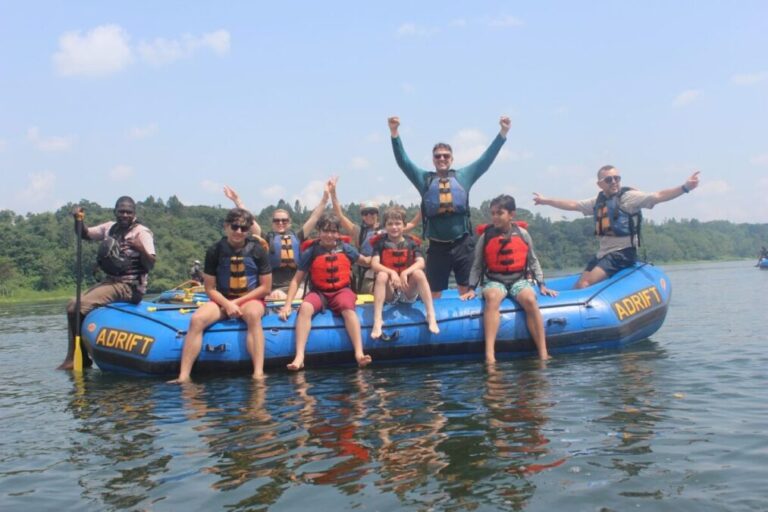
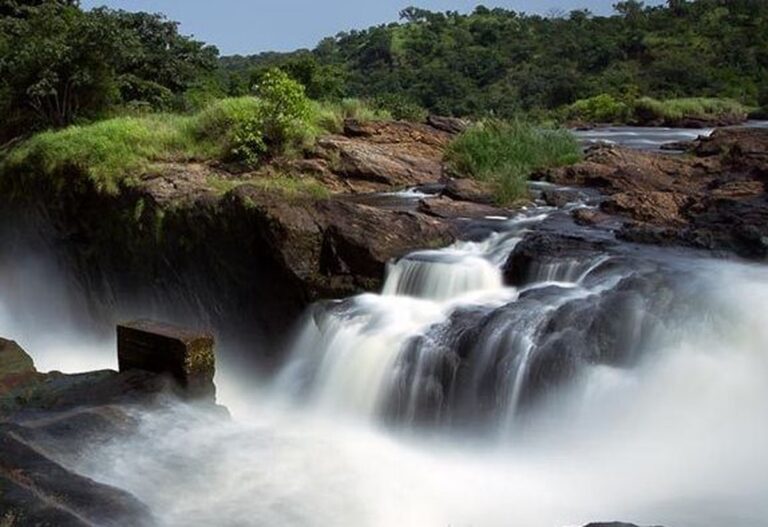
| River Nile | From Jinja to the South Sudan border | Rafting at Jinja, Karuma Falls and the thundering Murchison Falls |
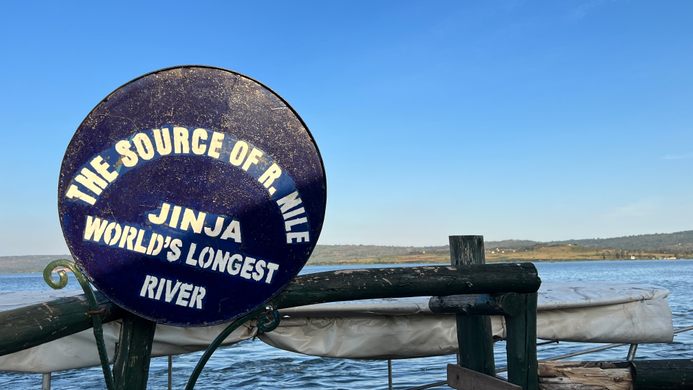
Learn more in our guides to Lake Victoria, Lake Bunyonyi, things to do in Jinja and the Kazinga Channel.
Islands of the Pearl of Africa
The Ssese Islands
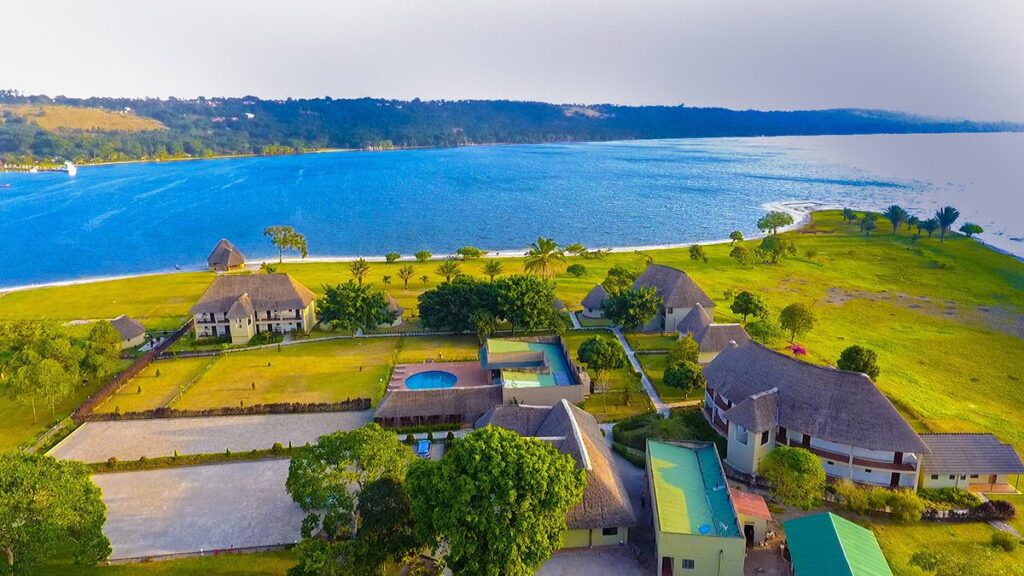
In the north-west of Lake Victoria lie the Ssese Islands, the beach escape of the Pearl of Africa, an archipelago of 84 islands that make up Kalangala District. The largest, Bugala, has sandy beaches, forest walks, palm-fringed bays and relaxed island resorts. A ferry from Nakiwogo near Entebbe takes around three hours, making Ssese a perfect beach escape before or after a safari.
Ngamba Island Chimpanzee Sanctuary
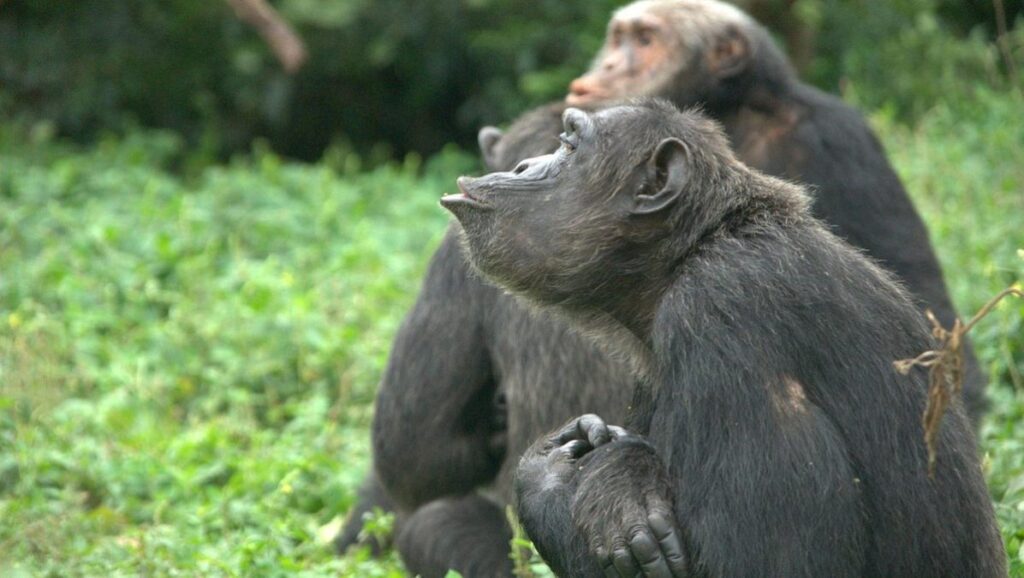
About 23 kilometres from Entebbe, the 100-acre Ngamba Island is home to around 50 orphaned and rescued chimpanzees that cannot return to the wild. Visitors arrive by boat, watch the chimps at feeding time from a raised platform and learn about chimpanzee conservation. It is one of the easiest primate experiences in Uganda, ideal for short stays or the first or last day of a trip.
The islands of Lake Bunyonyi
Lake Bunyonyi in the south-west is dotted with 29 islands, each with its own story, including the small Punishment Island and Bwama, once a centre for leprosy patients. Today canoe trips between the islands are one of the most peaceful experiences in Uganda.
The Mountains of the Pearl of Africa
The Pearl of Africa is not only lakes and savanna. Uganda's mountains are some of the most dramatic in Africa, and each range has its own character.
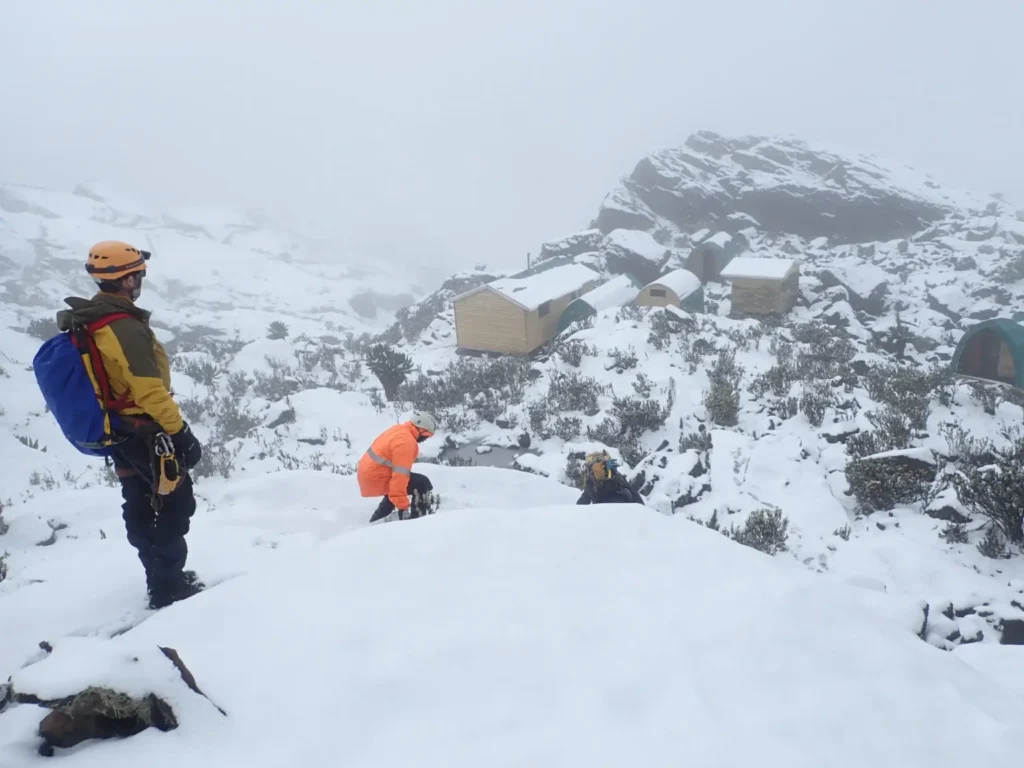
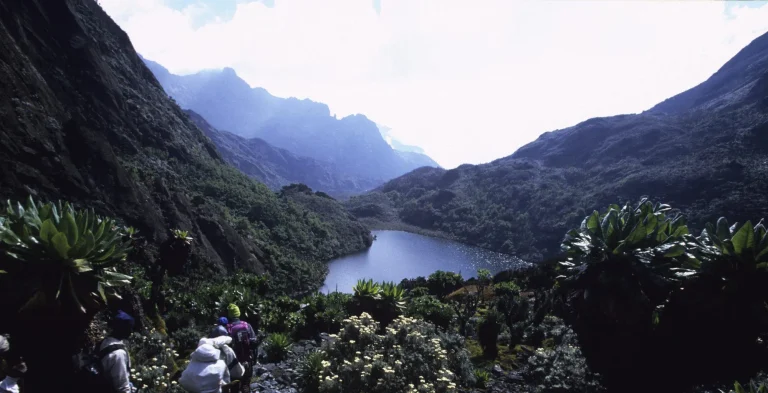
- Rwenzori Mountains: the legendary "Mountains of the Moon" on the border with DR Congo. Margherita Peak reaches 5,109 metres, the third highest summit in Africa, and its glaciers and snow sit almost on the Equator. The park is a UNESCO World Heritage Site. See the Rwenzori Mountains National Park.
- Mount Elgon: a huge extinct volcano on the Kenyan border with one of the largest volcanic calderas in the world. Its highest point, Wagagai, reaches 4,321 metres, and its slopes hold the beautiful Sipi Falls and coffee farms. See Mount Elgon National Park.
- The Virunga volcanoes: in the far south-west, Mount Muhabura (4,127 metres), Mount Gahinga and Mount Sabinyo rise over Mgahinga Gorilla National Park, home to mountain gorillas and golden monkeys.
- The mountains of Karamoja: Moroto, Kadam, Napak and Morungole rise from the dry plains of the north-east, home to the Ik people and some of Uganda's wildest scenery. Read about the Karamoja region.
Experience the Pearl of Africa for yourself
Culture, food, gorillas and great landscapes in one trip. Our Kampala team will design a Uganda holiday around what you love.
Natural Resources of the Pearl of Africa
Beyond its beauty, the Pearl of Africa is rich in natural resources, and they are spread across the country. Its greatest resources are fertile land and fresh water, but the ground also holds oil and a wide range of minerals.
Oil in the Albertine Graben
Commercial oil was discovered around Lake Albert in the mid-2000s. The two main projects are Tilenga, in Buliisa and Nwoya, and Kingfisher, in Kikuube near Hoima. The crude will be exported through the 1,443-kilometre East African Crude Oil Pipeline (EACOP) to the port of Tanga in Tanzania. In September 2026 Uganda named its crude oil "Pearl Sweet", and the country is preparing for its first commercial production.
Minerals across the country
| Resource | Main areas |
|---|---|
| Gold | Busia, Namayingo, Mubende, Buhweju and Karamoja |
| Copper and cobalt | Kilembe, at the foot of the Rwenzori Mountains near Kasese |
| Iron ore | Muko in Kabale and Sukulu near Tororo |
| Rare earth elements | Makuutu, in Bugiri and Mayuge in the east |
| Limestone and phosphates | Tororo, Hima near Kasese and Karamoja, used for cement and fertiliser |
| Salt | Lake Katwe in Queen Elizabeth, mined by hand for centuries |
| Graphite, tin and tungsten | Kitgum, and Kabale and Kisoro in the south-west |
Uganda also generates most of its electricity from the Nile, with power dams at Jinja, Bujagali, Isimba and Karuma, and its forests, wetlands and wildlife are themselves a national treasure. Tourism built on that nature is one of the country's leading sources of income.
Regions of the Pearl of Africa
| Region | Landscape | Highlights for visitors |
|---|---|---|
| Central | Green hills, Lake Victoria shores, papyrus swamps | Kampala, Entebbe, Ssese Islands, Ngamba Island, Mabamba shoebills, Ziwa rhinos |
| East | Mount Elgon, the Nile at Jinja, Lake Kyoga | Source of the Nile, rafting, Sipi Falls, coffee farms, Imbalu culture |
| North and north-east | Open savanna and semi-desert mountains | Kidepo Valley, Karamojong culture, Murchison Falls (north bank) |
| West | Rift Valley lakes, crater lakes, rainforest, the Rwenzori | Kibale chimps, Queen Elizabeth, Fort Portal, Semuliki, Rwenzori trekking |
| South-west | Terraced hills, volcanoes, misty forests | Bwindi and Mgahinga gorillas, Lake Bunyonyi, Lake Mburo |
Climate and Weather in the Pearl of Africa
Thanks to its altitude, the Pearl of Africa enjoys one of the most pleasant climates in the tropics. Most of the country lies on a plateau between about 1,000 and 1,500 metres above sea level, so it is warm rather than hot. Daytime temperatures are usually between about 21°C and 29°C all year, and nights are cool.
- Kampala and Entebbe: warm and humid, softened by breezes from Lake Victoria.
- South-west highlands (Bwindi, Kabale, Kisoro): cooler, with chilly evenings and misty mornings.
- North-east (Kidepo, Karamoja): hotter and drier, with one main rainy season.
- High mountains: cold, with snow and glaciers on the Rwenzori peaks.
The seasons month by month
| Months | Season | What to expect |
|---|---|---|
| December to February | Short dry season | Warm, sunny days; excellent for gorillas, chimps and game drives |
| March to May | Long rains | Heavier afternoon rain, lush green landscapes, fewer visitors and lower lodge rates |
| June to August | Long dry season | Peak safari season, easier forest trails, animals gather near water |
| September | End of the dry season | Still mostly dry, a good shoulder month |
| October to November | Short rains | Short showers, green scenery and excellent birding as migrant birds arrive |
Rain rarely lasts all day, so you can travel in every season. Read our full guide to the best time to visit Uganda.
Wildlife and Nature in the Pearl of Africa
Uganda protects its nature across 10 national parks and many wildlife reserves, sanctuaries and forest reserves. Few countries offer such a mix of primates, big game and birds in one trip, which is a big part of why Uganda earned the name Pearl of Africa.
Mountain gorillas
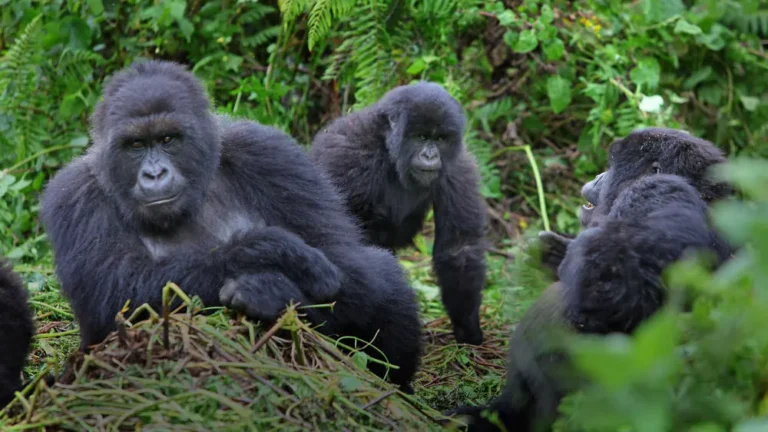
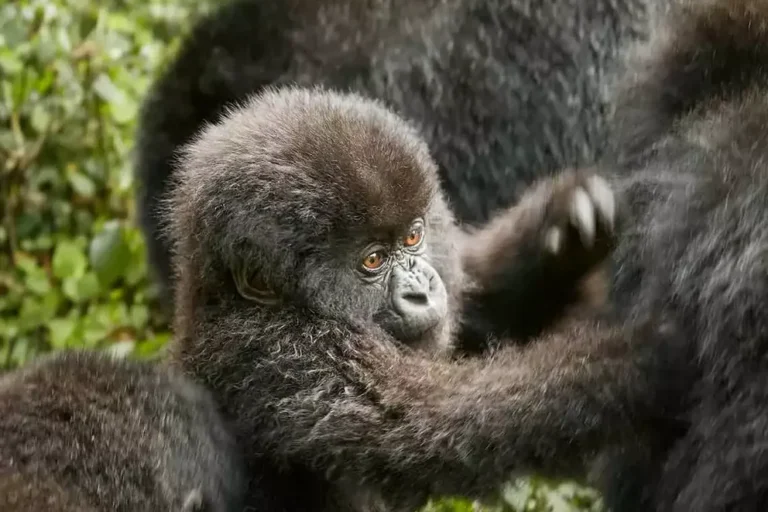
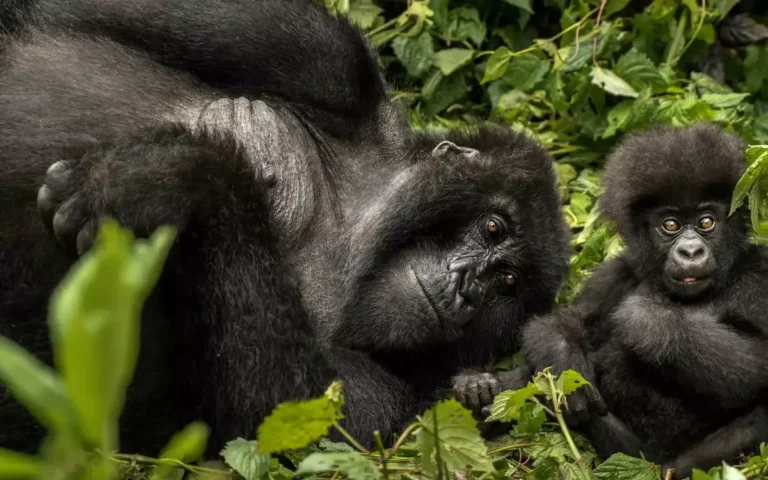
Bwindi Impenetrable Forest and Mgahinga are home to roughly half of the world's mountain gorillas. Spending an hour with a gorilla family is the highlight of most trips. Find out more about gorilla trekking in Uganda.
Chimpanzees and other primates
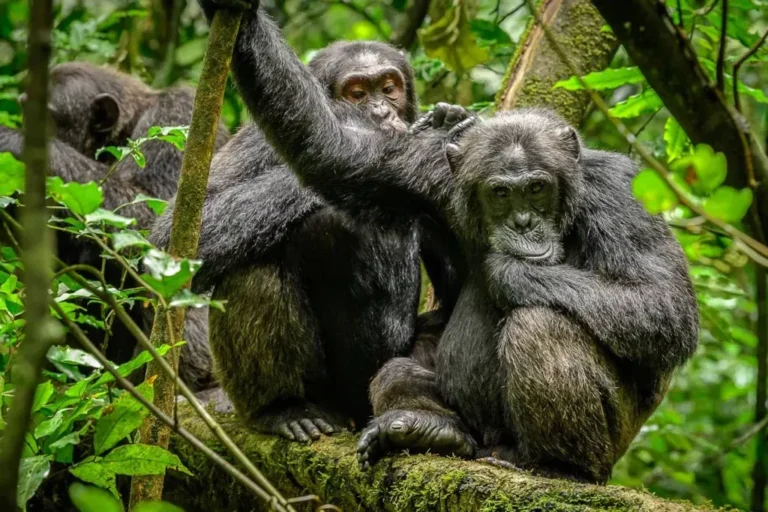
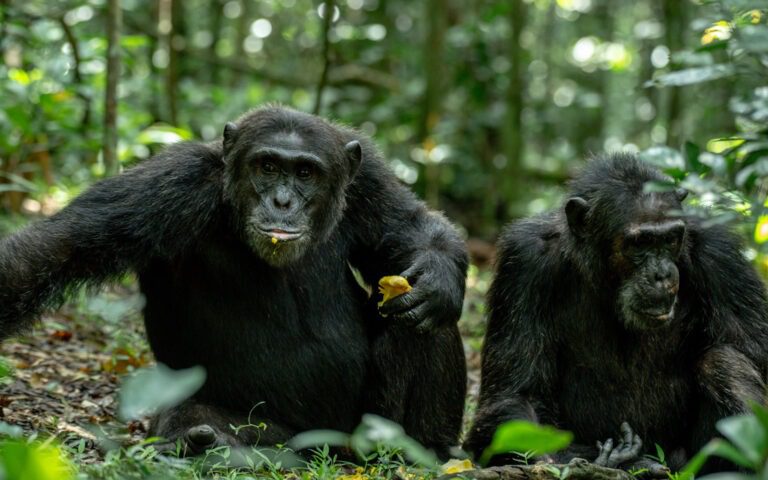
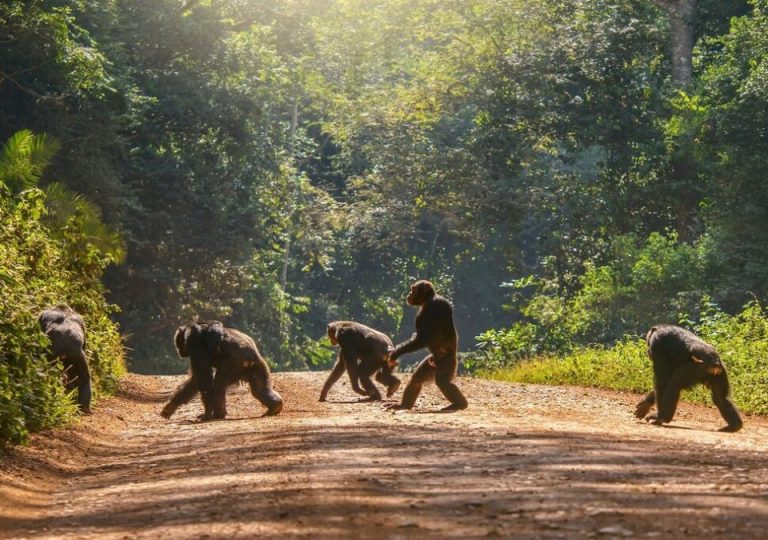
The Pearl of Africa is one of the best countries in Africa for chimpanzees. Kibale Forest, with 13 primate species, is the top place to track them, and you can also find chimps in Budongo Forest near Murchison Falls, Kyambura Gorge in Queen Elizabeth and the forests of Kalinzu and Semuliki. Rescued chimps live on Ngamba Island. Other primates include golden monkeys in Mgahinga, black-and-white colobus, red-tailed monkeys and L'Hoest's monkeys. See chimpanzees in Uganda.
Where to see Uganda's wildlife
| Park or reserve | Wildlife highlights |
|---|---|
| Bwindi Impenetrable National Park | Mountain gorillas, forest birds, the Batwa trail |
| Mgahinga Gorilla National Park | Mountain gorillas, golden monkeys, volcano hikes |
| Kibale Forest National Park | Chimpanzees and 12 other primate species |
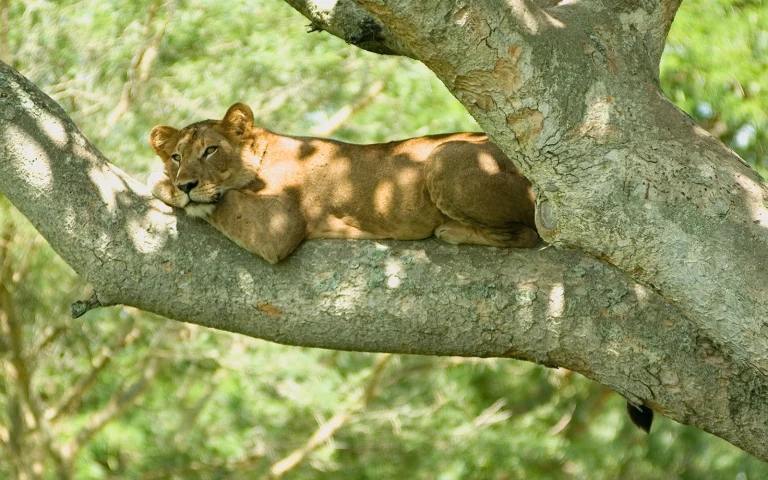
| Queen Elizabeth National Park | Tree-climbing lions, elephants, hippos, the Kazinga Channel |
| Murchison Falls National Park | Giraffes, elephants, lions, buffalo, Nile crocodiles |
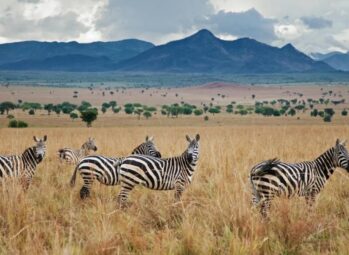
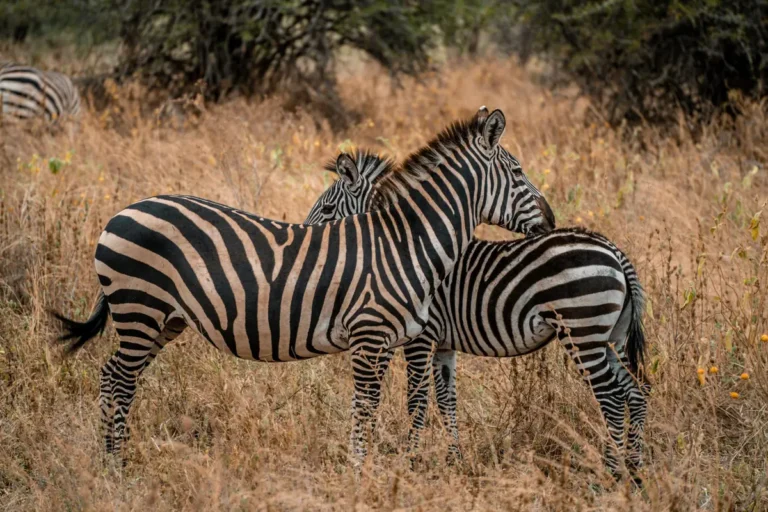
| Kidepo Valley National Park | Cheetahs, ostriches, zebras, large buffalo herds |
| Lake Mburo National Park | Zebras, impala, eland, walking and horseback safaris |
| Semuliki National Park | Central African forest birds, hot springs |
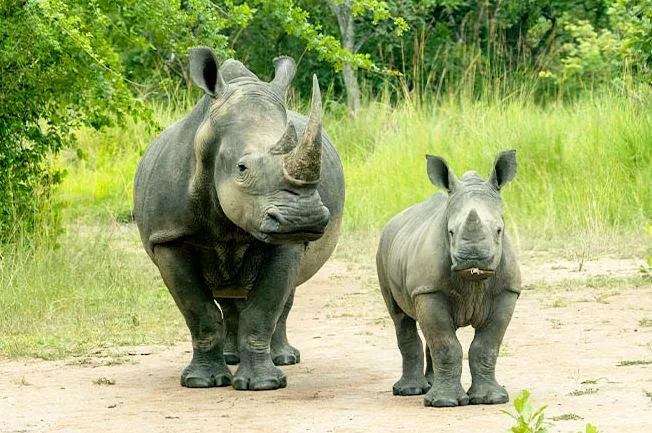
| Ziwa Rhino Sanctuary | Southern white rhinos tracked on foot |
| Mabamba Swamp | The shoebill, seen by canoe near Entebbe |
Together these places give Uganda all of the Big Five: elephants, buffalo, lions and leopards in the savanna parks, and rhinos at Ziwa. Read about rhinos in Uganda and the full guide to Uganda national parks.
A paradise for birds
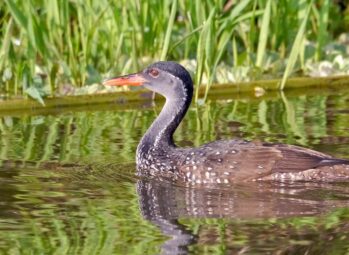
The Pearl of Africa has recorded more than 1,000 bird species, one of the highest totals in Africa for a country of its size. Highlights include the prehistoric-looking shoebill, the great blue turaco, the African green broadbill of Bwindi and the national bird, the grey crowned crane. See our Uganda birding tours and the guide to the shoebill stork in Uganda.
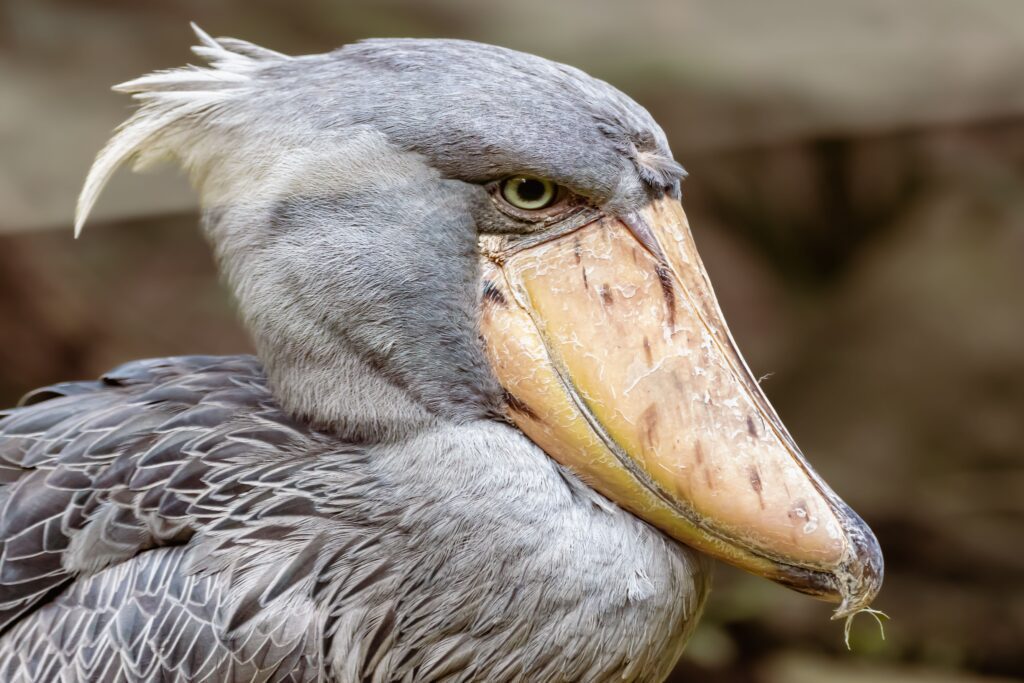
Three of Uganda's treasures are UNESCO World Heritage Sites: Bwindi Impenetrable National Park, the Rwenzori Mountains and the Kasubi Tombs.
Daily Life and Lifestyle in the Pearl of Africa
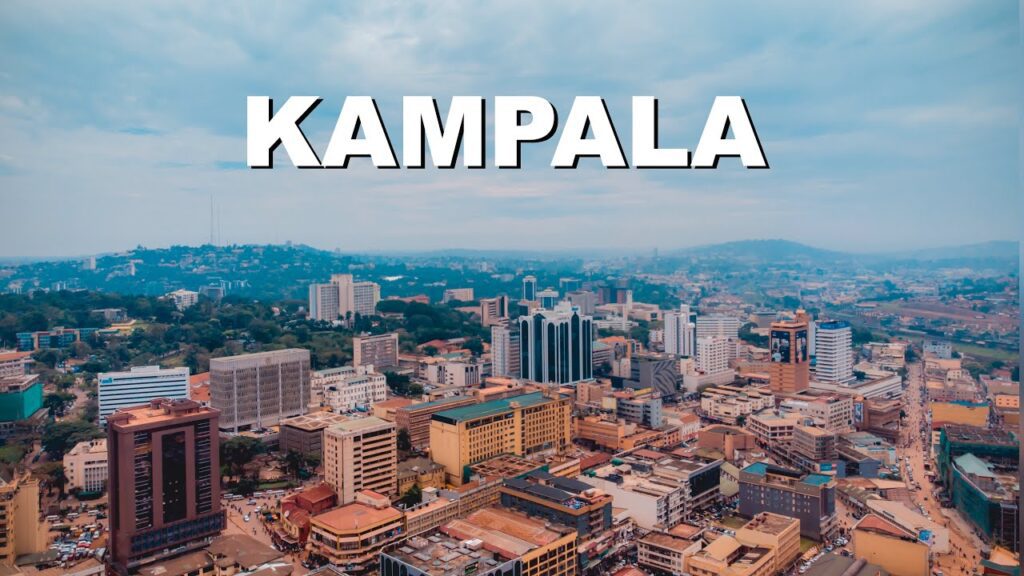
Life in the Pearl of Africa moves to its own rhythm. In Kampala, boda boda motorbike taxis weave through traffic, markets like Owino and Nakasero overflow with produce, and the evenings are full of music, roadside grills and lively nightlife. The city spreads across many hills, each with its own character, from palaces and cathedrals to busy downtown streets.
Outside the cities, most Ugandans live from the land. Banana gardens, coffee shrubs and cattle surround family homes, and markets, churches and mosques are the centre of community life. Football is a national passion, and you will see children playing on almost every open field. Explore the capital with our guide to things to do in Kampala and choose a hotel from our list of where to stay in Kampala.
Top Attractions in the Pearl of Africa
- Bwindi Impenetrable Forest: trek to a family of mountain gorillas.
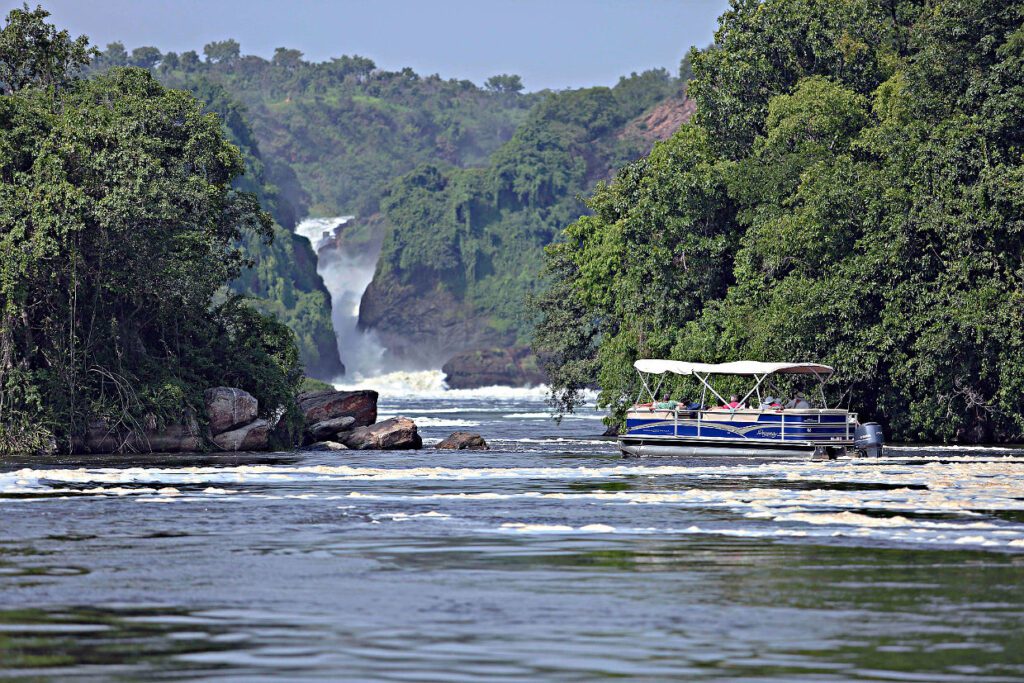
- Murchison Falls National Park: watch the Nile force its way through a narrow gorge and cruise among hippos and crocodiles.
- Queen Elizabeth National Park: game drives, tree-climbing lions and the Kazinga Channel boat cruise.
- Kibale Forest National Park: chimpanzee tracking in a lush tropical forest.
- Lake Mburo National Park: zebras, impala and walking safaris close to Kampala.
- Jinja and the source of the Nile: rafting, kayaking and river cruises.
- Ssese Islands and Ngamba Island: beaches, island life and rescued chimpanzees on Lake Victoria.
- The Rwenzori and Mount Elgon: mountain trekking, waterfalls and coffee farms.
- Kampala: palaces, markets, museums and nightlife in a friendly capital.
Want more ideas for exploring the Pearl of Africa? Browse the top tourist attractions in Uganda and our list of hidden gems in Uganda.
15 Fascinating Facts About Uganda, the Pearl of Africa
- The Equator crosses Uganda, and you can stand with a foot in each hemisphere at Kayabwe on the Kampala to Masaka road.
- The River Nile begins its journey to the Mediterranean at Jinja.
- Uganda shares Lake Victoria, the largest lake in Africa.
- Lakes, rivers and wetlands cover roughly one sixth of the country.
- Roughly half of the world's mountain gorillas live in Uganda.
- The Rwenzori Mountains hold glaciers and snow almost on the Equator.
- Uganda has recorded more than 1,000 bird species.
- Uganda is Africa's largest coffee exporter.
- Robusta coffee grows wild in Uganda's forests.
- The Ssese Islands are an archipelago of 84 islands in Lake Victoria.
- Uganda's ancient kingdoms still have kings today, as cultural leaders.
- Around 40 indigenous languages are spoken in the country.
- About half of all Ugandans are under 18, one of the youngest populations in the world.
- Uganda named its new crude oil "Pearl Sweet" after its famous nickname.
- Uganda has three UNESCO World Heritage Sites: Bwindi, the Rwenzori Mountains and the Kasubi Tombs.
Is the Pearl of Africa a Good Place to Visit?
Yes. Uganda welcomes visitors from all over the world, and its parks, lodges and guides are well used to looking after travellers. As with any destination, sensible precautions apply, and travelling with a licensed operator makes everything easier. Read our guide on whether Uganda is safe for safari, and our travel to Uganda guide for visas, health, money and getting around.
For more inspiration, see our guide to Uganda tourism and our 7 powerful reasons to visit Uganda.
Explore the Pearl of Africa With Tulambule
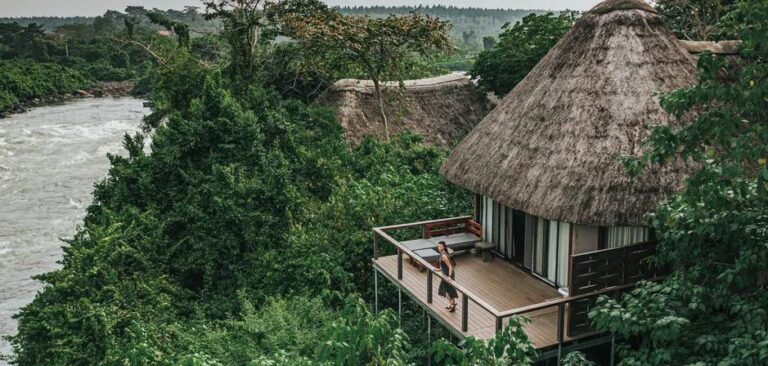
From a day in Kampala to a three-week journey across the whole country, these trips show Uganda at its best: culture, landscapes, lakes and wildlife. Each one can be tailored to your dates, budget and interests, and we can add the Ssese Islands, Ngamba Island, a coffee farm or a royal palace to any of them.
Continue Planning Your Trip
The Pearl of Africa is best discovered with people who call it home. We are a Ugandan-owned company, based in Kampala since 2014, and we would love to show you our country.
Discover the Pearl of Africa with a local team
Tell us what you would love to see, from gorillas and game drives to culture, food, islands and the source of the Nile. We will send you a free, tailor-made plan.
Get a Free QuoteChat on WhatsApp
Licensed by UTB and UWA • Member of AUTO • Rated 4.9 on TripAdvisor