Uganda vs Kenya Safari: Which Destination Delivers More for Your Money?
 When travellers ask "Uganda vs Kenya safari — which is better?", the honest answer is that you are asking the wrong question. These two East African neighbours are not rivals — they are complements. Each country delivers something the other simply cannot match. Uganda gives you the rare intimacy of gorilla trekking, primate forests, and the Nile. Kenya gives you the spectacle of the Great Migration, iconic open savannah, and big cat territory that sets the bar for all of Africa.
The smartest safari travellers — and increasingly, the most satisfied ones — are choosing both. This guide breaks down exactly what Uganda and Kenya each offer, what makes them unique, and how a combined Uganda-Kenya safari could be the most rewarding journey of your life.
Uganda vs Kenya Safari: The Core Difference
Before we go deep, here is the one-line summary:
Uganda is the primate capital of the world — deep forests, mountain gorillas, chimpanzees, and the source of the Nile River.
Kenya is the classic African safari — sweeping savannahs, the wildebeest Great Migration, and the iconic Big 5 in open grasslands.
One is immersive and intimate. The other is grand and spectacular. Neither is better. Both are unforgettable.
What Uganda Offers: The Pearl of Africa
Uganda earns its nickname — the Pearl of Africa — with extraordinary biodiversity packed into a relatively small country. Here is what brings safari travellers to Uganda:
Mountain Gorilla Trekking in Uganda
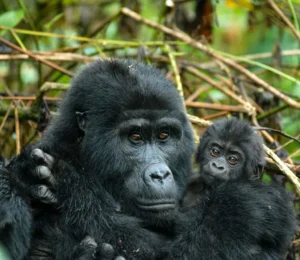
Uganda is home to more than half of the world's remaining mountain gorillas, with the majority living in Bwindi Impenetrable National Park and Mgahinga Gorilla National Park. Trekking through dense forest to spend one hour with a wild gorilla family is, for most travellers, the most emotional wildlife experience of their lives.
According to the IUCN Red List, mountain gorillas are critically endangered with fewer than 1,100 individuals remaining in the world — making every encounter profoundly meaningful. Uganda Wildlife Authority issues a limited number of permits per day, which means the experience is never overcrowded.
Uganda gorilla permits currently cost USD 800 per person (foreign non-residents). Rwanda charges USD 1,500. Uganda remains the most accessible option for serious gorilla seekers.
Explore our gorilla trekking tours in Uganda and see how we plan the perfect trek.
Chimpanzee Trekking in Kibale National Park
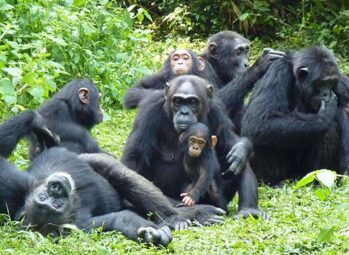
Kibale National Park contains the highest density of primates in the world, including over 1,500 chimpanzees. Chimpanzee trekking here is very different from gorilla trekking — chimps are fast, vocal, and endlessly entertaining. Watching them swing through the canopy overhead is a completely different energy from the quiet reverence of a gorilla encounter. Many travellers combine both in one Uganda trip.
The Nile River at Jinja
The White Nile begins at Jinja, Uganda — the longest river in the world starting its 6,650 km journey to the Mediterranean from this small town. Jinja offers some of Africa's best white-water rafting, kayaking, and boat safaris on the Nile. National Geographic has described it as one of Africa's great adventure destinations.
Queen Elizabeth National Park
Queen Elizabeth National Park is Uganda's most visited wildlife park — famous for tree-climbing lions in the Ishasha sector, a spectacular Kazinga Channel boat safari, and large herds of elephants, buffalo, and hippos. Unlike Kenya's open plains, Queen Elizabeth's landscapes shift dramatically between savannah, forest, and wetlands.
Uganda Culture and People
Uganda's culture is extraordinarily rich and diverse. The country has over 50 tribes, each with distinct languages, music, dance, and traditions. The Buganda Kingdom — the largest traditional kingdom in East Africa — is centred in Kampala and remains a living cultural institution. Visiting the Kasubi Tombs (a UNESCO World Heritage Site) or the Buganda Palace gives travellers a genuine window into a culture with deep historical roots.
Ugandan food tells its own story. The staple is matooke — steamed green bananas — served with groundnut stew, smoked fish, or roasted meats. Street food culture is vibrant: rolex (a chapati rolled with eggs and vegetables), muchomo (roasted goat or pork skewers), and fresh tropical fruit at every corner market. Ugandan coffee — particularly from the Mount Elgon highlands — is among Africa's finest. Uganda is one of Africa's top coffee producers.
Kampala itself is a fast-growing, energetic capital with a lively nightlife scene, excellent restaurants, and a genuine warmth from its people that first-time visitors consistently describe as the highlight of their trip.
What Kenya Offers: Africa's Classic Safari Destination
Kenya is arguably the most recognisable safari destination in the world — and for good reason. It set the template for the modern safari experience and continues to deliver it at the highest level.
The Great Wildebeest Migration in Maasai Mara
The Maasai Mara is the Kenyan section of the Serengeti ecosystem and the stage for the Great Wildebeest Migration — the largest land animal migration on Earth. Between July and October each year, over 1.5 million wildebeest, hundreds of thousands of zebras, and vast numbers of gazelles move from Tanzania's Serengeti northwards into Kenya's Mara, crossing the crocodile-filled Mara River in dramatic scenes that have defined the global image of African wildlife. Our 3-Day Masai Mara Safari is designed around these peak migration months.
Kenya's Big 5 Safari Experience
Kenya's open savannah ecosystems — Maasai Mara, Amboseli, Tsavo East and West, Samburu — are extraordinary Big 5 territory. Lions, leopards, elephants, buffalo, and rhinos are all found here, often in open grasslands that allow incredible photography. Amboseli is world-famous for its large elephant herds with Mount Kilimanjaro as a backdrop — one of Africa's most iconic landscapes.
Kenya's Maasai Culture
The Maasai people are one of East Africa's most recognised cultural communities — semi-nomadic pastoralists whose traditional red shukas (robes), beadwork, and warrior traditions have made them iconic worldwide. Maasai-owned conservancies around the Mara offer cultural visits, village stays, and guided walks with Maasai warriors. This is authentic cultural immersion, not performance.
Kenyan food reflects the country's diverse heritage: nyama choma (roasted meat, typically goat or beef) is the national dish. Ugali (a dense cornmeal porridge) is eaten with sukuma wiki (sautéed greens), stews, and beans. Coastal Kenya brings Swahili cuisine — coconut-based curries, pilau rice, and grilled seafood from the Indian Ocean. Nairobi has a genuine international food scene.
Nairobi: Africa's Most Surprising City
Nairobi is unlike any other African capital. It has a wildlife park — Nairobi National Park — within city limits where you can photograph lions with the city skyline in the background. The city has world-class restaurants, a thriving arts scene, and is home to a growing technology ecosystem that has earned it the nickname "Silicon Savannah."
Uganda vs Kenya Safari: Side-by-Side Comparison
| Factor | Uganda | Kenya |
|---|---|---|
| Headline Experience | Mountain gorilla trekking | Great Wildebeest Migration |
| Best Wildlife | Gorillas, chimps, primates | Lions, elephants, Big 5 |
| Landscape | Forest, savannah, Nile | Open grassland, semi-arid |
| Cultural Highlight | Buganda Kingdom, 50+ tribes | Maasai culture, Swahili coast |
| Safari Cost | Mid-range to luxury | Mid-range to ultra-luxury |
| Crowd Level | Low to moderate | Moderate to high (peak season) |
| Signature Dish | Matooke, rolex, muchomo | Nyama choma, ugali |
| Unique Experience | Gorilla permits (only 8 per group) | River crossing in peak migration |
Connectivity: Getting Between Uganda and Kenya Is Easier Than You Think
One of the most common reasons travellers choose one over the other is a misconception about how hard it is to combine them. The truth: getting between Kampala and Nairobi has never been easier.
Safarilink Aviation now operates direct flights between Nairobi's Wilson Airport and Entebbe International Airport, making a combined Uganda-Kenya safari completely seamless. The flight takes approximately 1 hour 45 minutes. Scheduled services operate multiple times weekly, connecting directly into the safari circuit on both ends.
Alternatively, overland options through the Busia or Malaba border crossings are available, and regional airlines including Kenya Airways, Ethiopian Airlines, and RwandAir connect the two capital cities via short hops.
At Tulambule Uganda Safaris, we handle the full logistics — permits, accommodation, transport, and flight connections — for combined Uganda-Kenya packages. Ask us about our custom itineraries.
Why Smart Travellers Are Choosing Both: The Combined Uganda-Kenya Safari
Here is the honest truth about the Uganda vs Kenya safari debate: the travellers who enjoy East Africa most are those who combine both countries into one trip.
A 10–14 day itinerary easily covers gorilla trekking in Bwindi, chimpanzees in Kibale, a Queen Elizabeth wildlife safari, and then a Maasai Mara migration safari in Kenya. You leave with experiences that no single-country trip can match.
Consider this rough combined itinerary structure:
Days 1–3: Arrive Entebbe, transfer to Kibale, chimpanzee trekking
Days 4–6: Bwindi Impenetrable Forest, gorilla trekking
Days 7–8: Queen Elizabeth National Park — Kazinga Channel, tree-climbing lions
Days 9–10: Fly Entebbe to Nairobi, connect to Maasai Mara
Days 11–13: Maasai Mara game drives, migration viewing, Maasai cultural visit
Day 14: Nairobi, depart
Explore our Uganda safari packages and Kenya safari tours for full itinerary options, or contact us for a custom combined quote.
When to Visit: Uganda vs Kenya Safari Season
Uganda is a year-round destination. The two dry seasons — June to August and December to February — offer the best trekking conditions with firmer forest trails. However, gorilla trekking happens every day of the year, rain or shine.
Kenya has two main safari seasons. The Great Migration river crossings peak between July and October. The second dry season, January to March, is excellent for predator viewing when vegetation is lower.
The best news: Uganda's peak gorilla trekking season (June–August) overlaps perfectly with Kenya's migration peak (July–October). A June or July trip can catch both highlights at their absolute best.
Uganda vs Kenya Safari: Which Should You Choose?
If you have to choose just one:
Choose Uganda if you are drawn to rare, intimate wildlife encounters, you want gorilla trekking as a once-in-a-lifetime experience, and you prefer fewer crowds and a more off-the-beaten-path feel.
Choose Kenya if you want the classic open-savannah, big cat, photographic safari experience — and especially if you can travel during the Great Migration months of July to October.
Choose both if you have 10–14 days and want East Africa's full range — primate forests, open savannah, cultural depth, and the kind of trip that stays with you for the rest of your life.
Plan Your Uganda vs Kenya Safari with Tulambule
At Tulambule Uganda Safaris, we specialise in both Uganda and Kenya, and we build custom itineraries that make the most of your time in East Africa. Whether you want a focused 5-day gorilla trekking experience or a 14-day combined Uganda-Kenya safari, we handle everything: permits, lodges, transport, and in-country support throughout.
We are 100% Ugandan-owned, accredited by the Uganda Tourism Board, Uganda Wildlife Authority, AUTO, and TUGATA.
Get a free quote for your Uganda vs Kenya Safari — we respond within 24 hours.
Frequently Asked Questions: Uganda vs Kenya Safari
Is Uganda or Kenya cheaper for a safari?
Uganda is generally slightly more affordable at the mid-range level, though the USD 800 gorilla permit is a significant fixed cost. Kenya has a wider range of options from budget camping to ultra-luxury camps.
Can I combine Uganda and Kenya in one trip?
Absolutely. Most travellers doing 10–14 days can comfortably cover gorilla trekking in Uganda and a Maasai Mara safari in Kenya with direct flights between Entebbe and Nairobi.
Is Uganda safe for tourists?
Yes. Uganda is one of East Africa's safest tourism destinations. The major national parks and tourist areas are stable and well-managed. Tulambule Uganda Safaris monitors all security advisories and adjusts itineraries where needed.
What is the best time for a combined Uganda-Kenya safari?
June to August is ideal — Uganda's dry season coincides with the peak of Kenya's Great Migration river crossings. It is East Africa's most rewarding travel window.
Do I need a visa for both Uganda and Kenya?
Yes, separately. The East Africa Tourist Visa covers Uganda, Kenya, and Rwanda for USD 100 — an excellent option for combination travellers. Check current requirements with your travel agent.
Ready to book your Uganda vs Kenya Safari? Contact Tulambule Uganda Safaris today for a personalised itinerary and quote.