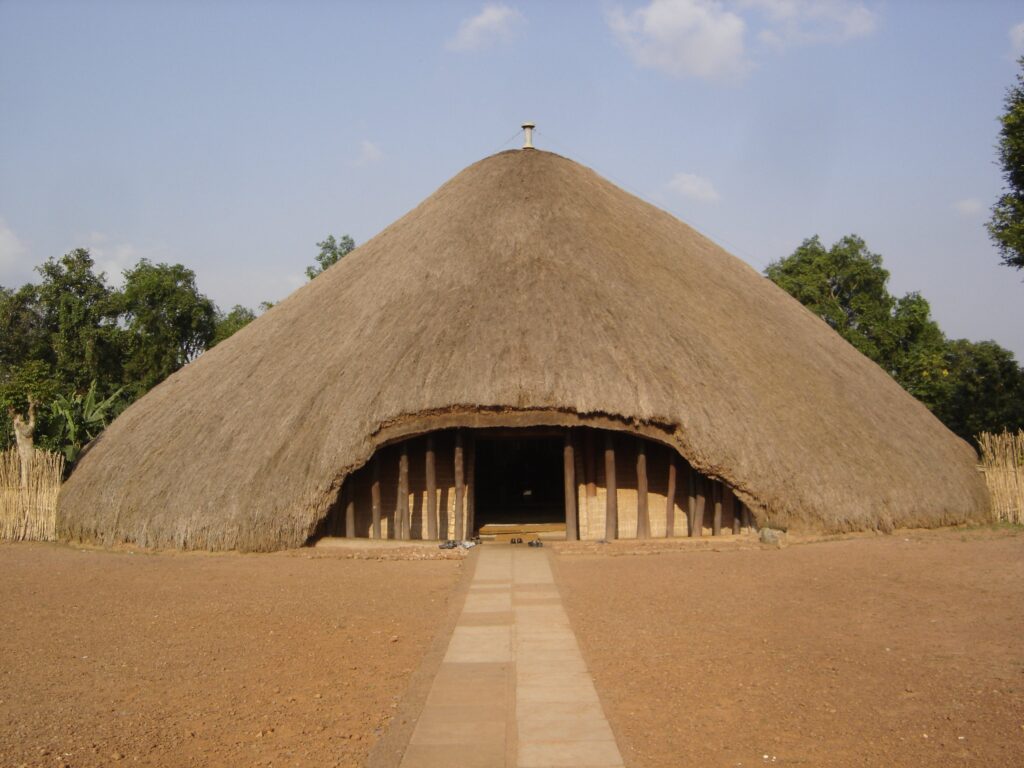
The Kasubi Tombs are the royal burial ground of the Buganda Kingdom, set on Kasubi Hill about 5 kilometres northwest of central Kampala. Four kabakas (kings) of Buganda rest here inside Muzibu Azaala Mpanga, a vast grass-thatched house that is one of the finest examples of traditional architecture in Africa. The site is a UNESCO World Heritage Site and the spiritual heart of the Baganda, Uganda's largest ethnic group.
After a fire destroyed the main tomb house in 2010, the Kasubi Tombs went through a long and careful rebuild using traditional materials and skills. In 2026 the site is open to visitors again, and the Buganda Kingdom formally commissioned the restored tombs in August 2026. This guide covers the history, what you will see, entrance fees, opening hours, etiquette and how to fit a visit into your Kampala stay or Uganda safari.
Kasubi Tombs at a Glance
If you only have a minute, here are the key facts about the Kasubi Tombs before you plan your visit.
| Detail | What to know |
|---|---|
| Location | Kasubi Hill, off Masiro Road, about 5 km northwest of Kampala city centre |
| Who is buried here | Four kabakas of Buganda: Muteesa I, Mwanga II, Daudi Chwa II and Sir Edward Muteesa II |
| Main building | Muzibu Azaala Mpanga, the royal tomb house, built in 1882 and rebuilt after the 2010 fire |
| Status | UNESCO World Heritage Site since 2001, removed from the List of World Heritage in Danger in 2023 |
| Managed by | The Buganda Kingdom |
| Time needed | About 1 to 2 hours with a site guide |
| Best combined with | A full Kampala city tour, the Kabaka's Palace, Bulange and Namirembe Cathedral |
The History of the Kasubi Tombs
Kasubi Hill was first a royal palace. Kabaka Muteesa I built his palace here in 1882 and named it Muzibu Azaala Mpanga. When he died in 1884, he was buried inside his own palace, and the hill became a royal burial ground.
Before Muteesa I, each kabaka was buried at a separate site, and the Buganda Kingdom has dozens of royal tombs spread across its hills. Kasubi changed that pattern. Muteesa I's successors were laid to rest beside him, which is why the Kasubi Tombs became the most important royal burial site in Buganda.
The four kabakas buried at Kasubi
- Muteesa I (died 1884): the builder of the palace, who welcomed the first European explorers and missionaries to Buganda.
- Mwanga II (died 1903): Muteesa I's son, who died in exile in the Seychelles. His remains were brought home and buried at Kasubi in 1910.
- Daudi Chwa II (died 1939): Mwanga II's son, who became kabaka as a young child and ruled for more than four decades.
- Sir Edward Muteesa II (died 1969): the last of the four, who was also the first President of Uganda. He died in exile in London, and his body was returned and buried at Kasubi in 1971.
The present kabaka, Ronald Muwenda Mutebi II, is the son of Sir Edward Muteesa II. That living connection is part of what makes the site feel so different from a museum: the people who care for the site are part of the same royal story.
Why the Kasubi Tombs Are a UNESCO World Heritage Site
UNESCO inscribed the Tombs of Buganda Kings at Kasubi on the World Heritage List in 2001. It recognised the site for its building craft, for its role in the living traditions of the Baganda, and for being the best surviving example of a Ganda palace and its royal compound.
Most of the land around the tomb house is still farmed in traditional ways, and the site remains an active place of worship. Clan elders, royal family members and the kabaka's representatives still hold rituals here, which is why visitors are asked to follow the customs explained further down this guide.
What You Will See at the Kasubi Tombs
A visit to the Kasubi Tombs follows a set route through the royal compound, led by a site guide. Here is what to look out for.
Bujjabukula, the gatehouse
You enter through Bujjabukula, a thatched gatehouse built from wood, reeds and grass. In Buganda tradition, royal guards kept watch here, and it marks the point where the everyday world gives way to sacred ground.
Ndoga Obukaba, the drum house
Just inside the compound stands the royal drum house. Drums play a central role in Buganda, announcing royal events and ceremonies, and the guide will explain how they are used today.
The courtyard and the widows' houses
The open courtyard, known as Olugya, leads up to the main tomb house. It is lined with smaller houses traditionally used by the widows of the kabakas and their descendants. Women of the royal family still take turns, usually for a month at a time, to sit at the entrance of the tomb house, receive visitors and care for the site.
Muzibu Azaala Mpanga, the great tomb house
The heart of the Kasubi Tombs is the huge domed house of Muzibu Azaala Mpanga, which looks like a giant basket turned upside down. Its thatch comes almost to the ground, and inside, tall wooden poles wrapped in bark cloth hold up a ceiling of woven grass rings. Guides explain that the rings represent the clans of Buganda, each with its own role in the kingdom.
Inside, you will see photographs of the four kabakas, spears, shields, drums and other royal regalia laid out on grass mats. Behind a large curtain of bark cloth lies Kibira, the sacred "forest" where the actual graves are. Visitors do not go behind the curtain. Only certain royal family members and custodians may enter.
The 2010 Fire and the Rebuilding of the Kasubi Tombs
On the evening of 16 March 2010, a fire destroyed Muzibu Azaala Mpanga. Because the building was made almost entirely from plant materials, it burned quickly, and the loss caused deep grief across Buganda and Uganda. The cause of the fire has never been made public.
UNESCO placed the site on the List of World Heritage in Danger in 2010, and a long reconstruction began. The work was about more than building. Many traditional skills had to be taught to a new generation, and specific clans hold specific duties: the thatchers come from the Ngeye (Colobus Monkey) clan, while decorators come from the Ngo (Leopard) clan.
In September 2023, the World Heritage Committee removed the Kasubi Tombs from the List of World Heritage in Danger, recognising the success of the restoration. In December 2025, the Katikkiro (Prime Minister) of Buganda, Charles Peter Mayiga, announced that the reconstruction of the main tomb house was complete. The upgrades include a perimeter wall around the whole site, on-site firefighting equipment and a water reservoir to protect the thatch in future.
The Buganda Kingdom formally commissioned the restored Kasubi Tombs at a ceremony led by the Katikkiro in August 2026. The total restoration has been reported at about Shs 13 billion, with support from the Government of Uganda, the Government of Japan and many individuals and organisations.
Want to visit the Kasubi Tombs with a guide?
We arrange private Kampala tours with hotel pick-up from Kampala or Entebbe, a driver-guide and all entrance fees, so you can see the Kasubi Tombs without any stress.
Kasubi Tombs Entrance Fees
Entrance fees are paid at the gate and include a site guide. The rates below are the ones most widely published for visitors. The Buganda Kingdom sets the fees and can change them, so we always confirm the current rate before your visit.
| Visitor category | Adult | Child |
|---|---|---|
| Foreign non-resident | US$20 | US$15 |
| Foreign resident in Uganda | US$15 | US$10 |
| East African citizen | UGX 20,000 | UGX 10,000 |
| Ugandan citizen | UGX 10,000 | Students UGX 5,000, pupils UGX 3,000 |
Carry cash, ideally in Uganda shillings, and bring your passport or ID if you are claiming a resident or East African rate. A small tip for your guide is welcome but not required. When you visit with us, the entrance fee is included in your tour price.
Opening Hours and How Long to Spend
The Kasubi Tombs open every day, usually from about 8:00 or 9:00 am until about 5:00 or 6:00 pm. Hours can change around cultural ceremonies and royal events, when parts of the site may close to visitors, so check before you go.
A guided visit takes about one to two hours. Arrive in the morning if you can: the light is softer for photographs of the thatch, the hill is cooler, and you have time to continue to other Kampala sights the same day.
Etiquette and Dress Code at the Kasubi Tombs
The Kasubi Tombs are a sacred site, not just a tourist attraction. Following these customs shows respect to the Baganda and makes your visit smoother.
- Remove your shoes before entering Muzibu Azaala Mpanga. You will see neat rows of shoes outside the entrance.
- Dress modestly. Cover your shoulders and knees. Women wearing trousers or short skirts may be offered a cloth to wrap around the waist, following Buganda custom.
- Ask before taking photographs. Your guide will tell you where photos are allowed, especially inside the tomb house.
- Keep your voice low and do not touch the regalia, the bark cloth or the grass mats.
- Follow your guide's lead on where to sit, kneel or walk. Some areas are open only to members of the royal family.
How to Get to the Kasubi Tombs
The Kasubi Tombs sit on Kasubi Hill in Lubaga Division, off Masiro Road, about 5 kilometres from the city centre. Depending on traffic, the drive takes about 20 to 40 minutes from central Kampala.
- From Entebbe: allow about 1 to 1.5 hours using the Kampala Entebbe Expressway, more at rush hour.
- By private car: the easiest option, with a driver who knows the route and can wait while you visit.
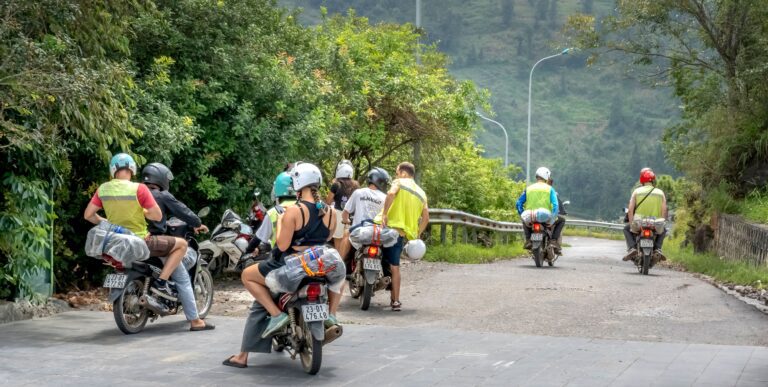
- By boda boda: motorcycle taxis are quick in traffic. If you want to explore the city this way with a guide and safety gear, see our boda boda tour in Kampala.
Planning to stay a night or two in the city? Our guide on where to stay in Kampala compares hotels by area and budget.
Best Time to Visit the Kasubi Tombs
You can visit at any time of year. The drier months, from December to February and from June to August, are the most comfortable for walking the grounds, but Kampala's rain usually comes in short afternoon showers, so a morning visit works well in any season.
Weekdays are quieter than weekends and public holidays, when local families and school groups visit. If you would like to see the site during a cultural event, ask us in advance, as access can be limited on ceremony days.
Other Buganda Heritage Sites to Combine With Kasubi
The Kasubi Tombs sit at the centre of Kampala's royal heritage, and most visitors combine them with other Buganda sites on the same day.
- Bulange Mengo: the seat of the Lukiiko, the Buganda parliament, at one end of the Royal Mile.
- The Kabaka's Palace (Lubiri): at the other end of the Royal Mile, with a dark chapter in its history during the Idi Amin era.
- The Kabaka's Lake: a large lake dug by hand on the orders of Kabaka Mwanga II.
- Namirembe Cathedral: on the hill next to Kasubi, with wide views over the city.
- The Uganda Museum: the oldest museum in East Africa, with displays on Uganda's kingdoms and cultures.
- Ndere Cultural Centre: evening music and dance performances from across Uganda.
For more ideas, read our full list of things to do in Kampala, or join our 1 Day Kampala City Tour, which starts at the Kasubi Tombs and ends with the Ndere evening show.
Visiting the Kasubi Tombs on a Uganda Safari
Most international travellers pass through Kampala or Entebbe at the start or end of a safari, and the Kasubi Tombs fit neatly into that time. Many of our guests visit on their first afternoon after landing, or on their last day before an evening flight from Entebbe, often adding Kampala shopping or a craft market on the way.
A visit also gives real context to the rest of your trip. Understanding Buganda's kingdom, clans and traditions makes later encounters, from village walks near Kibale to the Batwa communities near Bwindi, far richer. Learn more in our guides to Uganda culture and Uganda cultural safaris.
If you have only a short layover, our Uganda stopover safari guide shows how to fit the Kasubi Tombs and other highlights into a day or two. Travelling from abroad? Check the latest Uganda visa requirements before you fly.
Book a Kampala Tour or Safari That Includes the Kasubi Tombs
Ready to go? These trips start in Kampala or Entebbe, and any of them can include a guided stop at the Kasubi Tombs on your first or last day.
See Weekend Getaways From Kampala
Continue Planning Your Trip
Now that you know what to expect at the Kasubi Tombs, the next step is fitting a visit into your Kampala stay or safari. Our team is based in Kampala and can arrange everything from a half-day visit to a full Uganda safari.
Let us plan your Kampala heritage tour
Tell us your dates and where you are staying. We will arrange pick-up, a knowledgeable guide and entry to the Kasubi Tombs, and send you a free, tailor-made quote.
Get a Free QuoteChat on WhatsApp
Licensed by UTB and UWA • Member of AUTO • Rated 4.9 on TripAdvisor