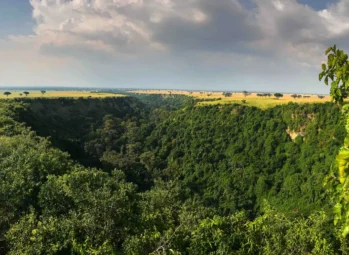
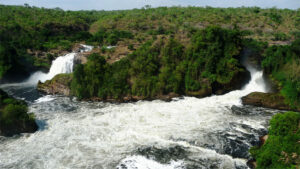
Birding in Murchison Falls National Park is one of the richest birdwatching experiences anywhere in Africa. The park sits in northwestern Uganda, where the Victoria Nile is squeezed through a narrow gorge before crashing over the dramatic Murchison Falls.
This mix of river, papyrus swamp, savanna, and woodland creates the kind of habitat diversity that birders dream about. Murchison Falls National Park covers roughly 3,840 square kilometers, and within that space over 450 bird species have been recorded.
Birding in Murchison Falls National Park rewards both serious ornithologists chasing rare ticks and casual travelers who simply enjoy colorful, fascinating wildlife. Few places in East Africa pack this much variety into a single landscape.
Why Murchison Falls National Park Is a Birder's Paradise
The Birding in Murchison Falls National Park along Victoria Nile that cuts straight through the park, creating a corridor of wetland and riverbank habitat that draws water-loving species in large numbers. Surrounding savanna and woodland add raptors, hornbills, and grassland specialists into the mix.
This habitat diversity is the main reason birding in Murchison Falls National Park consistently ranks among East Africa's top birding destinations, alongside Bwindi Impenetrable Forest and Queen Elizabeth National Park.
The birding here is rewarding throughout the year, though certain seasons bring even greater variety as migratory species arrive from Europe and Asia.
A Habitat Mosaic That Fuels Exceptional Birding
It is rare to find river, delta, papyrus swamp, savanna, and forest concentrated in one protected area. A single boat cruise or game drive can move through several distinct ecosystems, each with its own specialized bird community which is good for birding in Murchison falls national park.
The Star Attraction — The Shoebill Stork
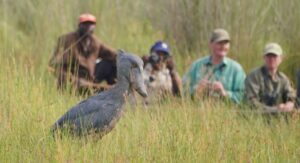
No conversation about birding in Murchison Falls National Park is complete without the shoebill stork, arguably Africa's most sought-after bird species. The delta area, where the Nile meets Lake Albert, is one of the most reliable places in Uganda to find one.
Standing over a meter tall with an unmistakable shoe-shaped bill, the shoebill is a quiet, patient hunter found among the papyrus margins of the delta. Spotting one is often the single highlight of a trip built around birding in Murchison Falls National Park.
Travelers chasing this species specifically may find it useful to read more in this guide to shoebill stork tours in Uganda, which pairs naturally with a wider birding itinerary in Murchison Falls.
Other Must-See Species
birding in Murchison falls national park, Beyond the shoebill, the Abyssinian ground hornbill is a striking large bird often seen stalking the savanna grasslands. The Northern carmine bee-eater is another highlight, nesting in colorful colonies along sandy riverbanks during the dry season.
Goliath herons, African fish eagles, and giant kingfishers are commonly spotted along the river, making boat cruises an especially productive way to go birding in Murchison Falls National Park.
Raptors are abundant too. Martial eagles, palm-nut vultures, and Egyptian vultures are frequently recorded across the park's open landscapes.
Migratory Birds and the Best Season for Sightings
Birding in Murchison Falls National Park becomes even richer between November and April, when Palearctic migrants arrive from Europe and Asia. European bee-eaters, common sandpipers, and several warbler species appear only during this window.
This makes the wetter months, despite muddier roads, an especially rewarding time for dedicated birders willing to trade convenience for variety.
Best Locations for Birding in Murchison Falls National Park
The Nile Delta, where the river fans into Lake Albert, is consistently rated the top spot, largely thanks to shoebill sightings and dense waterbird populations along its papyrus edges.
The area below Murchison Falls itself, reachable by boat, offers excellent birding too, with rock pratincoles often perched on boulders within the spray of the falls.
The Buligi game-viewing circuit on the Nile's northern bank combines savanna bird species with regular sightings of lions, giraffes, and elephants, giving visitors a genuine two-in-one wildlife and birding experience.
Boat Cruises as a Birding Platform
A boat cruise along the Victoria Nile is one of the most effective ways to approach birding in Murchison Falls National Park, since the river naturally concentrates wildlife and birdlife along its banks.
Cruising allows close, unobstructed views of species that are difficult to approach on foot, including herons, storks, and the elusive shoebill tucked into the delta's papyrus beds.
Recommended Guides and Birding Equipment
Productive birding in Murchison Falls National Park depends heavily on having a guide who knows the calls, habits, and seasonal movements of the park's key species. Local knowledge often makes the difference between a good day and an exceptional one.
A quality pair of binoculars, a field guide to East African birds, and a camera with a strong zoom lens go a long way toward making the most of a visit.
Combining Birding With Other Wildlife Experiences
Birding in Murchison Falls National Park is rewarding on its own, but the park also offers outstanding general game viewing, including lions, elephants, giraffes, and buffalo, along with healthy populations of Rothschild's giraffes found almost nowhere else in Uganda.
Most game drives naturally blend bird sightings with classic safari wildlife encounters, so birding rarely feels like a single-purpose activity here. Many travelers pair their time in Murchison Falls with gorilla trekking in Bwindi or chimpanzee tracking in Kibale Forest.
Getting There
Murchison Falls National Park is roughly a five to six hour drive from Kampala, or a short scenic flight for those short on time. Many birders stop over in Entebbe before heading north.
Conservation and Why Responsible Birding Matters
Murchison Falls National Park is managed by the Uganda Wildlife Authority, and responsible tourism plays a direct role in funding conservation work across the park.
According to the Uganda Wildlife Authority (UWA), Murchison Falls remains one of the country's most ecologically important protected areas, supporting globally significant bird populations alongside large mammal species.
Organizations such as NatureUganda, the country's leading bird conservation body, also run ongoing research and monitoring programs within the park, work that benefits every birder who visits.
Choosing a licensed, conservation-conscious guide for a trip here helps ensure tourism supports these efforts rather than undermining them.
Planning a Visit
A well-paced itinerary that balances dedicated birding time with general game drives and a Nile boat cruise tends to offer the fullest picture of what Murchison Falls National Park has to offer.
For travel inspiration and more park guides, the Tulambule Uganda Safaris blog is a useful place to start planning further.
What to Pack for a Birding Trip
Lightweight, neutral-colored clothing works best for long days in the field while doing birding in Murchison falls national park since bright colors can startle birds before a guide gets close enough for a good view. Long sleeves and trousers also help against sun and insects near the swamps.
A wide-brimmed hat and good sunscreen matter more than most first-time visitors expect, since much of the day is spent in open boats or vehicles with little shade. A reusable water bottle and a dry bag for electronics are worth packing too, especially during boat cruises near the delta.
Comfortable, closed walking shoes are useful for the short nature walks some lodges offer near the riverbank, where additional bird activity is often found away from the main vehicle tracks.
A Typical Day of Birding in Murchison Falls National Park
birding in Murchison falls national park, Mornings tend to start early, often before sunrise, since many species are most active in the first cool hours of the day. An early game drive through the Buligi circuit frequently combines raptor and hornbill sightings with general wildlife encounters.
Midday is often reserved for the Nile boat cruise toward the delta, timed to take advantage of calmer water and strong light for photography. This is usually when shoebill sightings are most likely, alongside herons, kingfishers, and African fish eagles perched along the banks.
Late afternoon brings another window of high bird activity, particularly around the swamp edges and riverine forest, before the light fades and the cooler evening air settles over the park.
Photography Tips for Birding in Murchison Falls National Park
A telephoto lens, ideally 300mm or longer, makes a significant difference when photographing skittish or distant species such as the shoebill. A monopod or simple beanbag can help stabilize shots taken from a moving boat or vehicle.
Early morning and late afternoon light tends to produce the richest colors, particularly for species like the carmine bee-eater with its vivid plumage. Patience matters more than equipment in most cases, since many of the best sightings come from waiting quietly rather than chasing movement.
Birding Etiquette and Conservation Awareness
Keeping a respectful distance from nesting sites, particularly around the carmine bee-eater colonies and the shoebills preferred swamp areas, helps avoid disturbing breeding behavior. Loud noises and sudden movements near the riverbank can also scatter wary species before a clear sighting is possible.
Following a guide's lead on positioning and timing tends to produce better sightings overall, since experienced guides know how to approach without causing stress to the birds. This same caution protects the long-term health of bird populations that depend on undisturbed habitat within the park.
Nearby Attractions worth Combining with Your Birding Trip
Murchison Falls itself, where the Nile is forced through its narrow seven-meter gorge, is worth a dedicated viewpoint stop, both for the dramatic scenery and the rock pratincoles often seen nearby.
Budongo Forest, located on the park's southern edge, offers chimpanzee tracking and additional forest bird species not commonly seen in the savanna sections of Murchison Falls. Travelers with extra time sometimes combine a stay here with their birding itinerary for a broader forest-and-savanna experience.
Frequently Asked Questions about Birding in Murchison Falls National Park
How many days are needed for good birding here? Most birders find that three to four days allows enough time to cover the delta, the falls area, and the Buligi circuit without rushing.
Is the shoebill guaranteed? No sighting in the wild can be guaranteed, though the delta area offers some of the highest success rates anywhere in Africa for this species, particularly with an experienced local guide.
What is the best time of day for the boat cruise? Late morning to early afternoon tends to offer the calmest water and best light, though some lodges also offer early morning cruises for those prioritizing photography.
Where to Stay Near Murchison Falls National Park
Accommodation options range from simple riverside campsites to comfortable mid-range lodges and a handful of higher-end properties overlooking the Nile. Many of the better-positioned lodges sit close enough to the river that bird activity can be observed directly from the dining area or private veranda.
Choosing a lodge near the delta side of the park can shave valuable time off the boat transfer for the morning shoebill cruise, which matters for travelers working with a tighter schedule. Lodges closer to the Buligi circuit, on the other hand, offer quicker access to early morning game drives.
Weather and Road Conditions to Expect
The dry season, from roughly June to October and again from December to February, brings firmer roads and easier access to most parts of the park, including the delta tracks. Dust can be noticeable on game drives during these months, so a light scarf or buff is a practical addition to any packing list.
The wetter months bring softer, sometimes slippery roads, particularly around the Buligi circuit, though the surrounding landscape turns a deep green and migratory birds add extra variety to every outing. A 4x4 vehicle is recommended year-round, but becomes especially important during the rains.
A Note on Patience and Timing
Birding birding in Murchison falls national rewards patience more than almost any other style of wildlife viewing. A guide who is willing to wait quietly near a promising swamp edge for twenty or thirty minutes often produces better results than constant movement from one spot to another.
Building some flexibility into a daily schedule, rather than rushing between fixed stops, tends to lead to richer sightings and a calmer overall experience. Many of the most memorable encounters, including close shoebill sightings, come down to simply being in the right place and waiting without rushing the moment.
Birding Alongside Big Game
One detail that surprises many first-time visitors is how often sightings bird happen alongside encounters with larger wildlife. A pause to photograph a martial eagle perched on an acacia branch might also reveal a herd of elephants moving through the background, or a pride of lions resting nearby.
This overlap is part of what makes the Buligi circuit such a productive stretch of the park. Grassland species share the same open terrain as giraffes, buffalo, and the occasional leopard, so a slow, observant drive tends to deliver wildlife variety well beyond birds alone.
Seasonal Highlights worth Planning Around
birding in Murchison falls national park ,Visitors arriving between December and February often catch the tail end of the migratory season alongside drier, more accessible roads, making this a popular window for combining comfort with variety. March through May brings lush scenery and active breeding behavior among resident species, though daily rain showers are common.
June through October offers the most predictable conditions for both road access and general wildlife viewing, while November marks the early arrival of the first Palearctic migrants, a quieter and less crowded time to be on the water.
Final Thoughts on Planning Your Visit
Murchison Falls National Park rewards visitors who give themselves enough time to slow down and let the landscape reveal itself. The combination of river, swamp, savanna, and forest means that no two days of birding tend to look quite the same, even when covering familiar ground.
Whether the goal is a single confirmed sighting of the shoebill or a fuller list spanning hundreds of species, the park consistently delivers for travelers willing to be patient and observant. A thoughtfully paced itinerary, a knowledgeable guide, and a bit of flexibility around timing usually make the biggest difference between a good trip and an exceptional one.
Related Packages
https://tulambule.com/21-days-uganda-safari-three-weeks-in-uganda/

https://tulambule.com/3-day-murchison-falls-wildlife-safari/

https://tulambule.com/9-day-ultimate-uganda-safari/

https://tulambule.com/14-day-budget-friendly-uganda-safari/