Uganda village home stays offer travellers a rare chance to live alongside local communities, share meals and experience culture from the inside out. Discover the most immersive community tourism experiences across Uganda from Bwindi to the Nile.
Uganda Village Home stays: Discover Authentic Community Tourism
Forget five-star hotels and tourist-trail safaris. The most unforgettable travel experiences in Uganda happen not inside a lodge, but inside a home — around a fireside, beneath a mango tree, or walking barefoot through red-earth paths with a family who has called this land home for generations.
Uganda village home stays are redefining what it means to travel meaningfully, drawing visitors from across the world who want more than photographs — they want genuine connection with the land and its people.
Community tourism in Uganda is one of Africa's best-kept secrets. With its remarkable biodiversity, vibrant ethnic cultures, and famously warm-hearted people, Uganda offers travellers an experience that is as authentic as it is transformative.
Whether you spend a night with a Bakiga farming family in the highlands of Kigezi, fish with Basoga fishermen along the Nile or learn ancient Batwa forest traditions near Bwindi, every Uganda village home stay becomes a story you carry home for life.
This guide explores what Uganda village home stays look like in practice, why they represent the future of responsible travel, what to expect as a guest and how to choose the right destination for the cultural immersion experience that speaks to you.
What Are Uganda Village Home stays?
Uganda village home stays are community-based tourism experiences where travellers stay directly with local families in rural villages, often for one to several nights. Unlike conventional hotel accommodation, home stays place you at the very heart of everyday life.
You sleep in the family home or a nearby guest room within the compound, eat locally grown food prepared by your hosts over a wood fire and participate in the daily activities that shape village existence farming, cooking, weaving, fishing, herding livestock or attending a community gathering.
These experiences are carefully organised through community tourism cooperatives and local guides, ensuring that benefits flow directly to host families and the wider village.
A significant portion of what travellers pay goes back into the community funding children's school fees, maintaining clean water infrastructure, supporting local health centres and sometimes contributing to wildlife conservation funds that protect the surrounding natural environment.
Uganda village home stays are therefore not simply a form of budget accommodation. They represent a deliberate, values-driven approach to travel that places human connection, cultural respect and community empowerment at the centre of the tourism experience.
Across Uganda, you will find well-established home stay programmes in regions as diverse as the misty Kigezi highlands near Bwindi Impenetrable Forest, the crater lake communities of Lake Bunyonyi, fishing villages along Lake Victoria and the agricultural heartlands flanking Mount Elgon and the Rwenzori Mountains.
Why Choose Community Tourism in Uganda?
Uganda village home stays deliver something that no hotel, game lodge, or resort can replicate genuine, unscripted human connection.
When you sit with a grandmother as she pounds millet at dawn, or join children as they herd goats across red-earth hillsides at dusk, or share a steaming pot of groundnut stew with a family that has opened their home and their hearts to you, you experience Uganda not as a distant spectator but as a welcomed participant.
That shift in perspective changes everything about how you understand Africa.
The Cultural Richness of Uganda's Villages
Uganda is home to over 56 distinct ethnic groups, each with its own language, oral traditions, music, ceremonial dress and spiritual practices.
Uganda village home stays give travellers access to this extraordinary cultural mosaic in a way that museums, cultural centres, and guided city tours simply cannot replicate.
In a Buganda village near Kampala, you might learn about the significance of the royal clan system and watch the elegant movements of traditional Bakisimba dance. 
In a Batwa community on the edge of Bwindi Impenetrable Forest, you can sit with elders and hear living stories of ancient forest life from the indigenous people who called that forest home for thousands of years.
In the north, Acholi communities share their rich traditions of communal storytelling, ancestral ceremony, and healing dance.
Each Uganda village home stay is a window into a living, breathing culture not a performance staged for tourist cameras, but the real, textured, everyday fabric of Ugandan life.
Visitors consistently report that these encounters leave the most lasting impressions of any part of their Uganda journey.
Environmental Benefits of Uganda Village Home stays
Community tourism in Uganda is deeply intertwined with wildlife conservation.
Many home stay programmes operate in or immediately adjacent to Uganda's protected areas national parks, tropical forest reserves, and Ramsar-listed wetlands and they give local communities a direct financial stake in preserving those environments.
When a family earns meaningful income from hosting travellers who come to see mountain gorillas, chimpanzees, rare birds, or forest elephants, that family has a compelling and personal reason to protect the surrounding ecosystem rather than clear it for farmland or charcoal production.
Uganda village home stays therefore play a measurable role in protecting the country's extraordinary biodiversity.
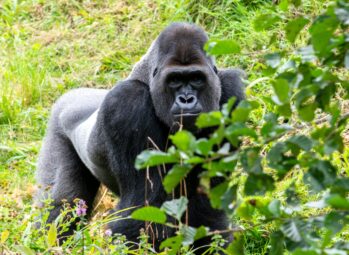
From the mountain gorillas of Bwindi and Mgahinga to the shoe bill storks of Mabamba Swamp and the tree-climbing lions of Ishasha, community-based tourism creates the economic conditions that keep Uganda's wildlife alive, wild, and thriving in shared human-wildlife landscapes.
Economic Empowerment Through Cultural Immersion
One of the most compelling arguments for choosing Uganda village home stays over conventional tourism is the direct economic impact on the communities you visit.
Mainstream tourism tends to concentrate income in the hands of large international hotel chains and foreign-owned tour operators, with relatively little reaching rural families.
Community-based home stays, by contrast, distribute income locally and transparently directly to host families, community guides, local craft makers, food growers, and village-level cooperatives.
For many rural households in Uganda, income from hosting travellers provides a critical supplement that covers school fees for children, medical costs for elderly family members, and the ability to invest in small-scale farming improvements.
When you choose a Uganda village home stay, your travel spending becomes a targeted development investment in the community you visit, and the impact is immediate and visible.
What to Expect During a Uganda Village Home stay
First-time visitors to Uganda village home stays are often pleasantly surprised by how comfortable, organised and genuinely welcoming the experience turns out to be.
Host families and community tourism coordinators take great pride in preparing clean, comfortable accommodation typically a private room within the family compound, furnished simply but thoughtfully and they go to considerable lengths to ensure that guests feel safe, respected and at home from the moment they arrive.
A Typical Day in a Uganda Village Home stay
No two days in a Uganda village home stay are identical, because each community and each family brings its own rhythms, traditions, and personality. That said, most home stay days follow the natural cadence of rural life. Here is a sense of what to expect:
- Morning: Wake to the layered sounds of the village — birdsong, the laughter of children heading to school, the crackle and wood smoke of a cooking fire. Join your host family for a simple, nourishing breakfast of fresh mandazi (fried dough), sweet roasted groundnuts, ripe bananas, or thick porridge made from locally ground millet or sorghum.
- Mid-morning: Accompany your host to the garden, farm, or market. Learn to plant cassava cuttings, harvest bunches of matooke (green cooking bananas), feed the goats and chickens, or carry water from the community spring. This hands-on participation is the true heart of cultural immersion Uganda-style, and it is far more revealing than any guided tour.
- Afternoon: Settle into village craft traditions with community members — try your hand at intricate basket weaving, bark cloth making, traditional pottery on a hand-turned wheel, or the preparation of a full Ugandan feast from garden to table. Spend time with village elders, who are invariably the most extraordinary storytellers you will ever meet.
- Evening: As the African sky deepens from orange to violet, gather around the communal fire for a shared dinner of traditional Ugandan food. Matoke, groundnut stew, posho, roasted sweet potatoes and fresh passion fruit juice are typical offerings. After eating, listen to traditional music, join in a village song, or simply sit in easy conversation under a canopy of stars brighter than most visitors have ever seen.


Languages, Customs, and Community Protocols
Uganda village home stays come with a few simple cultural guidelines that make the experience richer and more respectful for everyone involved.
Greet elders by name and with a slight bow or handshake, dress modestly when moving through the village (covering shoulders and knees is appreciated), always ask before pointing a camera at anyone, and approach every interaction with genuine curiosity rather than a checklist mentality.
Your hosts, in turn, will surround you with the famous Ugandan warmth the spirit captured in the Luganda word "Tulambule", meaning let us journey together.
Learning even a handful of words in the local language transforms the experience. "Webale nyo" (thank you very much in Luganda), "Murakoze" (thank you in Kinyarwanda), or "Apwoyo" (thank you in Acholi) will earn you wide, genuine smiles and open the door to conversations that no amount of money can buy
Top Destinations for Uganda Village Home stays
Uganda's geographic and cultural diversity means that Uganda village home stays are available across many different landscapes and communities, each offering its own distinct character and appeal.
Bwindi and the Kigezi Highlands
The terraced hillside communities surrounding Bwindi Impenetrable Forest are among the most sought-after destinations for Uganda village home stays. 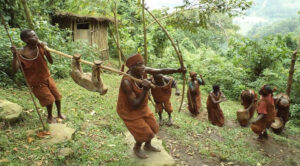
Stay with Bakiga farming families in the dramatic highlands, learn about daily coexistence with mountain gorillas in the forest below, and explore a landscape so spectacularly beautiful it is known locally as "the Switzerland of Africa."
This region pairs naturally with gorilla trekking permits for a complete and deeply meaningful Uganda experience.
Lake Bunyonyi
Perched at over 1,900 metres above sea level on one of Africa's most scenic crater lakes, the island and shoreline villages around Lake Bunyonyi offer supremely peaceful Uganda village home stays.
Glide between communities by dugout canoe, learn traditional fishing techniques at dawn, and immerse yourself in Bakiga cultural practices that have remained largely unchanged for centuries.
The pace here is slow, the air cool and fresh, and the community welcome completely genuine.
Jinja and the Source of the Nile
The riverside communities near Jinja, where the Nile begins its long journey north, blend Uganda village home stay culture seamlessly with adventure tourism.
After a morning of white-water kayaking or rafting on the Nile, spend your evenings with a local Busoga family, learning about the spiritual significance of the great river, traditional fishing methods using hand-woven traps, and the vibrant music traditions of eastern Uganda.
Kibale Forest and Fort Portal
Western Uganda's Kibale region, home to the world's highest density of primates, surrounds home stay communities with tea estates, volcanic crater lakes, and villages rich in Toro cultural heritage. 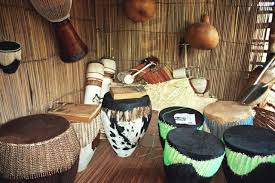
Uganda village home stays in this region offer a compelling combination of chimpanzee tracking in the forest, visits to traditional healers, crater lake swimming, and evenings filled with the sound of royal Toro drums.
How to Prepare for Your Uganda Village Home stay
Arriving well-prepared ensures that your Uganda village home stay experience is as enriching and respectful as possible — for both you and your host community. Here are the most important things to keep in mind:
- Pack light and practically: bring modest, comfortable clothing, sturdy walking shoes or boots, a good torch, insect repellent, and a small, thoughtful gift for your host family — school exercise books, vegetable seeds, or fresh fruit are always warmly received.
- Arrive with an open mind: the most memorable Uganda village home stay moments arise from saying yes to unfamiliar foods, joining in activities you have never tried, and asking questions with genuine rather than performative curiosity.
- Be fully present: leave the screen in your bag for much of your stay. Cultural immersion in Uganda rewards presence over documentation, and the conversations you have when your phone is put away will stay with you far longer than any photograph.
- Do your research: reading about Uganda's history, its ethnic communities, its conservation landscape, and its political context before you arrive will make every interaction deeper and more meaningful.
- Choose responsibly: look for Uganda village home stay programmes that are community-owned or community-managed, that pay guides and hosts fairly, and that operate with genuine environmental and cultural sensitivity.
Community Tourism Uganda — A Movement, Not Just a Trip
Uganda village home stays are part of a growing global shift toward slow, intentional, and responsible travel.
As mass tourism increasingly flattens destinations into interchangeable experiences and concentrates economic benefit in corporate hands, community tourism in Uganda offers a powerful and hopeful alternative one in which the traveller's presence creates real, lasting value for the people, cultures, and ecosystems visited.
Uganda is exceptionally well positioned to lead this movement. Its people are among the most generous and hospitable on the African continent.
Its natural landscapes are breath-taking in their variety and wildness. Its cultures are living, dynamic, and proud. And its rural communities are increasingly organised, skilled, and motivated to welcome international visitors in ways that protect cultural integrity, celebrate indigenous knowledge and build sustainable local prosperity that does not depend on outside charity.
When you choose a Uganda village home stay, you are making a decision that ripples outward in all the right directions.
You are investing directly in a family's future, helping to fund a child's education, supporting the protection of a forest that shelters the last mountain gorillas on Earth, and contributing to a vision of tourism that is genuinely good for people, for wildlife, and for the planet we share.
Uganda does not need more tourists passing through. It needs more travellers willing to stop, sit down, share a meal and truly arrive.
Ready to Experience Uganda Like Never Before?
Book your Uganda village home stay adventure today with Tulambule Uganda Safaris your trusted guide to authentic community tourism, cultural immersion, and unforgettable local experiences across the Pearl of Africa.
Contact us today and book now!
12 Days Uganda Safari, Big Five, Chimps, Gorillas and Culture
9-Day Ultimate Uganda Safari: Unforgettable Gorillas, Wildlife & Cultural Encounters 2026
5 Days Uganda Safari Gorillas, Chimps, Wildlife & Culture