Uganda tourism has grown from a single colonial-era endorsement into one of East Africa's most diverse travel industries, covering everything from mountain gorilla trekking to white water rafting on the Nile.
This guide walks through what actually makes Uganda worth visiting today, organized by the type of experience rather than a chronological history lesson.
If you want the full backstory of how Uganda tourism developed, including Winston Churchill's 1907 visit and the industry's recovery through the decades, our brief history of Uganda's tourism covers that in depth.
This guide focuses on what the industry looks like now and how to plan a trip around it, section by section, so you can jump straight to whichever part of Uganda tourism interests you most.
Why Uganda Tourism Is Thriving Right Now
Uganda tourism today is shaped by a rare combination of geography. A relatively small country holds savannah plains, dense rainforest, volcanic highlands, and one of the world's great rivers within a few hours' drive of each other, which is not something most safari destinations can claim.
That compactness means a single trip can realistically combine gorilla trekking, a Big Five game drive, and a cultural village visit without the long internal flights that other African countries require. Our Uganda safari overview breaks down how these regions connect for trip planning purposes.
Government and private investment over the past two decades has also improved roads, lodge standards, and park infrastructure considerably, which is part of why Uganda tourism now competes seriously with better-known destinations like Kenya and Tanzania.
Wildlife Safaris Across Uganda's National Parks
Uganda's ten national parks each offer a distinct kind of safari experience, and most Uganda tourism itineraries are built around two or three of them.
Murchison Falls National Park is the country's largest and most visited, known for the Nile squeezing through a narrow gorge before plunging into a roaring waterfall.
Boat cruises to the base of the falls and game drives across the northern savannah are the standard combination here, and our 3-day Murchison Falls safari covers exactly this format.
Queen Elizabeth National Park offers a different landscape entirely, with tree-climbing lions in the Ishasha sector and a Kazinga Channel boat cruise that regularly produces some of the densest hippo sightings in Africa.
Travelers staying near the park have a wide range of options, from our top Queen Elizabeth lodges guide.
Kidepo Valley National Park, in Uganda's remote northeast, rewards travelers willing to make the longer journey with cheetahs, ostriches, and a sense of isolation that the more visited parks no longer offer.
The park sits far enough from Kampala that most visitors fly in rather than drive, but the payoff is game density that rivals far more famous parks without another vehicle in sight.
Semuliki National Park and Lake Mburo round out the wider park system, offering forest wildlife and a more relaxed, walkable savannah experience respectively.
Neither draws the crowds of Murchison or Queen Elizabeth, which makes them worth considering for travelers who have already done a classic Uganda safari and want something quieter on a return trip.
Gorilla and Primate Trekking
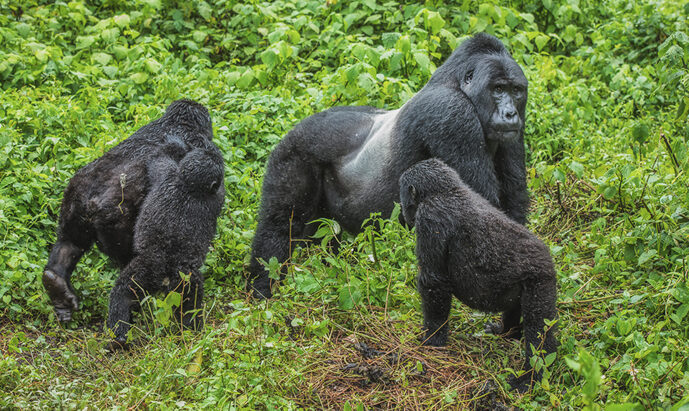
No discussion of Uganda tourism is complete without mountain gorillas. Bwindi Impenetrable National Park and Mgahinga Gorilla National Park together hold close to half the world's remaining mountain gorilla population, and trekking to see them remains the single most requested activity among travelers to the country.
Because we have written extensively about permits, sectors, and trekking logistics elsewhere, our Uganda gorilla safaris guide is the better starting point if gorilla trekking is your main reason for visiting.
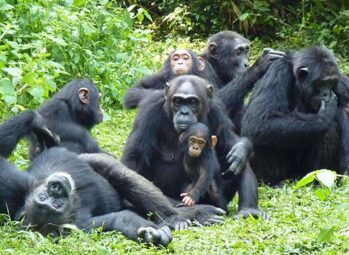
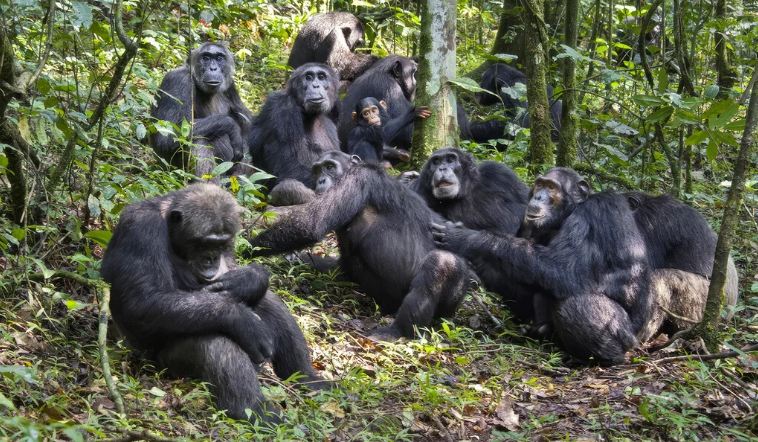
Beyond gorillas, Kibale National Park is one of the best places in Africa for chimpanzee tracking, and our chimpanzee trekking in Uganda guide covers what that experience actually involves, including habituation walks and realistic sighting odds.
Cultural Tourism and Community Experiences
Uganda is home to more than fifty tribes, and cultural tourism has become a genuine pillar of the wider Uganda tourism industry rather than an afterthought tacked onto wildlife itineraries.
Community-based tourism initiatives let travelers spend time in Batwa villages, learn traditional cooking methods, or join drumming and dance performances that fund local development directly. Our community-based tourism in Uganda guide explains how these visits are structured and why they matter beyond the photo opportunity.
Karamojong cultural tours in the north offer a very different experience again, focused on pastoralist traditions that have changed relatively little over generations.
Adventure Tourism Beyond Wildlife
Jinja, at the source of the Nile, has become East Africa's adventure sports hub, with white water rafting rapids that attract paddlers from across the world. Bungee jumping, quad biking, and kayaking round out the options for travelers who want an adrenaline break between safari days.
Hikers gravitate toward the Rwenzori Mountains, whose snow-capped peaks are a genuine surprise to travelers who associate equatorial Africa purely with savannah heat. Multi-day treks here reach some of the highest points in Africa without the crowds found on Kilimanjaro.
Hot air balloon safaris over Murchison Falls or Queen Elizabeth National Park have also grown in popularity, giving an aerial perspective on landscapes that feel entirely different from the ground.
Eco-Tourism and Sustainable Travel
Sustainability has become central to how Uganda tourism markets itself internationally, and with good reason. Gorilla permit revenue directly funds conservation and community projects around Bwindi and Mgahinga, and similar revenue-sharing models apply across most of the national park system.
Our eco-tourism in Uganda guide goes deeper into specific eco-lodges, birdwatching opportunities, and low-impact activities for travelers who want their trip to actively support conservation rather than just avoid harming it.
Hidden Gems Most Visitors Miss
Beyond the headline parks, Uganda tourism has a long list of lesser-known stops worth building into a longer itinerary. Mabira Forest's canopy zipline, the equator crossing at Kayabwe, and the Uganda Martyrs Walk in Kampala all offer something different from a standard safari day.
Our 17 lesser-known Uganda tourist destinations guide and our broader top tourist attractions in Uganda roundup both cover these in more detail than fits here.
Uganda Tourism by Traveler Type
The right mix of activities depends heavily on who is traveling, and Uganda tourism accommodates a wider range of traveler profiles than its wildlife-first reputation suggests.
First-time safari travelers typically do best with a seven to ten day itinerary anchored around gorilla trekking and one savannah park, since it introduces both primate and classic safari experiences without overwhelming the schedule.
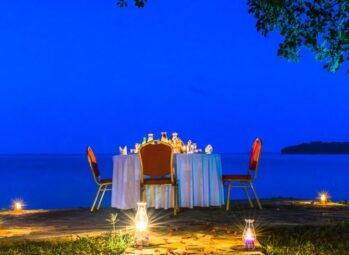
Honeymooners often gravitate toward Queen Elizabeth National Park for its boat cruises and scenic lodges, sometimes pairing it with a short Rwenzori foothills stay for a quieter, more romantic pace than a gorilla trek alone provides.
Families with teenagers tend to enjoy the adventure-heavy combination of Jinja white water rafting and a Murchison Falls safari, since both offer enough activity variety to hold the attention of younger travelers.
Birders and photographers frequently extend their trip specifically for Semuliki, Mabamba Swamp's shoebill storks, and Bwindi's forest bird species, building an itinerary around sightings rather than around the standard safari circuit.
Best Time to Visit for Uganda Tourism
Uganda's two dry seasons, June to September and December to February, offer the most comfortable trekking and game viewing conditions across most parks. Trails are firmer, and wildlife tends to gather more predictably around water sources during these months.
The rainy seasons bring lush scenery and noticeably fewer tourists, which suits birdwatchers chasing migratory species and travelers who prioritize a quieter experience over guaranteed dry trails. Uganda's parks stay open year round, so timing is really a matter of preference rather than necessity.
Is Uganda Safe for Tourism?
Uganda is widely regarded as one of the more politically stable and welcoming countries in the region for travelers, with most visits passing without incident. Standard urban safety precautions apply in Kampala and other cities, as they would in most capital cities worldwide.
Travelers with health-related questions, including recent updates on regional disease outbreaks, can check our Uganda Ebola-free safety update for the latest official guidance. The Uganda Tourism Board also publishes current travel advisories worth reviewing before departure.
The Economic and Conservation Impact of Uganda Tourism
Tourism ranks among Uganda's largest sources of foreign exchange, and the industry's growth has direct conservation consequences that are easy to overlook while planning a trip. Gorilla permit fees, park entry charges, and lodge concession fees all feed back into anti-poaching patrols, habitat protection, and ranger salaries.
Community revenue-sharing arrangements mean that villages bordering national parks receive a portion of tourism income directly, funding schools, clinics, and small infrastructure projects. This is part of why responsible operators emphasize permit compliance and licensed guiding so strongly, since the entire funding model depends on it.
For travelers weighing the cost of a Uganda safari against cheaper unregulated alternatives, understanding this funding chain often reframes the decision. Higher permit and park fees are not simply pricing power, they are the mechanism keeping the wildlife and communities behind Uganda tourism intact.
Licensed tour operators play a specific role in this chain too, since they are the ones responsible for booking permits correctly, paying park fees transparently, and directing clients toward accommodation that meets basic environmental and labor standards.
Choosing an operator accredited by the Uganda Tourism Board or Uganda Wildlife Authority is one of the simplest ways travelers can make sure their spending actually supports the system it depends on.
How to Plan Your Uganda Tourism Trip
Most successful Uganda itineraries build outward from one or two anchor activities, usually gorilla trekking or a Murchison Falls safari, and add cultural or adventure stops around them rather than trying to cover the entire country in one visit.
A one week trip comfortably covers gorilla trekking plus one additional park. Two weeks allows a genuine mix of primates, savannah wildlife, culture, and at least one adventure activity like Nile rafting, without the pace feeling rushed.
We build every itinerary around the traveler's actual interests and time frame rather than a fixed template, which usually starts with a short conversation about what matters most to you before we put together a full quotation.
Frequently Asked Questions About Uganda Tourism
What is Uganda most famous for in tourism? Mountain gorilla trekking in Bwindi Impenetrable National Park is Uganda's single most recognized tourism draw, though Big Five safaris and Nile-based adventure activities are close behind.
How many days do I need for a Uganda tourism trip? Seven days covers gorilla trekking plus one major park comfortably, while ten to fourteen days allows a fuller mix of wildlife, culture, and adventure activities.
Is Uganda tourism affordable compared to Kenya or Tanzania? Gorilla permits aside, general safari costs in Uganda tend to run lower than in Kenya or Tanzania, since park fees and lodge rates are generally more moderate.
Can I combine Uganda tourism with Rwanda or Kenya? Yes, many travelers combine Uganda with Rwanda for gorilla trekking in both countries, or with Kenya for a broader East Africa itinerary, since border crossings and regional flights are straightforward.
What is the best month to visit Uganda? June through September is generally considered the best window, combining dry trekking conditions with strong wildlife visibility across most parks.
Do I need a visa for Uganda tourism? Most nationalities require a visa, which can be arranged in advance through the official Uganda e-visa portal or through the East Africa Tourist Visa if you plan to also visit Rwanda or Kenya on the same trip. Apply only through this official government site, since several unofficial lookalike sites charge inflated fees.
No two itineraries built around Uganda tourism look identical, since the right combination of parks, culture, and adventure activities depends entirely on how much time you have and what you actually want to experience. The overview above is meant as a starting framework rather than a fixed route.
Continue Planning Your Trip
Ready to turn this overview into an actual itinerary? Our team can help you decide which parks, activities, and regions of Uganda tourism fit your time frame and interests best.
10 Uganda Safari Forests and Bushes Worth Exploring
Uganda Lion Tracking Safari Tours: The Complete 2026/2027 Guide