Big 5 vs mountain gorillas is one of Africa's greatest wildlife debates. On one side stand the lion, leopard, elephant, buffalo and rhino, the five icons of the savannah that have defined safari travel for over a century. On the other stands a single species so rare and so intelligent that travellers often call meeting it the greatest moment of their lives.
So which experience wins, and can you enjoy both on one trip? In this guide, Tulambule Uganda Safaris compares the Big 5 and mountain gorillas in 7 ways: ecosystem, strength, intelligence, rarity, survival story, the safari experience and conservation impact. By the end, you will know which suits you best, and why Uganda is one of the easiest places in Africa to do both.
Big 5 vs Mountain Gorillas at a Glance
| Big 5 | Mountain gorillas | |
|---|---|---|
| Animals | Lion, leopard, elephant, buffalo, rhino | One species, about 1,063 left |
| Habitat | Open savannah | Mountain rainforest |
| Countries | Many across East and Southern Africa | Only Uganda, Rwanda and DR Congo |
| How you see them | Game drives in a vehicle | On foot, with rangers |
| Time with animals | All day, many sightings | One hour with one family |
| Fitness needed | Low | Moderate |
| Cost in Uganda | Park entry and game drives | US$800 gorilla permit |
What Are the Big 5?
The term Big 5 was coined by big-game hunters in the late 19th century for the five animals considered most dangerous to hunt on foot: the lion, elephant, leopard, Cape buffalo and rhinoceros. Today, the hunters' checklist has become the world's favourite wildlife bucket list, and a camera has replaced the rifle.
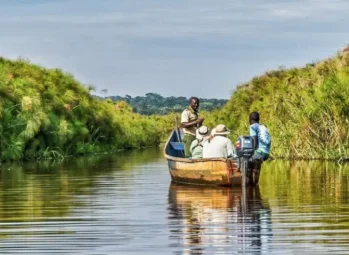
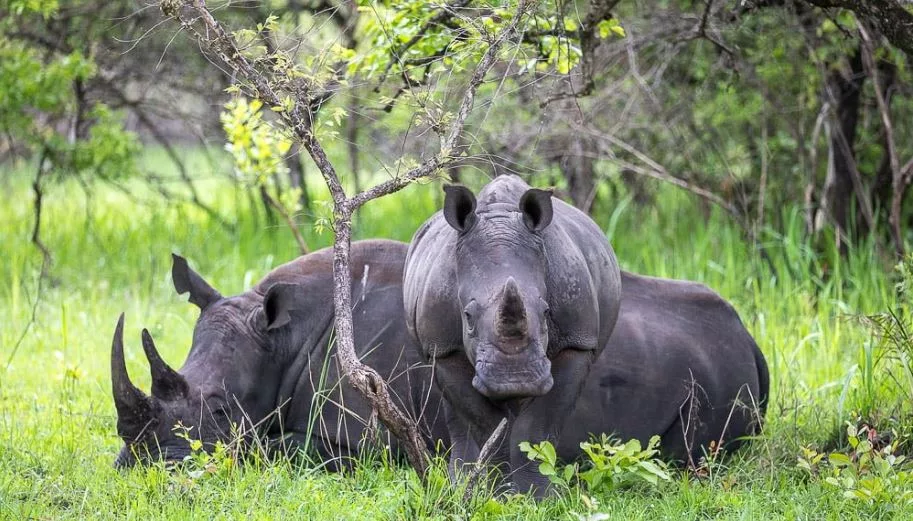
In Uganda, you can see all of the Big 5. Murchison Falls and Queen Elizabeth National Parks have lions, elephants, leopards and buffalo, while Ziwa Rhino Sanctuary protects Uganda's growing white rhino population, which you track on foot.
What Are Mountain Gorillas?
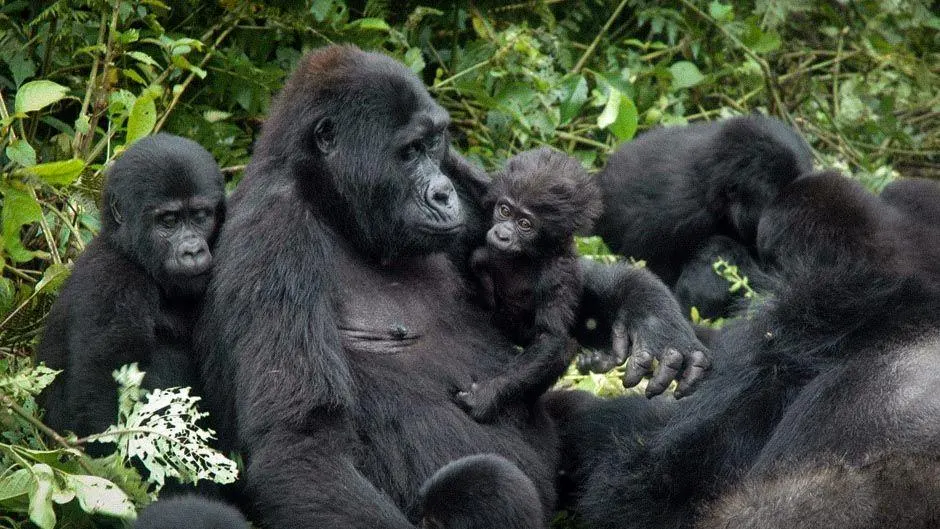
Mountain gorillas (Gorilla beringei beringei) are a subspecies of the eastern gorilla and one of the rarest large mammals on earth. The most recent counts found about 1,063 in the wild, living only in the mountain forests of Uganda, Rwanda and the Democratic Republic of Congo.
In Uganda, you can trek them in Bwindi Impenetrable National Park, a UNESCO World Heritage Site with around 20 habituated gorilla families, and in Mgahinga Gorilla National Park on the Virunga volcanoes. A Uganda gorilla permit costs US$800, about half the price of Rwanda's US$1,500 permit. Read our gorilla trekking Uganda guide.

Big 5 vs Mountain Gorillas: 7 Ways to Compare
1. Ecosystem: Savannah vs Rainforest
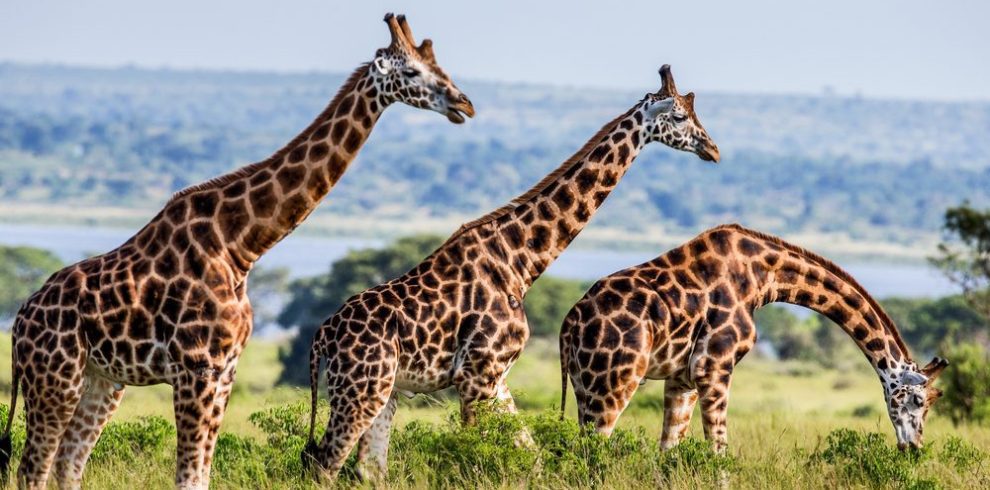
The first difference in the Big 5 vs mountain gorillas debate is habitat. The Big 5 live on the African savannah: open grassland and woodland with scattered acacia trees, wide skies and seasonal rivers. You explore it in an open vehicle, covering long distances and scanning the horizon. In Uganda, Murchison Falls, the country's largest park at about 3,893 square kilometres, is the classic savannah, cut by the River Nile, while Queen Elizabeth adds crater lakes, the Kazinga Channel and the tree-climbing lions of Ishasha.
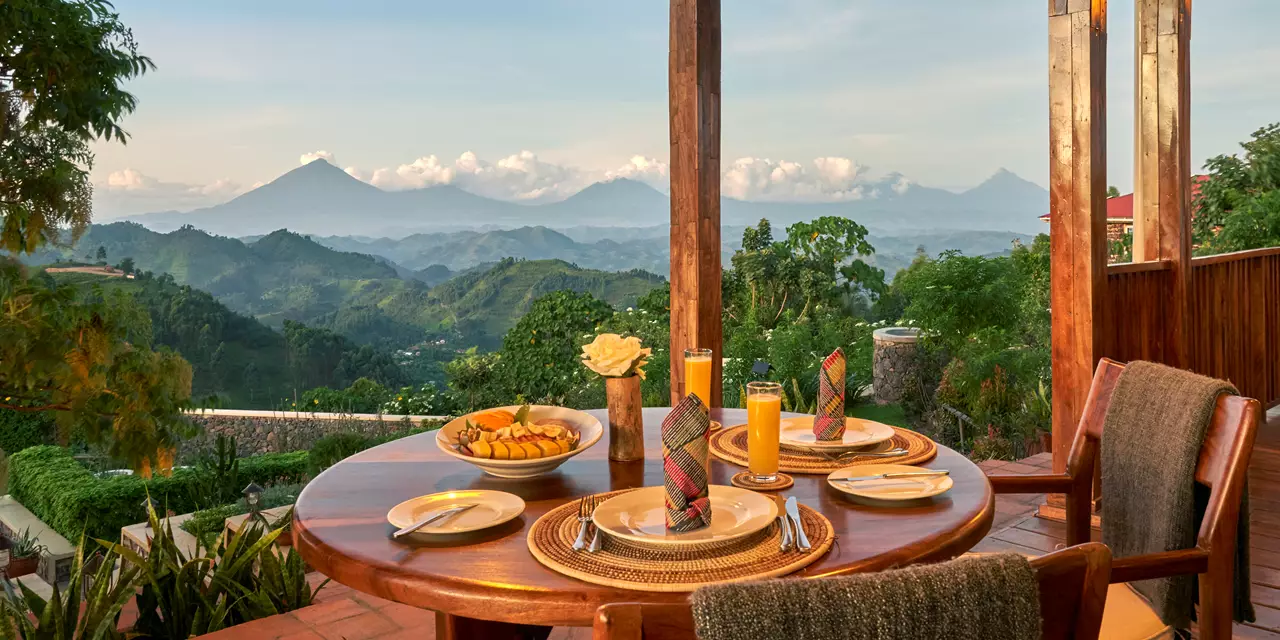
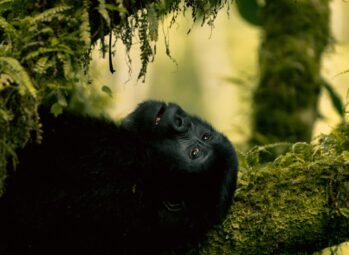
Mountain gorillas live in the Albertine Rift, one of Africa's richest forest regions. Bwindi lies between about 1,160 and 2,607 metres above sea level and is home to over 120 mammal species, around 350 bird species and hundreds of butterflies. Its forest is ancient, having survived the last Ice Age. Here you are on foot, moving slowly through thick vegetation with all your senses alert.
Big 5 vs mountain gorillas verdict: a tie. The savannah is about scale; the rainforest is about intimacy.
2. Strength and Power
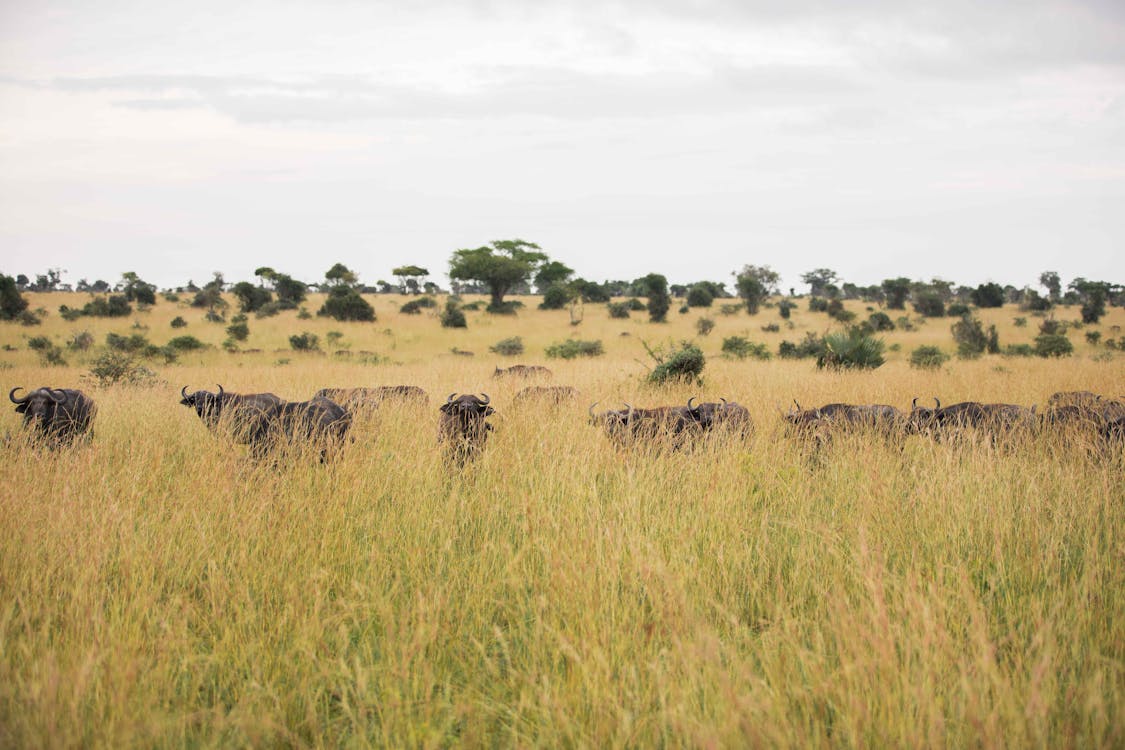
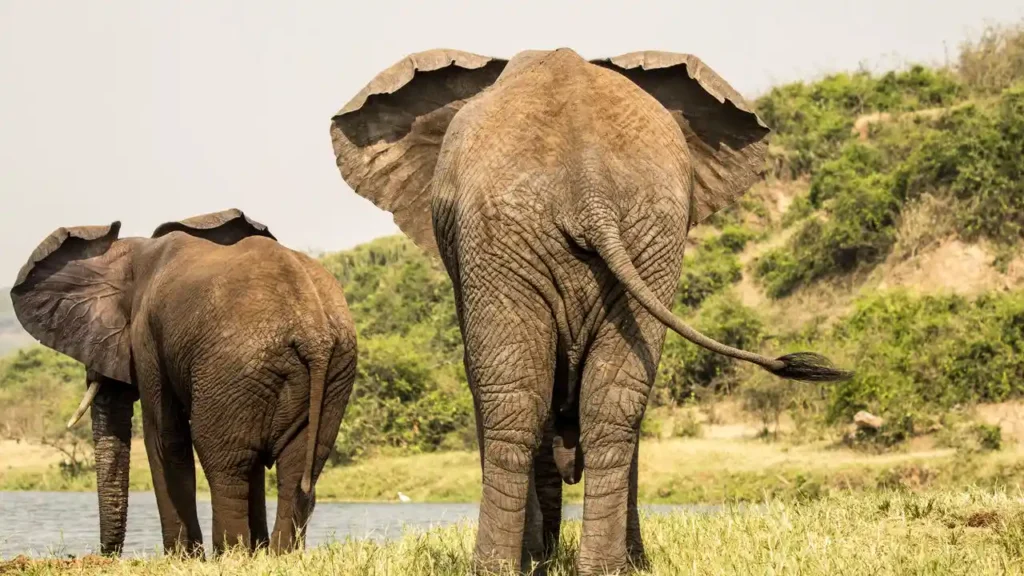
The Big 5 are formidable. A male lion can weigh over 200 kg, an African elephant up to 6,000 kg, and the Cape buffalo is famously dangerous. The leopard can haul prey heavier than itself up a tree, and a rhino weighing more than a tonne can charge at around 50 km/h.
A silverback mountain gorilla can weigh around 200 kg and is many times stronger than a human, yet with respectful visitors, gorillas are calm and gentle.
Big 5 vs mountain gorillas verdict: the Big 5 win on combined power, but the silverback's quiet strength is unforgettable up close.
3. Intelligence
Elephants are famous for their memories and family bonds, and lions hunt as a team. But mountain gorillas share about 98% of their DNA with humans. They live in close family groups, communicate with many different calls and show emotions you recognise instantly. When a silverback meets your eye, it feels like meeting a distant relative.
Big 5 vs mountain gorillas verdict: mountain gorillas win clearly.
4. Rarity
You can see the Big 5 in many countries, including Kenya, Tanzania, South Africa, Botswana and Uganda. Mountain gorillas live in only three countries, and there are no mountain gorillas in any zoo in the world. The only way to see them is to trek into their forest.
Big 5 vs mountain gorillas verdict: mountain gorillas win convincingly.
5. Survival Story

Several Big 5 species face serious threats. Black rhinos are critically endangered, with only around 6,000 left, and African lion numbers have fallen sharply in recent decades. Elephant poaching continues in many areas.
The mountain gorilla story is one of hope. In 1981, the Virunga population had fallen to about 250. Thanks to ranger patrols, veterinary care and tourism income, numbers have since grown to over 1,000, and in 2018 the IUCN moved the mountain gorilla from Critically Endangered to Endangered. Read more in our guide to how many mountain gorillas are left.
Big 5 vs mountain gorillas verdict: the gorilla's recovery is one of conservation's great success stories.
6. The Safari Experience
A Big 5 safari is everything the word "safari" brings to mind: game drives across open plains, the thrill of spotting a leopard in a tree and sundowners as elephants walk past. You can see dozens of animals in a single day.
Gorilla trekking is completely different. You start early, hike for one to several hours with rangers and trackers, and then spend one hour with a gorilla family, in a group of no more than eight visitors. Most travellers who have done both say gorilla trekking is the more emotional experience. Compare it with gorilla trekking vs chimpanzee trekking in Uganda.
Big 5 vs mountain gorillas verdict: both are world-class, but gorilla trekking is the more personal.
7. Conservation Impact
Every gorilla permit helps fund ranger patrols, park management and community projects around Bwindi, managed by the Uganda Wildlife Authority. Local communities share in the income, giving them a strong reason to protect the gorillas. Big 5 parks also earn vital conservation funding, but the link between one visitor and one species is less direct.
Big 5 vs mountain gorillas verdict: gorilla trekking has the more direct conservation impact per visitor.
Can You See the Big 5 and Mountain Gorillas on One Safari?
Yes. Uganda is one of the easiest countries in Africa to combine the Big 5 and mountain gorillas, because savannah parks and gorilla forests lie within a few hours of each other. Rwanda can also combine gorillas in Volcanoes National Park with the Big 5 in Akagera, while Kenya and Tanzania have excellent Big 5 parks but no mountain gorillas.
A well-planned 8 to 10-day Uganda safari can include:
- Ziwa Rhino Sanctuary: rhino tracking on foot.
- Murchison Falls National Park: lions, elephants, buffalo, leopards and giraffes, plus a boat cruise to the foot of the falls.
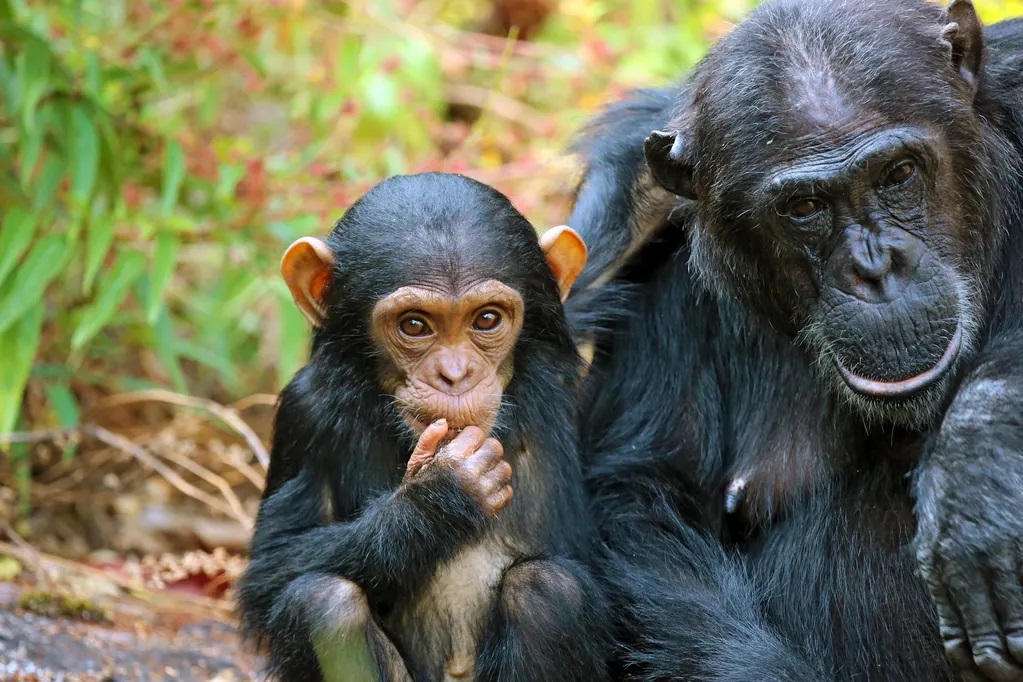
- Kibale National Park: chimpanzee trekking in a forest with 13 primate species.
- Queen Elizabeth National Park: tree-climbing lions, elephants, hippos and a Kazinga Channel boat cruise.
- Bwindi Impenetrable National Park: mountain gorilla trekking.
Safaris that combine the Big 5 and gorillas:
- 8 Days Uganda Safari: Big 5, Gorillas, Chimps and Tree-Climbing Lions
- 8 Days Uganda Rhinos, Chimps, Lions and Gorillas Safari
- 7-Day Uganda Wildlife Safari: Chimps, Gorillas and Big 5
- 7 Day Uganda Gorilla and Chimpanzee Safari
Short on time? Try the 3 Day Gorilla Trekking Safari, the 3 Days Fly-In Gorilla Safari, the 3-Day Murchison Falls Wildlife Safari or the 3 Day Queen Elizabeth Safari.
Big 5 vs Mountain Gorillas: Which Should You Choose?
Choose a Big 5 safari if:
- This is your first safari and you want classic savannah scenes
- You are travelling with young children (gorilla trekking is for ages 15 and over)
- You want many wildlife sightings each day from a vehicle
Choose gorilla trekking if:
- You want a once-in-a-lifetime, deeply personal encounter
- You want your visit to make a direct conservation difference
- You are comfortable hiking for a few hours on forest trails
Choose Uganda if: you do not want to choose, and would rather have both on one safari.
Big 5 vs Mountain Gorillas FAQs
Can I see the Big 5 and mountain gorillas in Uganda?
Yes. Uganda has lions, leopards, elephants and buffalo in Murchison Falls and Queen Elizabeth National Parks, rhinos at Ziwa Rhino Sanctuary and mountain gorillas in Bwindi and Mgahinga, so you can see all of them on one 8 to 10-day safari.
Is gorilla trekking safe compared with a Big 5 safari?
Yes. Treks are led by trained Uganda Wildlife Authority rangers, the gorilla families are used to people and incidents are extremely rare. Read our guide: is gorilla trekking safe?
How much does a gorilla permit cost in Uganda?
A Uganda gorilla permit costs US$800 per person for foreign non-residents, compared with US$1,500 in Rwanda.
How fit do I need to be for gorilla trekking?
A moderate level of fitness is enough. Treks can take from one hour to most of the day, depending on where the gorillas are. Porters are available at the start of the trail and are well worth hiring.
What is the best time for a Big 5 and gorilla safari?
The drier months, June to September and December to February, are best for both game drives and gorilla trekking, although both are possible all year.
Plan Your Big 5 and Gorilla Safari
Tulambule Uganda Safaris is 100% Ugandan-owned, accredited by the Uganda Tourism Board and the Uganda Wildlife Authority, and rated 4.9 stars on TripAdvisor. We design tailor-made safaris that combine the Big 5 with mountain gorillas, chimpanzees and culture, built around your budget and dates. Call or WhatsApp +256 782 915 447, or email info@tulambule.com.