Quick answer: about 1,063 mountain gorillas are left in the world, all of them in the wild. Around 604 live in the Virunga volcanoes, shared by Uganda, Rwanda and DR Congo, and 459 live in Bwindi Impenetrable Forest in Uganda and the neighbouring Sarambwe reserve in DR Congo. A new census of Bwindi began in 2025, and its results are awaited.
If you are planning a gorilla safari, how many mountain gorillas are left is one of the first questions you will ask. The good news is that the answer keeps getting better. Mountain gorillas are the only great ape whose numbers are rising, up from about 254 in the Virungas in 1981 to more than a thousand today.
In this guide, our gorilla trekking team in Kampala explains how many mountain gorillas are left in each country, how the count is done, why the population is growing, what still threatens it, and how your gorilla trek helps protect it.
How Many Mountain Gorillas Are Left in the World?
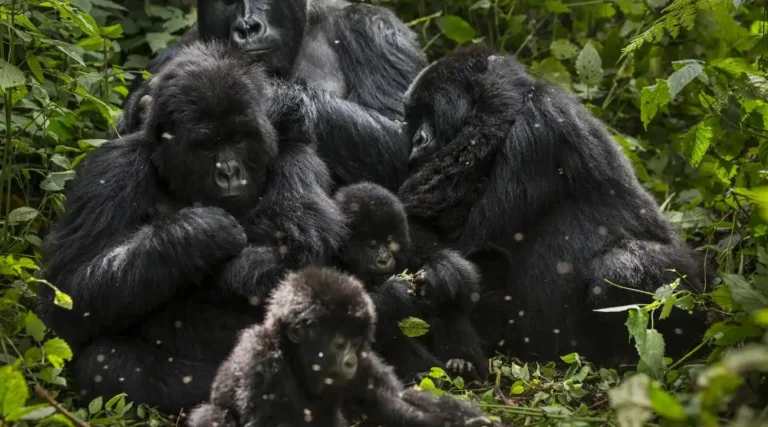
The latest confirmed answer to how many mountain gorillas are left is about 1,063. That total comes from two separate surveys, because the gorillas live in two forests that are not connected:
| Population | Countries | Latest count | Groups |
|---|---|---|---|
| Virunga Massif | Uganda (Mgahinga), Rwanda (Volcanoes), DR Congo (Virunga) | 604 (2015 to 2016 survey) | 41 family groups plus 14 lone males |
| Bwindi and Sarambwe | Uganda (Bwindi), DR Congo (Sarambwe) | 459 (2018 census) | 36 family groups plus 16 lone males |
| World total | Three countries | About 1,063 | All in the wild |
Both counts were carried out by the wildlife authorities of the three countries with the Greater Virunga Transboundary Collaboration and conservation partners. A new survey of Bwindi and Sarambwe started in May 2025, alongside the first chimpanzee census in Bwindi. Until its gorilla results are published, 1,063 is the official answer to how many mountain gorillas are left. We will update this page as soon as the new figure is announced.
How Many Mountain Gorillas Are Left in Uganda?
If you are asking how many mountain gorillas are left in Uganda, the answer is roughly half of the world total. Almost all of them live in Bwindi Impenetrable Forest, which held 459 gorillas with Sarambwe at the 2018 census. A smaller number live in Mgahinga Gorilla National Park, Uganda's corner of the Virunga volcanoes.
This is why Uganda is the leading country for gorilla trekking. Bwindi has more habituated families than anywhere else, spread across four trekking sectors: Buhoma, Ruhija, Rushaga and Nkuringo. Compare them in our guide to the Bwindi gorilla sectors.
How Many Mountain Gorillas Are Left in Rwanda and DR Congo?
For how many mountain gorillas are left in Rwanda and DR Congo, the answer is a share of the Virunga population of about 604 gorillas, which both countries share with Uganda. Rwanda's Volcanoes National Park is the most famous home of the Virunga gorillas, and DR Congo's Virunga National Park protects the western slopes.
It is impossible to give an exact figure for each country, because gorilla families move freely across the unmarked borders as they follow their food. That is why scientists count the whole Virunga population together.
How Conservationists Count Mountain Gorillas
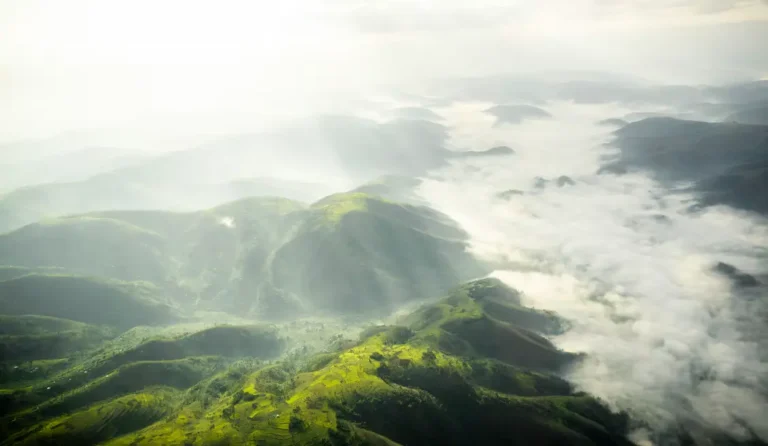
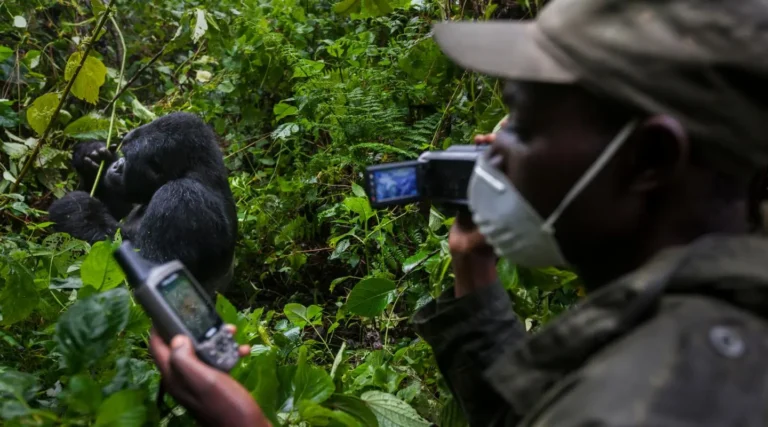
Working out how many mountain gorillas are left is one of the hardest wildlife counts in the world. The forest is too thick for aerial surveys, so teams of rangers and researchers walk the entire range on foot, often on steep, muddy slopes.
The count works in three steps:
- Sweeping the forest: teams walk in lines a few hundred metres apart, looking for fresh trails and the night nests that gorillas build every evening.
- Measuring the nests: the size of the dung found in each nest shows whether it belonged to a silverback, a female or a young gorilla.
- Genetic testing: dung samples are sent for DNA analysis, so scientists can identify every individual and avoid counting a family twice.
A full census of how many mountain gorillas are left takes several months in the forest and much longer in the laboratory. That is why the published answer to how many mountain gorillas are left usually trails the real number by a year or two.
From 254 to 1,063: A Timeline of Recovery
The story of how many mountain gorillas are left is one of the great comebacks in conservation. Here is how the numbers have changed over the years.
| Year | What happened |
|---|---|
| 1902 | Mountain gorillas are first described by science |
| 1981 | Only about 254 gorillas are counted in the Virunga Massif |
| 1989 | About 620 across the Virungas and Bwindi combined |
| 2010 | 480 counted in the Virunga Massif |
| 2011 | About 400 counted in Bwindi |
| 2015 to 2016 | 604 counted in the Virunga Massif |
| 2018 | 459 counted in Bwindi and Sarambwe; world total about 1,063; status improved to Endangered |
| 2025 to 2026 | New Bwindi and Sarambwe census under way, results awaited |
In 1981, the Virunga gorillas were heading for extinction, and nobody could be sure how many mountain gorillas would be left a decade later. Today their numbers have more than doubled, and the subspecies was moved from Critically Endangered to Endangered on the IUCN Red List in 2018.
Why the Number of Mountain Gorillas Keeps Rising
Four things explain why the answer to how many mountain gorillas are left keeps improving:
- Ranger protection: daily anti-poaching patrols remove snares and deter hunters in all three countries.
- Veterinary care: teams such as Gorilla Doctors treat gorillas injured by snares or sick with respiratory infections, saving animals that would otherwise die.
- Gorilla tourism: every gorilla trekking permit helps pay for rangers, vets and park management. In Uganda a permit costs US$800, and in Rwanda US$1,500.
- Community benefits: a share of park income goes to schools, clinics and projects in villages around the parks, so local people gain from protecting the forest.

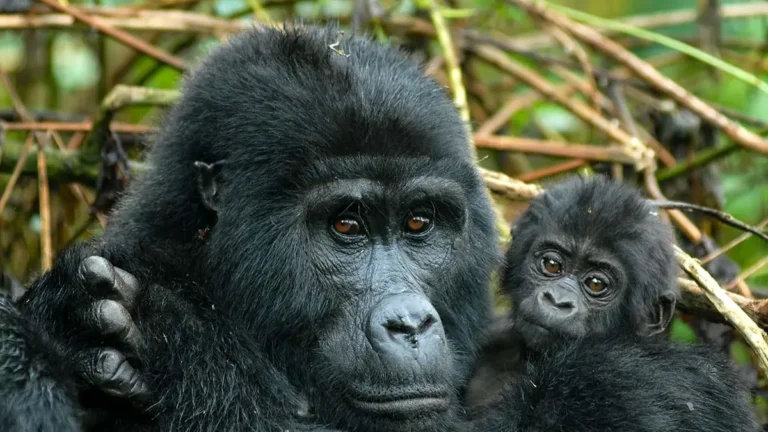
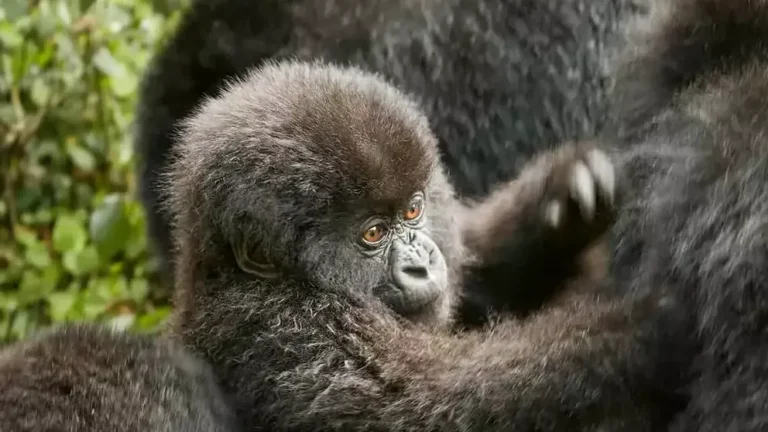
Meet one of the last 1,063 mountain gorillas
Spend an hour with a gorilla family in Bwindi or Mgahinga, and your permit helps protect them. We secure your permit, lodges and transport, and send a free quote within 24 hours.
Threats Mountain Gorillas Still Face
However encouraging the trend, how many mountain gorillas are left is still a very small number, and the population could be set back quickly. The main threats are:
- Human diseases: gorillas share about 98% of our DNA and catch colds, flu and other infections from people. One serious outbreak could spread through a family, which is why trekkers keep at least 7 metres away and must not trek when sick.
- Snares: traps set for antelope still injure gorillas, even though they are not the target.
- Conflict: armed groups in eastern DR Congo have repeatedly disrupted protection in Virunga National Park.
- No room to grow: both forests are islands surrounded by farmland, so the gorillas cannot spread into new areas as their numbers rise.
- Climate change: changing rainfall and temperatures may shift the plants they eat. Learn more about the diet for gorillas.
Habituated and Wild Gorilla Families
Of all the gorillas counted when we ask how many mountain gorillas are left, only some can be visited by tourists. These habituated families have been slowly and carefully used to people over two years or more. Each family can be visited by a maximum of 8 trekkers a day, for one hour.
The rest of the population stays completely wild and is seen only during the census. Keeping many families wild protects the population from too much human contact. Habituated families, meanwhile, are checked by rangers every day, so any injury or illness is noticed quickly. If you want more time, Bwindi also offers the gorilla habituation experience, with up to four hours alongside a family still being habituated.
How Mountain Gorillas Compare With Other Great Apes
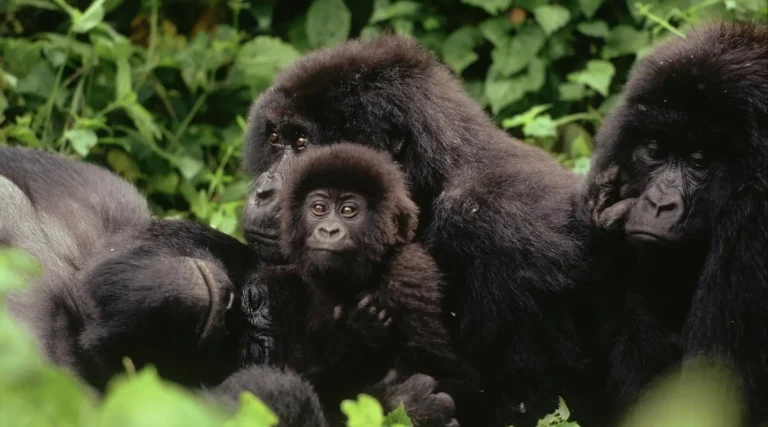
To put how many mountain gorillas are left into context, here is how they compare with other great apes. Mountain gorillas are among the rarest, but they are also the only ones whose numbers are clearly rising.
| Great ape | Estimated wild population | Trend |
|---|---|---|
| Mountain gorilla | About 1,063 | Rising |
| Cross River gorilla | About 250 to 300 | Critically low |
| Eastern lowland (Grauer's) gorilla | A few thousand | Falling |
| Western lowland gorilla | Hundreds of thousands | Falling |
| Chimpanzee | About 170,000 to 300,000 | Falling |
Estimates for the other apes are approximate, because they live across huge areas that are hard to survey. See how gorillas and chimps differ in our guide to gorilla vs chimpanzee.
Frequently Asked Questions
Are mountain gorillas still endangered?
Yes. They were moved from Critically Endangered to Endangered in 2018, but how many mountain gorillas are left, about 1,063 in two forests, is still a dangerously small number.
Are there any mountain gorillas in zoos?
No. Mountain gorillas have never survived long-term in captivity, so every mountain gorilla left on earth lives in the wild.
Is the mountain gorilla population still growing?
Yes. Every census since the 1980s has shown an increase. The new Bwindi census will show how the population has changed since 2018.
Where is the best place to see mountain gorillas?
Bwindi Impenetrable Forest in Uganda has the most habituated families and the most permits. Mgahinga in Uganda and Volcanoes National Park in Rwanda are the other main options.
How much does it cost to see mountain gorillas?
A gorilla trekking permit costs US$800 in Uganda and US$1,500 in Rwanda. In April, May and November, Uganda offers low-season permits at US$600 in 2026 and 2027.
How You Can Help Mountain Gorillas
Every visitor can help change how many mountain gorillas are left in the years ahead:
- Trek with a licensed operator, so your permit fee goes to protecting the gorillas.
- Follow the rules: keep your distance, wear a mask if asked and never trek when unwell.
- Support local people: buy local crafts and stay at lodges that employ people from nearby communities.
- Share the story: tell friends how many mountain gorillas are left and why their recovery matters.
See Mountain Gorillas With Tulambule
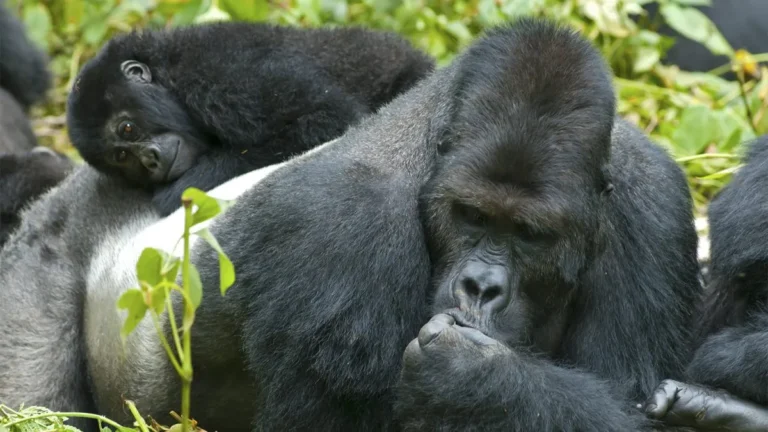
Once you know how many mountain gorillas are left, standing a few metres from a silverback, one of only about 1,063 on earth, is an experience you never forget. Tulambule Uganda Safaris is a Ugandan-owned, licensed operator that has planned gorilla treks since 2014. We secure your permit, book your lodges and pair you with an experienced driver-guide. Read our gorilla trekking in Uganda guide, or choose one of these popular safaris.
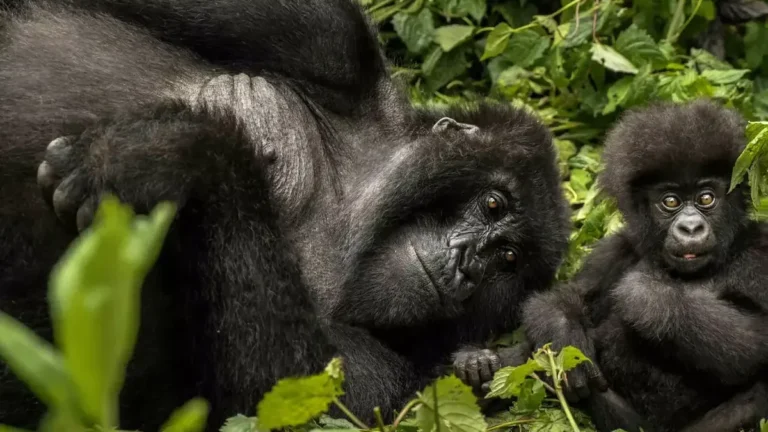
See mountain gorillas in the wild
Gorilla permits sell out months ahead in peak season. Send us your dates and we will check availability and send a free quote within 24 hours.
Get a Free QuoteChat on WhatsApp
Licensed by UTB and UWA • Member of AUTO • Rated 4.9 on TripAdvisor