Uganda gives travelers a choice that few other gorilla trekking destinations offer: two separate national parks, each home to habituated mountain gorilla families, each with its own landscape, logistics, and personality. Choosing Bwindi vs Mgahinga for Gorilla Trekking is one of the first real decisions anyone planning a Uganda gorilla safari has to make, and the right answer depends less on which park is "better" and more on what kind of trip you actually want.
This guide breaks down exactly how the two compare, so you can decide Bwindi vs Mgahinga for Gorilla Trekking with real confidence rather than guesswork. Both parks protect the same species, follow the same conservation model, and deliver the same profound close encounter with wild mountain gorillas, but the surrounding experience, from terrain and crowd size to scenery and add-on activities, differs enough that the choice genuinely matters for how the rest of your trip unfolds.
Bwindi Impenetrable Forest: The Numbers Game
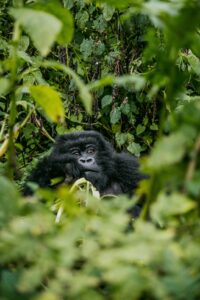
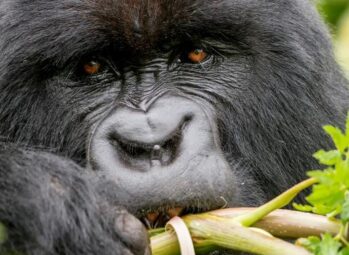
Bwindi Impenetrable National Park is Uganda's flagship gorilla trekking destination, and for good reason. The park is home to more than half of the world's remaining mountain gorilla population, with over twenty habituated gorilla families spread across four separate trekking sectors: Buhoma, Ruhija, Rushaga, and Nkuringo. When people weigh Bwindi vs Mgahinga for Gorilla Trekking, Bwindi's sheer scale is usually the first thing that tips the decision, since more habituated families across more sectors means considerably more permit availability and a far lower chance of missing out during peak season.
Bwindi's forest itself lives up to its name. Ancient, dense, and genuinely impenetrable in places, the terrain here is steep, muddy, and physically demanding, with treks that can run anywhere from thirty minutes to a full six or seven hours depending on where the gorilla family happens to be feeding on a given day. Anyone comparing Bwindi vs Mgahinga for Gorilla Trekking on difficulty alone should know that Bwindi generally asks more of trekkers physically, a trade-off many travelers happily accept in exchange for the park's higher odds of a confirmed sighting and its reputation as Uganda's most reliable gorilla trekking destination.
Mgahinga Gorilla National Park: The Volcano Experience
Mgahinga Gorilla National Park sits in the far southwestern corner of Uganda, tucked beneath three dramatic extinct volcanoes, Muhabura, Gahinga, and Sabyinyo, where Uganda, Rwanda, and the Democratic Republic of Congo meet. Where Bwindi wins on scale, Mgahinga wins on scenery and intimacy. The park is Uganda's smallest, with just one habituated gorilla family, the Nyakagezi group, available for trekking, which fundamentally changes the character of a visit for anyone weighing Bwindi vs Mgahinga for Gorilla Trekking.
That single habituated family is part of what makes Mgahinga special rather than a drawback. Because permit numbers are inherently limited, a Mgahinga trek often feels close to a private experience, particularly compared with Bwindi's busier sectors during peak season. The volcanic backdrop also sets Mgahinga apart visually, with treks unfolding beneath towering cones rather than deep, closed-canopy forest, giving photographers and scenery focused travelers a genuinely different visual experience. Anyone deciding Bwindi vs Mgahinga for Gorilla Trekking purely on landscape alone often finds Mgahinga's dramatic volcanic setting hard to beat.
Comparing Permit Availability and Cost
When it comes to Bwindi vs Mgahinga for Gorilla Trekking, permit logistics matter enormously for anyone planning around fixed travel dates. Both parks charge the same standard Uganda gorilla trekking permit fee, currently eight hundred US dollars for foreign non-residents, issued through the Uganda Wildlife Authority. The real difference lies in availability rather than price. Bwindi's twenty plus habituated families translate into considerably more permits issued daily across its four sectors, making last minute or short notice bookings realistically possible during quieter periods.
Mgahinga, with only the Nyakagezi family currently habituated, offers just a handful of permits per day, and this scarcity is the single biggest practical factor anyone comparing Bwindi vs Mgahinga for Gorilla Trekking needs to understand. Travelers with flexible dates and a strong preference for a quieter, smaller scale experience often find Mgahinga worth the extra planning required, while those needing guaranteed availability on specific dates, particularly during the busy June through September and December through February seasons, generally find Bwindi the safer, more dependable choice.
Trekking Difficulty and Terrain
Physical demands form another important axis when weighing Bwindi vs Mgahinga for Gorilla Trekking. Bwindi's terrain varies considerably by sector, with Rushaga and Nkuringo generally considered more physically demanding than the gentler trails around Buhoma, but across the board the forest's density, steep ridges, and unpredictable mud mean trekkers should arrive reasonably fit regardless of sector chosen. Trek duration in Bwindi is also less predictable, since gorilla families range across a large forest and can require several hours of hiking before a sighting.
Mgahinga's volcanic slopes present a different kind of challenge, generally shorter in duration since the Nyakagezi family tends to stay within a more contained territory near the park boundary, but the terrain itself can be steep given the volcanic geology underfoot. For travelers specifically comparing Bwindi vs Mgahinga for Gorilla Trekking on fitness requirements, Mgahinga often edges out as the gentler, more time-efficient option, though neither park should be treated as an easy walk, and a reasonable level of fitness benefits trekkers at both destinations.
What Each Park Offers Beyond Gorilla Trekking
Part of any honest Bwindi vs Mgahinga for Gorilla Trekking comparison has to account for what else each park offers, since few travelers visit purely to trek and leave immediately afterward. Bwindi's four sectors each carry their own additional draws, from the Batwa cultural experience near Buhoma, offering insight into the forest's original inhabitants, to birding opportunities that rank among the best in Africa, with the park hosting over three hundred and fifty recorded species including several Albertine Rift endemics found almost nowhere else.
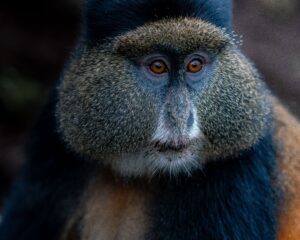
Mgahinga counters with its own distinct set of activities unavailable at Bwindi. Golden Monkey Tracking, a considerably more affordable and physically gentler primate experience, takes place in the same bamboo forests as the gorilla trek, giving travelers a second wildlife encounter within the same park. Volcano hiking up Muhabura, Gahinga, or Sabyinyo rewards fit travelers with sweeping views across three countries at once, an experience Bwindi's dense forest terrain simply cannot replicate. For travelers weighing Bwindi vs Mgahinga for Gorilla Trekking who also want volcano scenery and a second, more relaxed primate encounter built into the same trip, Mgahinga's broader activity menu becomes a genuine deciding factor.
Accessibility and Getting There
Location and travel logistics add another practical layer to the Bwindi vs Mgahinga for Gorilla Trekking decision. Bwindi sits roughly eight to nine hours by road from Kampala, or a shorter domestic flight into Kihihi or Kayonza airstrips, positioning it well for travelers combining gorilla trekking with a broader southwestern circuit through Queen Elizabeth National Park. Mgahinga, further south still, adds an additional hour or two of driving beyond Bwindi, making it a slightly longer journey from Kampala regardless of route chosen.
That extra distance to Mgahinga is offset by its proximity to the Rwanda border, making it a natural choice for travelers planning to cross into Rwanda afterward, whether to continue toward Volcanoes National Park or fly home via Kigali. Anyone comparing Bwindi vs Mgahinga for Gorilla Trekking as part of a multi-country itinerary spanning both Uganda and Rwanda often finds Mgahinga's border-adjacent location a meaningful practical advantage, even accounting for the slightly longer drive from Kampala itself.
Where to Stay Near Each Park
Accommodation options differ meaningfully between the two parks and factor into any thorough Bwindi vs Mgahinga for Gorilla Trekking comparison. Bwindi's four sectors each host a range of lodges spanning budget to ultra-luxury, from community-run guesthouses steps from the Buhoma trailhead to exclusive properties like Clouds Mountain Gorilla Lodge and Sanctuary Gorilla Forest Camp, giving travelers considerably more choice across every budget tier. This depth of options is part of what makes Bwindi such a comfortable, well-supported destination regardless of how travelers prefer to spend their evenings after a day of trekking.
Mgahinga's smaller scale means fewer lodges overall, though what exists tends to be well positioned close to the park boundary, offering direct volcano views and a genuinely intimate atmosphere that matches the park's quieter character. Travelers who value having many accommodation choices at every price point generally lean toward Bwindi, while those prioritizing a smaller, more exclusive feel to their entire trip, not just the trek itself, often find Mgahinga's limited but well-chosen lodge options perfectly suited to that preference.
Best Time to Trek Each Park
Seasonality plays into the Bwindi vs Mgahinga for Gorilla Trekking decision as well, though the two parks share broadly similar weather patterns given their proximity in southwestern Uganda. Both experience two dry seasons, roughly June through September and December through February, which offer firmer trails, easier walking conditions, and the most popular booking windows across both parks. Outside these months, Bwindi's already muddy, steep terrain becomes considerably more demanding, while Mgahinga's volcanic slopes, though generally shorter treks, can also turn slippery during heavier rains.
Travelers weighing Bwindi vs Mgahinga for Gorilla Trekking around wet season travel often find Mgahinga's shorter trek duration a meaningful advantage, since less time on muddy trails generally means a more manageable experience even when conditions are less than ideal. That said, gorilla trekking remains possible and rewarding at both parks throughout the year, and travelers prioritizing fewer crowds and lower rates sometimes deliberately choose the wetter shoulder seasons at either destination, accepting more challenging trail conditions in exchange for a quieter, less crowded trek.
Group Size and the Trekking Experience Itself
Group dynamics offer another angle worth considering in the Bwindi vs Mgahinga for Gorilla Trekking decision. Uganda caps each gorilla trekking group at a maximum of eight visitors per habituated family, a rule that applies equally at both parks, ensuring the encounter itself never feels overcrowded regardless of which destination is chosen. Where the parks diverge is in the broader atmosphere surrounding the trek. Bwindi's larger visitor numbers mean more groups setting out simultaneously each morning from busier trailheads, particularly in popular sectors like Buhoma and Rushaga during peak season, creating a more bustling, sociable pre-trek atmosphere at the briefing point.
Mgahinga's single habituated family means considerably fewer groups departing each morning, often just one or two, giving the entire pre-trek experience a noticeably calmer, more personal feel from the very first briefing. Neither approach is inherently better, but travelers who dislike crowds even before the trek itself begins often find this distinction, more than any other factor in the Bwindi vs Mgahinga for Gorilla Trekking comparison, tips their decision firmly toward Mgahinga.
Combining Both Parks on a Single Trip
Increasingly, the smartest answer to the Bwindi vs Mgahinga for Gorilla Trekking question is not choosing one over the other, but building an itinerary around both. Because Mgahinga sits only a few hours from Bwindi along Uganda's southwestern safari circuit, travelers with enough time regularly combine a Bwindi trek, taking advantage of its higher permit availability and choice of sectors, with a shorter stop at Mgahinga for Golden Monkey Tracking, a volcano hike, or even a second gorilla trek with the Nyakagezi family for those wanting to compare the two encounters directly.
This combined approach sidesteps the Bwindi vs Mgahinga for Gorilla Trekking dilemma entirely for travelers with the time and budget to do both, and it has become an increasingly popular way to structure a southwestern Uganda itinerary, particularly for travelers also planning to cross into Rwanda afterward, since Mgahinga's location near the border makes the onward journey to Volcanoes National Park considerably more convenient than routing back through Bwindi first.
Common Questions About Bwindi vs Mgahinga for Gorilla Trekking
Travelers researching their first gorilla safari tend to ask a similar set of questions when comparing the two parks. Which park has better odds of a confirmed sighting? Both parks report very high success rates, generally above ninety five percent, since habituated gorilla families are tracked daily by rangers before trekkers even set out, making a sighting close to guaranteed at either destination regardless of which side of the Bwindi vs Mgahinga for Gorilla Trekking debate a traveler lands on. Is one park safer than the other? Both are equally safe, patrolled by armed rangers and located in stable, well-managed protected areas with strong safety records for tourism.
Can permits for both parks be booked together? Yes, and doing so is common practice for travelers building a combined itinerary, with permits for each park booked separately through the Uganda Wildlife Authority but easily coordinated by an experienced operator planning both treks within the same trip. Which park is better for photography? Mgahinga's volcanic backdrop often produces more dramatic wide shots, while Bwindi's dense forest lighting rewards photographers comfortable working with lower light and closer compositions, meaning the answer genuinely depends on personal photographic style rather than one park being objectively superior.
Is Mgahinga worth visiting if Bwindi permits are unavailable? Absolutely, and many travelers who initially approached Bwindi vs Mgahinga for Gorilla Trekking as a forced choice due to sold-out Bwindi permits ended up preferring Mgahinga's quieter, more intimate atmosphere regardless.
Preparing Physically for Either Park
Regardless of how the Bwindi vs Mgahinga for Gorilla Trekking decision lands, basic physical preparation benefits trekkers at both destinations. A reasonable baseline of cardiovascular fitness makes a genuine difference, since both parks involve sustained uphill walking at moderate altitude, and travelers who arrive having done little more than casual walking in the months before their trip often find the experience considerably more taxing than expected. A few weeks of regular hiking, stair climbing, or general cardio training ahead of a Uganda trip pays real dividends on trek day, whichever park ends up on the itinerary.
Porters are available for hire at both Bwindi and Mgahinga, and taking one is worth doing regardless of personal fitness level, both as a practical aid over difficult terrain and as a meaningful way to support the local community whose livelihoods increasingly depend on gorilla tourism. Sturdy waterproof hiking boots, gardening gloves for gripping vegetation on steep sections, and a walking stick, often provided at the trailhead, round out the essential gear for either park.
Given how similar the physical preparation requirements are across both destinations, fitness alone rarely becomes the deciding factor in the Bwindi vs Mgahinga for Gorilla Trekking choice, though travelers with genuine mobility concerns may find Mgahinga's typically shorter trek duration the more forgiving option.
Making the Final Decision On Bwindi vs Mgahinga for Gorilla Trekking
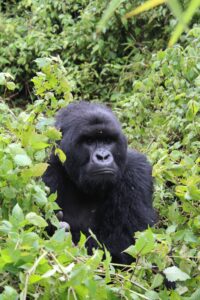
For most first-time gorilla trekkers without strong preferences either way, Bwindi remains the more straightforward and lower-risk choice when weighing Bwindi vs Mgahinga for Gorilla Trekking, given its far greater permit availability, wider sector choice, and deeper accommodation options across every budget. Travelers with fixed, non-negotiable travel dates, particularly during peak season, are generally better served by Bwindi's considerably larger pool of daily permits.
Mgahinga earns its place for a specific kind of traveler: those who value an intimate, low-crowd experience over guaranteed availability, who want volcano scenery alongside their gorilla trek, who plan to combine the visit with Golden Monkey Tracking or a volcano hike, or who are already routing toward Rwanda and want to minimize backtracking. Increasingly, experienced Uganda travelers resolve the Bwindi vs Mgahinga for Gorilla Trekking question by doing both on the same trip, treating Bwindi as the primary, higher-odds trekking destination and Mgahinga as an add-on for golden monkeys and volcano views during the same southwestern loop.
Why This Comparison Matters for Your Uganda Safari
Ultimately, the Bwindi vs Mgahinga for Gorilla Trekking decision comes down to matching a park's strengths to your own priorities rather than searching for one universally correct answer. Bwindi offers scale, reliability, and depth of choice, both in trekking sectors and accommodation, that make it the safer default for most travelers.
Mgahinga offers intimacy, dramatic volcanic scenery, and a broader activity menu within a single park, rewarding travelers with more flexible dates and a taste for the road less traveled. Neither park represents a compromise; each simply suits a different kind of trip, and the traveler who takes a moment to think honestly about their own priorities, availability, budget, and appetite for crowds will usually find the right answer becomes obvious well before booking day arrives.
Whichever way the Bwindi vs Mgahinga for Gorilla Trekking decision lands for your trip, both parks deliver what remains one of the most profound wildlife encounters available anywhere on the planet. Reach out to Tulambule Uganda Safaris to help you decide between Bwindi and Mgahinga, or to plan a trip that includes both, alongside the rest of what southwestern Uganda.
SUGGESTED PACKAGES
6 Day Uganda Safari, Chimps, Gorillas and Wildlife
6-Day Luxury Rwanda & Uganda gorilla Tour
21 Days Uganda Safari: Three Weeks In Uganda
7 Days Uganda Safari, Gorilla, Chimps, Culture & Wildlife
7 Days Uganda Birding Tour | Shoebills, Chimps, Gorillas, & More
7-Day Uganda Wildlife Safari | Chimps, Gorillas, Big 5 & More!
8 Days Uganda Safari, Big 5, gorillas, Chimps and Tree-Climbing Lions
8 Days Adventure Tour Uganda
9-Day Ultimate Uganda Safari: Unforgettable Gorillas, Wildlife & Cultural Encounters 2026
10-Day Uganda And Kenya: Gorilla & Big 5 Safari
10-Day Rwanda and Gorillas of Uganda Safari
11-Day Uganda Tanzania Safari | Gorillas & Big Game Viewing