Gorilla trekking for Ugandans costs a fraction of what international visitors pay, yet most Ugandans have never done it. That gap between price and participation is the real story here, and it's worth understanding before you write off gorilla trekking as something only tourists do.
Uganda is home to over half the world's remaining mountain gorillas, trekking through Bwindi Impenetrable National Park or Mgahinga Gorilla National Park to see them is a genuinely rare experience. International visitors travel across the world and pay $800 for a single permit to do it. East African citizens pay UGX 300,000, around $80.
That's not a typo. It's a deliberate pricing structure meant to make this experience accessible to the very people whose country protects these gorillas. And yet, domestic tourism to see them remains almost untapped.
Why Ugandans Rarely Go Gorilla Trekking
Based on a survey of Ugandan travelers, several factors consistently come up as reasons locals skip an experience visitors fly across the world for.
Cost, even at the discounted rate. UGX 300,000 for the permit alone, before transport, accommodation, or other expenses, is still a significant amount for many Ugandan households, even at roughly a tenth of the international price.
Physical demands. Gorilla trekking involves hiking through dense forest, steep terrain, and long hours on foot. Many Ugandans opt for more relaxed destinations, like Lake Victoria's beaches, instead.
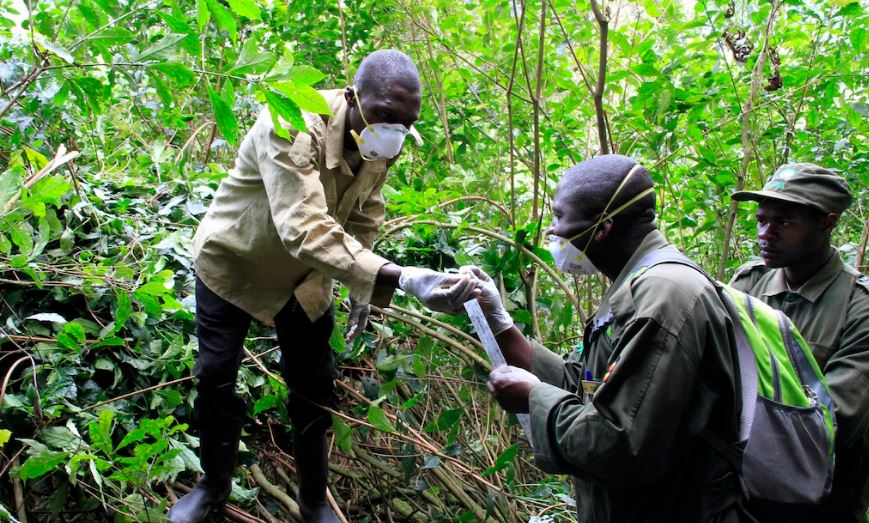
Health precautions. Because gorillas are susceptible to human illnesses, trekkers with contagious conditions are discouraged from participating, which some found offputting compared to less restrictive activities.
Weather. Uganda's forest trails turn muddy and slippery in the rainy season, pushing some travelers toward savanna safaris in parks like Murchison Falls or Queen Elizabeth instead, where conditions are more forgiving.
Limited awareness. Domestic tourism campaigns rarely highlight gorilla trekking specifically, so many Ugandans simply don't know the discounted citizen rate exists.
Perception. Gorilla trekking is often seen as a tourist activity rather than something for locals, so Ugandans planning leisure time tend to default to more familiar options: beaches, game parks, urban attractions.
Booking logistics. Daily permits are limited, which means planning weeks or months ahead, a harder sell for a travel culture that often prefers booking just days out.
What the Government Is Doing About It
The Uganda Wildlife Authority has put several measures in place that, directly or indirectly, support domestic access to gorilla trekking.
Strict daily permit limits protect the gorillas and their habitat, while the discounted citizen rate is specifically designed to keep the experience within reach for Ugandans, not just international visitors. The Uganda Wildlife Authority manages this rate directly and is the official source for current permit pricing and availability.
The Gorilla Habituation Experience offers a smaller number of visitors extended time, several hours instead of one, with a gorilla family, for those who want to go deeper than a standard trek.
Community-based tourism initiatives around Bwindi and Mgahinga also feed permit revenue back into local development, meaning every trek, citizen or foreign, has a direct line to the communities living alongside these forests.
What Citizen Pricing Actually Covers
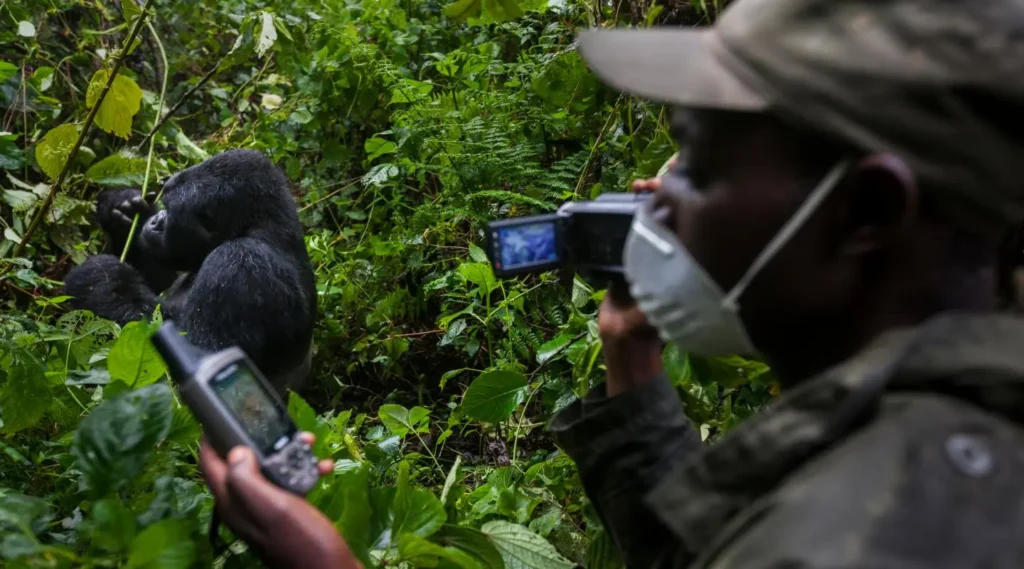
It's worth breaking down what that UGX 300,000 permit fee actually buys, because the comparison to the $800 international rate can make it sound like a discount trick rather than what it really is: a deliberate policy decision.
The permit itself grants the same access regardless of nationality, a full hour with a habituated gorilla family, accompanied by the same trained rangers and trackers. Citizens and international visitors follow identical safety protocols, distance rules, and group size limits. The experience on the ground is not a scaled-down version for locals; it is the same trek, the same forest, the same gorillas.
What differs is simply who is expected to subsidize whom. International tourism has long funded the bulk of Uganda's conservation budget, and the citizen rate exists precisely because policymakers wanted gorilla trekking for Ugandans to remain financially realistic even while that international-facing revenue model continues to do the heavy lifting.
Beyond the permit, most other costs, a guide, transport to Bwindi or Mgahinga, and accommodation, are also considerably lower when arranged through a Uganda-based operator familiar with domestic rates, rather than the international-facing pricing built into many standard packages.
Making Gorilla Trekking for Ugandans a Reality: Practical Steps
Knowing the citizen rate exists is one thing. Actually booking a trek is another, and a few practical steps make the difference between an idea that stays an idea and a trip that actually happens.
Start with proof of citizenship. A national ID or Ugandan passport is required at booking to qualify for the citizen rate, so have that ready before you approach an operator or the Uganda Wildlife Authority directly.
Book further ahead than feels necessary. Daily permits are capped, and while citizen demand is currently low, that is changing. Booking a month or two out, rather than the few days many Ugandans prefer, still gives the widest choice of dates and sectors.
Consider traveling with a group. Splitting transport and accommodation costs among friends, family, or a workplace group brings the total cost per person down further, often making a weekend trip more affordable than many domestic beach holidays.
Choose your season deliberately. The dry seasons, June to September and December to February, offer easier trails and better visibility, worth prioritizing if this is your first trek and you'd rather not contend with mud on top of everything else.
Work with an operator who understands citizen bookings specifically. Not every Uganda-based operator is set up to process the citizen rate smoothly, ask directly whether they regularly handle domestic bookings before committing.
Bwindi or Mgahinga: Which Is Closer to You?
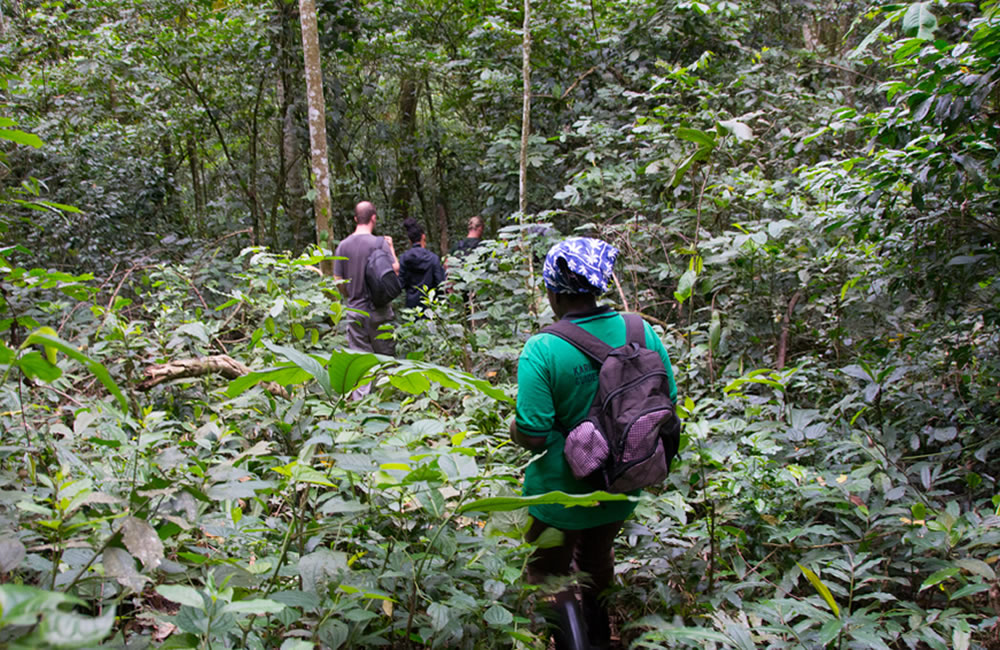
Uganda's two gorilla trekking parks sit in different corners of the southwest, and for a Ugandan planning a domestic trip, proximity matters more than it might for an international visitor already committed to a long-haul flight regardless.
Bwindi Impenetrable National Park has four trekking sectors (Buhoma, Ruhija, Rushaga, and Nkuringo) and hosts the larger share of habituated gorilla families, meaning more permit availability on any given day. It sits roughly 8 to 9 hours from Kampala by road, a genuine weekend commitment.
Mgahinga Gorilla National Park is smaller, with a single habituated family and correspondingly fewer daily permits, but its location near Kisoro puts it closer to the Rwanda and DRC borders, useful if you're combining the trip with other travel in the region. It's a similar drive time from Kampala, but its compact size means less driving once you arrive.
For Ugandans coming from western districts, either park can mean a shorter regional drive than the Kampala-centric distances most itineraries quote. Worth checking actual distance from your own starting point rather than assuming the standard Kampala travel time applies.
Neither park requires a different booking process for gorilla trekking for Ugandans, the citizen rate and permit rules apply identically at both. The choice comes down to which sector fits your route, your timeline, and whether you're combining the trek with anything else nearby.
Frequently Asked Questions From Ugandan Trekkers
Does a national ID work, or do I need a passport? A valid Ugandan national ID is generally accepted for the citizen rate, though carrying a passport as backup is never a bad idea, especially if booking through an operator unfamiliar with citizen documentation.
Are there discounts for students or large groups? Group bookings can reduce per-person costs on transport and accommodation, even where the permit price itself stays fixed. It's worth asking any operator directly whether they offer group rates for citizen bookings specifically, since policies vary from one operator to the next.
Can I book directly with UWA, or do I need an operator? Ugandan citizens can in some cases book directly with the Uganda Wildlife Authority, though working with a local operator often simplifies transport and accommodation logistics, particularly for a first trek, since arranging a 4x4 vehicle and park-adjacent lodging on your own can be more complicated than it first appears.
Is one day enough, or should I plan an overnight stay? Most trekkers stay at least one night near the park, since treks begin early in the morning and the drive from Kampala alone takes most of a day. A rushed same-day round trip is possible but not recommended for a first experience.
Does gorilla trekking for Ugandans require any special approval beyond the standard permit? No. The process is the same booking process used by any citizen or East African resident, the only distinction from the international rate is proof of citizenship or residency at the time of booking.
Why This Matters Beyond One Trip
Gorilla trekking for Ugandans is not just a personal travel decision, it has a ripple effect worth understanding. Every citizen permit sold is a small but real vote of confidence in domestic tourism, a sector that has historically been shaped almost entirely around international demand.
When more Ugandans experience gorilla trekking firsthand, word of mouth changes. A friend's photos, a colleague's story, a family's weekend trip, these carry more weight with fellow Ugandans than any international marketing campaign ever will. Growing domestic participation in gorilla trekking for Ugandans also strengthens the case for continued government investment in citizen-rate access, since demonstrated local demand is what keeps subsidized pricing politically sustainable over the long term, year after year.
There's also a simple matter of pride and ownership. Mountain gorillas exist in the wild in exactly two countries on earth, and Uganda is one of them. That's a fact many Ugandans know abstractly but few have experienced directly. Closing that gap, between knowing and experiencing, is really what gorilla trekking for Ugandans is about.
A Trek Worth Taking, Wherever You're From
Strip away the logistics and the barriers, and what's left is genuinely remarkable: hiking through misty rainforest to spend an hour with a wild gorilla family, one of only around 1,000 individuals left on the planet. It's an encounter international travelers save for years to afford. For Ugandans, it's available at a tenth of the price, in your own country, in forest you already call home.
Gorilla trekking for Ugandans is not a lesser version of the tourist experience, it is the same profound encounter, priced for the people whose taxes, land, and communities make it possible in the first place. The barriers explored above, cost, fitness, awareness, perception, are real, but none of them are permanent, and each has a practical answer.
There is also something worth naming plainly: this is one of the very few genuinely world-class wildlife experiences on the planet that costs a Ugandan citizen a fraction of what it costs anyone else. Very few countries offer their own people that kind of direct, discounted access to a natural wonder of this caliber. Treating that as a footnote rather than a headline is, in a sense, the whole problem this page exists to correct, and the reason gorilla trekking for Ugandans deserves far more attention than it currently gets.
If cost, fitness, or logistics have been holding you back, a shorter or more moderate itinerary, like our 3-day gorilla trekking safari, is a practical way to start. Our gorilla trekking packing list also covers exactly what to bring, whether it's your first forest hike or your fifth.
Continue Planning Your Trip
Ready to see Uganda's mountain gorillas for yourself? Explore our sample safari itineraries, use our Build My Safari tool to create a custom trip, or contact us directly to start planning your gorilla trekking adventure.
10 Uganda Safari Forests and Bushes Worth Exploring
Guided Uganda Gorilla Safari Tours: Everything You Need to Know Before You Trek
Bwindi vs Mgahinga: Which Uganda Gorilla Park Should You Choose in 2026?