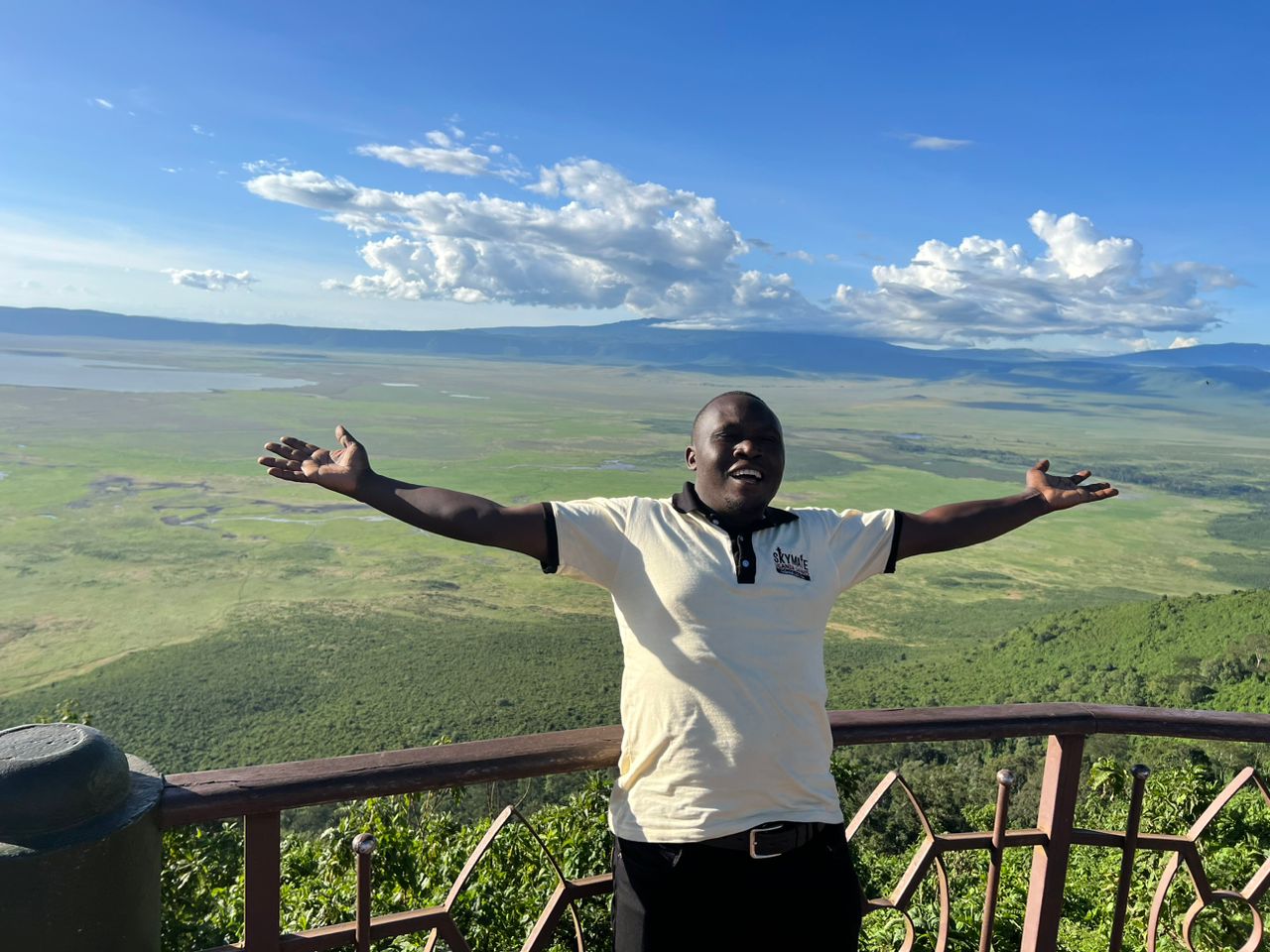
Kidepo National Park, officially Kidepo Valley National Park, is Uganda's most remote and, many travellers say, its most beautiful safari park. Tucked into the far northeastern corner of the country in the Karamoja region, it protects 1,442 square kilometres of golden savannah, rocky hills and wide valleys ringed by mountains, close to the borders with South Sudan and Kenya.
CNN Travel once ranked Kidepo among Africa's finest national parks, yet it still receives only a fraction of the visitors that go to Uganda's western parks. That is exactly its appeal: lions on rocky kopjes, huge buffalo herds, cheetahs and ostriches you will not find in any other Ugandan park, and game drives where yours is often the only vehicle in sight.
In 2026, Kidepo also became the new home of Uganda's first wild rhinos in over 40 years. This guide covers 7 amazing things to do in Kidepo National Park, the rhino return, fees, lodges, sample itineraries, the best time to visit and how to get there.
Get a Free Kidepo Quote on WhatsApp
Kidepo National Park at a Glance
| Location | Kaabong District, Karamoja, northeastern Uganda |
| Size | 1,442 square kilometres, Uganda's third-largest national park |
| Gazetted | 1962 as a national park |
| Main areas | Narus Valley (most wildlife) and Kidepo Valley (dry river and hot springs) |
| Wildlife | About 77 mammal species and around 475 bird species |
| Signature animals | Lion, cheetah, ostrich, buffalo, elephant, zebra, and now rhino |
| Getting there | 10 to 12 hours by road from Kampala, or about 2 hours by light aircraft |
| Best time | September to March (dry season) |
| Entrance fee | US$40 foreign non-resident adult, valid for 24 hours |
| Managed by | Uganda Wildlife Authority |
Why Visit Kidepo National Park?
Kidepo feels like the Africa of old safari books. The Narus and Kidepo valleys stretch to the horizon beneath Mount Morungole and the hills along the South Sudan border, and the light at sunrise and sunset is spectacular. Even without the animals, the scenery alone would be worth the journey.
But the animals are plentiful, and many are easy to see. Here is what makes Kidepo National Park special:
- Wildlife found in no other Ugandan park: cheetahs, ostriches, kudu, caracal and bat-eared foxes.
- Real wilderness: you can drive for hours and meet only a handful of other vehicles.
- Big cats on the rocks: lions often rest on granite kopjes, a classic photo you rarely get elsewhere in Uganda.
- Rhinos are back: the first rhinos returned in March 2026, after more than 40 years.
- Living cultures: the Karamojong herders and the Ik people of Mount Morungole.
If you have already seen gorillas in Bwindi Impenetrable Forest and the big game of Queen Elizabeth National Park, Kidepo shows you a completely different, wilder side of the country.
The Story of Kidepo National Park
The Kidepo area became a game reserve in 1958 and was upgraded to a national park in 1962, the year Uganda gained independence. Its creation came at a cost to local people: the Ik, who had hunted and gathered in the valleys, were moved out and settled on the slopes of Mount Morungole, where they still live today.
Through the 1970s and 1980s, insecurity in Karamoja and heavy poaching hit the park hard. Rhinos disappeared completely, with the last ones recorded in 1983. Since then, the Uganda Wildlife Authority has rebuilt the park. Animal numbers have recovered strongly, and in 2026 rhinos finally came home.
Animals in Kidepo National Park
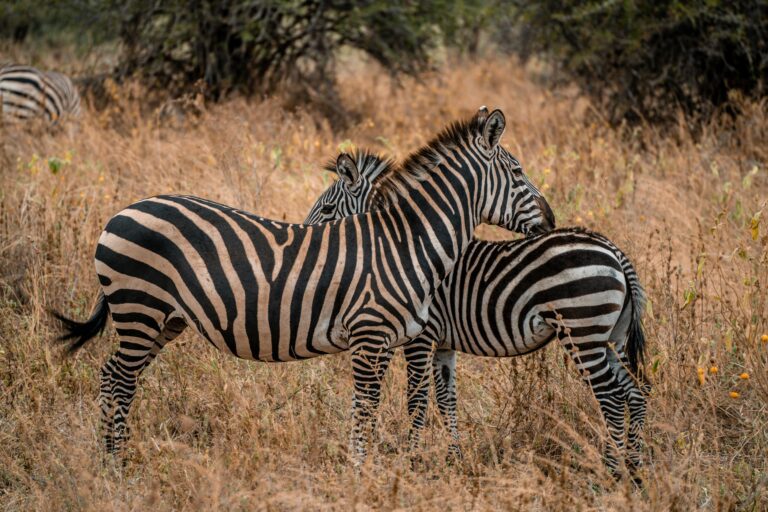
Kidepo National Park is home to about 77 mammal species, several of which live in no other Ugandan national park.
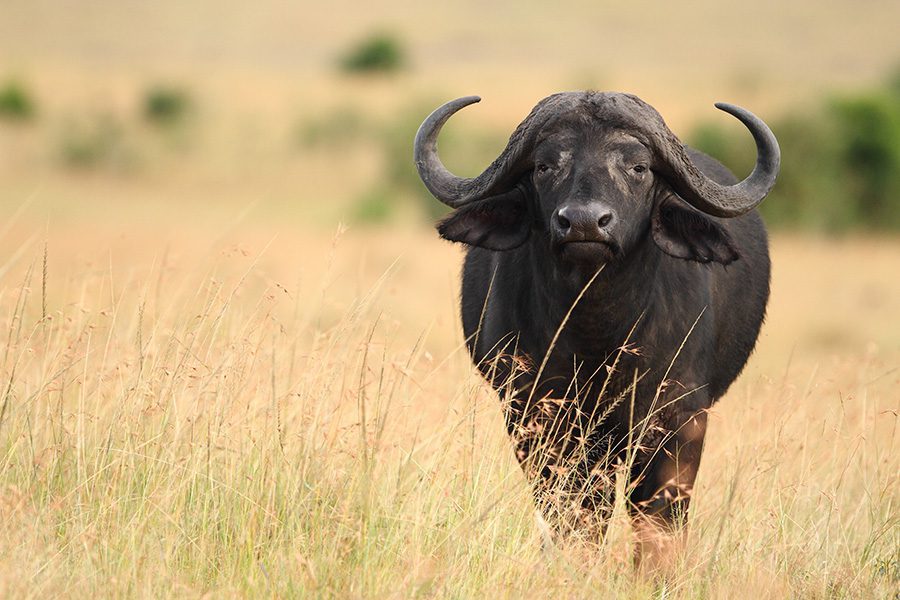
- Big game: lions, leopards, elephants and large herds of buffalo, sometimes several hundred strong. Lions are often seen resting on rocky outcrops in the Narus Valley.
- Found only in Kidepo among Uganda's parks: cheetah, ostrich, bat-eared fox, striped hyena, caracal, greater and lesser kudu, and Guenther's dik-dik.
- Plains game: Rothschild's giraffe, plains zebra, Jackson's hartebeest, eland, oribi, klipspringer, waterbuck and Uganda kob.
- Predators and smaller mammals: spotted hyena, black-backed and side-striped jackals, serval and wild cat.
- Primates: patas monkeys, olive baboons and vervet monkeys.
Want the full list? Read our guide to wildlife in Kidepo.
Rhinos Are Back in Kidepo National Park
In March 2026, the Uganda Wildlife Authority moved the first southern white rhinos from Ziwa Rhino Sanctuary to a new, protected rhino sanctuary inside Kidepo National Park. It was the first time rhinos had lived in the park since 1983, and more are expected to follow.
This gives Kidepo all of the Big Five: lion, leopard, elephant, buffalo and rhino. The rhinos are still settling in, so viewing arrangements are being developed. Ask us for the latest when you plan your trip, and read more in our article on rhinos in Kidepo.
For now, the easiest place to track rhinos on foot is still Ziwa Rhino Sanctuary, a popular stop on the road north to Kidepo.
7 Amazing Things to Do in Kidepo National Park
1. Game Drives in the Narus Valley
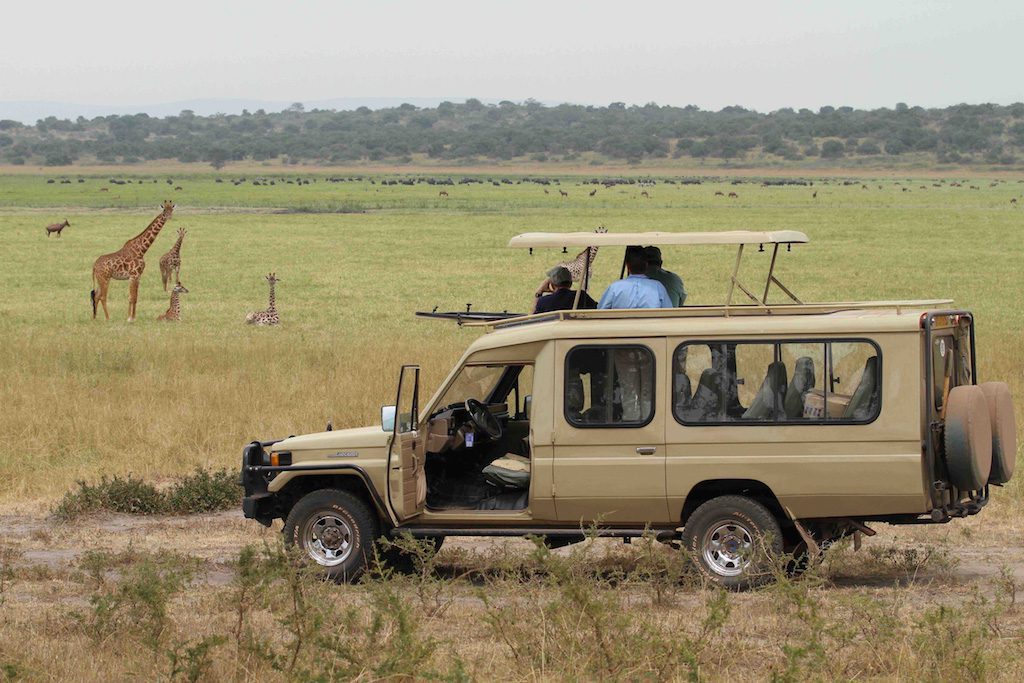
Most of Kidepo's wildlife gathers in the Narus Valley, especially in the dry season when the valley holds the park's main permanent water. A good network of tracks lets you explore by 4x4 safari vehicle, with clear views across short grassland.
Early morning is best, when herbivores are grazing and lions and cheetahs are hunting. In the afternoon, animals gather around waterholes. Look out for lions on the granite kopjes, where they rest and scan the plains.
2. Kidepo Valley and the Kanangorok Hot Springs
The northern Kidepo Valley is drier and sees fewer animals, but its scenery is unforgettable. The Kidepo River is a wide sand bed for much of the year, lined with borassus palms like an oasis.
Beyond it lie the Kanangorok Hot Springs near the South Sudan border, a lovely picnic spot that local people believe has healing powers. Visit in the morning, as afternoons in the north are very hot.
3. Night Game Drives
A ranger-guided night drive reveals Kidepo's nocturnal side: leopards, lions, hyenas, jackals, genets and bush babies, sometimes feeding on a kill. It is the best chance to see the cats on the move. Learn more in our night game drive guide.
4. Bird Watching
Kidepo National Park has around 475 recorded bird species, one of the highest totals in Uganda, and many of them are dry-country birds you will not see elsewhere in the country. Highlights include:
- Common ostrich and kori bustard, the world's largest bird and one of the heaviest flying birds
- About 56 birds of prey, including Verreaux's eagle, Egyptian vulture, pygmy falcon and bateleur
- Karamoja apalis, Abyssinian roller, Abyssinian ground hornbill, Jackson's hornbill and secretary bird
- Northern carmine bee-eater, white-crested turaco, D'Arnaud's barbet and purple grenadier
From November to April, migrant birds add even more variety. Plan a dedicated trip with our Uganda birding tours.
5. Guided Nature Walks
Walking with an armed ranger is a thrilling way to experience Kidepo. Walks usually start around 7:00 am, before the heat builds.
The Narus Valley walk, about five kilometres from the park headquarters at Apoka, passes waterholes and grazing areas with views of Mount Morungole. The more remote Namukweny Valley walk is ideal for birders.
6. Visit a Karamojong Manyatta
The Karamojong are semi-nomadic pastoralists, related to the Turkana of Kenya and the Toposa of South Sudan, whose lives revolve around their cattle. A visit to a traditional manyatta, a homestead of huts enclosed by a thorn fence, lets you learn about their customs, see their crafts and ornaments, and enjoy traditional songs and dances.
It is one of Uganda's most authentic cultural experiences. See more ideas in our guide to cultural tours in Uganda.
7. Hike Mount Morungole to Meet the Ik People
Mount Morungole, just outside the park, is home to the Ik, one of Africa's smallest ethnic groups with roughly 10,000 people. A full-day hike climbs through changing vegetation and rocky terrain to their hilltop villages, with superb views over Kidepo National Park.
You will learn about Ik history, language and ways of life. The hike is demanding, so good fitness and an early start are needed.
Book Your Kidepo Activities on WhatsApp
Kidepo vs Murchison Falls vs Queen Elizabeth
Not sure which savannah park to choose? This quick comparison helps:
| Feature | Kidepo | Murchison Falls | Queen Elizabeth |
| Drive from Kampala | 10 to 12 hours | 5 to 6 hours | 6 to 7 hours |
| Crowds | Very few visitors | Moderate | Moderate to busy |
| Special wildlife | Cheetah, ostrich, kudu, rhino | Giraffe, the falls, shoebill | Tree-climbing lions, chimps |
| Water activity | None | Nile boat cruise | Kazinga Channel cruise |
| Best for | Wilderness, photography, repeat visitors | First-time safaris | Combining with gorillas |
Read our full guide to Murchison Falls National Park to compare further.
Kidepo National Park Entrance Fees
| Visitor category | Adult | Child |
| Foreign non-resident | US$40 | US$20 |
| Foreign resident | US$30 | US$10 |
| East African citizen | UGX 20,000 | UGX 5,000 |
Fees are per person per 24 hours. Activities such as nature walks and night drives are charged separately. Uganda Wildlife Authority updates its tariff from time to time, so we always confirm current rates when we book your safari. On our safaris, all park fees are included in your quote.
Where to Stay in Kidepo National Park
Kidepo has a small range of lodges and camps for every budget:
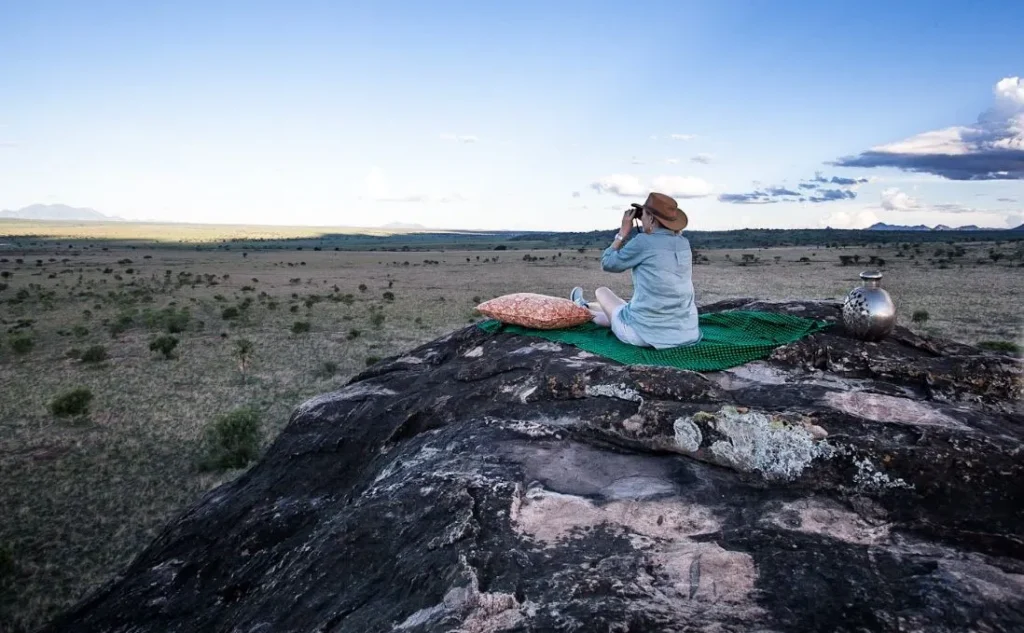
- Luxury: Apoka Safari Lodge, set among granite boulders overlooking the Narus Valley, with a rock swimming pool.
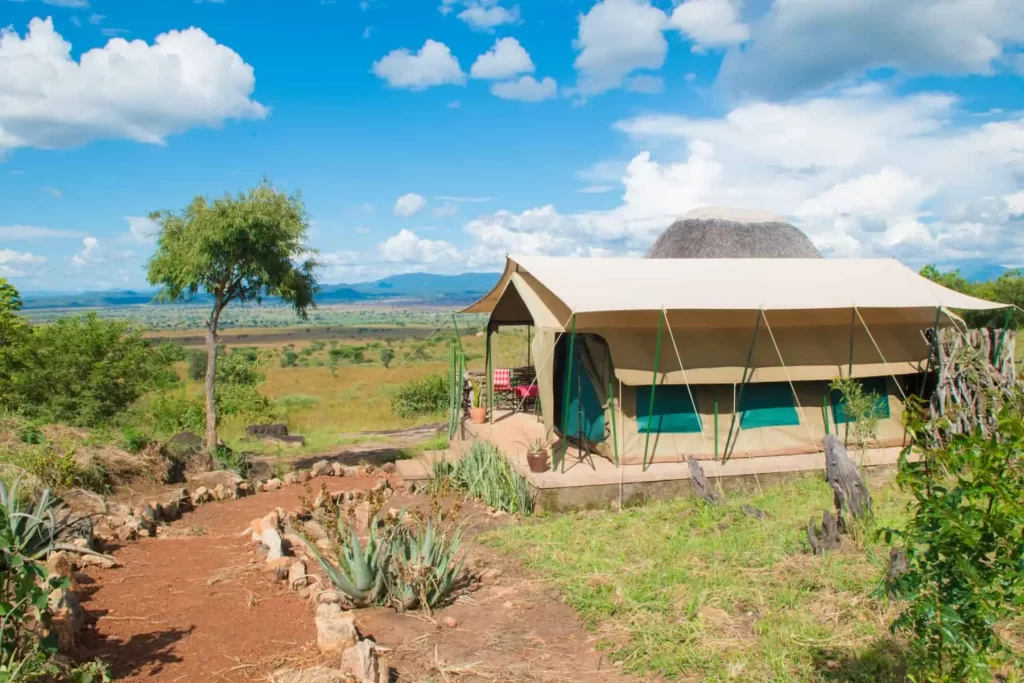
- Mid-range: Kidepo Savannah Lodge and Nga'Moru Wilderness Camp, both just outside the park with wide valley views.
- Budget: the Uganda Wildlife Authority bandas and campsite at Apoka.
Rooms are limited, especially in the dry season, so book early. Compare them all in our guide to where to stay in Kidepo National Park.
How to Get to Kidepo National Park
By Road
- Northern route via Gulu and Kitgum: about 570 km and 10 to 12 hours from Kampala. Break the journey at Ziwa Rhino Sanctuary or Gulu, or combine it with Murchison Falls National Park.
- Eastern route via Mbale and Moroto: about 740 km through the Karamoja region, ideally over two days. You can stop at Mount Elgon and Sipi Falls on the way.
Driving Times to Kidepo National Park
| From | Approximate drive time |
| Kampala (via Gulu and Kitgum) | 10 to 12 hours |
| Ziwa Rhino Sanctuary | 8 to 9 hours |
| Gulu | 5 to 6 hours |
| Kitgum | 3 to 4 hours |
| Murchison Falls National Park | 8 to 10 hours |
| Sipi Falls (via Moroto) | 9 to 10 hours |
By Air
The fastest option is a light-aircraft flight from Entebbe International Airport or Kajjansi airfield to the Apoka airstrip inside the park, taking about 2 hours. Scheduled seats and private charters are available, and we book whichever suits your dates and budget.
Many travellers fly in and drive out, or the reverse, to save time while still seeing the countryside.
Sample Kidepo National Park Itineraries
4 Days Fly-In Kidepo Safari
- Day 1: Morning flight from Entebbe to Apoka. Lunch at your lodge, then an afternoon game drive in the Narus Valley.
- Day 2: Early game drive, a guided nature walk, and a sundowner drive to the kopjes.
- Day 3: Full day to the Kidepo Valley and Kanangorok Hot Springs, or a cultural visit to a Karamojong manyatta. Optional night game drive.
- Day 4: Final morning game drive, then fly back to Entebbe.
6 Days Kidepo Road Safari
- Day 1: Kampala to Ziwa Rhino Sanctuary for rhino tracking on foot, then on to Gulu.
- Day 2: Gulu to Kidepo via Kitgum, arriving for an evening game drive.
- Days 3 and 4: Game drives in the Narus and Kidepo valleys, a nature walk, the hot springs and a Karamojong cultural visit.
- Day 5: Drive south and overnight in Gulu, or continue to Murchison Falls National Park.
- Day 6: Return to Kampala.
We tailor every trip, so tell us your dates and interests and we will build your Kidepo safari around them.
Best Time to Visit Kidepo National Park
Kidepo can be visited all year, but the best time is the dry season from September to March. Grass is short, water is scarce and animals concentrate around the Narus Valley waterholes, making sightings easier.
The rains usually fall between April and August, when the park is green and beautiful but some tracks become muddy. December to February is the hottest period, so plan activities for early morning and late afternoon.
Travel Tips for Kidepo National Park
- Prepare for heat. Pack a wide-brimmed hat, sunglasses, sunscreen and a refillable water bottle.
- Dress in neutral colours. Khaki, beige and green work best on game drives and walks.
- Bring binoculars and a zoom lens. Kidepo's open plains reward long-range viewing.
- Carry some cash. Shops and ATMs are few north of Kitgum.
- Take malaria precautions. Use insect repellent in the evenings and speak to your doctor about tablets.
- Allow enough time. If you drive, plan at least two nights in the park so the long journey is worth it.
Plan a Kidepo Fly-In Safari on WhatsApp
Kidepo National Park FAQs
Is Kidepo National Park worth the long journey?
Yes. Kidepo offers some of Uganda's best scenery, very few other vehicles and animals you cannot see in any other Ugandan park, such as cheetahs and ostriches. Flying in makes it easy to reach.
How many days do I need in Kidepo?
Plan at least two full days in the park, so three nights if you fly or five to six days in total if you drive from Kampala.
Can I see the Big Five in Kidepo?
Kidepo has lions, leopards, elephants and buffalo, and rhinos returned to a protected sanctuary in the park in March 2026. Ask us whether rhino viewing is open when you plan your trip. Ziwa Rhino Sanctuary on the road north is the surest place to see rhinos today.
Is Kidepo safe to visit?
Yes. Kidepo is a well-managed national park with ranger patrols, and tourist routes are safe. We monitor conditions in the region and plan travel accordingly.
Can you fly to Kidepo National Park?
Yes. Light aircraft fly from Entebbe or Kajjansi to the Apoka airstrip inside the park in about 2 hours. We can book scheduled seats or a private charter.
How much is the entrance fee for Kidepo National Park?
US$40 per adult for foreign non-residents, US$30 for foreign residents and UGX 20,000 for East African citizens, valid for 24 hours. Activities are paid separately.
Are there cheetahs in Kidepo National Park?
Yes. Kidepo is the only national park in Uganda with cheetahs. They are most often seen on the open plains of the Narus Valley, especially in the dry season.
What is the best time to visit Kidepo National Park?
September to March, the dry season, when animals gather around the Narus Valley waterholes and tracks are easy to drive.
Plan Your Kidepo National Park Safari
Tulambule Uganda Safaris is 100% Ugandan-owned, accredited by the Uganda Tourism Board and the Uganda Wildlife Authority, and rated 4.9 stars on TripAdvisor. We have planned safaris across Uganda since 2014, including fly-in and road trips to Kidepo National Park.
Call or WhatsApp +256 782 915 447 or email info@tulambule.com, and we will design your Kidepo safari by road or by air. You can also browse our Uganda safaris and tours or our wider guide to Uganda wildlife safaris and game drives.