You have been planning this moment for months. Maybe even years. You have booked your gorilla permit, arranged your accommodation, and flown halfway across the world to the misty mountains of Uganda. You wake up on trekking morning, heart pounding with anticipation, pull back the curtain of your lodge window, and it is pouring rain.
Your first thought is whether this is going to ruin everything.
Here is the short answer: absolutely not.
Rain during gorilla trekking is not a disaster. It is not even unusual. In fact, rain during gorilla trekking is so common that experienced trekkers will tell you a rainy gorilla trek is often more memorable than a dry one. The forest comes alive in ways you cannot imagine. The mist rises through the canopy. The gorillas carry on with their day as if nothing has changed. And you get one of the most authentic, immersive wildlife experiences on Earth.
This guide covers exactly what happens if it rains during gorilla trekking in Uganda, how to prepare, what to pack, and why you might actually hope for a little rain during gorilla trekking on your trekking day.
Understanding Bwindi's Weather and Why Rain Is Part of the Experience
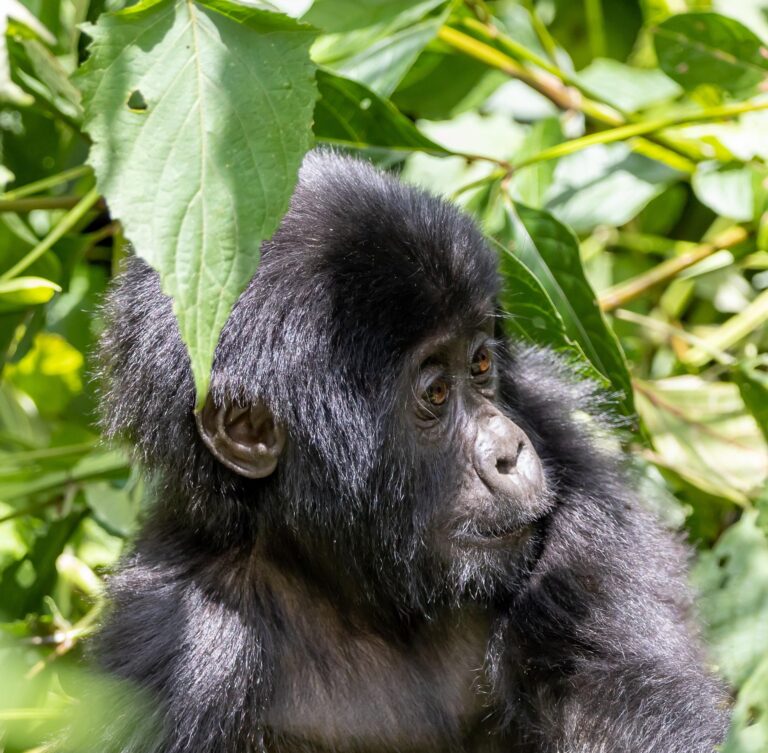
Before we dive into what happens if it rains during gorilla trekking, let us talk about where you are going. Bwindi Impenetrable National Park is exactly what its name suggests: an impenetrable, dense, tropical montane rainforest. It is one of the most biologically diverse places on the planet, and it is also one of the wettest.
Bwindi experiences a tropical montane rainforest climate with two main dry seasons and two wet periods. The long rains fall from March to May, while the short rains occur from October to November. Daytime temperatures range between 20 and 25 degrees Celsius, while nights can drop to 10 to 15 degrees Celsius.
But here is the crucial detail that catches many travellers off guard: even during the dry season, occasional showers are possible. Bwindi is a rainforest. Rain during gorilla trekking is part of its identity. It rains in the dry season. It rains in the wet season. It rains in the morning, in the afternoon, and sometimes both.
No season guarantees rain-free gorilla trekking. Even during the driest months, afternoon rain events occur, and morning mist is common at Bwindi’s altitude regardless of season.
So if you are waiting for a perfectly dry day to trek gorillas in Bwindi, you might be waiting a very long time. The good news is that none of this matters, because rain during gorilla trekking does not stop the experience. The Uganda Wildlife Authority conducts treks every single day of the year, rain or shine. The gorillas themselves have lived in this rainforest for millennia and are completely adapted to the wet conditions. Rain is not an obstacle; it is simply part of the environment you are entering.
Many first-time visitors worry that rain will cancel their trek or make the experience miserable. But the reality is quite different. The forest is at its most beautiful during and after rainfall. The greens are deeper, the mist creates an ethereal atmosphere, and the sounds of the forest become more pronounced. Rain during gorilla trekking enhances the sensory experience in ways that a dry day simply cannot match.
Does Rain Cancel Gorilla Trekking? The Official Policy
The short answer is no. Rain on its own does not cancel a gorilla trek.
Whether it drizzles or pours, you still enter the forest at the scheduled time, follow your ranger guide to the gorilla family, and spend your full one-hour observation with the gorillas. Rain during gorilla trekking is a normal and frequent condition inside Bwindi Impenetrable National Park and Mgahinga Gorilla National Park, both tropical rainforests where rainfall is expected and the gorillas are completely unfazed by it.
The Uganda Wildlife Authority does not cancel treks simply because of rain during gorilla trekking. Only when severe weather creates genuine safety hazards, such as flash floods, lightning storms, or roads becoming impassable such that evacuation would be impossible, would trekking be postponed or cancelled. Ordinary rainfall, even heavy rain during gorilla trekking, is considered normal forest weather and not a reason to cancel.
Here is what happens on a rainy trekking morning. Every day at Bwindi Impenetrable National Park, trekkers gather at their sector's starting point early in the morning, usually around 7:30 am, for the pre-trek briefing. This briefing happens whether the sky is clear, overcast, or already raining. After the briefing, groups of maximum eight visitors set off into the forest with their assigned Uganda Wildlife Authority ranger guides. Rain during gorilla trekking does not change this schedule. Rangers may wait a few minutes for a heavy downpour to ease, but the trek goes ahead.
The only weather event that can genuinely affect rain during gorilla trekking is an active electrical storm with lightning, and even then, the decision to pause is rare and made by the ranger guide on the ground, not by the tour operator or park administration.
In the very rare event that trekking is stopped because of extreme weather, the Uganda Wildlife Authority decides how affected permits are handled, and your tour operator will help you with the next steps. Read our guide to the gorilla permit cancellation policy for how refunds and rescheduling work.
How Rain Transforms the Trekking Experience and Gorilla Behavior
Rain transforms the entire rhythm of gorilla trekking. The forest becomes greener, quieter, and more alive, but also more challenging to navigate. Understanding what happens if it rains during gorilla trekking helps you prepare mentally and physically for the conditions you will face.
The Trail Becomes More Demanding
What rain during gorilla trekking genuinely changes is the condition of the trail. Forest paths inside Bwindi become wet, muddy, and slippery when it rains. In Mgahinga, loose volcanic soil turns slick. Stream crossings become muddier. Vegetation that brushes against your clothing is wet throughout.
Rain during gorilla trekking makes trails wet and slippery. Steep sections become more difficult, especially in Bwindi’s rugged terrain. The clay soils of Bwindi’s steep terrain hold water and become slippery when wet in a way that significantly increases the physical challenge of trekking compared to dry season conditions.
Rangers adjust the pace to match conditions. You will move more carefully, especially on steep slopes and muddy paths. Treks may take longer due to cautious movement. Walking in mud and wet vegetation requires more energy. Each step demands attention, which can increase fatigue over time.
The return journey is often the most challenging part of a rainy trek. The fatigue from the outward journey leaves muscles aching, the encounter with the gorillas has consumed energy, and the rain may have intensified. Experienced guides adjust their pace, route, and rest stops accordingly.
The Forest Transforms Beautifully
Despite the challenges of rain during gorilla trekking, the conditions create something magical in the forest. The canopy drips continuously with rhythmic sounds that break the silence of the dry season. Mist rises through the valleys, creating ethereal scenes that photographers dream about. The air feels fresh and clean, filled with the scent of damp earth, fallen leaves, and vegetation.
Rain during gorilla trekking transforms the forest into a deep green environment. Vegetation grows thicker, and the landscape feels more vibrant. This creates a more immersive trekking experience, with fresh scents and rich natural sounds. The forest feels more alive and intimate, as if you are experiencing it in its most authentic state.
Gorillas Carry On Unbothered
This is the part that surprises most first-time trekkers. Gorillas do not hide from rain during gorilla trekking.
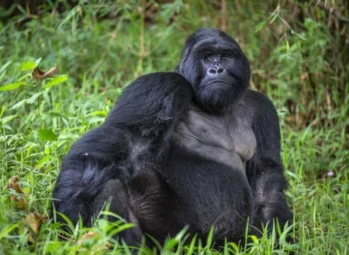
Mountain gorillas live permanently in the forest across all seasons. They move, feed, rest, play, and sleep in the rain during gorilla trekking just as they do in sunshine.
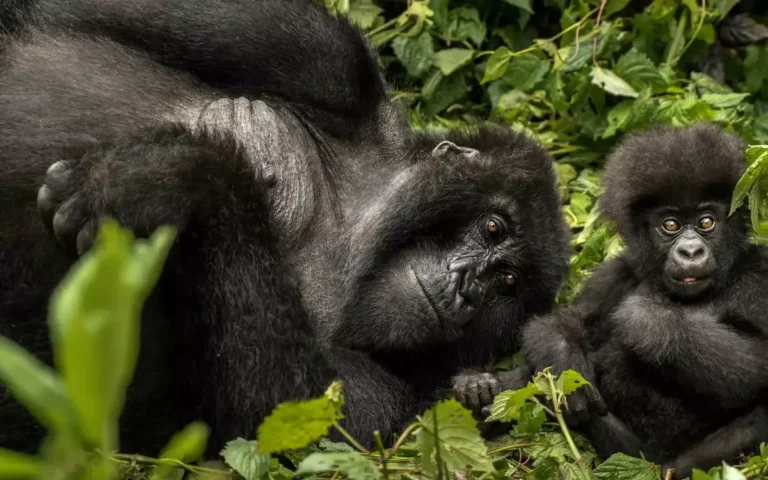
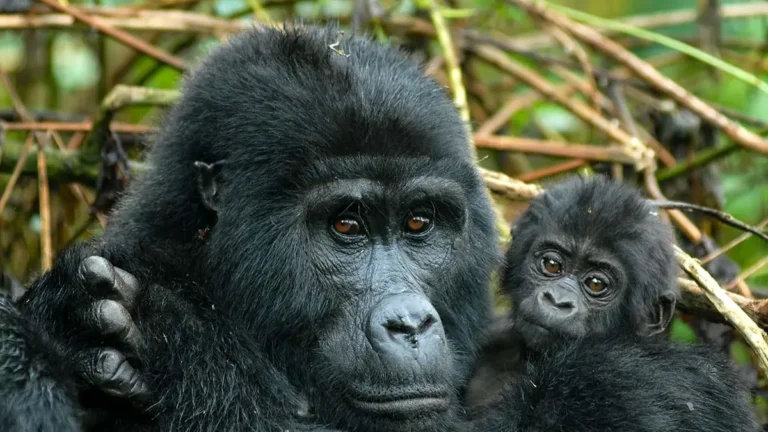
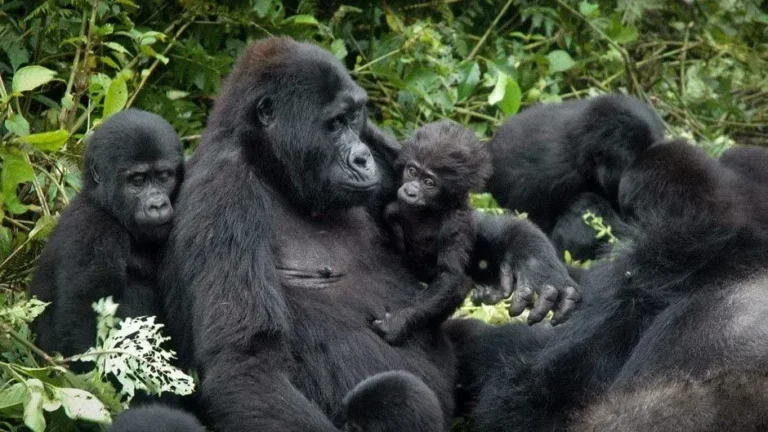
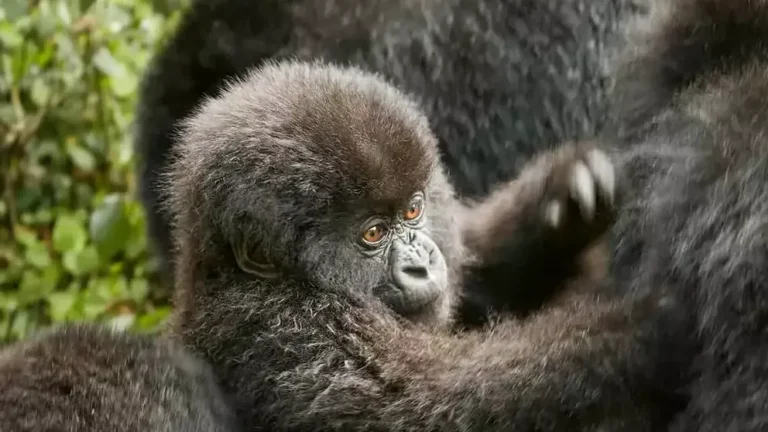
During light rain during gorilla trekking, gorillas typically continue their daily activities as if nothing has changed. The silverback remains vigilant. Mothers hold their infants closer. The youngsters may become more playful, seemingly enjoying the wet conditions.
During heavier rain during gorilla trekking, gorillas typically seek shelter under large trees or in areas of dense vegetation that provides natural cover. A light rainfall during gorilla trekking often sees the gorillas huddled together under the forest canopy, which can actually mean a more concentrated, closer encounter than on days when the family spreads out across a wide foraging area.
Food becomes abundant during rainy months. Gorillas often stay closer to their previous locations because they do not need to travel far to find food. This can reduce trekking time in some cases.
Rain during gorilla trekking often creates quieter surroundings. This allows more peaceful observation, with fewer distractions from other groups.
The gorillas themselves give you no reason to postpone. They are adapted to this environment. Rain during gorilla trekking is their normal. And for one hour, you get to witness their world exactly as it is.
The Surprising Advantages of Trekking in the Rain
Many travellers actively seek out rainy season trekking for the unique advantages it offers. Understanding what happens if it rains during gorilla trekking helps you appreciate these benefits instead of fearing them.
Lower Costs and Better Availability
In Uganda, gorilla permits for international visitors cost US$600 instead of the usual US$800 in April, May and November, the quieter rainy months. Many lodges also offer lower green-season rates, permit availability is better across all Bwindi sectors, and last-minute bookings are far easier.
Demand drops during rainy months, which makes it easier to secure permits even on shorter notice. While permits for June to September sell out three to six months ahead, rainy season permits are often available much closer to the travel date.
Fewer Tourists and More Intimacy
You share the forest with fewer visitors. This creates a more personal and relaxed trekking experience. Your one-hour encounter with the gorillas happens with fewer people around.
Rangers are more relaxed and engaged when managing smaller groups. The forest atmosphere is completely different from the busier dry season experience. You are not jostling for position or feeling rushed. The entire experience feels more exclusive and authentic.
Rich Photography Opportunities
The forest looks vibrant and dramatic after rain during gorilla trekking. Mist, deep greens, and soft lighting create unique photography conditions. Photographers often appreciate the softer light. Leaves shine, gorilla fur appears richer in tone, and backgrounds feel layered and cinematic.
Overcast skies reduce harsh shadows that can ruin photos on bright days. Some photographers actually prefer wet season light for this reason. The moody, atmospheric quality of rainy day photos is something that sunny day images simply cannot replicate.
How to Prepare for Rain on a Gorilla Trek
Trek in the green season and save
Uganda gorilla permits drop to US$600 in April, May and November. Tell us your dates and we will check permit availability and send a free quote within 24 hours.
The difference between a great rainy gorilla trek and a miserable one is almost entirely preparation. If you are prepared for rain during gorilla trekking, you will enjoy every moment rather than suffer through it.
Footwear Is Everything
This is the most important piece of equipment for a gorilla trek in any weather, and essential if you experience rain during gorilla trekking. Waterproof hiking boots with high-traction soles are critical for muddy, steep gorilla trails.
Do not wear new boots on trekking day. They need to be broken in to prevent blisters. Waterproof hiking boots, thick socks, long trousers, and a long-sleeved shirt in neutral colours are the foundation of your trekking outfit.
Gaiters are also highly recommended. They prevent the mud and debris that enters boot-trouser gaps on wet trails. They are inexpensive and make a massive difference to your comfort during rain during gorilla trekking. When you are walking through mud that is ankle-deep, gaiters keep the mud out of your boots.
Rain Protection for Your Body and Gear
A lightweight, breathable waterproof rain jacket or poncho is non-negotiable when preparing for rain during gorilla trekking. Rain can fall at any time in Bwindi or Mgahinga, even during the dry season.
A lightweight Gore-Tex jacket is ideal. A cheap poncho also works and covers your backpack. Pack a waterproof jacket, rain cover for your backpack, and waterproof hiking boots.
Quick-dry clothing layers work well as temperatures fluctuate throughout the day. Long-sleeved shirts and long trousers protect your skin from thorny plants and insect bites.
Moisture-wicking fabrics are essential. Cotton takes forever to dry in humid conditions and will leave you cold and uncomfortable. Avoid cotton entirely and opt for synthetic or wool materials that retain warmth even when wet.
Carry a dry bag for camera equipment and electronics in your day pack. A rain cover over the outside of the pack is useful but insufficient. A sealed waterproof bag inside the pack protects against the rain during gorilla trekking that penetrates any external cover when conditions are sustained.
Accessories That Make a Difference
Trekking poles provide stability on slippery slopes and reduce strain on your knees during descents. They are especially valuable in wet conditions where footing is uncertain. Many trekkers find them indispensable during rainy treks.
Lightweight gloves protect your hands from stinging nettles and thorny vegetation. You will be grabbing vegetation for support on steep, muddy slopes, and gloves make this much more comfortable.
A small waterproof backpack is perfect for carrying essentials such as water, snacks, cameras, and rain gear. A 20 to 30 litre daypack with a rain cover is ideal.
Photography in the Rain
Photographing gorillas in the rain presents unique challenges and opportunities. Understanding what happens if it rains during gorilla trekking helps you prepare your camera gear for the conditions.
Protecting Your Equipment
Weather-sealed equipment is strongly recommended due to frequent rain during gorilla trekking, mist, and humidity. Use a waterproof camera cover to protect against frequent rain during gorilla trekking. Carry lens wipes and silica gel to manage moisture and condensation.
One way to deter moisture is to avoid removing your lens from your camera body and leaving it out of your pack as much as possible in the open air.
Settings and Flash Rules
You need lenses that open to at least f/2.8. A 70-200mm f/2.8 is the undisputed king of wet-season gorilla photography. Accept that your ISO will live between 3200 and 6400.
Flash photography is not permitted as it can disturb or stress the animals. This rule applies in all weather conditions, including rain during gorilla trekking.
What Our Guides Tell Trekkers on a Rainy Morning
Our driver-guides take guests to Bwindi and Mgahinga every month of the year. Before a wet trek, this is the advice they give:
- Hire a porter. A porter carries your bag, gives you a hand on slippery slopes and earns an important income for a local family.
- Take a walking stick. They are handed out free at the briefing, and on a muddy descent they are worth their weight in gold.
- Tuck your trousers into your socks or gaiters to keep out mud and ants.
- Pack lunch and water in a dry bag, as some treks last longer in the rain.
- Keep your camera inside your jacket until the rangers say the gorillas are close.
- Leave dry clothes and shoes in the vehicle for the drive back to the lodge.
- Tell the rangers about your fitness at the briefing, so they can match you to a suitable gorilla family.
Most guests who trek in the rain say afterwards that the weather made the day more memorable, not less.
What to Pack: Complete Checklist for Rainy Trekking
Here is a summary of everything you need if you experience rain during gorilla trekking:
- Waterproof hiking boots, broken in before you arrive
- Gaiters to keep mud and debris out of your boots
- Waterproof rain jacket or poncho, preferably breathable
- Waterproof trousers or rain pants
- Quick-dry long-sleeved shirts, neutral colours
- Quick-dry long trousers, neutral colours
- Trekking poles for stability on slippery slopes
- Gardening or trekking gloves for protection
- Daypack with rain cover, 20 to 30 litres
- Dry bag for camera equipment and electronics
- 2 litres of water or hydration system
- Energy snacks
- Insect repellent
- Camera with weather-sealed body and fast lens
- Lens wipes and silica gel for moisture management
The Bottom Line
Rain during gorilla trekking is not a problem to be solved. It is part of the experience.
The trek goes ahead. The gorillas are there. The forest is at its most vibrant and alive. The only thing that changes is your preparation. Come with the right gear and the right attitude, and rain during gorilla trekking will be one of the most memorable experiences of your life.
Some of the most powerful gorilla encounters happen during light rain during gorilla trekking, with mist rising through the canopy, the forest dripping with life, and a silverback family going about their day completely unbothered by the weather. No sunshine required. No dry conditions needed. Just you, the gorillas, and one of the most extraordinary moments you will ever experience.
So if it rains on your trekking morning, take a breath. Put on your waterproof boots. Zip up your rain jacket. And remind yourself that you are about to have an experience that most people only dream about. Rain during gorilla trekking is not your enemy. It is part of the magic.
Now go trek those gorillas. Rain or shine, they are waiting.
When Is the Rainy Season for Gorilla Trekking?
| Months | Season | What to expect |
|---|---|---|
| June to September | Long dry season | Firmer trails, peak demand, permits sell out early |
| October and November | Short rains | Showers, green forest, US$600 permits in November |
| December to February | Short dry season | Good trekking, busy over the holidays |
| March to May | Long rains | Wettest months, quietest trails, US$600 permits in April and May |
Rain can fall in any month, so pack for it whenever you travel. For the full picture, read our guide to the best time to visit Uganda, and prepare your body with our fitness for gorilla trekking tips. You can also compare the starting points in our guide to Bwindi gorilla sectors.
Gorilla Trekking Safaris for Every Season
These safaris include your gorilla permit, lodges, transport and an experienced driver-guide, and they run all year, rain or shine.
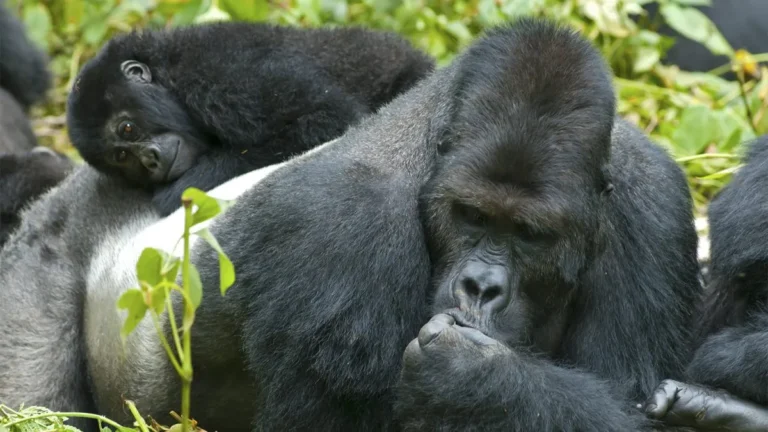
Rain or shine, the gorillas are waiting
Send us your dates and we will send a free gorilla trekking quote within 24 hours.
Get a Free QuoteChat on WhatsApp
Licensed by UTB and UWA • Member of AUTO • Rated 4.9 on TripAdvisor