Dian Fossey is the woman who showed the world that mountain gorillas are gentle, intelligent and worth saving. For almost 18 years she lived among the gorillas of the Virunga Volcanoes in Rwanda, and her book and the film Gorillas in the Mist made her one of the most famous conservationists in history. Today you can follow in her footsteps: trek the descendants of the gorillas she studied, hike to her grave at Karisoke, and visit the research campus that continues her work.
This guide tells her story, explains what happened to her gorillas, and shows you how to plan a trip to the places where she lived and worked, in Rwanda and next door in Uganda.
Dian Fossey at a Glance
- Born: 16 January 1932, San Francisco, United States.
- Known for: 18 years of research on mountain gorillas in Rwanda.
- Research camp: Karisoke, founded in 1967 between Mount Karisimbi and Mount Bisoke.
- Book: Gorillas in the Mist (1983), later a film (1988).
- Died: 26 December 1985 at Karisoke, where she is buried among her gorillas.
- Visit today: gorilla trekking and the Dian Fossey tomb hike in Volcanoes National Park.
Who Was Dian Fossey?
Dian Fossey was born in San Francisco in 1932. As a young woman she trained as an occupational therapist and worked at a children's hospital in Kentucky, but she had loved animals since childhood and dreamed of seeing Africa. In 1963 she spent her savings on a trip to East Africa. There she met the famous archaeologist Louis Leakey at Olduvai Gorge in Tanzania, and on the slopes of the Virunga Volcanoes she saw wild mountain gorillas for the first time. The encounter changed her life.
A few years later, Leakey chose her to begin a long-term study of mountain gorillas, as he had done for Jane Goodall with chimpanzees and Biruté Galdikas with orangutans. The three women became known as "Leakey's Angels". In 1967 Fossey moved to the Virunga Mountains to begin her work, and she later earned a PhD in zoology from the University of Cambridge.
Karisoke: Dian Fossey's Research Camp
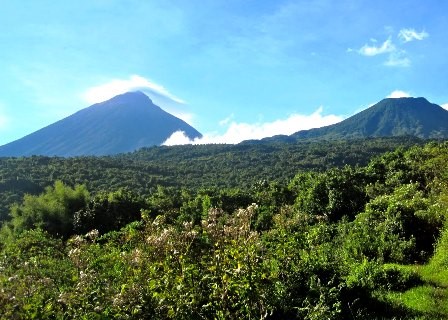
Fossey first set up camp on the Congo side of the Virungas, but political unrest forced her to leave. On 24 September 1967 she founded a new camp in Rwanda, in a saddle of land between Mount Karisimbi and Mount Bisoke. She combined the two names to call it Karisoke.
At Karisoke, she spent years slowly gaining the trust of gorilla families. She imitated their sounds and behaviour, sat quietly for hours and learned to recognise each individual by its unique nose print. Her patient approach allowed her to record gorilla family life, feeding, play and communication in detail that had never been seen before. Karisoke grew into one of the longest-running field research sites in the world, and it still operates today.
Digit and the Fight Against Poaching
Of all the gorillas she knew, Fossey was closest to a young male named Digit. On the last day of 1977, Digit was killed by poachers while defending his group. His death devastated Fossey and turned her into a fierce campaigner against poaching. She set up the Digit Fund to pay for anti-poaching patrols, which later became the Dian Fossey Gorilla Fund.
Fossey's methods were often controversial, and she clashed with poachers, local officials and some fellow conservationists. But at a time when mountain gorillas were being lost to snares, hunting and habitat loss, she drew the world's attention to their plight. When she began her work, only about 250 mountain gorillas were thought to survive in the Virunga Volcanoes.
Gorillas in the Mist: The Book and the Film
In 1983 Fossey published Gorillas in the Mist, an account of her years at Karisoke and the gorilla families she followed. The book brought the hidden world of mountain gorillas to millions of readers and remains one of the classic works of wildlife writing.
In 1988 her story became the film Gorillas in the Mist, starring Sigourney Weaver as Fossey. The film was nominated for several Academy Awards and inspired a new generation of travellers and conservationists. Many of our guests tell us it was this film that first made them dream of seeing gorillas in the wild.
The Death of Dian Fossey
On 26 December 1985, Fossey was found murdered in her cabin at Karisoke. Her killer has never been identified, and her death remains one of the great unsolved mysteries of conservation. She was buried at Karisoke, in the gorilla graveyard she had created, beside Digit and other gorillas she had known. Her gravestone carries the Kinyarwanda name local people gave her, Nyiramachabelli, often translated as "the old lady who lives alone in the forest".
Follow in Dian Fossey's footsteps
We arrange gorilla permits, the Dian Fossey tomb hike, lodges near Volcanoes National Park and transfers from Kigali or Entebbe. Send us your dates for a free itinerary within 24 hours.
Dian Fossey Timeline
| Year | Event |
|---|---|
| 1932 | Born in San Francisco, California, on 16 January. |
| 1963 | First trip to Africa; meets Louis Leakey and sees wild mountain gorillas. |
| 1966 | Leakey selects her to study mountain gorillas. |
| 1967 | Founds the Karisoke Research Center in Rwanda on 24 September. |
| 1976 | Completes her PhD at the University of Cambridge. |
| 1977 | Digit is killed by poachers; she launches the Digit Fund. |
| 1983 | Publishes Gorillas in the Mist. |
| 1985 | Murdered at Karisoke on 26 December and buried beside her gorillas. |
| 1988 | The film Gorillas in the Mist is released. |
| 2022 | The Ellen DeGeneres Campus of the Dian Fossey Gorilla Fund opens near Volcanoes National Park. |
Why Dian Fossey Still Matters to Travellers
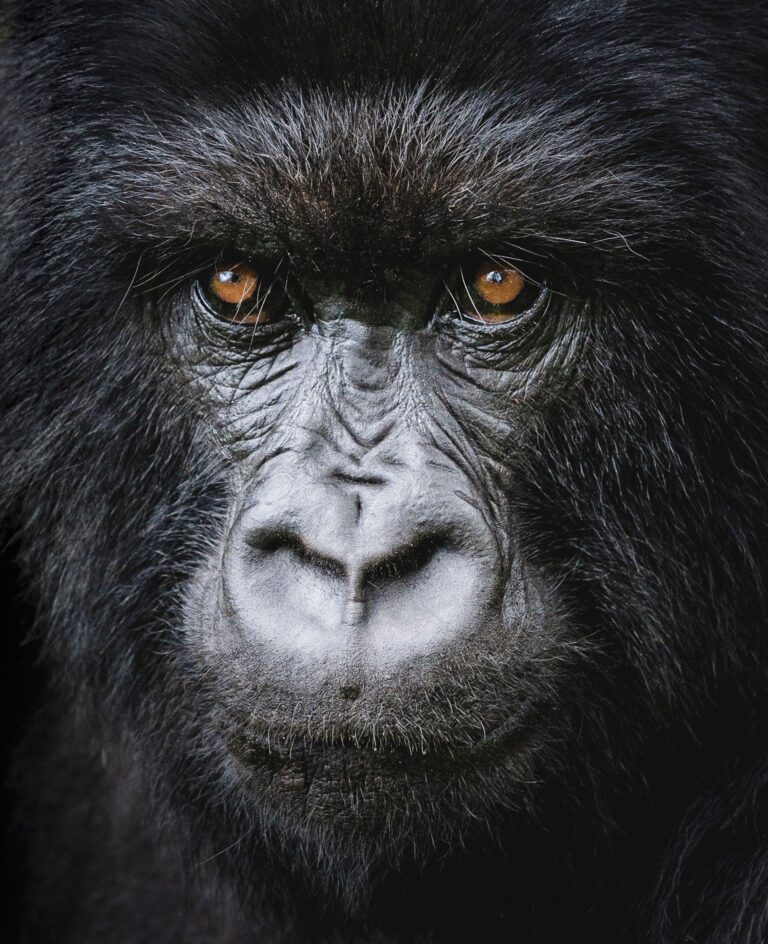
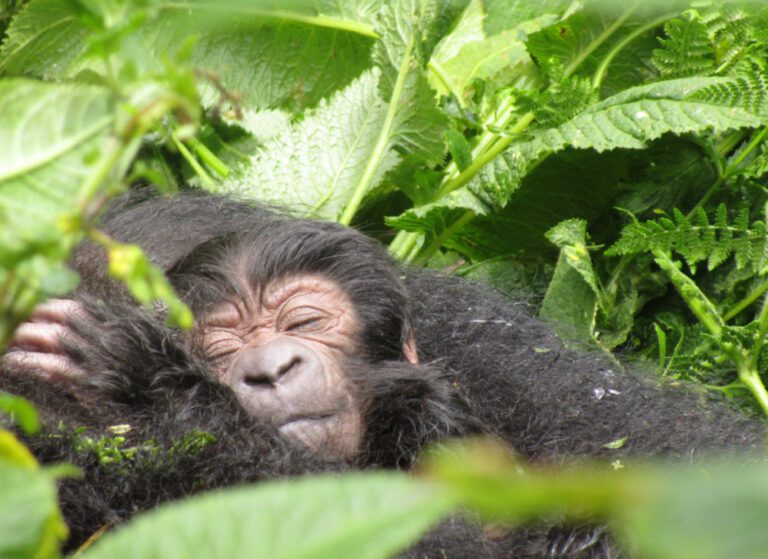
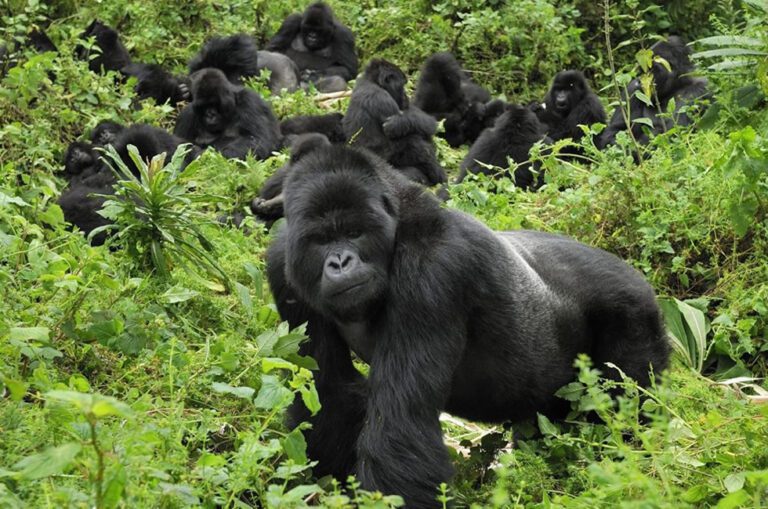
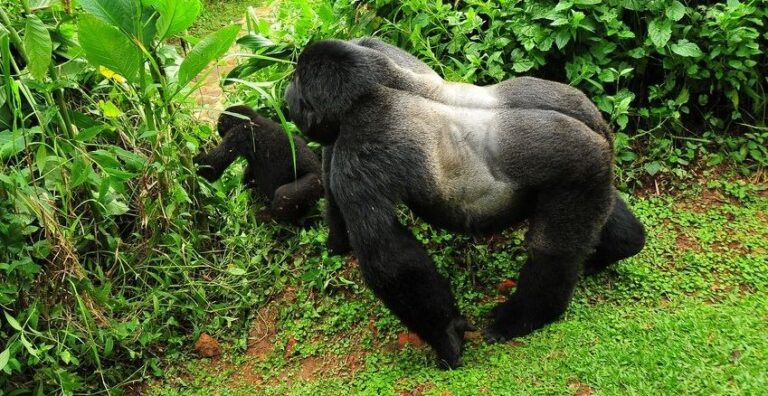
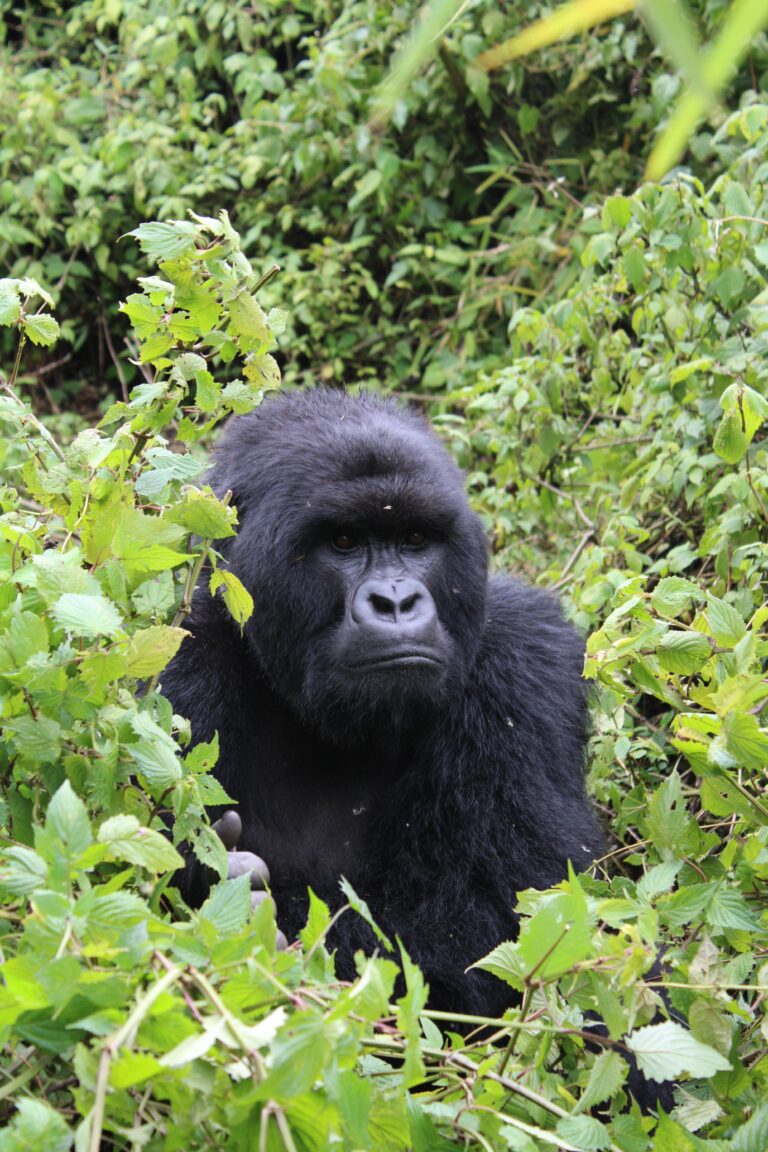
For many visitors, a gorilla trek in Rwanda or Uganda feels like stepping into the pages of Gorillas in the Mist. The misty bamboo slopes, the sudden silence when a silverback appears and the gentle curiosity of young gorillas are exactly as she described them decades ago. Knowing her story makes the experience richer: you understand how close the gorillas came to disappearing, and how much effort by rangers, scientists and local communities has gone into saving them.
Her story is also a reminder to travel responsibly. Follow your guide's instructions, keep the seven-metre distance, never visit gorillas when you are unwell, and choose operators who respect park rules and support local communities. These simple steps protect the animals she gave her life for.
Her Legacy: Mountain Gorillas Today
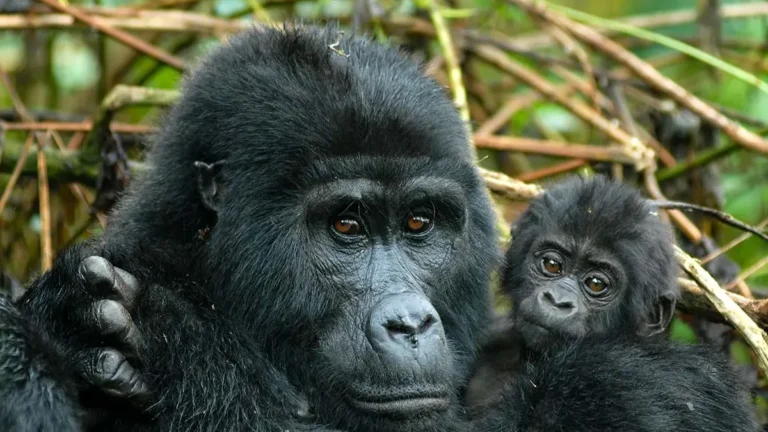
Fossey did not live to see it, but the gorillas she fought for have made a remarkable recovery. Thanks to anti-poaching patrols, community projects, veterinary care and carefully managed tourism, the world's mountain gorilla population has grown from a few hundred to more than 1,000. Mountain gorillas are still endangered, but they are one of the few great apes whose numbers are rising. Learn more in our guide to how many mountain gorillas are left.
Gorilla tourism, which Fossey was wary of during her lifetime, is now one of the strongest forces protecting the gorillas. Permit fees pay for rangers and research, and a share goes to communities living around the parks, giving local people a reason to protect the forest. Every traveller who treks gorillas today helps continue her work.
Visiting Dian Fossey's Grave: The Tomb Hike
The hike to Dian Fossey's grave and the ruins of Karisoke is one of the most moving experiences in Volcanoes National Park. The walk starts from the park headquarters at Kinigi, where you register and meet your ranger guide, then drive to the trailhead. From there, the trail climbs through farmland, bamboo and montane forest to the old research site at around 3,000 metres. Allow a full morning or most of a day for the round trip.
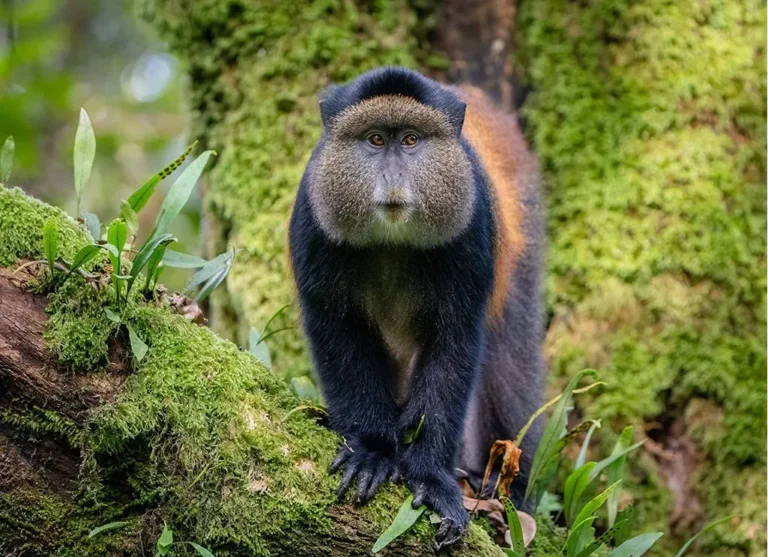
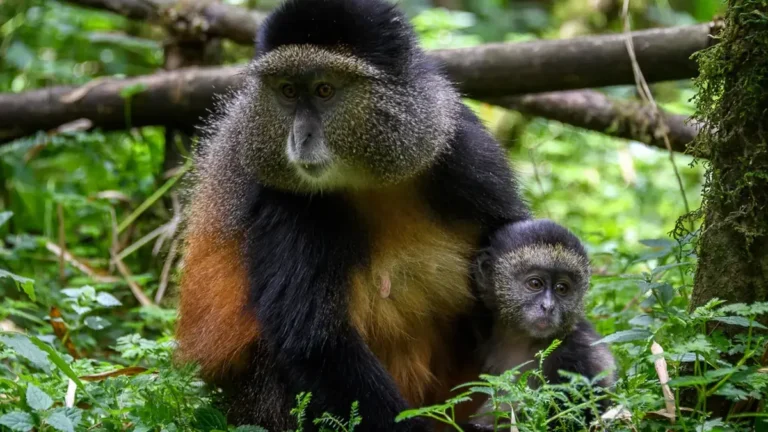
At the top, you will see the remains of Fossey's cabin, the gorilla graveyard and her own grave beside Digit. Along the way, you may see buffalo tracks, birds and sometimes golden monkeys or even gorillas passing through the area. The hike is moderately strenuous because of the altitude and muddy slopes, so good boots and a walking stick help.
Tomb hike permit: US$75 per foreign visitor, with a minimum age of 15. Permits are issued by the Rwanda Development Board, and we book them for you as part of your trip. See our Rwanda gorillas and Dian Fossey tomb hike package.
The Ellen DeGeneres Campus of the Dian Fossey Gorilla Fund
The Dian Fossey Gorilla Fund now has a permanent home near the entrance to Volcanoes National Park in Kinigi. The Ellen DeGeneres Campus opened in 2022 and includes a research centre, conservation gallery, classrooms and interpretive trails that explain gorilla behaviour and the park's habitats. Visitors can learn about Fossey's life and the scientists and trackers who still monitor the gorillas every day. It is an excellent stop before or after your gorilla trek.
Where to See the Gorillas Dian Fossey Studied
Volcanoes National Park, Rwanda
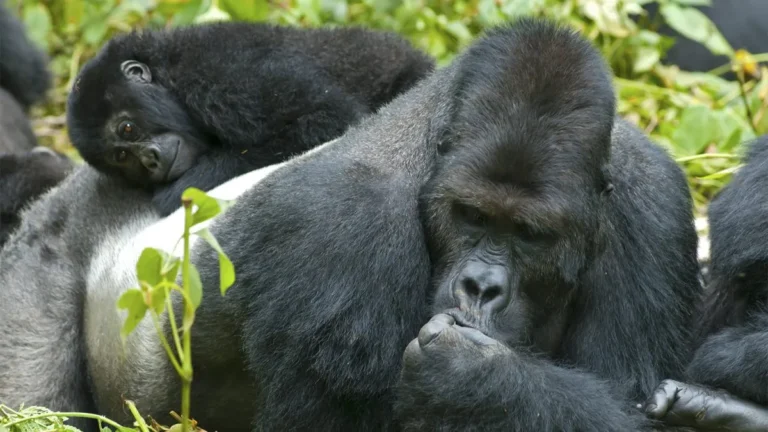
Several of the gorilla families habituated for tourism in Volcanoes National Park are descendants of the groups Dian Fossey knew. The park is about two and a half hours by road from Kigali. A Rwanda gorilla permit costs US$1,500. The park also offers golden monkey tracking, the Mount Bisoke crater hike and the Dian Fossey tomb hike. Read our guide to Rwanda gorilla trekking.
Mgahinga and Bwindi, Uganda
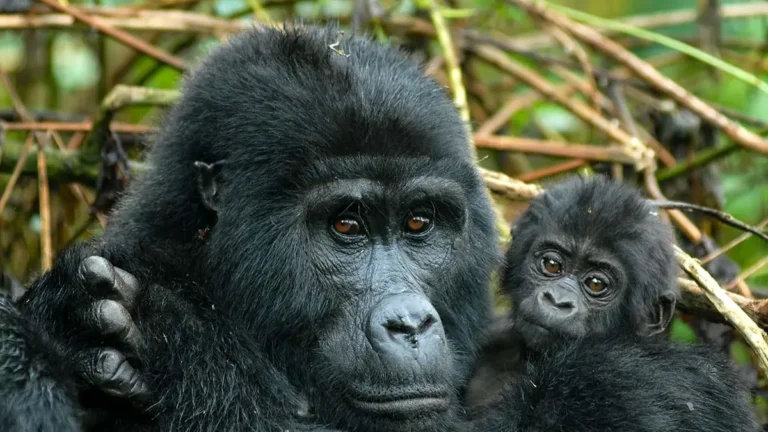
Just across the border, Uganda's Mgahinga Gorilla National Park protects the Ugandan side of the same Virunga Volcanoes, and Bwindi Impenetrable Forest is home to nearly half of the world's mountain gorillas. A Uganda gorilla permit costs US$800, around half the Rwanda price, which makes Uganda the best-value choice for many travellers. You can easily combine a Dian Fossey tomb hike in Rwanda with gorilla trekking in Uganda on one trip. See gorilla trekking in Uganda and our comparison of gorilla safaris in Uganda vs Rwanda.
Planning Your Dian Fossey Trip
- How long: 3 days is enough for gorilla trekking and the tomb hike in Rwanda; add 2 to 4 days to combine with Uganda.
- Best time: the drier months of June to September and December to February, when trails are firmer.
- Fitness: both the gorilla trek and the tomb hike involve steep, muddy walking at altitude. Hire a porter to carry your bag.
- What to pack: waterproof hiking boots, a rain jacket, long sleeves, garden gloves and a walking stick. See our gorilla trekking packing list.
- Book early: gorilla permits sell out in peak months, so book three to six months ahead.
Dian Fossey Tours and Gorilla Safaris
These trips let you see the gorillas she dedicated her life to, and many include the hike to her grave. Each can be adjusted to your dates and budget.
See the Gorillas Dian Fossey Loved
From gorilla permits and the Dian Fossey tomb hike to lodges and transfers, our Kampala team plans every detail across Rwanda and Uganda. Send us your dates for a free quote within 24 hours.
Request a QuoteChat on WhatsApp
UTB Licence UTB/RTT/TT/2025/101877 • Accredited by UWA • Member of AUTO • Rated 4.9 on TripAdvisor