Getting the right vaccinations for Uganda is one of the simplest ways to protect yourself before a Uganda safari. Once your trip is confirmed, it is normal to feel excited and a little anxious about health, especially when friends share conflicting advice. The good news is that with the right vaccines, malaria tablets and a few sensible habits, the health risks for safari travellers are low. At Tulambule Uganda Safaris, we answer health questions from guests every week. This guide explains which vaccinations for Uganda are required, which are recommended, what changed in 2026, and how to stay well on safari and during gorilla trekking.
Vaccinations for Uganda at a glance
| Vaccine or medicine | Who it is for | Notes |
|---|---|---|
| Yellow fever | Recommended for travellers aged 9 months and over | Certificate no longer checked on entry since 2 October 2026, but may be needed for onward travel |
| Routine vaccines | Everyone | MMR, tetanus-diphtheria-pertussis, polio, flu and COVID-19 as advised by your doctor |
| Hepatitis A | Most travellers | Spread through food and water |
| Typhoid | Most travellers | Especially if eating outside lodges or visiting rural areas |
| Hepatitis B | Some travellers | Longer stays, medical work or possible contact with blood |
| Rabies | Some travellers | Long stays, remote travel, cycling, caving or animal contact |
| Meningitis ACWY | Some travellers | Longer stays or close contact with local people, especially December to June |
| Cholera | Some travellers | Aid workers or travel to outbreak areas |
| Malaria tablets | All safari travellers | There is no travel vaccine for malaria, so prevention tablets are advised |
On this page
Is Any Vaccination Required to Enter Uganda?
No. Since 2 October 2026, Uganda's immigration authority no longer requires travellers to show a yellow fever vaccination certificate on arrival, and the requirement has been removed from the eVisa portal. COVID-19 vaccination and test certificates have not been needed since March 2023. However, two points matter for your planning:
- Yellow fever still exists in Uganda. The change removes a document check at the border, not the disease, so health authorities still recommend the vaccine.
- Onward travel may need the certificate. Some countries ask for it from travellers arriving from Uganda, including some neighbours and countries such as India. If you are combining Uganda with Kenya, Tanzania, Zanzibar or Rwanda, or flying home through one of these countries, check their rules and carry your yellow card.
Your vaccinations for Uganda are therefore about protecting your health rather than passing a border check. For the full entry process, see our guide to Uganda visa requirements.
Recommended Vaccinations for Uganda
Diseases that are rare at home because of routine vaccination can be more common in East Africa. Visit your doctor or a travel clinic 6 to 8 weeks before you travel, because some vaccines need more than one dose. These are the vaccinations for Uganda that travel health services most often recommend.
Routine Vaccines
Routine vaccines are the foundation of all vaccinations for Uganda. Make sure yours are up to date, including measles-mumps-rubella (MMR), tetanus-diphtheria-pertussis, polio, the seasonal flu vaccine and COVID-19 if your doctor advises it. Children travelling with you should also be up to date.
Hepatitis A
Hepatitis A spreads through contaminated food and water. The vaccine is well tolerated and gives long-lasting protection, so it is one of the most recommended vaccinations for Uganda for anyone who has not had it before.
Typhoid
Typhoid is another core vaccination for Uganda because it also spreads through food and water. Vaccination is recommended for most travellers, especially if you plan to eat at local restaurants or visit villages and smaller towns. It is available as an injection or as oral capsules.
Hepatitis B, Rabies, Meningitis and Cholera
These vaccinations for Uganda are recommended for some travellers, depending on your plans:
- Hepatitis B: for longer stays, volunteers and medical workers, or anyone who may need medical or dental treatment.
- Rabies: for long stays, remote travel, cycling, caving or work with animals. Never touch or feed monkeys or stray dogs, and wash any bite or scratch with soap and water at once.
- Meningitis ACWY: parts of Uganda fall in Africa's meningitis belt, so the vaccine may be advised for longer stays or close contact with local communities, especially in the dry months from December to June.
- Cholera: mainly for aid workers or travel to areas with an active outbreak. Safe food and water habits protect most safari travellers.
Yellow Fever Vaccine: What You Need to Know
Yellow fever is a viral disease spread by the bite of infected mosquitoes in tropical Africa and South America. Symptoms include fever, headache, muscle pain, nausea and fatigue, and the "yellow" in its name refers to the jaundice that affects some patients. Even without the border check, the yellow fever vaccine remains one of the most important vaccinations for Uganda.
- Timing: as with all vaccinations for Uganda, plan ahead and have it at least 10 days before you arrive. Protection develops in 80 to 100% of people within 10 days and in over 99% within 30 days.
- Certificate: you receive an International Certificate of Vaccination or Prophylaxis (the "yellow card"). Only authorised yellow fever centres can give the vaccine and issue it.
- How long it lasts: according to the World Health Organization, one dose gives lifelong protection for most people, so boosters are rarely needed.
Who should not have it, or should get medical advice first:
- Babies under 9 months old.
- Pregnant or breastfeeding women, unless a doctor advises that the benefit outweighs the risk.
- People with a severe allergy to egg protein.
- People with weakened immune systems, including from cancer treatment or symptomatic HIV, or with a thymus disorder.
Serious side effects are rare, at roughly one in 100,000 doses, and can affect the liver, kidneys or nervous system. The risk is slightly higher for people over 60, so older travellers should discuss it with their doctor. If you cannot have the vaccine, a doctor can give you a medical exemption letter and advise on your other vaccinations for Uganda.
Malaria: The Most Important Risk to Plan For
Malaria is caused by parasites spread by female Anopheles mosquitoes, which bite mainly between dusk and dawn. It is present throughout Uganda, including the safari parks. Risk is lower in cooler high areas such as parts of Bwindi and the Rwenzori Mountains, but it is not zero. With the right precautions, the chance of a safari traveller catching malaria is very low. Malaria is not covered by any of the vaccinations for Uganda listed above, because there is no malaria vaccine for travellers. The two malaria vaccines now in use are for young children living in malaria areas, so prevention for visitors relies on avoiding bites and taking tablets.
1. Avoid Mosquito Bites
- Use an insect repellent containing DEET (20 to 50%), picaridin or another approved ingredient on exposed skin, and reapply after showering or swimming.
- Wear long sleeves and trousers in the evening, ideally in light colours.
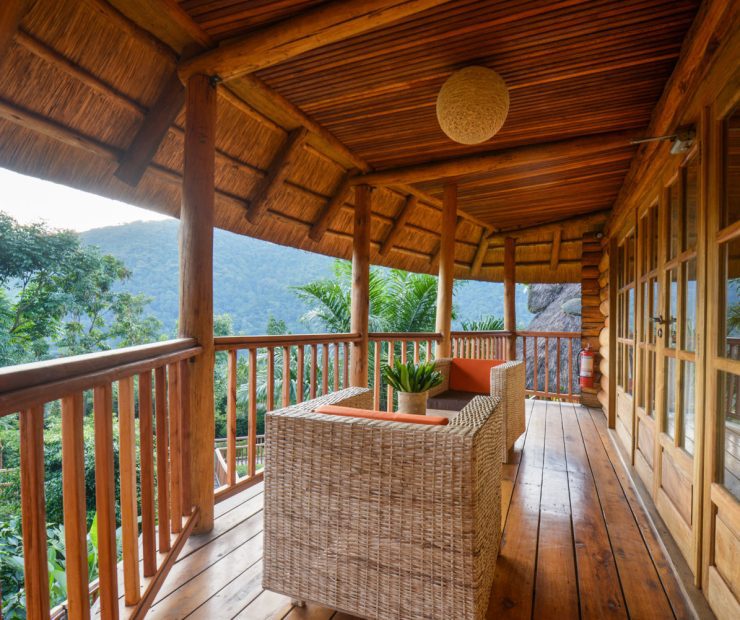
- Sleep under a mosquito net. Almost all safari lodges provide nets, and many rooms are screened.
- Keep tent and room doors closed, and use a fan or air conditioning where available.
- Avoid standing water near your room where mosquitoes breed.
2. Take Antimalarial Tablets
Your doctor will choose the right tablets for you based on your health, age and itinerary. The most common options for Uganda are:
- Atovaquone-proguanil (Malarone): taken daily, starting 1 to 2 days before travel and for 7 days after. Usually very well tolerated.
- Doxycycline: taken daily, starting 1 to 2 days before travel and for 4 weeks after. It can make skin more sensitive to the sun.
- Mefloquine: taken weekly, starting 2 to 3 weeks before travel and for 4 weeks after. Not suitable for everyone.
Chloroquine is not effective in Uganda because the parasites are resistant to it. Pregnant women and parents of young children should take extra care and get specialist advice.
3. Know the Symptoms
Malaria symptoms usually appear 7 days to a few weeks after a bite, but can appear up to a year later. They include fever, chills, headache, body aches, nausea and extreme tiredness. If you feel unwell on safari, tell your guide straight away so we can take you for a quick test. If you develop a fever after returning home, see a doctor urgently and mention that you travelled to Uganda.
Questions about vaccinations for Uganda?
Our Kampala team can tell you which lodges have screened rooms, how far each park is from a good clinic, and what to pack. Ask us anything.
Health Rules for Gorilla Trekking
Mountain gorillas share about 98% of our DNA and can catch human illnesses such as colds and flu, which can be deadly for them. To protect them, the Uganda Wildlife Authority does not allow visitors with signs of illness, such as a cough, cold, fever or diarrhoea, to join a gorilla trek. Rangers check visitors at the briefing, and permits are not normally refunded if you are turned away, which is one more reason to take your vaccinations for Uganda and pre-trip health seriously.
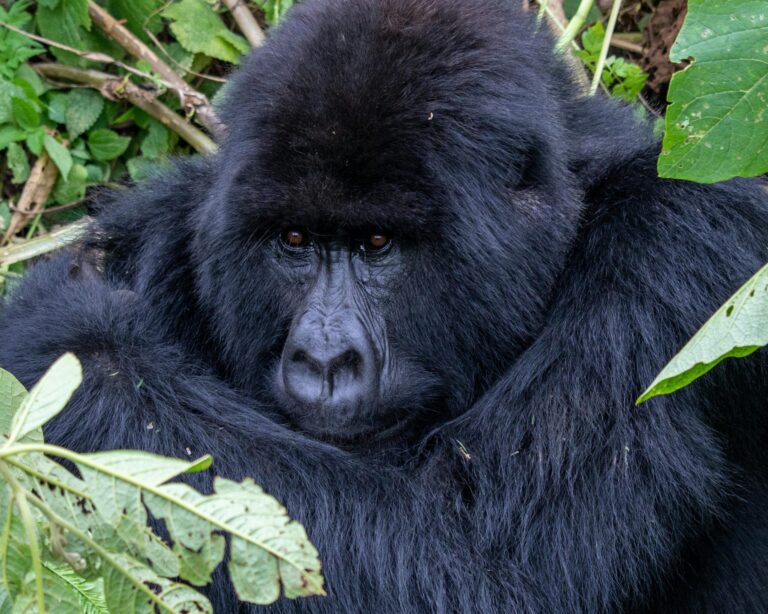
To protect your gorilla permit, stay healthy in the days before your trek, keep your vaccinations for Uganda up to date, and consider a flu vaccine before you travel. On the trek, keep at least 7 metres from the gorillas, turn away if you need to cough or sneeze, and follow your ranger's instructions. Our gorilla trekking packing list covers what to bring.
Ebola and Outbreak Updates
Uganda's 2026 Ebola outbreak, caused by the Bundibugyo virus spreading from the Democratic Republic of the Congo, was declared over on 28 July 2026. Outbreaks continue in the region, so Uganda keeps health screening at its borders. Ebola is not covered by the usual vaccinations for Uganda, and there is currently no approved vaccine for the Bundibugyo strain, so prevention relies on screening and avoiding affected areas. Our safari routes do not enter outbreak zones, and we check official updates daily. For the latest facts and dates, read our Ebola in Uganda safari safety update and our honest guide, Is Uganda safe for safari?
General Health Tips for Your Uganda Safari
- See your doctor early: book 6 to 8 weeks before departure to discuss vaccinations for Uganda, malaria tablets and any existing conditions.
- Get good travel insurance: make sure it covers medical treatment and emergency evacuation, including from remote parks.
- Bring your medicines: pack enough for the whole trip in your hand luggage, in original packaging, with copies of prescriptions and the generic names.
- Pack spares: bring spare glasses or contact lenses, inhalers, diabetes supplies and the everyday remedies you trust, for headaches, stomach upsets and allergies.
- Drink safe water: use bottled or filtered water, which we provide in the safari vehicle, and wash or sanitise your hands before eating.
- Protect yourself from the sun: Uganda sits on the Equator, so use sunscreen, a hat and sunglasses even on cloudy days.
- Tell us your needs: let us know early about special diets, allergies or mobility needs so we can brief every lodge.
- Speak up on safari: if you feel unwell at any stage, tell your guide or lodge manager straight away.
Why Plan Your Safari with Tulambule
Tulambule Uganda Safaris is a licensed, 100% Ugandan-owned operator based in Kampala, planning safaris since 2014. We know which lodges have screened rooms and good nets, where the nearest clinics are on every route, and how to change plans quickly if a guest falls ill. When guests ask us about vaccinations for Uganda, we always point them to a travel clinic first, then help with the practical side. Our guides carry first aid kits and drinking water, and we stay in touch with you throughout your trip. For more planning help, read our Uganda safari guide and the best time to visit Uganda.
Uganda Safari Packages
Once your vaccinations for Uganda are sorted, choose your adventure. Each package includes permits, park fees, transport and an experienced driver-guide, and can be adjusted to your dates and budget.


Travel healthy, travel with confidence
Once your vaccinations for Uganda are booked, send us your dates and wishes, and we will send a free tailor-made Uganda safari quote within 24 hours.
Get a Free QuoteChat on WhatsApp
Licensed by UTB and UWA • Member of AUTO • Rated 4.9 on TripAdvisor