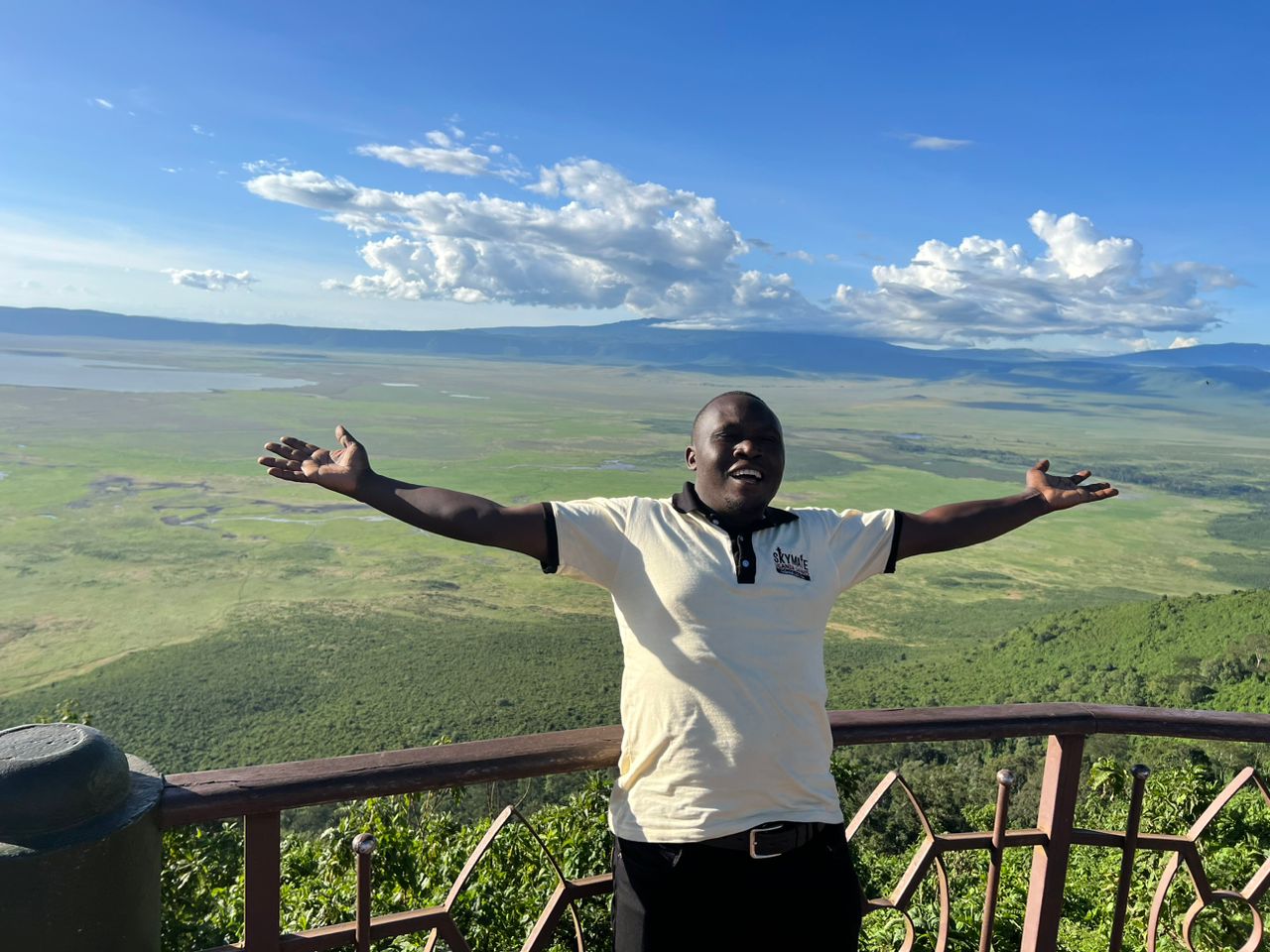
Is Uganda safe for safari? For most travellers on a well-planned, operator-led trip, yes. But "safe" deserves an honest answer, not a sales line. Uganda has real risks, including rough roads, petty crime in Kampala, malaria and a security threat near the Congo border, and travel advisories have tightened in 2026.
We run safaris in Uganda every week. Our driver-guides drive these roads and our guests sleep in these lodges. This guide sets out what the risks actually are, what the latest advisories say, and how a careful itinerary keeps you on the safe side of all of them.
Is Uganda Safe for Safari? The Short Answer
Yes, for the great majority of visitors who travel with a licensed operator, use daylight road travel and follow their guide. Thousands of travellers visit Bwindi, Kibale, Queen Elizabeth and Murchison Falls every year without any trouble, and Ugandans are famously welcoming to visitors.
At the same time, you should not ignore the warnings. The United States currently has a Level 4 "Do Not Travel" advisory for Uganda, the UK warns of a terrorism threat, and a serious attack on tourists did happen in Queen Elizabeth National Park in 2023. The sections below explain each risk, how big it really is, and what you and your operator can do about it.
What Travel Advisories Say Right Now
Before deciding whether Uganda is safe for safari for you, read your own government's advice, both when you book and again before you fly. As of November 2026:
- United States: the US State Department raised Uganda to Level 4, "Do Not Travel", in June 2026, citing crime, health, terrorism and unrest. It kept that rating in November 2026, even though Uganda declared its Ebola outbreak over.
- United Kingdom: the UK Foreign Office says terrorists are very likely to try to carry out attacks in Uganda, asks visitors to avoid large gatherings, and advises particular caution in western areas near the border with the Democratic Republic of Congo.
An advisory is not a ban, and many travellers still visit Uganda. What it does affect is your travel insurance. Some policies will not cover a trip to a country under a "Do Not Travel" rating, so confirm your cover in writing before you pay for anything.
So is Uganda safe for safari under a Level 4 rating? Our guests continue to travel, but the decision is yours, and it should be an informed one. We follow these advisories closely and plan every route around Uganda Wildlife Authority (UWA) and police guidance. If something changes before your trip, we tell you straight away and adjust the plan.
Is Uganda Safe for Safari in the National Parks?
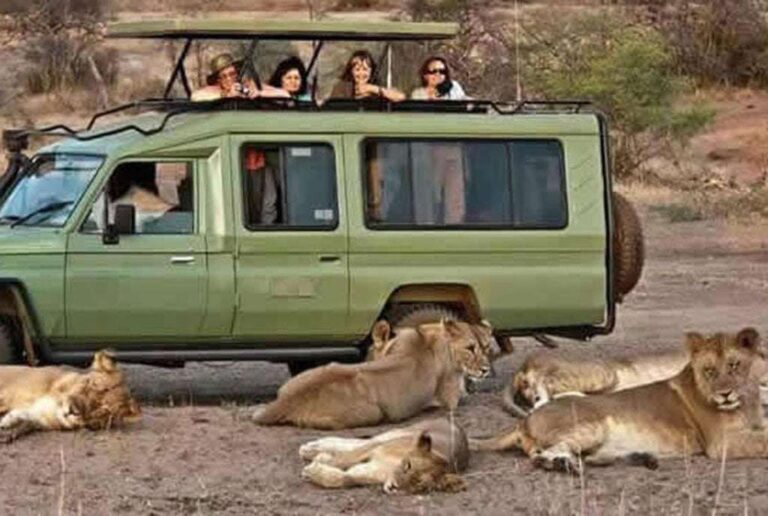
Is Uganda safe for safari once you are inside the parks? This is where you will spend almost all of your trip. Parks are run by UWA, game drives and treks are led by trained rangers, and lodges have their own security staff. Here is what to know park by park.
| Park | What to know about safety |
|---|---|
| Bwindi Impenetrable | Armed rangers lead every gorilla trek. The main risk is a steep, muddy trail, so fitness and good boots matter most. |
| Mgahinga | A small, quiet park with ranger-led gorilla and golden monkey treks. |
| Kibale | Chimp treks on marked forest trails with UWA guides. Follow the distance rules around the chimps. |
| Queen Elizabeth | The park of the 2023 attack. Security was stepped up afterwards. We plan routes and timings with current UWA and police guidance and avoid late driving. |
| Murchison Falls | Busy, well-patrolled and far from the western border. Boats carry life jackets. |
| Lake Mburo | Small and close to Kampala. Walking safaris are always led by armed rangers. |
| Kidepo Valley | Very remote. Travel with an operator, or fly in, rather than driving alone through Karamoja. |
The 2023 Queen Elizabeth Attack
An honest guide to whether Uganda is safe for safari has to mention it. In October 2023, ADF rebels killed a British and South African honeymoon couple and their Ugandan guide on a road inside Queen Elizabeth National Park. It shocked the whole industry.
The government responded with more army, police and UWA security in the area, and tourism in the park continued. Attacks on tourists remain very rare, but the risk near the Congo border is real, which is why we plan western routes carefully and never drive in the park after dark.
Wildlife Safety
Many first-timers asking "is Uganda safe for safari?" really mean "will an animal hurt me?" Wildlife incidents involving tourists are extremely rare and almost always happen when someone breaks the rules.
- You stay inside the vehicle on game drives, except at designated stops.
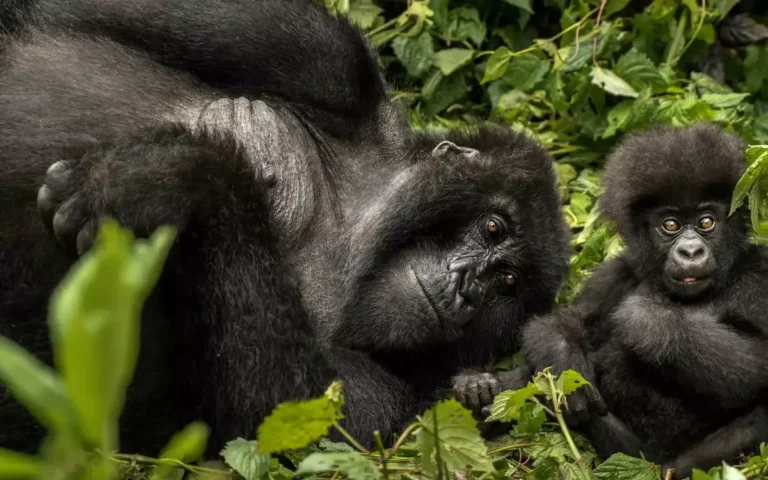
- On gorilla treks, rangers keep you at a safe distance and brief you on how to behave.
- Many lodges are unfenced, so animals may wander past at night. Use the escort to your room after dark.
- Never approach, feed or try to touch a wild animal, however calm it looks.
For a closer look at primate encounters, read our guide: is gorilla trekking safe?
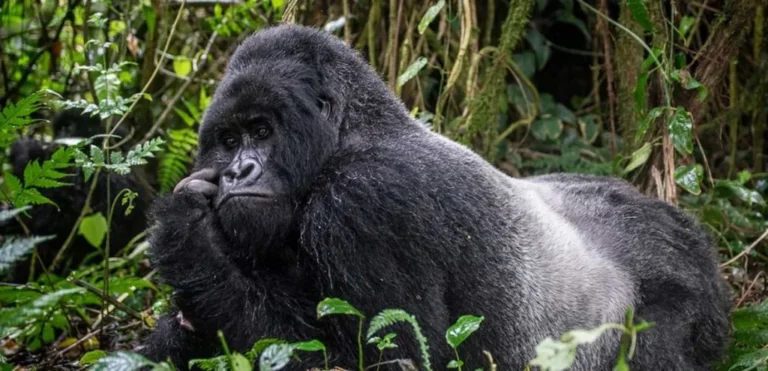
Road Safety: The Real Everyday Risk
Ask our guides "is Uganda safe for safari?" and most will tell you the road is the part to respect. If something goes wrong on a Uganda safari, it is most likely to happen on the road. Distances are long, some sections are unpaved, and drivers, especially boda boda motorbike taxis and heavy trucks, can be reckless.
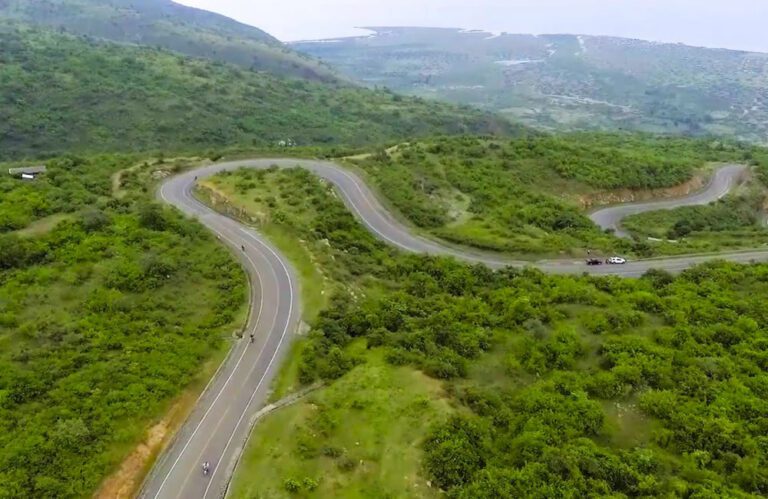
Here is how we manage it:
- Daylight only: we never drive between parks after dark, when potholes, animals and unlit vehicles are hardest to see.
- Proper vehicles: well-maintained 4x4 safari vehicles with experienced driver-guides who know each route.
- Realistic timings: Kampala to Bwindi takes 8 to 10 hours, so we split long drives and build in buffer time.
- Fly where it makes sense: a Uganda fly-in safari cuts long drives to about an hour in the air.
Prefer to drive yourself? Our self drive safari in Uganda lets you drive to the park while we handle everything from the gate. Only choose it if you are confident on African roads, and stick to daylight hours.
Crime in Kampala and Entebbe
When people ask "is Uganda safe for safari?" they often picture crime. Violent crime against tourists is rare. The crime you are most likely to meet is opportunistic: pickpocketing in crowded markets, phone snatching and car break-ins in Kampala.
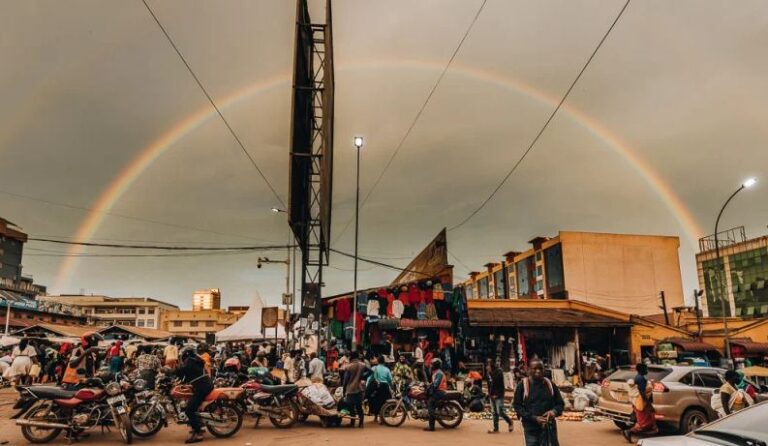
- Keep your phone off restaurant tables and car windows closed in traffic.
- Avoid walking alone at night in unlit areas, and use a known driver or app taxi.
- Leave your passport and spare cash in the hotel or lodge safe, and carry a copy.
- Avoid demonstrations and large crowds, in line with UK and US advice.
- At Entebbe Airport, use uniformed porters only. Unofficial "helpers" may demand a fee.
Many safaris barely touch Kampala. From Entebbe you can head straight to the parks, and once you are on safari, street crime is almost non-existent.
Is Uganda Safe for Safari for Solo and Female Travellers?
Is Uganda safe for safari if you travel alone? Yes, with sensible precautions. English is widely spoken, people are helpful, and most solo women who travel with an operator tell us they felt safe and well looked after.
- Dress modestly in towns and villages, covering shoulders and knees.
- Use your safari driver-guide for all transport rather than public transport.
- Choose lodges with good security and attentive staff.
- Share your itinerary with someone at home and buy a local MTN or Airtel SIM card.
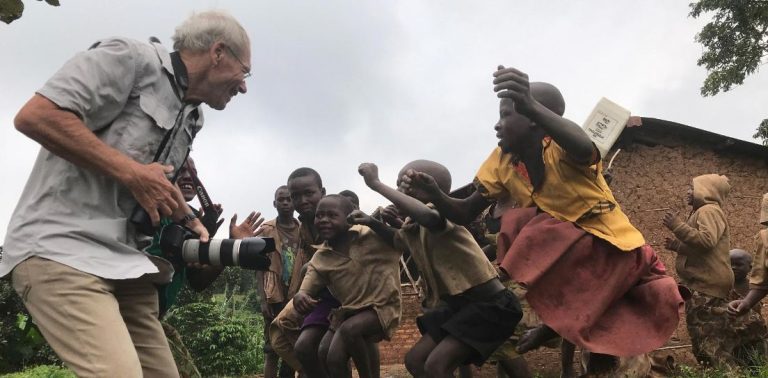
Travelling alone? Joining a shared departure means company and lower costs. See our Uganda group tours. Older travellers can read our guide to Uganda safaris for elderly travellers.
Have a specific safety question?
Tell us your dates, route and concerns. We will give you an honest answer based on the latest advisories and what our guides see on the ground.
Health: Malaria, Vaccines, Water and Food
Is Uganda safe for safari from a health point of view? Health is a bigger day-to-day concern than crime. The good news is that it is very manageable with the right preparation.
Malaria
Malaria is present across most of Uganda all year, with lower but not zero risk in high areas like Bwindi. See a travel doctor six to eight weeks before you fly about antimalarial tablets, use repellent, wear long sleeves in the evening and sleep under the mosquito net.
Vaccines
| Vaccine | Status |
|---|---|
| Yellow fever | Since October 2026 the certificate is no longer checked as a condition of entry, but health authorities such as the CDC still recommend the vaccine for Uganda, and you may need the certificate for your next country. Ask your travel clinic. |
| Hepatitis A and typhoid | Commonly recommended (food and water) |
| Hepatitis B | Often recommended |
| Routine vaccines | Make sure tetanus, polio and MMR are up to date |
Water and Food
Do not drink tap water in Uganda. Bottled or filtered water is cheap, and most lodges provide it free in your room and on game drives. Use it to brush your teeth too, especially in towns.
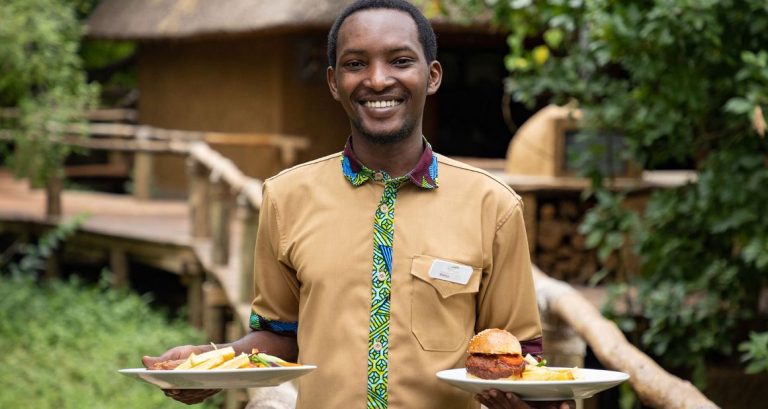
Food at safari lodges is generally excellent and hygienic. In towns, choose busy, reputable places and avoid unpasteurised dairy, unpeeled fruit and undercooked meat. Buy travel insurance that includes medical evacuation: Kampala has good private hospitals, but clinics near the parks are basic.
Ebola: Where Things Stand
Ebola is often the first thing people mention when they ask is Uganda safe for safari. Uganda declared its 2026 Ebola outbreak over in July 2026 after 42 days without a new case, and safari parks stayed open throughout. An outbreak continues in neighbouring Congo, which is one reason the US advisory remains high.
For the latest detail, read our Uganda travel advisory on Ebola and our park-by-park Ebola safety update.
Politics and Elections
Politics rarely changes the answer to "is Uganda safe for safari?" Uganda's last general elections took place in January 2026. Election periods can bring protests and tighter security in Kampala, but they have not historically affected the national parks. Outside election time, daily life is calm.
The old images that still shape Uganda's reputation are long out of date. Idi Amin lost power in 1979, and the LRA conflict in the north ended about two decades ago.
Is Uganda Safe for Safari Compared With Its Neighbours?
All of East Africa's safari countries share similar everyday issues: petty crime in the capitals, road risk and malaria. Rwanda is often seen as the most orderly, while Uganda, Kenya and Tanzania are broadly comparable for safari-goers who travel with an operator. Advisory levels differ by country and change often, so check them for each country on your route.
Comparing destinations? Read is Rwanda safe to visit?, Uganda vs Kenya safari and Uganda vs Tanzania safari.
Outdated Fears vs Reality
Many of the doubts behind the question "is Uganda safe for safari?" come from history, not from today.
| The fear | The reality today |
|---|---|
| "Idi Amin's Uganda" | He left power in 1979. Modern Uganda is a very different country. |
| "Rebels in the north" | The LRA war ended about two decades ago. Kidepo is visited safely with operators. |
| "Ebola everywhere" | Outbreaks are localised. Uganda declared its 2026 outbreak over in July. |
| "Animals will attack" | Incidents are extremely rare when you follow your guide. |
| "There is no risk at all" | Also wrong. Road safety, petty crime and the threat near the Congo border are real, and worth planning for. |
Practical Safety Checklist
Use this checklist and the answer to "is Uganda safe for safari?" becomes much easier.
Before You Go
- Read your government's latest advisory and register with your embassy (US citizens can use STEP).
- Buy travel insurance with medical evacuation, and confirm it covers Uganda under the current advisory.
- See a travel clinic about malaria tablets and vaccines.
- Scan your passport and visa, and email copies to yourself.
- Download offline maps and read our guide to staying connected on a safari.
On the Ground
- Travel by day and let your driver-guide plan the route.
- Keep valuables in the lodge safe and carry a passport copy.
- Drink bottled or filtered water only.
- Avoid large gatherings and demonstrations.
- Listen to your guide and rangers, especially around wildlife.
Emergency Numbers
- Police and emergencies: 999 or 112
- Tulambule Uganda Safaris, for our guests: +256 782 915 447
How We Keep Our Guests Safe
Choosing the right operator is the single biggest thing you can do to make sure Uganda is safe for your safari. Here is what we do on every trip.

- Licensed and accountable: we are licensed by the Uganda Tourism Board, recognised by UWA and a member of AUTO.
- Experienced driver-guides: they know every route, every park and when to change plans.
- Daylight travel and buffer time built into every itinerary.
- Trusted lodges that we visit and know personally.
- Live route planning: we follow UWA, police and embassy updates and adjust routes when needed.
- A team on call in Kampala throughout your safari.
Planning your first trip? Our guide to travel to Uganda covers visas, money and what to expect, and our best time to visit Uganda for safari guide helps you choose your dates.
Final Verdict: Is Uganda Safe for Safari?
Is Uganda safe for safari? For most travellers, yes. The parks are well run, rangers lead the key activities, and violent crime against tourists is rare. The real risks are road travel, malaria, petty crime in the city and the security threat near the Congo border, and all of them are manageable with good planning.
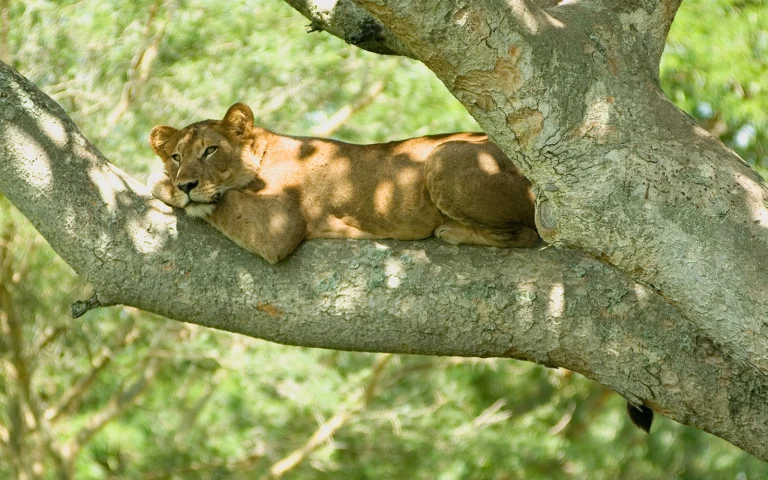
Read the latest advisory, check your insurance, travel with a licensed operator and follow your guide. Do that, and the gorillas, chimps and tree-climbing lions are well worth the trip.
Safaris We Plan With Safety in Mind
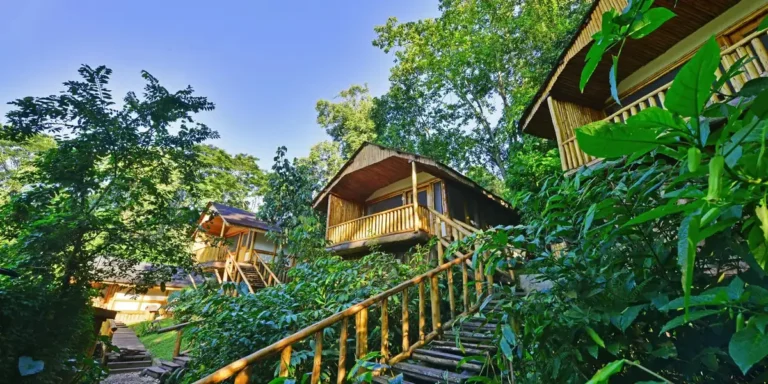
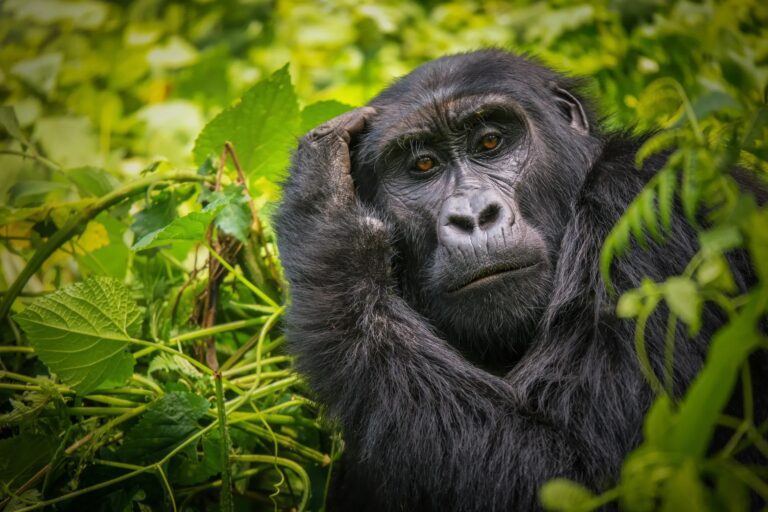
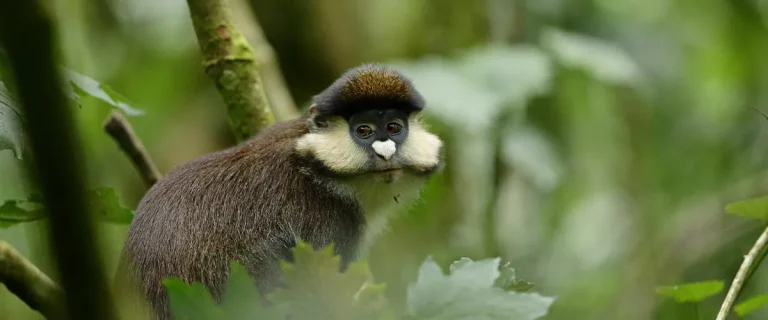
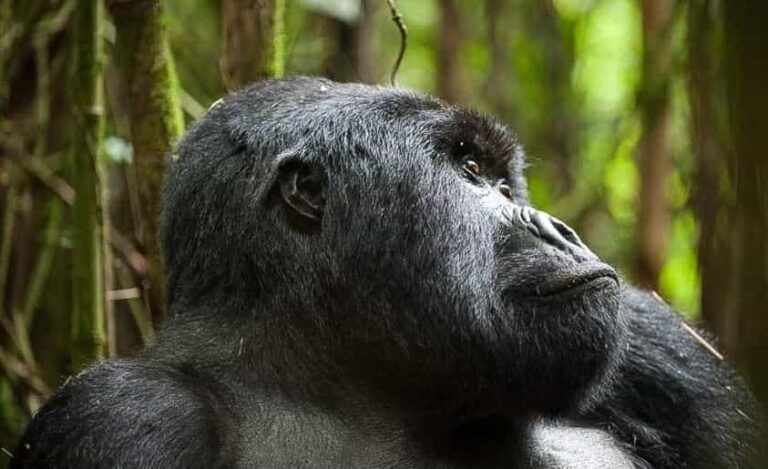
If you have decided Uganda is safe for safari and your plans, these trips are a good place to start. Each uses daylight travel, trusted lodges and experienced guides. The fly-in options cut road time to a minimum.
Travel Uganda with people who know it
Send us your dates and questions. We will plan a safe, well-paced safari and send you a free, tailor-made quote.
Get a Free QuoteChat on WhatsApp
Licensed by UTB and UWA • Member of AUTO • Rated 4.9 on TripAdvisor