If you are wondering whether to visit Uganda, here is the short answer: few countries in Africa pack so much into one trip. In a single journey you can trek mountain gorillas, watch tree-climbing lions, cruise the Nile beneath a thundering waterfall, raft world-class rapids and meet some of the friendliest people on the continent.
Winston Churchill called Uganda "the Pearl of Africa", and the name still fits. The country is home to around half of the world's mountain gorillas, more than 1,000 bird species, the snow-capped Rwenzori Mountains, the source of the Nile and more than 50 ethnic groups with their own languages, music and food.
In this guide, our team at Tulambule, a Ugandan-owned tour operator, shares 7 powerful reasons to visit Uganda, along with the best time to go, how to get there and sample itineraries to help you plan.
Uganda at a Glance
| Capital | Kampala (international airport at Entebbe) |
| Famous for | Mountain gorillas, chimpanzees, tree-climbing lions, the source of the Nile |
| National parks | 10, managed by the Uganda Wildlife Authority |
| Birds | More than 1,000 species, including the shoebill |
| Gorilla permit | US$800 (US$600 in April, May and November) |
| Best time to visit | June to September and December to February |
| Visa | E-visa online; the East Africa Tourist Visa (US$100) also covers Rwanda and Kenya |
1. Unmatched Wildlife and Nature
Wildlife is the number one reason people visit Uganda. The country sits where the East African savannah meets the West African rainforest, so you can see an amazing range of animals in a small area. Uganda has more than 340 mammal species, over 1,000 bird species and some of the rarest primates on earth.
Gorilla Trekking in Bwindi and Mgahinga
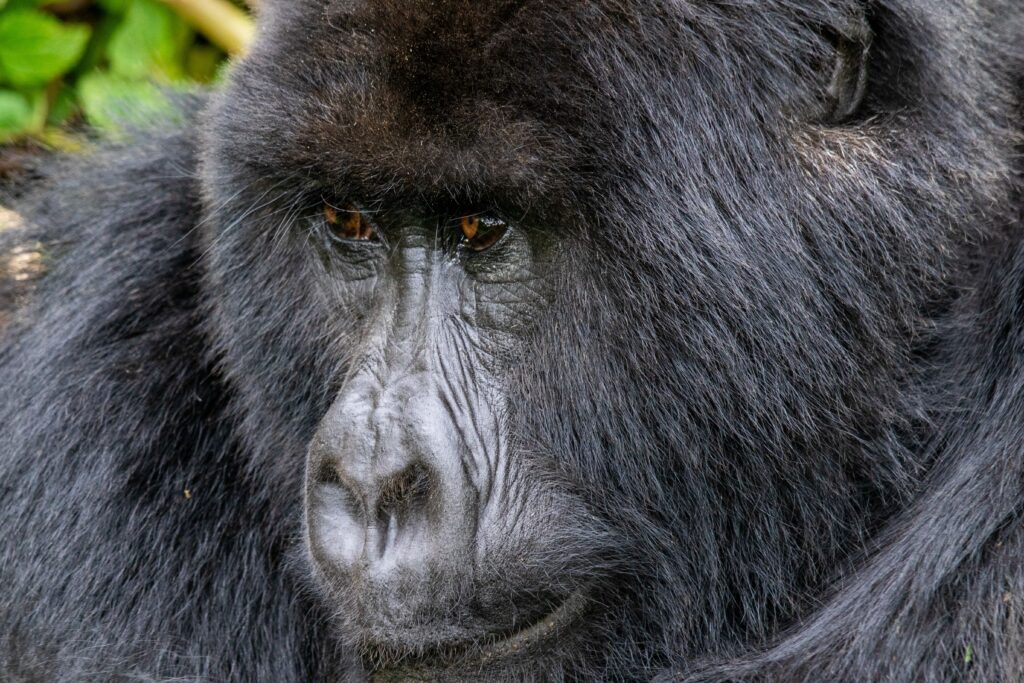
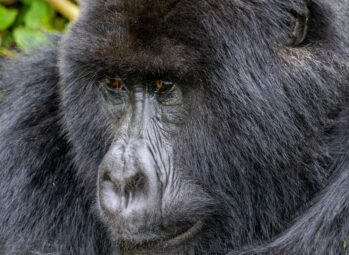
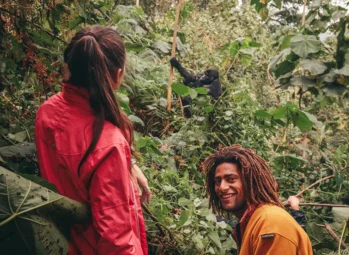
Around half of the world's mountain gorillas live in Bwindi Impenetrable National Park, a UNESCO World Heritage Site, and in Mgahinga Gorilla National Park. Walking through ancient rainforest to spend an hour with a gorilla family is one of the most powerful wildlife experiences on earth.
Uganda is also the best-value place to do it. A Uganda gorilla permit costs US$800, compared with US$1,500 in Rwanda, and Uganda has more habituated gorilla families to choose from. See our guide to gorilla trekking permits in Uganda.
Chimpanzees and Primates
Kibale Forest National Park has one of the highest densities of primates in Africa, with 13 species including about 1,500 chimpanzees. Chimpanzee tracking here is one of the most reliable in the world, and a permit costs US$250. Read more in our guide to chimpanzee trekking in Uganda.
Big Game Safaris Without the Crowds
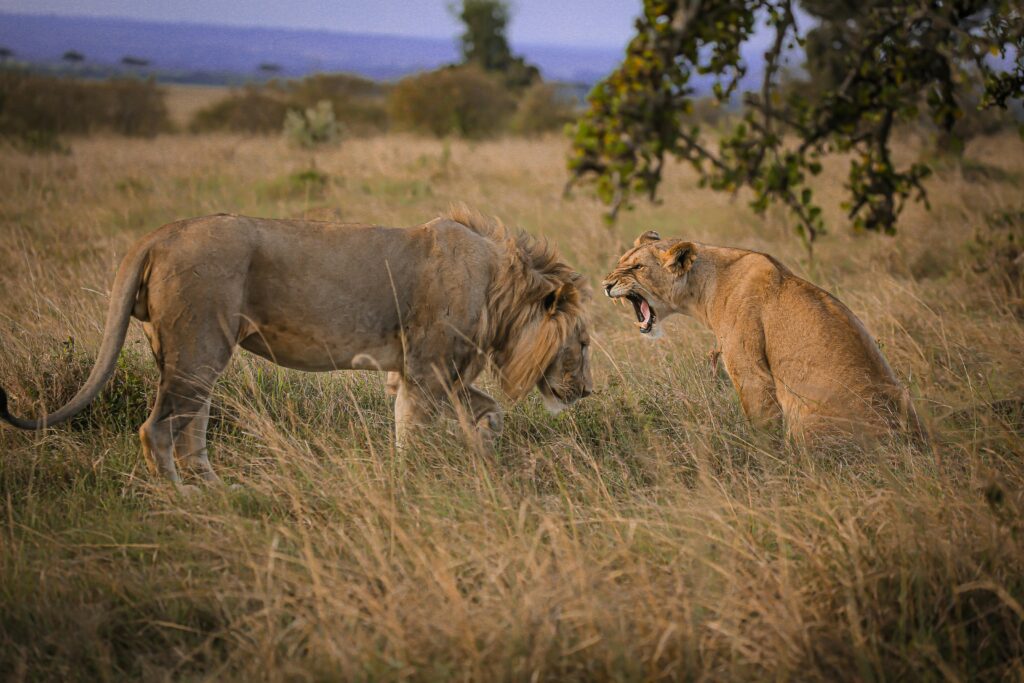
In Queen Elizabeth National Park, you can see the famous tree-climbing lions of Ishasha, elephants, buffalo, leopards and huge numbers of hippos on the Kazinga Channel. You can even join researchers for a lion tracking experience.
Murchison Falls National Park, Uganda's largest national park, combines game drives with giraffes, lions and elephants and a boat trip to the foot of the falls. For true wilderness, Kidepo Valley National Park in the far north-east is one of Africa's most remote and beautiful parks. You can also track white rhinos on foot at Ziwa Rhino Sanctuary.
A Birdwatcher's Paradise
With more than 1,000 recorded species, Uganda is one of the best birding countries in Africa. The star is the prehistoric-looking shoebill, best seen by canoe in Mabamba Swamp near Entebbe. Other hotspots include Bwindi, with its Albertine Rift endemics, Lake Mburo, Kibale and Murchison Falls. See our Uganda birding tours.
2. Conservation and Responsible Tourism
When you visit Uganda, your trip makes a real difference. Park fees and permits fund the rangers, research and community projects that protect Uganda's wildlife.
A Gorilla Success Story
In the early 1980s, the mountain gorillas of the Virunga volcanoes had fallen to around 250. Thanks to strong protection, gorilla tourism and community support, there are now more than 1,000 mountain gorillas, and the subspecies was moved from Critically Endangered to Endangered in 2018.
A share of every Uganda gorilla permit goes to communities living around the parks, funding schools, health centres and clean water. This gives local people a real reason to protect the gorillas.
Community-Based Tourism
Many lodges, guides and cultural experiences in Uganda are run by local people. Staying in community lodges, hiring a porter on your trek, buying crafts or joining a village walk all put money directly into local hands. The Batwa, the former forest people of Bwindi and Mgahinga, now share their traditions with visitors through cultural experiences they run themselves.
Protected Areas Across the Country
Uganda protects its wildlife in 10 national parks and many wildlife reserves, all managed by the Uganda Wildlife Authority. Visitor fees help pay for anti-poaching patrols, habitat protection and wildlife monitoring, from the savannahs of the north to the rainforests of the west.
3. Rich Culture and Living Traditions
To visit Uganda is to meet one of Africa's most diverse countries. More than 50 ethnic groups live here, each with its own language, music, dance and traditions.
Peoples and Traditions
From the Baganda kingdom around Kampala to the pastoral Karamojong in the north-east, Uganda's cultures are proud and alive. Watch the energetic Bakisimba dance of Buganda, learn about the Imbalu circumcision ceremony of the Bagisu near Mount Elgon, or enjoy a performance at the Ndere Cultural Centre in Kampala, which showcases music and dance from across the country.
Heritage Sites
The Kasubi Tombs in Kampala, burial place of the kings of Buganda, are a UNESCO World Heritage Site and a masterpiece of traditional thatched architecture. Uganda's other UNESCO sites, Bwindi and the Rwenzori Mountains, are natural treasures with deep cultural meaning for local communities, including the Bakonzo of the Rwenzoris.
Authentic Encounters
Cultural visits in Uganda feel genuine rather than staged. Our Uganda cultural safaris include village walks, homestays, Batwa experiences and visits to local markets, all arranged with communities so that your visit benefits them directly.
4. Warm and Welcoming People
Ask anyone who has come to visit Uganda what they remember most, and many will say the people. Ugandans are famous across Africa for their friendliness, humour and hospitality.
Whether you are in busy Kampala or a quiet village near the gorilla forests, you will be greeted with smiles and a warm "you are welcome". English is an official language and widely spoken, which makes it easy to chat, ask questions and make friends.
Many of your guides, drivers, porters and lodge staff will come from the communities you visit. Their knowledge and pride in their country turn a holiday into a real connection with Uganda and its people.
5. Delicious Ugandan Food
When you visit Uganda, you will find that its fertile soils produce some of the freshest food in Africa, and trying local dishes is a highlight of any visit. Must-try foods include:
- Rolex: Uganda's famous street snack, an omelette with vegetables rolled in a warm chapati.
- Matoke: steamed and mashed green bananas, often served with groundnut sauce or stew.
- Luwombo: chicken, beef, fish or mushrooms slow-cooked in banana leaves.
- Posho: a firm maize meal, eaten with beans or stew.
- Fresh tropical fruit: sweet pineapples, mangoes, passion fruit and tiny sweet bananas.
Uganda is also one of Africa's leading coffee producers. On a coffee tour near Sipi Falls or in the south-west, you can pick, roast and taste coffee with the farmers who grow it.
6. Stunning and Varied Landscapes
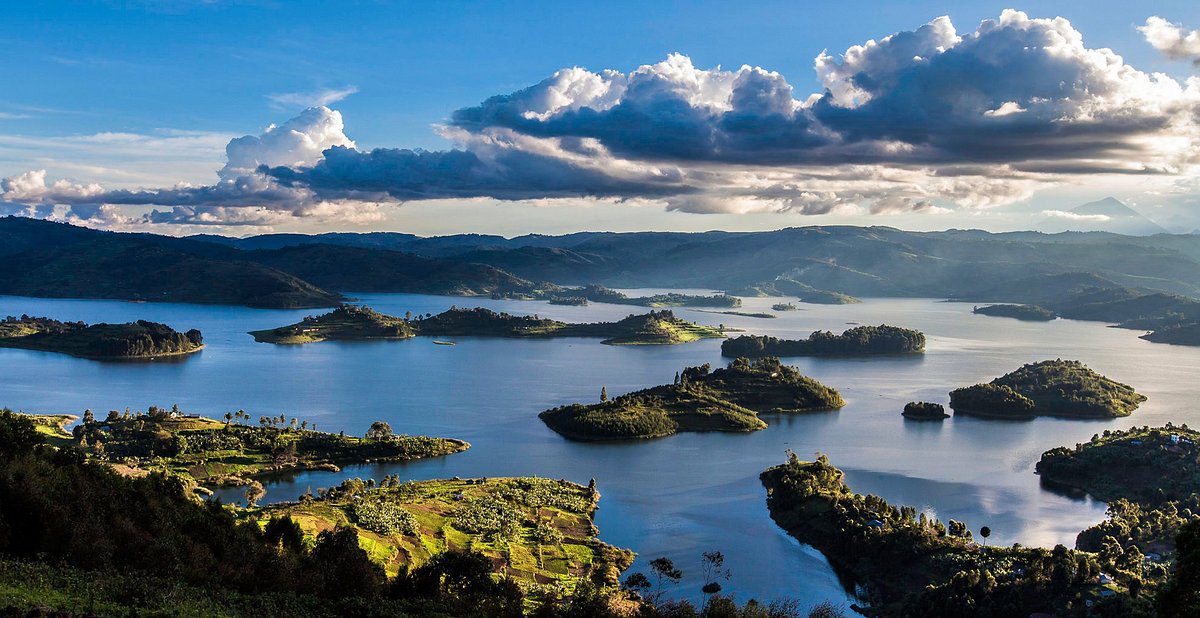
Few countries offer so many landscapes in such a small area. When you visit Uganda, you can see:
- The Rwenzori Mountains: the "Mountains of the Moon", with glaciers and snow near the equator.
- Lake Victoria: Africa's largest lake, shared with Kenya and Tanzania.
- The Source of the Nile at Jinja: where the world's longest river begins its journey north.
- Lake Bunyonyi: a peaceful highland lake with 29 islands, perfect after a gorilla trek.
- Sipi Falls and Mount Elgon: waterfalls, coffee farms and hikes in the east.
- Savannahs: the golden plains of Queen Elizabeth, Murchison Falls and Kidepo.
Adventure lovers can go white-water rafting on the Nile in Jinja, hike volcanoes in Mgahinga, canoe on Lake Bunyonyi or abseil beside Sipi Falls.
7. Safe, Accessible and Great Value
A Welcoming Destination
Thousands of international travellers visit Uganda every year, and its national parks and main tourist routes are well managed and safe. Park rangers are highly trained, and travelling with a licensed operator and an experienced driver-guide makes your trip smooth and secure. As anywhere, follow local advice, and read our latest Uganda safari safety update before you travel.
Easy to Reach
Entebbe International Airport is served by direct and one-stop flights from Europe, the Middle East and across Africa. From Entebbe, good roads and domestic flights to airstrips such as Kihihi, Kisoro and Kasese connect you to the main parks. Many visitors apply for the East Africa Tourist Visa, which costs US$100 and also covers Rwanda and Kenya.
Excellent Value
Compared with many safari countries, it costs less to visit Uganda for the same quality of experience. Gorilla permits cost far less than in Rwanda, and lodges range from simple community guesthouses to luxury forest lodges, so there is something for every budget. See our budget Uganda safaris for affordable ideas.
Uganda vs Rwanda vs Kenya: Which Should You Visit?
Many travellers compare Uganda with its neighbours. Here is how they stack up:
| Feature | Uganda | Rwanda | Kenya |
|---|---|---|---|
| Mountain gorillas | Yes, US$800 permit | Yes, US$1,500 permit | No |
| Chimpanzees | Excellent (Kibale) | Yes (Nyungwe) | Sanctuary only |
| Big game safaris | Good and uncrowded | Limited (Akagera) | Excellent but busy |
| Tree-climbing lions | Yes (Ishasha) | No | Rare |
| Birding | 1,000+ species | 700+ species | 1,000+ species |
| Overall value | Excellent | High-end | Good |
If you want gorillas, chimpanzees and classic savannah wildlife in one trip at the best value, it makes the most sense to visit Uganda. Many guests also add a few days in Rwanda or a beach stay in Zanzibar, and the East Africa Tourist Visa makes combining Uganda, Rwanda and Kenya easy.
Tips for Your First Visit to Uganda
- Book gorilla permits early: they sell out months ahead in June to September and December to February.
- Get a yellow fever vaccination: a certificate is required to enter Uganda.
- Take malaria precautions: speak to your doctor about tablets, and use repellent in the evenings.
- Pack layers: mornings in the hills and forests are cool, while savannah afternoons are hot.
- Carry some cash: US dollars (newer notes, printed 2009 or later) and Uganda shillings are useful for tips and small purchases.
- Travel with a driver-guide: distances are long, and a local guide makes game drives and logistics far easier.
Best Time to Visit Uganda
You can visit Uganda all year round, and each season has its own appeal. The two dry seasons, from June to September and December to February, are the most popular. Trails are firmer for gorilla and chimpanzee trekking, and animals gather near water, which makes game viewing easier.
The wetter months, March to May and October to November, bring green scenery, fewer visitors and lower prices. In April, May and November, Uganda gorilla permits drop to US$600, although these discounted permits cannot be rescheduled.
Sample Itineraries to Visit Uganda
Here are three popular ways to visit Uganda. Prices are a guide per person, based on two people sharing, and every trip can be tailored to your dates and budget.
1. Classic Wildlife and Gorilla Safari (8 Days)
From US$2,640 per person
- Day 1: Arrive at Entebbe and relax at your hotel.
- Day 2: Drive to Lake Mburo National Park for an afternoon game drive.
- Day 3: Continue to Bwindi Impenetrable National Park.
- Day 4: Gorilla trekking, then an afternoon community walk.
- Day 5: Drive through Ishasha to look for tree-climbing lions, then on to Queen Elizabeth National Park.
- Day 6: Morning game drive and afternoon Kazinga Channel boat cruise.
- Day 7: Return towards Kampala, with an evening at the Ndere Cultural Centre.
- Day 8: Transfer to Entebbe for your flight home.
2. Culture and Nature Explorer (10 Days)
From US$3,360 per person
- Day 1: Arrive at Entebbe and transfer to Kampala.
- Day 2: Kampala city tour, including the Kasubi Tombs and craft markets.
- Day 3: Drive to Jinja for the Source of the Nile and a sunset cruise.
- Day 4: White-water rafting or a relaxed day of village and nature walks in Jinja.
- Day 5: Drive to Murchison Falls via Ziwa Rhino Sanctuary to track rhinos on foot.
- Day 6: Game drive and boat cruise to the foot of Murchison Falls.
- Day 7: Fly to Kidepo Valley National Park for an afternoon game drive.
- Day 8: Full day in Kidepo, including a visit to a Karamojong homestead.
- Day 9: Fly back to Entebbe for a relaxing afternoon by Lake Victoria.
- Day 10: Transfer to the airport for departure.
3. Birding and Primates Adventure (7 Days)
From US$2,040 per person
- Day 1: Arrive at Entebbe and visit Mabamba Swamp by canoe to look for the shoebill.
- Day 2: Drive to Kibale Forest National Park.
- Day 3: Chimpanzee tracking, then birding in Bigodi Wetland Sanctuary.
- Day 4: Drive to Queen Elizabeth National Park for an afternoon game drive.
- Day 5: Birding and a Kazinga Channel boat cruise.
- Day 6: Drive to Lake Mburo for birding and a boat trip.
- Day 7: Return to Entebbe for your flight home.
FAQs About Visiting Uganda
Why should I visit Uganda?
Uganda offers gorilla trekking, chimpanzee tracking, tree-climbing lions, Nile boat safaris, white-water rafting and rich culture in one compact country, at better value than many other safari destinations.
Is Uganda safe to visit?
Yes. Uganda's national parks and main tourist routes are generally safe and well managed. Travel with a licensed tour operator and follow local advice, as you would anywhere.
What is the best time to visit Uganda?
The best time to visit Uganda is during the dry seasons, from June to September and December to February, when trekking and game viewing are easiest.
How much does a gorilla permit cost in Uganda?
A Uganda gorilla trekking permit costs US$800 per person, or US$600 in April, May and November. In Rwanda, a permit costs US$1,500.
Do I need a visa to visit Uganda?
Most visitors need a visa, which you can apply for online before you travel. The East Africa Tourist Visa, at US$100, also covers Rwanda and Kenya.
How many days do I need in Uganda?
Seven to ten days is ideal to see gorillas, chimpanzees and a savannah park. With two weeks, you can add Murchison Falls, Kidepo or Lake Bunyonyi.
Plan Your Trip to Uganda With Tulambule
Gorillas, chimps, lions, waterfalls, mountains and some of the warmest people in Africa: there are endless reasons to visit Uganda, and every trip is different.
Tulambule Uganda Safaris is a licensed, 100% Ugandan-owned tour operator, accredited by the Uganda Tourism Board and the Uganda Wildlife Authority, planning safaris since 2014. We secure your permits, book the right lodges and provide an experienced driver-guide from the day you land at Entebbe to the day you fly home.
Tell us your dates, budget and interests, and we will send you a tailor-made itinerary with clear pricing.
Continue Planning Your Trip
Further reading: