Picture this. You are gliding silently through a papyrus channel at first light, the water barely rippling under the canoe, when a prehistoric silhouette rises out of the reeds ahead. It stands nearly five feet tall, its enormous clog-shaped bill catching the morning sun.
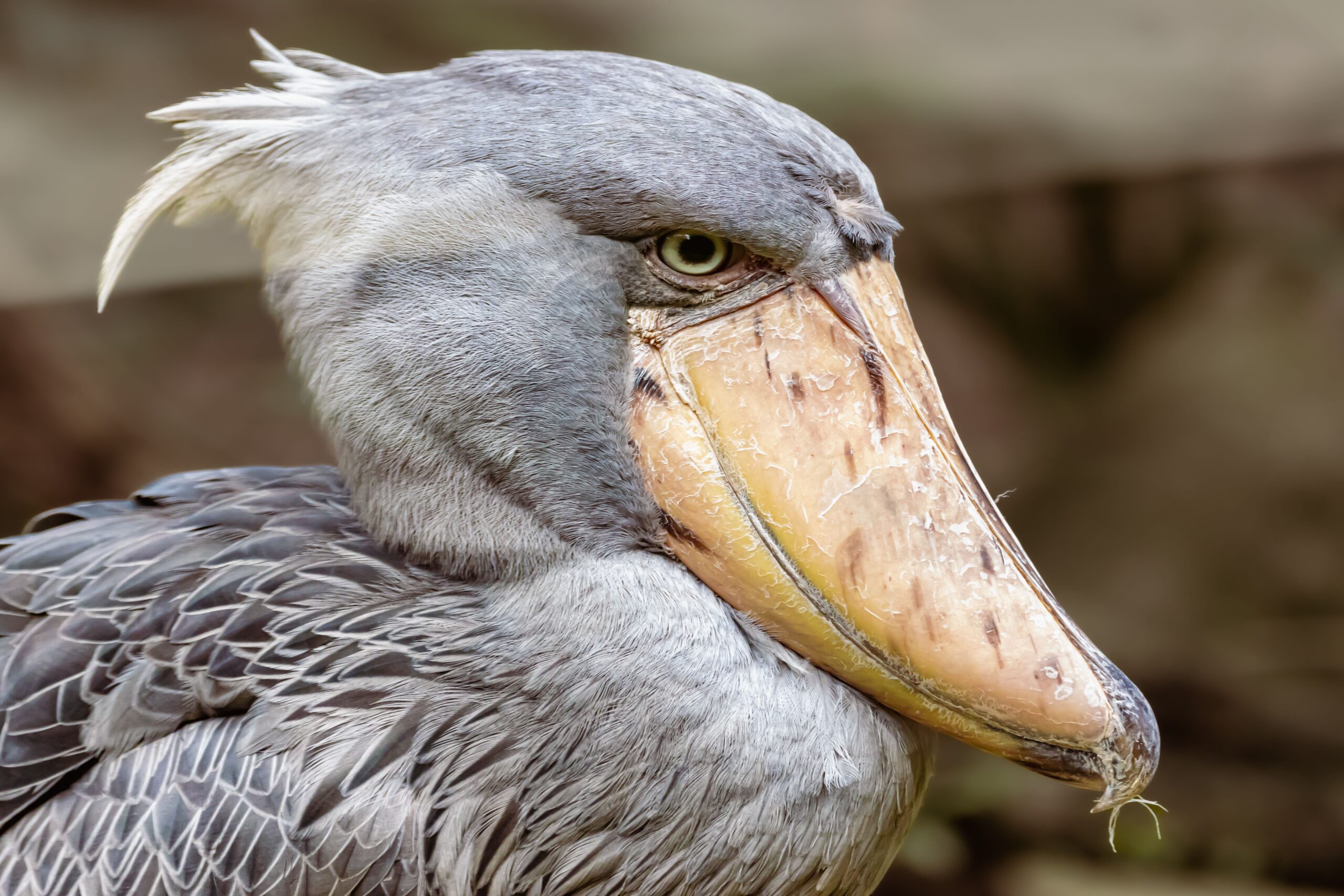
This is the shoebill stork, and a moment like this is exactly why a well planned Uganda birding itinerary belongs on every serious birder's list.
Uganda holds over 1,090 recorded bird species within an area smaller than the state of Oregon, according to figures published by the Uganda Wildlife Authority. That is roughly half of Africa's entire bird list packed into one small, accessible, friendly country. Few destinations on earth deliver this much diversity per kilometer traveled.
Whether you are a seasoned lister chasing Albertine Rift endemics or a first-time visitor who simply enjoys watching colorful birds from a boat, Uganda has a route that fits your pace, budget, and interests.
This guide walks you through everything you need to build a Uganda birding itinerary that actually works on the ground, not just on paper, drawing on routes we design regularly at Tulambule Uganda Safaris.
Why Uganda Is East Africa's Top Birding Destination
Uganda sits at a unique ecological crossroads. The country blends East African savanna, Central African lowland rainforest, Albertine Rift highlands, and vast wetland systems within a few hours of driving of one another. Few destinations pack this much habitat diversity into such a compact space.
This diversity is exactly why a Uganda birding itinerary can deliver such a high species count. In a single two-week trip, birders regularly log 400 to 600 species without straining themselves. Compare that to a similar trip length almost anywhere else in the world, and Uganda's advantage becomes obvious.
The country is also home to 24 of Africa's Albertine Rift endemics, birds found nowhere else on the planet. Species like the Rwenzori turaco, Shelley's crimsonwing, and the African green broadbill draw dedicated birders from around the world specifically to Uganda's western forests.
NatureUganda, the country's leading conservation body, has spent decades mapping these Important Bird Areas. Its site profiles are a useful reference if you want to go deeper on any single location before you travel.
Best Time of Year for a Uganda Birding Itinerary
Uganda is a year round birding destination because of its location near the equator, but timing still shapes what your itinerary should prioritize.
December to February is the dry season across most of the country and coincides with the arrival of Palearctic migrants fleeing the northern winter. Trails are firmer, visibility improves in the forest, and wetland sites fill up with visiting waders and warblers.
June to September is another dry window, ideal for combining birding with gorilla trekking or classic wildlife viewing in the savanna parks. Roads are more passable and boat trips on the Kazinga Channel and Nile run more reliably.
March to May and October to November bring the rains, which some birders actually prefer. Breeding plumage is often at its brightest, and forest activity increases as insects hatch. The tradeoff is muddier trails and occasional road delays, something your itinerary should account for with buffer days.
How Many Days Do You Need for Uganda Birding?
The right length for your Uganda birding itinerary depends on how many of the country's habitat zones you want to cover, and how deep you want to go into each one. Below are the 4 routes this guide covers in detail, from a short weekend add-on to the full 21-day circuit.
| Route | Duration | Core Sites | Typical Species Count |
|---|---|---|---|
| Entebbe and Mabamba Swamp | 3 days | Entebbe Botanical Gardens, Mabamba Swamp | 100 to 150, including the shoebill stork |
| Kibale, Queen Elizabeth, Bwindi | 7 days | Kibale Forest, Queen Elizabeth NP, Bwindi Impenetrable Forest | 300 to 400 |
| Full Southwest Circuit | 14 days | Mabamba Swamp, Lake Mburo, Kibale Forest, Queen Elizabeth NP, Bwindi Impenetrable Forest | 400 to 500 |
| Complete Uganda Circuit | 21 days | All of the above, plus Semuliki National Park, the Rwenzori foothills, and Murchison Falls | 550 to 650 |
Each of these 4 routes is broken down day by day below, so you can see exactly how the sites fit together before you commit to a length.
Route 1: 3-Day Uganda Birding Itinerary (Entebbe and Mabamba Swamp)
This short itinerary works well as an add-on before or after a longer safari, or for travelers with limited time who still want a genuine shot at the shoebill stork.
Day 1: Entebbe Botanical Gardens Spend the morning walking the gardens along Lake Victoria's shoreline. Expect sightings of orange weaver, African grey parrot, and several sunbird species flashing between the flowering trees. Afternoon transfer to a lodge near the lake.
Day 2: Mabamba Swamp An early canoe departure gives you the best chance of spotting the shoebill stork among the papyrus, one of the most reliable sites for the species anywhere in Africa, as confirmed by sightings logged on eBird's Mabamba Swamp hotspot page. The swamp also holds African jacana, blue-headed coucal, and various herons and kingfishers.
Day 3: Return or Connect Use the morning for a second pass at any missed target species before departing or connecting to a longer safari route.
Route 2: 7-Day Uganda Birding Itinerary (Kibale, Queen Elizabeth, Bwindi)
This route balances forest and savanna habitats and remains the most requested version of a Uganda birding itinerary among our clients.
Days 1 to 2: Kibale Forest National Park Kibale is best known for chimpanzees, but its forest also holds over 375 bird species. Look for the green-breasted pitta, African pitta in season, and several forest hornbills moving through the canopy.
Days 3 to 4: Queen Elizabeth National Park The Kazinga Channel boat cruise is a highlight, offering close views of African skimmer, pink-backed pelican, and a wide range of waterbirds alongside hippos and elephants on the banks.
If you have not yet compared where to stay, our guide to Queen Elizabeth National Park lodges breaks down the best options by budget and location.
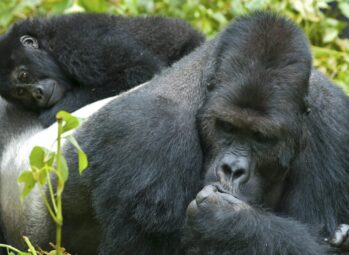
Days 5 to 7: Bwindi Impenetrable Forest Bwindi holds 23 of Uganda's Albertine Rift endemics. The Ruhija sector is particularly strong for the African green broadbill and Neumann's warbler.
For the full picture of what to expect on the trails, see our complete guide to gorilla trekking in Bwindi, which many birders combine with a permit for the forest's more famous residents.
Route 3: 14-Day Uganda Birding Itinerary
For birders wanting a comprehensive but manageable trip, this extended itinerary adds Lake Mburo and more time in each core site.
Days 1 to 2: Entebbe and Mabamba Swamp for the shoebill stork.
Days 3 to 4: Lake Mburo National Park for savanna and acacia specialists, including the shy African finfoot along the lake shoreline.
Days 5 to 6: Kibale Forest National Park for forest specialists and chimpanzee tracking.
Days 7 to 9: Queen Elizabeth National Park, including the Kazinga Channel and Maramagambo Forest.
Days 10 to 13: Bwindi Impenetrable Forest across two sectors for maximum endemic coverage.
Day 14: Return transfer to Entebbe with buffer time built in for delayed flights or a last morning of birding.
Route 4: 21-Day Uganda Birding Itinerary
This is the route serious listers request, designed to reach the highest possible species count in one trip. It adds Semuliki National Park and the Rwenzori foothills, both known for Central African forest species rarely seen elsewhere in East Africa.
A full circuit through Murchison Falls in the north rounds out the route, adding strong raptor and savanna numbers to the forest species further south.
Semuliki alone can add over 40 species to a trip list that are otherwise unavailable elsewhere in Uganda, including the shining-blue kingfisher and several Congo basin specialists.
Combined with the raptor-rich savanna of Murchison Falls National Park, a 21-day Uganda birding itinerary regularly produces species totals of 550 to 650, rivaling the best birding trips anywhere on the continent.
Key Birding Hotspots to Include in Your Itinerary
Mabamba Swamp
The most reliable site in East Africa for the shoebill stork. A canoe trip through the papyrus channels is a quiet, close encounter with one of the world's most sought after birds, and a genuine highlight for photographers.
Bwindi Impenetrable Forest
Best known for gorilla trekking, but equally important for birding. Bwindi hosts the highest concentration of Albertine Rift endemics of any single site in Uganda, and the mix of altitude zones means variety changes noticeably as you move between sectors.
Kibale Forest National Park
A rainforest stronghold with excellent trail access, ideal for combining primate tracking with dedicated bird walks led by community guides who know the calls by ear.
Queen Elizabeth National Park
Savanna, wetland, and forest habitats meet here, producing one of the highest single-park species counts in Africa. The Kazinga Channel is a must-include stop on any itinerary, and the tree-climbing lions of Ishasha make it worth the extra driving time.
Murchison Falls National Park
Strong for raptors and dry savanna species, with the added bonus of a boat cruise to the base of the falls where the Nile funnels through a narrow gorge, drawing goliath herons and rock pratincoles to the shoreline.
Semuliki National Park
Uganda's outpost of true lowland Central African forest, delivering species found nowhere else in the country and a genuinely different birding experience from the rest of the itinerary.
Signature Species Worth Building Your Trip Around
A handful of species tend to shape how people design their Uganda birding itinerary in the first place. Knowing where each one lives helps you prioritize which sites to include.
- Shoebill stork: Mabamba Swamp and the Nile Delta area of Murchison Falls.
- African green broadbill: Ruhija sector of Bwindi Impenetrable Forest, a genuine Albertine Rift specialty.
- Green-breasted pitta: Kibale Forest, most active during the rainy season breeding period.
- Shelley's crimsonwing: High altitude Bwindi and Mgahinga forest, an elusive Albertine Rift endemic.
- African skimmer: Kazinga Channel in Queen Elizabeth National Park, easiest to spot from a boat.
What to Pack for a Uganda Birding Trip
- Binoculars, ideally 8x42 for forest conditions where light is often limited.
- A field guide or birding app with offline access, since network coverage is inconsistent in remote parks.
- Neutral colored clothing that blends into forest and wetland environments.
- Waterproof hiking boots for muddy forest trails, especially outside the dry season.
- A lightweight rain jacket, even during the dry months, since equatorial showers arrive without much warning.
- A fully charged camera with a telephoto lens if photography is a priority, along with spare batteries since charging points can be limited in remote lodges.
Working With a Local Guide
A knowledgeable local guide can transform a Uganda birding itinerary from a good trip into an exceptional one. Local guides know call patterns and seasonal movements that are nearly impossible to work out alone.
They also know exact locations for skulking species, particularly forest specialists that spend most of their time low in dense undergrowth.
At Tulambule Uganda Safaris, our guides are selected specifically for their birding expertise, not just general safari knowledge. This matters when the difference between seeing and missing a target species often comes down to minutes and precise site knowledge that only comes from daily time in the field.
Practical Logistics to Build Into Your Itinerary
A few logistics questions come up on nearly every planning call, so it is worth addressing them directly.
Permits and fees: National park entry fees apply per day in each park you visit, and gorilla permits for Bwindi are a separate booking that should be secured months in advance during peak season. Your itinerary should build in park fee costs alongside accommodation from the start.
Getting between sites: Most of Uganda's birding circuit is covered by road in a 4x4 safari vehicle, with driving days between three and six hours depending on the route. Domestic flights can shorten the Murchison Falls to Bwindi leg significantly if your schedule is tight.
Combining with other wildlife: Nearly every birding site in Uganda doubles as a wildlife viewing location, so your itinerary rarely needs to choose between birds and mammals. Queen Elizabeth and Murchison Falls in particular deliver strong game viewing alongside the bird list.
Frequently Asked Questions
How many bird species can I realistically see in Uganda in two weeks? Most well planned two-week itineraries produce between 350 and 500 species, depending on season and site selection.
Is the shoebill stork guaranteed on a Uganda birding itinerary? No sighting is ever guaranteed in the wild, but Mabamba Swamp offers among the highest success rates in Africa, often above 90 percent with an early morning start.
Can birding be combined with gorilla trekking? Yes. Bwindi Impenetrable Forest offers both in the same location, making it efficient to combine a gorilla permit with several days of dedicated birding.
What is the minimum trip length worth doing for birding in Uganda? Even a 3-day itinerary focused on Entebbe and Mabamba Swamp can be worthwhile, particularly as an add-on to a broader Uganda safari.
Do I need my own birding guidebook, or is a local guide enough? A local guide is invaluable for finding birds by call and behavior, but a field guide or app still helps you learn plumage details and confirm identifications on your own between outings.
Final Thoughts on Planning Your Uganda Birding Itinerary
Uganda rewards birders who plan with intention. The country's habitat diversity means that a Uganda birding itinerary built around the right mix of forest, wetland, and savanna sites will consistently outperform trips built around a single park.
Start with your available time, prioritize the habitats and signature species you most want to experience, and build in buffer days for weather and slow forest mornings.
Continue Planning Your Trip
Ready to build your own Uganda birding itinerary? Explore our full range of sample itineraries, tell us your travel dates and target species through our build your own safari form, or contact us directly to start planning with our team.
Related
Bwindi vs Mgahinga: Which Uganda Gorilla Park Should You Choose in 2026?
Guided Uganda Gorilla Safari Tours: Everything You Need to Know Before You Trek
Uganda Lion Tracking Safari Tours: The Complete 2026/2027 Guide