An authentic Uganda safari is not only what happens inside a national park boundary. It is also the four hours on the road between Entebbe and Queen Elizabeth, or between Ishasha and Bwindi, where the landscape and the country itself do most of the talking.
Most safari planning understandably focuses on the headline moments: gorillas, tree-climbing lions, the Kazinga Channel. Those moments deserve the attention.
However, a lot of what travelers remember afterward, the thing they describe first when someone asks how the trip was, often happened on a transit day nobody planned around.
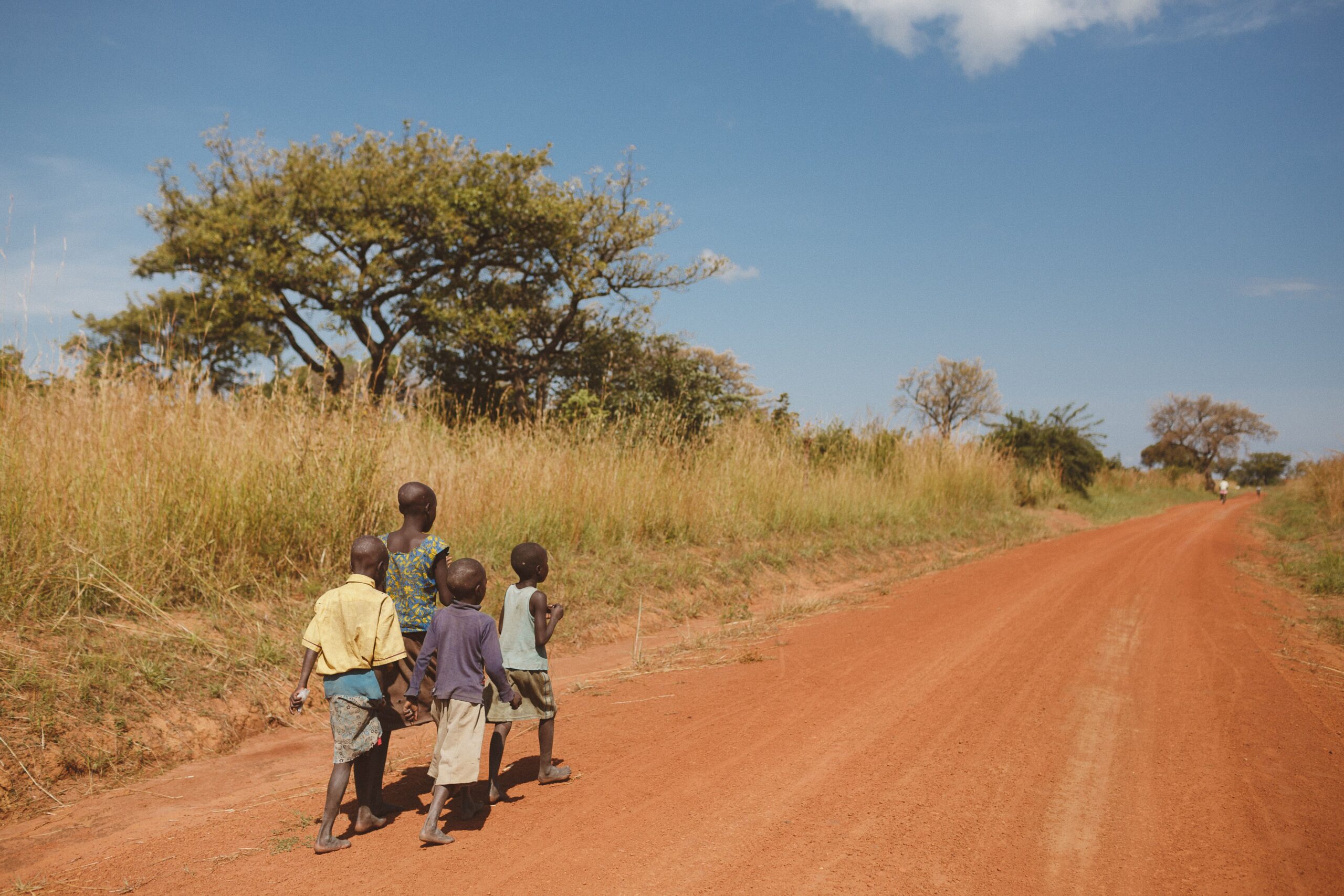
Red dirt roads. Kids walking home from school. Roadside markets selling matoke and secondhand clothes. A herder moving cattle across the road while your driver waits, unbothered, because this is simply how the day goes here.
This guide is about that side of an authentic Uganda safari: why it matters, what you will actually see, and how to engage with it respectfully. In short, here is what it looks like once you count the road as part of the trip:
- Why the drive between parks deserves the same attention as the parks themselves
- What you'll typically see along the route
- How to photograph and engage with what you see respectfully
- How an authentic Uganda safari itinerary builds real community contact into the route
Why the "In-Between" Is Part of an Authentic Uganda Safari
Uganda's parks are spread out, and getting between them takes real time on real roads.
Entebbe to Queen Elizabeth National Park is a half-day drive. Ishasha to Bwindi cuts through the Kigezi highlands. Bwindi to Lake Bunyonyi winds through terraced hillsides that farmers have worked for generations.
It is tempting to treat these hours as dead time, something to sleep through between the parts of the trip that "count." An authentic Uganda safari, though, treats the drive itself as content, not filler.
The landscape changes constantly: dry savanna grass gives way to banana plantations, which give way to steep green terraces as you climb toward the southwest.
Roadside life shifts with it, too. Boda bodas and matatus weave through trading centers, children in school uniforms walk in twos and threes along the shoulder, and small markets appear and disappear in the space of a kilometer.
None of this is staged for visitors. It is simply Uganda, going about an ordinary day, and it is one of the most honest windows into the country you will get on the whole trip.
What You'll Actually See on an Authentic Uganda Safari Route
A few things show up again and again on the long drives between parks. Knowing what you are looking at makes the journey more interesting rather than something to wait out.
Red laterite roads. The rust-colored dirt that defines so much of rural Uganda is laterite soil, rich in iron oxide. It turns to fine dust in the dry season and thick mud in the rains.
Trading centers. Small clusters of shops, a mobile money kiosk, a produce stand, a boda boda stage, mark almost every few kilometers of road. These are worth a slow pass rather than a blur through the window.
Subsistence farms. Much of rural Uganda still runs on smallholder agriculture: matoke (cooking banana), cassava, beans, and maize grown on small plots close to the homestead.
Children walking to and from school. Long walks to school are simply normal here, often on foot, often in groups, often barefoot on roads like the one in the photo above.
Livestock on the move. Cattle, goats, and the occasional herd crossing the road are routine enough that drivers barely slow down. It is a good reminder that you are a guest passing through someone else's daily life.
Church and market days. Sundays often bring roadside congregations in bright fabrics gathered outside small churches, and market days fill trading centers with produce, secondhand clothes, and noise in a way an ordinary weekday does not.
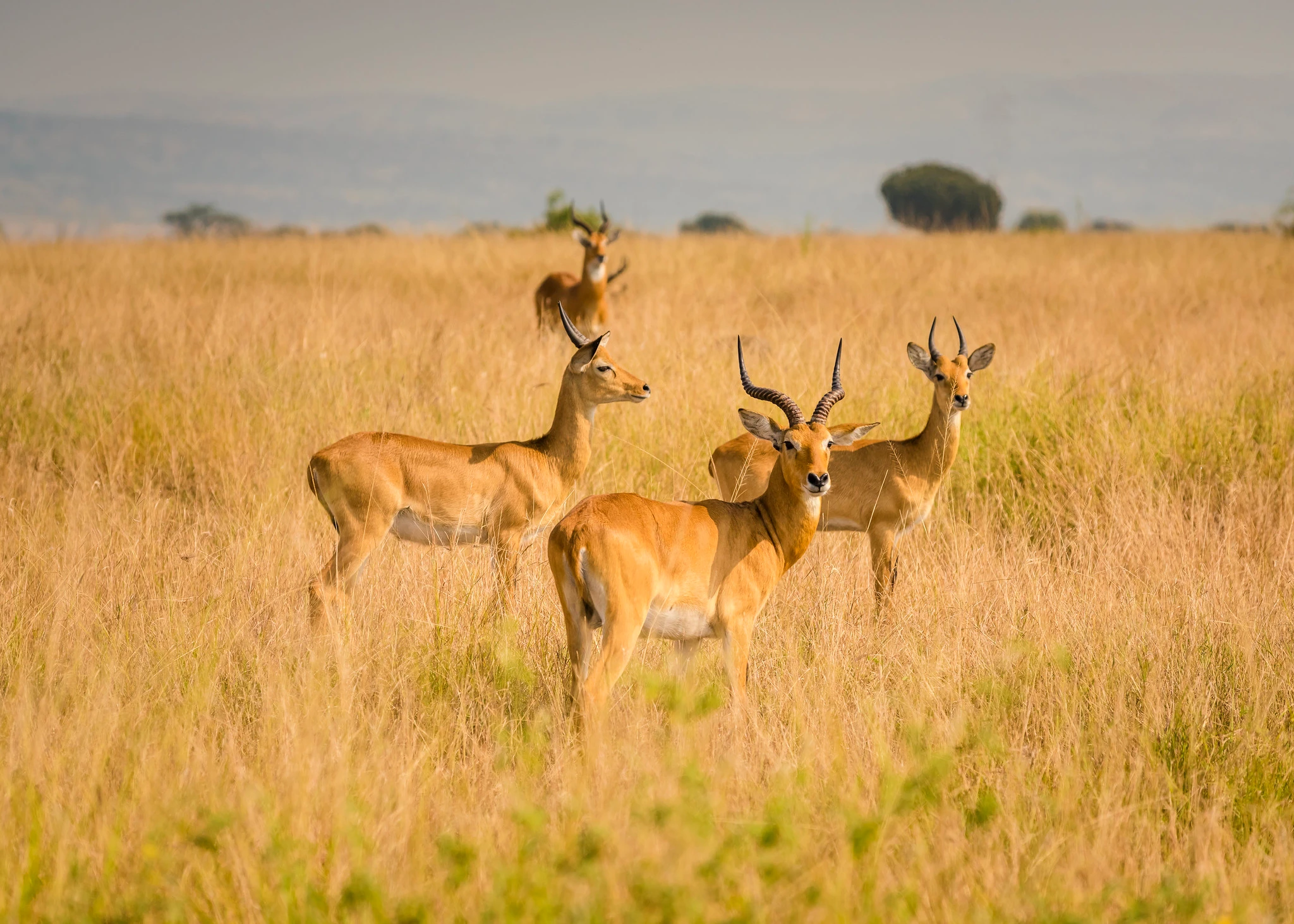
Tree-climbing lions and savanna wildlife. Once you reach the Ishasha sector of Queen Elizabeth National Park, the roadside scenery shifts again, from farms to open savanna where lions rest in fig trees during the heat of the day.
Respectful Ways to Engage With What You See
An authentic Uganda safari is not about photographing people as scenery. The line between appreciating what you see and treating it as spectacle matters.
It is worth thinking about before you have a camera in hand. A few principles help:
- Ask before photographing individuals, especially children. A wave and a smile, then a gesture toward the camera, goes a long way even without a shared language.
- Wide landscape shots that happen to include people are different from close portraits. Use judgment, and when in doubt, ask.
- Don't offer money or sweets in exchange for photos. It changes the interaction for every traveler who comes after you.
- If someone says no, respect it immediately and move on without pressing.
Responsible Travel's guide to the ethics of travel photography covers this well if you want a fuller sense of the reasoning behind these norms before you go.
Turning the "In-Between" Into Real Engagement
The best way to move from watching the country through a car window to actually engaging with it is through community experiences already built into several of our itineraries.
On the route through Bwindi and Mgahinga, a Batwa cultural experience puts you directly with the Batwa people, the forest's original inhabitants.
You'll learn forest skills, stories, and traditions on their terms rather than yours. Our 6-day luxury Uganda safari builds a Batwa visit into the itinerary alongside gorilla trekking, so the cultural side gets the same unhurried attention as the wildlife side.
Further along the route, a stop at a local market on the drive to Kampala, or a village walk and canoe outing around Lake Bunyonyi, offer the same kind of grounded, low-key contact with everyday Ugandan life.
These are not detours from the safari. They are the safari, just a different part of it.
For a broader look at how this works across Uganda, our guide to community-based tourism goes into more depth. The Global Sustainable Tourism Council also publishes the wider principles this kind of travel is built on.
The Route, Stretch by Stretch
An authentic Uganda safari usually follows a similar western circuit, and each leg has its own character worth knowing in advance.
Entebbe to Queen Elizabeth National Park. Often the first long drive of the trip, crossing the Equator along the way. The landscape moves from the shores of Lake Victoria through farmland before opening into acacia-dotted savanna.
Most itineraries build in a stop at the Equator crossing itself, a good excuse to stretch your legs and pick up a coffee from one of the small stalls nearby.
Ishasha to Bwindi Impenetrable Forest. This stretch climbs steadily into the Kigezi highlands, and the change in scenery is dramatic. Flat savanna gives way to steep, terraced hillsides farmed right up to the edge of the road.
This is also where you are most likely to pass through small Bakiga farming communities going about an ordinary day.
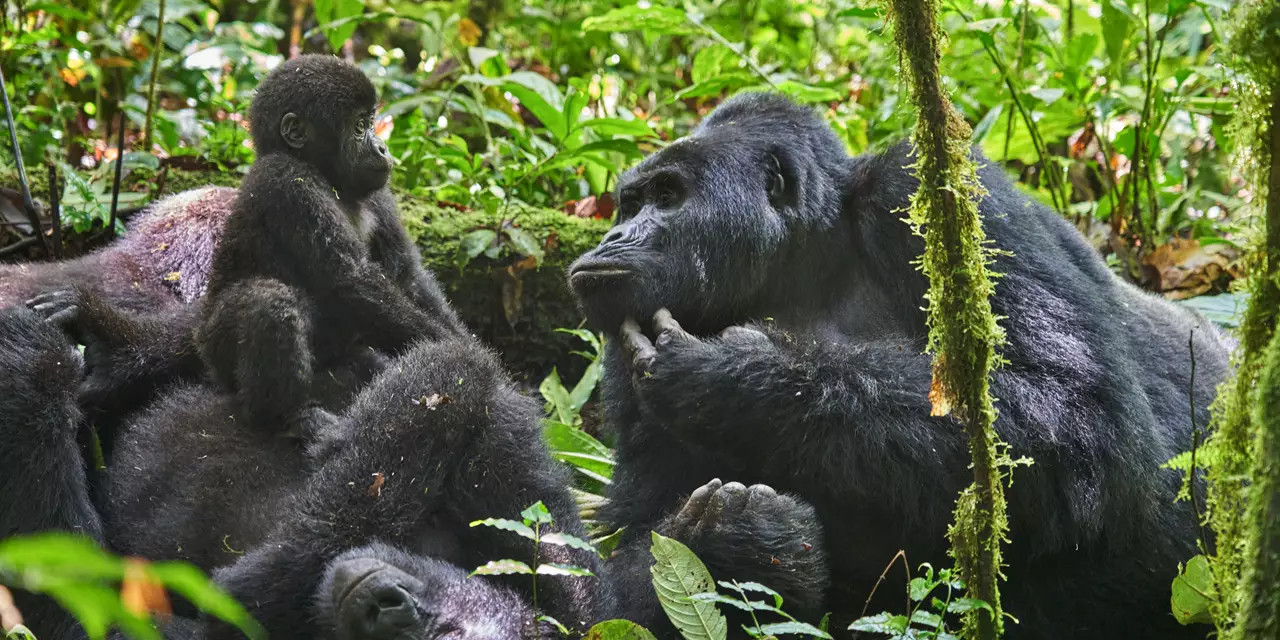
Bwindi to Lake Bunyonyi. A shorter, gentler drive that eases the pace after a gorilla trekking day. The hills stay with you, but the terrain softens as you approach the lake.
Lake Bunyonyi to Kampala via Kabale. The longest drive of most itineraries, and the one with the most built-in opportunities to stop: a cultural market in Kabale, roadside fruit stalls, and a shift in scenery toward central Uganda.
Knowing what to expect on each leg turns the drive from something to endure into something to actually look forward to.
A Few Practical Notes for Making the Most of the Drives
Sit where you can see out on both sides. A lot of what makes these drives worthwhile happens on the roadside, not straight ahead, so a window seat with a clear view matters more than it might seem.
Ask your guide questions as they come up. Most Tulambule guides grew up in or near the communities you are driving through. A genuine question about a crop or a roadside scene usually gets a far more interesting answer than a guidebook would.
Build in stops, not just destinations. A five-minute stop at a trading center or market stall does more for how a trip feels afterward than most people expect.
Keep your camera ready but your instincts on. The best photographs from this part of an authentic Uganda safari tend to come from moments you did not plan for.
Taken together, these small habits are really what separate an authentic Uganda safari from a trip that simply moves between checkpoints.
Frequently Asked Questions About an Authentic Uganda Safari
Is it safe to stop in villages or trading centers along the route? Yes, with a licensed guide who knows the area. Tulambule guides regularly build brief stops into itineraries, and these are generally warm, low-key interactions.
Will these stops add significant time to my itinerary? Not usually. A short stop at a market or trading center typically adds ten to fifteen minutes to a drive that was already scheduled.
Can I request more time for cultural stops? Yes. If an authentic Uganda safari focused on culture and everyday life matters to you, mention it when planning so your guide can build in more time.
Is it appropriate to bring gifts, like pens or sweets, for children along the road? Generally, no. Handing out items to children can encourage begging and change the dynamic between visitors and communities for every traveler who follows you. A conversation, a wave, or supporting a community-based tourism activity does more good.
Does an authentic Uganda safari cost more than a standard itinerary? Not necessarily. Building in roadside stops and community visits mostly costs time, not money. Most of what makes a safari feel authentic comes from pacing and attitude rather than extra spending.
Why This Matters for How You Choose a Tour Operator
Not every operator treats the road between parks the same way. Some see it purely as transit, something to get through fast so the "real" itinerary can start.
An authentic Uganda safari, in our view, means a guide who slows down for a market, points out what a crop is, and treats a chance encounter with a Batwa elder or a Bakiga farmer as worth stopping for.
That is a small thing to look for when comparing operators, but it tells you a lot about the trip you are actually going to get.
Ask a prospective operator directly whether their itineraries build in time for these moments, or whether every day is scheduled tightly park to park. The answer usually tells you more than any glossy description of the lodges.
An authentic Uganda safari also tends to reward a bit of flexibility. If your schedule allows a little slack between activities, even an extra thirty minutes on a transit day, that is often where the trip's most memorable moments happen.
It is worth mentioning this preference when you first speak with your operator, so it can be built into the itinerary from the start.
Continue Planning Your Trip
Ready to take the next step? Browse our full range of Uganda and East Africa itineraries, start building your own trip with Build My Safari, or contact our team directly to talk through what an authentic Uganda safari could look like for you.
10 Uganda Safari Forests and Bushes Worth Exploring
Guided Uganda Gorilla Safari Tours: Everything You Need to Know Before You Trek
Uganda Lion Tracking Safari Tours: The Complete 2026/2027 Guide