A homestay near Lake Mburo takes you beyond the game drive and into the daily life of a Bahima cattle-keeping family. You milk long-horned Ankole cows at dawn, walk the herd to pasture, taste food made from milk and ghee, and hear the story of the people whose way of life shaped this park long before it had a name on a map.
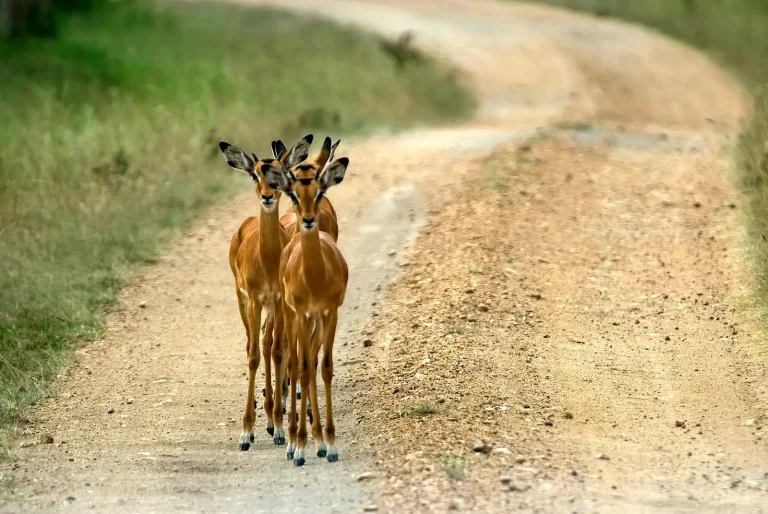
Most visitors see Lake Mburo National Park from a safari vehicle, watching zebras and impalas on the open grassland. Far fewer realise that the culture which kept this landscape open is still thriving just outside the park boundary, and that you can spend a morning, or a night, as a guest inside it.
What Is a Homestay Near Lake Mburo?
A homestay near Lake Mburo is a hosted visit to a working Bahima homestead on the edge of the park. A local guide takes you to the family, translates where needed, and explains what you are seeing as you join in with the day's work.
Most visits last 2 to 4 hours and fit neatly between morning and afternoon park activities. Travellers who want more time can arrange an overnight stay with a host family, which lets you see the evening return of the herd and the early morning milking.
It is not a show put on for tourists. The cows still need milking whether visitors come or not, and that is exactly what makes a homestay near Lake Mburo feel so real.
Who Are the Bahima?
The Bahima are cattle-keeping pastoralists of the Ankole region in south-western Uganda. They are part of the wider Banyankole people and speak Runyankole. Historically, the Bahima kept cattle while their Bairu neighbours grew crops, and the two communities traded milk, ghee and meat for millet and other foods.
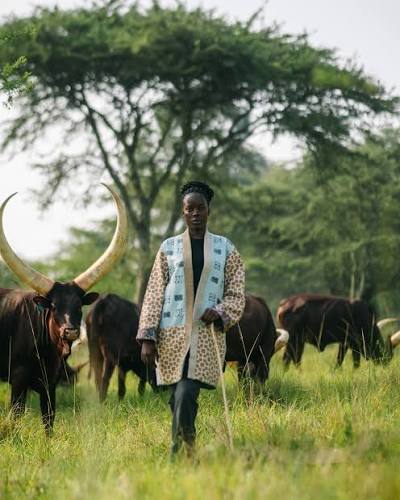
At the centre of Bahima life is the Ankole cow, with its deep red-brown coat and enormous curved horns. A family's herd has long been its measure of wealth, its savings and its social standing. Cattle are part of marriage arrangements, are passed from one generation to the next, and are often known individually by name.
Runyankole has a rich vocabulary for cattle, with separate words for coat colours, horn shapes and ages. On a homestay near Lake Mburo, your hosts will happily teach you a few of them, along with a greeting or two.
How the Bahima Shaped Lake Mburo National Park
The story of the park and the story of the Bahima are closely tied. Lake Mburo was first protected as a controlled hunting area in 1933 and became a game reserve in 1963. When it was upgraded to a national park in 1983, Bahima herders living on the land were evicted.
After the government of the day fell in 1985, many former residents moved back. In 1986 the new government re-gazetted the park at less than half of its original size, returning land to surrounding communities. Today Lake Mburo covers about 260 square kilometres.
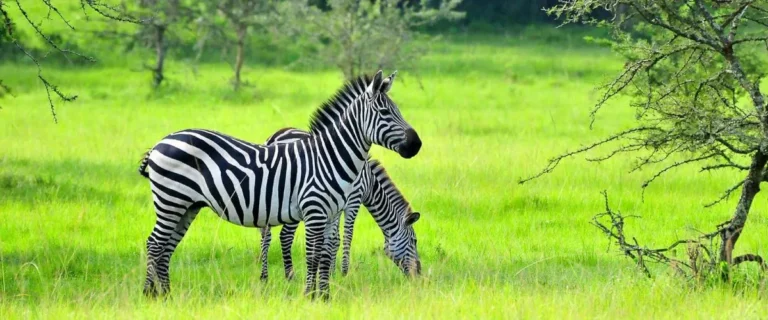
That history is why Lake Mburo feels different from Uganda's other parks. Ankole cattle graze right up to the park edge, and on a game drive you may see long-horned cows and zebras within sight of each other. A homestay near Lake Mburo lets you meet the families whose grandparents lived through those changes.
7 Things You Do on a Homestay Near Lake Mburo
Every family and every day is a little different, but most homestay visits include these experiences.
1. Milk an Ankole Cow
Milking happens early in the morning and again in the evening. Your hosts show you how it is done with practised ease, then hand you the pot. Expect laughter, from them and from yourself, the first few times you try.
2. Walk the Herd to Pasture and Water
After milking, the cattle head out to graze and drink. You walk with the herders across the grassland and learn how they move a herd of long-horned cows with little more than a stick and a few calls.
3. Learn to Read the Herd
Herders recognise each cow by its horns, coat and temperament. Your hosts point out favourite animals, explain what makes a cow beautiful in Bahima eyes, and share the names and stories of individual cows.
4. See Milk Turned Into Ghee
Milk is collected in traditional containers and churned into butter, which is then heated into ghee. Ghee is used for cooking and, traditionally, as a skin and hair care product.
5. Taste Eshabwe and Other Milk-Based Food
Many families prepare a meal for guests, often including eshabwe, the famous Ankole ghee sauce. Fresh milk is commonly offered on arrival as a sign of welcome.
6. Hear Stories, Proverbs and Songs
Elders often share oral history, proverbs and songs, some composed in praise of beloved cows. Bahima culture has been carried forward this way for generations, without written records.
7. Explore the Homestead and Kraal
A traditional homestead is built around the kraal, the enclosure where cattle are kept safe at night. Walking through it shows you how family life is organised around the needs of the herd.
Want to add a Bahima homestay to your trip?
Tell us your dates and how long you will spend at Lake Mburo. We arrange the host family, a local guide and the timing around your park activities.
Half-Day or Overnight Homestay Near Lake Mburo?
Both options give you a genuine look at Bahima life. The right choice depends on how much time you have and how deeply you want to step into the family's routine.
Half-Day Visit
A half-day homestay near Lake Mburo is the most popular choice. You arrive for morning milking or the afternoon return of the herd, share a meal, and still have time for a boat cruise or game drive the same day. It suits short safaris and travellers who prefer to sleep at a lodge.
Overnight Stay
An overnight homestay near Lake Mburo lets you see the full rhythm of the day, from the herd coming home at dusk to the first milking before sunrise. Rooms are simple and rural, so it suits travellers who value the experience over comfort. We confirm sleeping arrangements, bathroom facilities and meals with the family before you book.
Not sure which suits you? Tell us your plans and we will recommend the homestay near Lake Mburo that fits your trip and your comfort level.
Bahima Food: Milk, Ghee and Eshabwe
Food on a homestay near Lake Mburo shows just how deeply cattle shape daily life. Milk appears in some form at almost every meal, drunk fresh or soured, and ghee is the main cooking fat.
The dish most visitors remember is eshabwe, a creamy white sauce made from ghee. It is prepared by washing the ghee in cold water, then adding salted water and stirring until the ghee turns from yellow to white. Eshabwe is eaten with millet bread, matooke (green bananas), potatoes or sweet potatoes.
Eshabwe was traditionally prepared for special occasions such as marriage ceremonies, and older women made it in silence. Being served it as a guest is a mark of real hospitality, so accept a taste even if you only manage a little.
Homestay or Igongo Cultural Centre?
The Igongo Cultural Centre near Mbarara, about 30 km west of the park, is a museum, restaurant and hotel dedicated to Ankole heritage. It explains Banyankole history, traditional dress, music and customs in a polished, organised way.
Igongo and a homestay near Lake Mburo work best together. Igongo gives you the background, and the homestay gives you the lived experience with a real family. Our 3-day Lake Mburo safari already includes a visit to Igongo on the way home, and a homestay fits easily into day two.
Pairing a Homestay Near Lake Mburo With Park Activities
Lake Mburo National Park is about 240 km from Kampala, roughly a four-hour drive, which makes it the closest savannah park to the capital. It has no elephants, and lions have been absent since the 1980s apart from the odd wanderer, so it is one of the few parks in Uganda where you can explore on foot, by bike and on horseback.
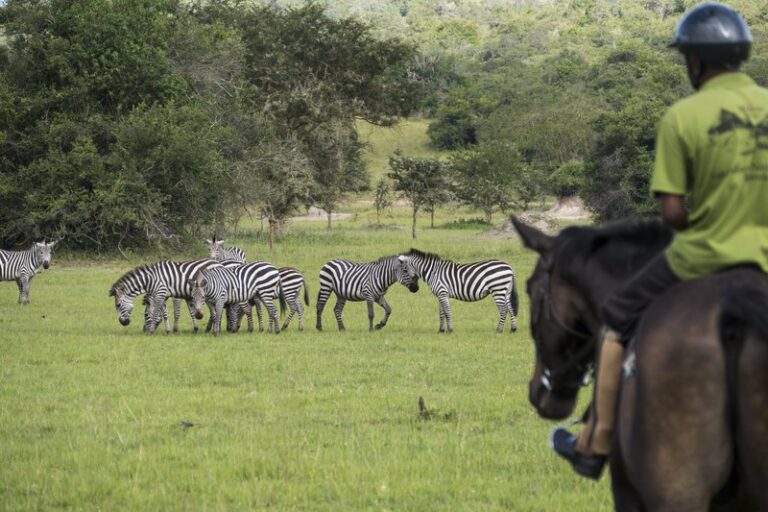
Here is how a homestay near Lake Mburo fits into a typical day:
| Time | Activity |
|---|---|
| Early morning | Milking and herding with your Bahima hosts |
| Late morning | Traditional meal with the family, including eshabwe |
| Afternoon | Boat cruise on Lake Mburo for hippos, crocodiles and water birds |
| Late afternoon | Game drive, walking safari or horseback ride among zebras and impalas |
| Evening | Optional night game drive for leopards, hyenas and bushbabies |
Read more about walking safaris in Lake Mburo National Park, birding in Lake Mburo, or our complete guide to Lake Mburo National Park.
Best Time for a Homestay Near Lake Mburo
You can enjoy a homestay near Lake Mburo all year, because milking and herding carry on whatever the season. The dry months, June to September and December to February, are best for combining your visit with walking safaris and game drives, as tracks are firmer and animals gather near water.
The rainy months bring green landscapes, fewer visitors and lower lodge prices. Whatever the season, arrive early in the morning for milking, or late in the afternoon to see the herd return to the kraal.
Tips for a Respectful Visit
A homestay near Lake Mburo takes you into someone's home, so a little care goes a long way.
- Ask before taking photos of people, and respect a "no".
- Dress modestly, with knees and shoulders covered.
- Wear closed shoes; you will be walking among cattle on uneven ground.
- Accept what you are offered, even if you only take a small taste.
- Let your guide lead on greetings and customs.
- Gifts are not expected. If you would like to bring something, ask us for suitable ideas.
What to Bring
Pack light and practical for your homestay near Lake Mburo. You will spend most of the visit outdoors among cattle.
- Comfortable trousers and a long-sleeved shirt
- Closed walking shoes you do not mind getting dirty
- Hat, sunscreen and a refillable water bottle
- Camera, used with permission
- Insect repellent for evening visits
Is a Homestay Near Lake Mburo Right for You?
It suits families, couples and solo travellers alike. Children usually love the cattle and the chance to try milking, and the walking is gentle. Many hosts speak some English, and your local guide translates everything else.
If you would like to spend time with other rural communities in Uganda, see our guide to Uganda village home stays and our Uganda cultural safaris.
How We Arrange a Homestay Near Lake Mburo
We work with host families on the edge of the park and agree a fair fee that goes to the household that welcomes you. A local guide joins every visit, and we schedule it around your game drives, boat cruise or walking safari so nothing feels rushed.
You can add a half-day or overnight homestay to any of our Lake Mburo safaris below, or to a self drive safari in Uganda if you are driving yourself. Choose a lodge from our guide to the best lodges in Lake Mburo National Park.
Lake Mburo Safaris You Can Add a Homestay To
Each of these trips can include a homestay near Lake Mburo at no extra planning effort for you. Just let us know when you enquire.
Spend a day with a Bahima family
Tell us your travel dates and how you would like to combine culture and wildlife at Lake Mburo. We will arrange your homestay and send a free, tailor-made quote.
Get a Free QuoteChat on WhatsApp
Licensed by UTB and UWA • Member of AUTO • Rated 4.9 on TripAdvisor