Mount Kilimanjaro climbing tours take you to the Roof of Africa, the highest point on the continent at 5,895 metres (19,341 feet). Kilimanjaro is the tallest free-standing mountain in the world, a dormant volcano rising alone above the plains of northern Tanzania, and a UNESCO World Heritage Site.
You do not need ropes or climbing skills to reach the top. The climb is a long, high-altitude trek through rainforest, heath, alpine desert and finally the icy summit zone. With the right route, enough days and a good team, most fit, well-prepared walkers can stand on Uhuru Peak.
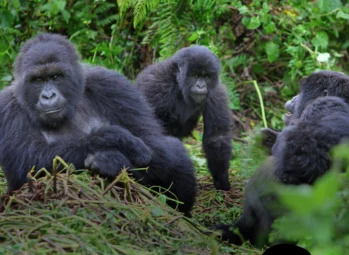
Many of our guests combine a Kilimanjaro climb with a Tanzania safari, a beach break in Zanzibar or gorilla trekking in Uganda, making it one of the great adventures of an East African holiday.

Mount Kilimanjaro at a Glance
| Summit | Uhuru Peak, 5,895 m (19,341 ft) |
| Location | Kilimanjaro National Park, northern Tanzania |
| Gateway towns | Moshi and Arusha, via Kilimanjaro International Airport |
| Climb length | 5 to 9 days, depending on the route |
| Official routes | 7 main routes, including Marangu, Machame, Lemosho and Rongai |
| Best time | January to early March and June to October |
| Skill needed | No technical climbing, but good fitness and time to acclimatise |
Our Kilimanjaro Climbing Routes
We plan Kilimanjaro climbs on three of the most popular routes, each run with licensed local guides, porters and cooks. Contact us for a full day-by-day itinerary and a quote for your dates.
8-Day Kilimanjaro Climb via the Marangu Route

The Marangu Route is the only route with sleeping huts instead of tents, which makes it popular with climbers who want a little more comfort. Our 8-day plan adds extra time to acclimatise, which gives you a much better chance of reaching the summit than the shorter 5-day version.
9-Day Kilimanjaro Climb via the Machame Route

Known as the Whiskey Route, Machame is one of the most scenic ways up the mountain. It follows the "climb high, sleep low" pattern, which helps your body adjust to the altitude. Nine days gives you a comfortable pace and a strong summit success rate.
8-Day Kilimanjaro Climb via the Rongai Route

Rongai is the only route that climbs from the north, close to the Kenyan border. It is quieter than the southern routes, drier in the rainy months and a good choice for climbers who want a calmer trail with fewer people.
Sample Itinerary: 9 Days on the Machame Route
Here is how a typical Machame climb unfolds. Camp heights are approximate, and your guide may adjust the plan to suit the weather and your group.
- Day 1, Arrive in Moshi: we meet you at Kilimanjaro International Airport and transfer you to your hotel for a briefing and kit check.
- Day 2, Machame Gate to Machame Camp (about 3,000 m): a steady climb through lush rainforest.
- Day 3, Machame Camp to Shira Camp (about 3,850 m): out of the forest and onto open moorland with wide views.
- Day 4, Lava Tower (about 4,600 m) to Barranco Camp (about 3,950 m): climb high and sleep low, the key day for acclimatisation.
- Day 5, Barranco Wall to Karanga Camp (about 4,035 m): a fun scramble up the Barranco Wall, then a short walk to camp.
- Day 6, Karanga Camp to Barafu Camp (about 4,670 m): reach base camp, rest early and prepare for summit night.
- Day 7, Summit day: start around midnight, reach Uhuru Peak (5,895 m) at sunrise, then descend to Mweka Camp (about 3,100 m).
- Day 8, Mweka Gate to Moshi: walk down through the rainforest, collect your summit certificate and celebrate at your hotel.
- Day 9, Departure: transfer to the airport, or continue to a safari, Zanzibar or Uganda.
What Our Kilimanjaro Climbing Tours Include
All our Mount Kilimanjaro climbing tours are all-inclusive, so there are no hidden park or camping charges on the mountain.
Included:
- Kilimanjaro National Park entry fees, camping or hut fees and rescue fees
- Licensed professional mountain guide, assistant guides, porters and cook
- All meals and safe drinking water on the mountain
- Quality mountain tents and sleeping mats
- Hotel nights in Moshi or Arusha before and after the climb
- Airport and park gate transfers
- Daily health checks, first aid kit and emergency oxygen
- Summit certificate
Not included:
- International flights
- Tanzania visa and travel insurance (insurance must cover high-altitude trekking)
- Tips for your guides, porters and cook
- Personal climbing gear, sleeping bag and any equipment you hire
- Drinks and personal expenses at your hotel
Why Climb Kilimanjaro With Tulambule?
- All-inclusive pricing: one clear price, with park fees and mountain crew included.
- Enough days to succeed: we recommend routes of 7 days or more, because time to acclimatise is the biggest factor in reaching the summit.
- Licensed local teams: every climb is run with trusted, licensed Tanzanian guides who treat their porters fairly.
- One trip, many experiences: we can add a Serengeti safari, a Zanzibar beach stay or gorilla trekking in Uganda, all in one booking.
FAQs About Mount Kilimanjaro Climbing Tours
1. Why climb Mount Kilimanjaro?

Kilimanjaro is Africa's highest mountain and one of the Seven Summits, the highest peaks on each continent. Unlike most of them, it can be climbed without technical skills, so it is within reach of ordinary walkers who train well.
The views are unforgettable, from rainforest full of colobus monkeys to the glaciers near the summit. Because a climb takes about a week, it also fits easily into a classic East African safari holiday.
2. Which Kilimanjaro route should I choose?

There are seven main routes, and they differ in length, steepness, scenery and crowds:
- Marangu: the only route with huts. Popular, but its short version gives less time to acclimatise.
- Machame: scenic and well paced, with a high success rate.
- Lemosho: quieter, with some of the best views and excellent acclimatisation.
- Rongai: the only northern route, quieter and drier.
- Umbwe: short and steep, best for experienced trekkers.
- Northern Circuit and Shira: longer, remote routes with great acclimatisation.
We help you choose the route that matches your fitness, budget and the experience you want.
3. How many days do I need to climb Kilimanjaro?

Most climbs take 5 to 9 days up and down. More days means more time to acclimatise, which greatly improves your chance of reaching the summit. We recommend at least 7 or 8 days on the mountain.
Guides will remind you to walk "pole pole", which means "slowly, slowly" in Swahili. A steady, gentle pace is the key to success at altitude. The descent usually takes about 2 days.
4. How fit do I need to be?
Kilimanjaro is a trek, not a technical climb, so you do not need ropes, ice axes or crampons. You do need good basic fitness, because you will walk for several hours a day for a week, and summit night is long and cold.
Regular walks, hikes, runs and stair climbing in the months before your trip will help a lot. If you have health concerns, speak to your doctor before booking. For a full guide, read our article Is Climbing Kilimanjaro Hard?
5. How do I get there, and where do I sleep?
Most climbers fly into Kilimanjaro International Airport, then transfer to Moshi or Arusha, the gateway towns for the mountain. We usually include a hotel night before and after your climb.
On the mountain you sleep in tents, or huts on the Marangu Route. Porters carry the camp and your main bag, and cooks prepare warm, filling meals with plenty of carbohydrates and ginger tea to help with appetite at altitude.
6. What should I pack?

You pass through five climate zones, from warm rainforest to freezing summit, so layers are essential:
- Breathable base layers, a fleece and a warm insulated jacket
- Waterproof jacket and trousers
- Broken-in hiking boots and warm socks
- Warm hat, gloves, sun hat, sunglasses and sunscreen
- A warm sleeping bag, head torch and trekking poles
- A daypack of about 30 litres with a water bladder or bottles
We send you a full packing list when you book, and most equipment can be hired in Moshi or Arusha.
7. When is the best time to climb Kilimanjaro?
The best times are the dry seasons, from January to early March and from June to October, when skies are clearer and trails are drier. April, May and November are wetter, with fewer climbers.
Temperatures change a lot. It can be around 30°C at the base, while summit night can fall to about -20°C with wind chill. On average, the temperature drops by about 6°C for every 1,000 metres you climb.
8. How much does a Kilimanjaro climbing tour cost?
The price depends on the route, the number of days, the size of your group and your hotels before and after the climb. Park fees make up a large part of the cost, so longer routes cost more, but they also give you a better chance of reaching the summit.
Be careful of very cheap offers. They often mean rushed itineraries, poor equipment or low pay for porters. Contact us for an honest, all-inclusive quote for your dates.
9. How do I choose a guide and tour operator?

All climbers must go with a licensed local guide. Choose an operator registered with Kilimanjaro National Park, managed by Tanzania National Parks, and one that treats its porters fairly. Tulambule plans every climb with trusted, licensed Tanzanian partners on the ground.
10. What are the main risks?
Altitude sickness is the biggest risk on Kilimanjaro. Above about 2,500 metres, the air holds less oxygen, which can cause headaches, nausea, tiredness and poor appetite. In rare cases it becomes serious.
The best protection is a longer route, a slow pace, plenty of water and an experienced guide. Good guides check your health every day, carry oxygen and first aid, and will take you down if needed. Summit night is also tiring and cold, so mental strength matters as much as fitness.
11. How can I climb responsibly?

Kilimanjaro is sacred to the local Chagga people. Follow the "leave no trace" rules: carry out your rubbish, stay on marked paths and use the camp toilets. Single-use plastics are not allowed in the park, so bring a reusable water bottle.
Never climb on the summit glaciers, which are shrinking and fragile. Choosing an operator that pays porters fairly and limits their loads also makes a real difference to the people who make your climb possible.
12. Can beginners join a Mount Kilimanjaro climbing tour?
Yes. Many people who reach Uhuru Peak have never climbed a mountain before. What matters most is preparation, not experience. Train with regular long walks and hikes for two to three months, choose a route with enough days to acclimatise, and listen to your guide on the mountain.
If you want to test yourself first, a shorter climb such as Mount Meru in Tanzania, or a hike in Uganda's Rwenzori Mountains or on Mount Elgon, is excellent practice. Our team will help you choose the right Mount Kilimanjaro climbing tour for your fitness level, so you can enjoy the climb as well as the summit.
Combine Kilimanjaro With a Safari or Beach Holiday
After the summit, many climbers reward themselves with a few days of wildlife or beach:
- A Serengeti safari and the Ngorongoro Crater
- A beach holiday in Zanzibar
- Gorilla trekking in Uganda, where a gorilla permit costs US$800
These ready-made trips pair well with a Kilimanjaro climb:
- 8 Days Serengeti Safari and Zanzibar Beach Holiday
- 11-Day Uganda Tanzania Safari: Gorillas and Big Game
- 15 Days East Africa's Gorillas, Chimps, Safari and Beach Holiday
- 10 Days Tanzania Family Safari and Zanzibar Holiday
Other Mountains to Climb in East Africa
Looking for another challenge, or a warm-up before Kilimanjaro? Try Mount Meru near Arusha, Mount Kenya, Uganda's Rwenzori Mountains or Mount Elgon. See all our Africa mountain climbing tours.
Book Your Mount Kilimanjaro Climbing Tour
Tulambule Uganda Safaris is a licensed, 100% Ugandan-owned tour operator planning East African adventures since 2014. Tell us your preferred route, dates and group size, and we will send you a full itinerary and an honest quote.