Open Park Days Uganda is redefining how citizens connect with the country's national parks. Since 2024, the Uganda Wildlife Authority (UWA) has opened the gates of several flagship parks free of charge for a short window each year.
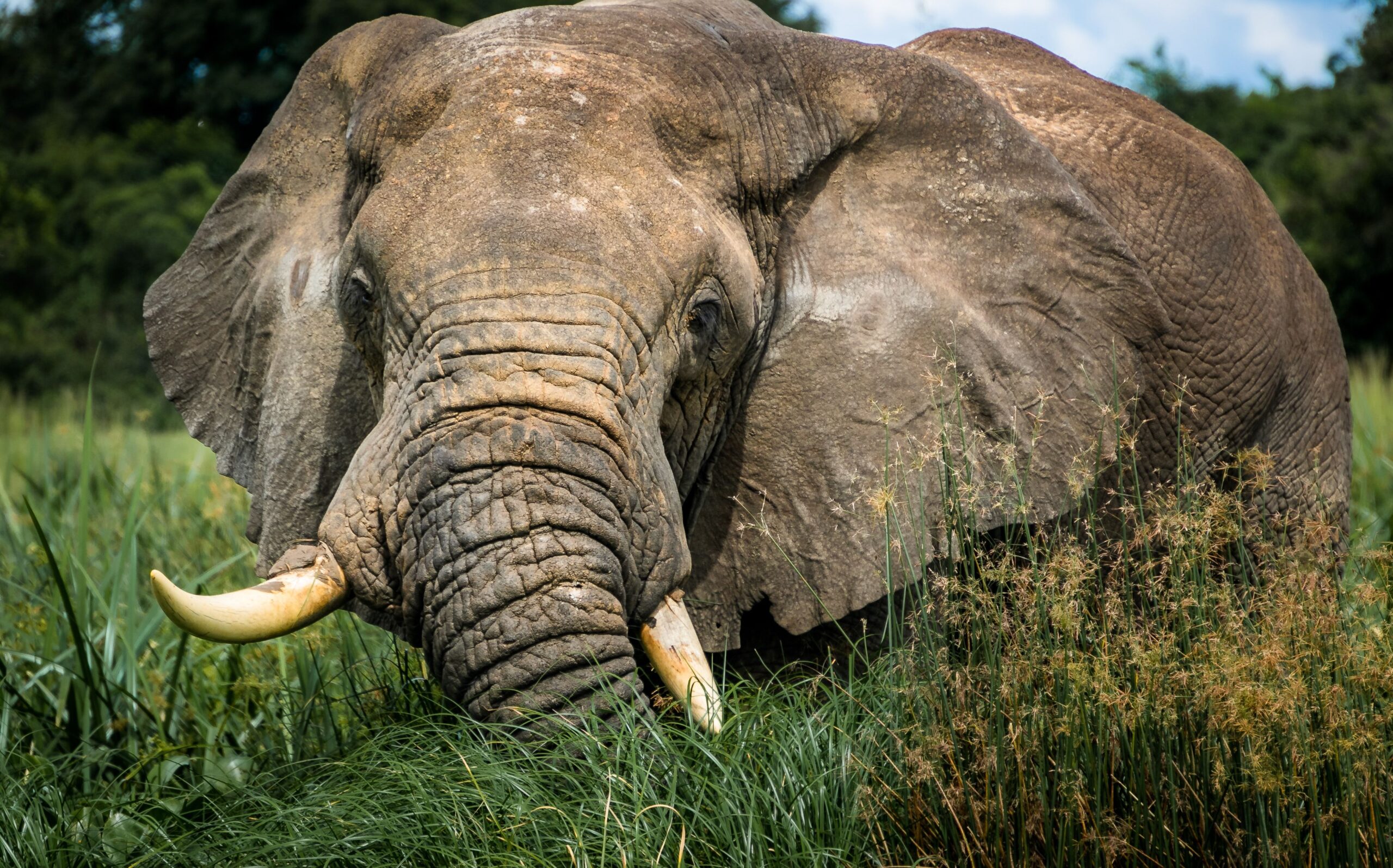
This gives Ugandans a rare chance to explore wildlife and landscapes many had never seen up close, despite living in the same country as some of Africa's most celebrated conservation areas.
This guide covers what the initiative actually offers, which parks take part, why it matters for conservation and the economy, and how to make the most of it if you plan to visit, whether this is your first safari or your tenth trip into Uganda's wilderness.
At its core, Open Park Days Uganda delivers five powerful benefits for the country:
- Reconnecting Ugandans with their natural heritage
- Boosting economic growth through domestic tourism
- Strengthening conservation efforts nationwide
- Building long-term support for park funding
- Fostering unity and national pride
What Is Open Park Days Uganda?
Open Park Days Uganda is an annual initiative run by the Uganda Wildlife Authority. During a short window each year, selected national parks and wildlife reserves waive their entrance fees for Ugandan citizens, East African residents, and eligible foreign residents.
The initiative was first launched in 2024, with UWA's Director of Tourism and Business Development announcing free access and complimentary game drives at several major parks, at a time when the tourism sector badly needed a domestic boost.
It has since become a recurring event, timed to align with World Tourism Day celebrations on 27 September each year.
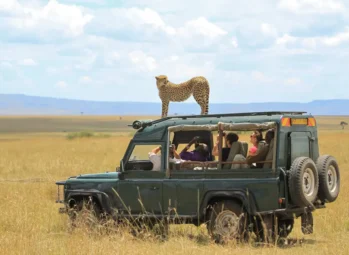
In practice, this means a family in Kampala or Gulu can visit a savanna park and watch a game drive.
They can experience Uganda's wildlife without the cost that once made these trips feel out of reach for many citizens, regardless of income level or where they live in the country.
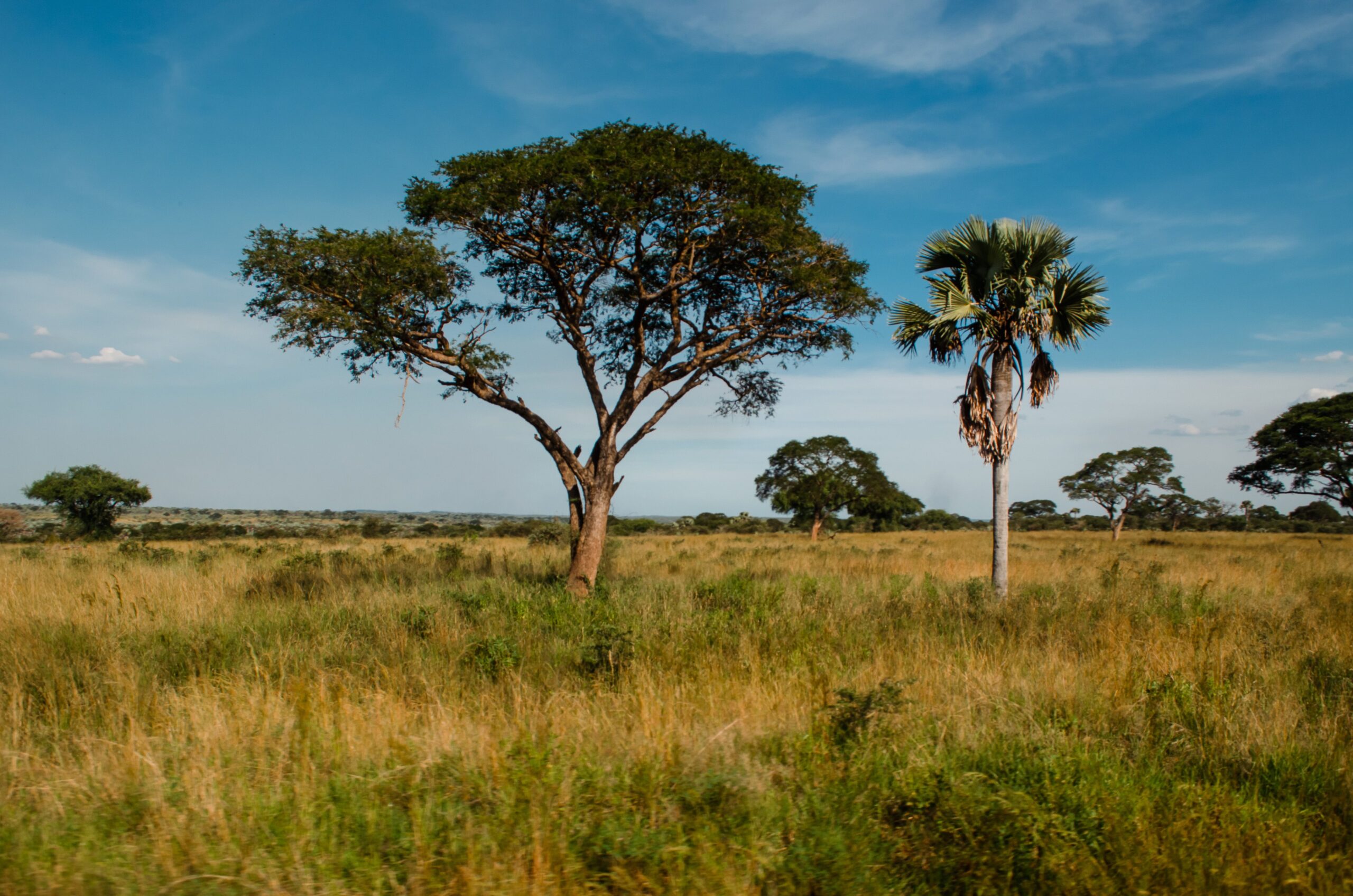
Which Parks Are Included in Open Park Days Uganda
Not every park takes part every year, but the program has consistently centered on Uganda's savanna parks and select wildlife reserves. Recent editions have included:
- Murchison Falls National Park
- Queen Elizabeth National Park
- Lake Mburo National Park
- Kidepo Valley National Park
- Pian Upe Wildlife Reserve
- Ajai, Katonga, and Toro-Semliki Wildlife Reserves
One detail worth knowing before you plan a trip: primate parks such as Bwindi Impenetrable National Park and Kibale National Park are not part of this initiative.
Gorilla trekking and chimpanzee tracking permits are not discounted or waived during this window, since those programs run under a separate, permit-based system tied to daily group size limits rather than general park entry fees.
A Brief History: How Open Park Days Uganda Started
The first Open Park Days initiative was introduced in 2024, arriving at a time when Uganda's tourism sector was still recovering from a genuinely difficult stretch. COVID-19, an Ebola outbreak, and negative travel advisories had all taken a toll on visitor numbers and tourism revenue.
UWA leadership framed the initiative as more than a promotional gesture. It was described as a call to action for Ugandans to rediscover their own natural heritage, at a moment when domestic travel needed a genuine push.
Since that first edition, the initiative has returned every year around World Tourism Day, growing in scale and public awareness with each iteration. The most recent edition ran from 25 to 27 September 2025.
The next is scheduled for 25 to 27 September 2026, giving Ugandans and East African residents a short but well-publicized window to visit for free.
UWA has also expanded the concept beyond free entry. An Open Park Days Influencer Campaign now brings digital creators into the parks to document their experiences, extending the initiative's reach well beyond the days themselves and into the social feeds Ugandans check every day.
World Tourism Day and Its Connection to Open Park Days Uganda
This initiative is not a standalone event. It is deliberately timed around World Tourism Day, an international observance held every year on 27 September.
Anchoring the initiative to this date gives it a recurring, predictable rhythm. Ugandans can generally expect the free-entry window to fall in the same late-September stretch each year, even as exact dates and participating parks shift slightly from one edition to the next.
This timing also connects Uganda's domestic push to a global conversation about tourism's role in development and cultural exchange. Recent World Tourism Day themes have focused on ideas like peace and sustainable growth, both of which align closely with what this initiative is trying to achieve at home.
For travellers, this predictability is useful. Planning a visit around late September each year, even before official dates are confirmed, is a reasonable way to prepare in advance, especially for families coordinating school holidays or work leave around the trip.
1. Reconnecting Ugandans with Their Natural Heritage
For years, many Ugandans viewed national park tourism as something built primarily for foreign visitors. Entrance fees, transport costs, and a general sense that parks were "for tourists" kept many citizens away from landscapes that belonged to them as much as anyone else.
This free-entry initiative challenges that perception directly. By removing the cost barrier, even briefly, it opens the door for first-time visitors, students, and families who might never have prioritized a safari otherwise.
Families in particular benefit from this kind of exposure. Children who grow up seeing lions, elephants, and Uganda's other wildlife in person, rather than only in books or on screens, tend to develop a much deeper appreciation for conservation later in life.
That appreciation matters. Uganda's wildlife economy depends on citizens who understand what is at stake, not just international visitors passing through.
2. Boosting Economic Growth Through Domestic Tourism
Every visitor to a Ugandan national park spends money somewhere beyond the gate. Lodging, transport, guided tours, and local food all generate income for communities living near these protected areas.
The program has been framed explicitly around economic recovery. Following the pandemic and the travel disruptions that followed it, UWA leadership pointed to domestic tourism as a critical piece of rebuilding the sector's revenue base.
The ripple effect reaches further than hotels and lodges. Local artisans selling crafts, cultural performers, and community-run activities near the parks all see a boost when visitor numbers rise during these windows, often for the first time in a given year.
A few of the groups that benefit most directly include:
- Small lodges and guesthouses near park gates
- Local transport operators and boda boda riders
- Craft vendors and cultural performance groups
- Community conservancies bordering the parks
3. Strengthening Conservation Through Open Park Days Uganda
It might seem counterintuitive that waiving entrance fees supports conservation, but the logic holds up. Increased visitation builds a broader base of citizens who feel some personal stake in protecting these parks, not just a distant respect for wildlife they have never seen.
UWA has been direct about this connection. Officials have described each visit as playing a role in conservation, since public support for anti-poaching work and habitat protection tends to grow alongside first-hand exposure to what is actually being protected.
Increased public interest has also translated into more hands-on involvement. Interest in volunteering for conservation programs, from tree planting to wildlife monitoring, has grown as more Ugandans experience the parks directly through initiatives like this one.
Long term, this shift matters more than the free entry itself. A citizen who has walked through Murchison Falls or watched lions in Queen Elizabeth is far more likely to support the policies and funding that keep those parks intact for the next generation.
4. Building Long-Term Support for Park Funding
A fair question follows any free-entry initiative. If Uganda's national parks rely on entrance fees to fund rangers, anti-poaching patrols, and habitat management, does waiving those fees for a few days create a real financial gap?
In practice, the free-entry window runs for only two to three days a year, a small fraction of the roughly 365 days parks operate and collect fees.
The revenue lost during that short window is minor compared to what a single successful domestic tourism campaign can generate in future visits.
The bigger financial logic works over a longer horizon. A Ugandan family who experiences a park for free during Open Park Days is far more likely to return as a paying visitor, recommend the park to others, or support conservation causes down the line.
UWA has treated the short-term cost as a deliberate investment in long-term domestic demand, rather than a simple giveaway.
Early indications suggest the strategy is paying off, with the initiative now running every year since its 2024 launch, even though it means a short-term dip in gate revenue at some of the country's most visited parks.
5. Fostering Unity and National Pride
The initiative brings together visitors from very different backgrounds inside the same parks. Urban families, rural communities, students, and older generations all end up sharing the same wildlife encounters during these windows.
That kind of shared experience does something a promotional campaign alone cannot. It creates common ground and a sense of national pride tied to something tangible, rather than abstract.
The initiative also helps bridge the gap between urban and rural Uganda. Visitors from Kampala experiencing the slower pace of life near a rural park gate, and rural communities hosting visitors from the capital, both come away with a bit more mutual understanding.
The Uganda Tourism Board has echoed this framing, describing the responsibility to promote the country as something shared across the whole population, not just the tourism industry itself.
How Tulambule Uganda Safaris Supports Domestic Tourism
As a Uganda-based safari operator, Tulambule Uganda Safaris works within the same spirit that drives this initiative. We build trips to Murchison Falls, Queen Elizabeth National Park, Lake Mburo, and Kidepo Valley for both Ugandan citizens and international visitors.
Beyond the savanna parks covered by Open Park Days, we also arrange gorilla trekking, chimpanzee tracking, and birdwatching experiences across the country. These programs sit outside the free-entry initiative, but they represent the same broader goal of connecting people with Uganda's natural heritage.
Sustainable tourism is central to how we operate. That means working with parks and communities in ways that protect the landscapes we sell as experiences, rather than treating them as a resource to extract value from.
We see initiatives like this one as a natural ally to that mission. Every citizen who visits a park for the first time through this program is a potential future client, guide, ranger, or advocate for Uganda's conservation efforts.
The Role of Media and Influencers in Open Park Days Uganda
UWA has expanded the program beyond the free-entry days themselves through an Influencer Campaign. Digital content creators are invited into the parks to document their experiences through photos, videos, and live social media updates.
The goal is straightforward. A well-produced video of Murchison Falls or a photo series from Queen Elizabeth reaches far more Ugandans than the free-entry days alone ever could, extending the initiative's impact across the entire year.
This approach also reflects a broader shift in how UWA promotes domestic tourism. Rather than relying only on traditional advertising, the authority is leaning on authentic, first-person storytelling from Ugandans who have actually visited these parks.
For an operator like Tulambule, this shift matters. It signals that domestic travellers increasingly discover parks through peer recommendations and social content, not just official campaigns, which shapes how we think about sharing our own clients' experiences.
Tips for Making the Most of Open Park Days Uganda
If you are planning to take advantage of the next Open Park Days Uganda window, a bit of preparation goes a long way.
- Book transport early. Demand for vehicles and shared transport rises sharply during these windows, especially for Murchison Falls and Queen Elizabeth.
- Carry identification. Ugandan citizens and East African residents may need a national ID or passport to confirm eligibility at the gate, so check current requirements before you travel.
- Dress for game drives. Neutral colored clothing, a hat, and sunscreen make a real difference on an open vehicle in the middle of the day.
- Pack water and snacks. Facilities inside some parks are limited, particularly in the more remote sectors.
- Bring binoculars and a camera. Free entry does not mean a lesser experience. The same wildlife sightings await as any other week of the year.
Since the free-entry window typically runs for only two or three days, confirming dates with the Uganda Wildlife Authority ahead of time is worth the effort. Details change slightly from year to year.
Frequently Asked Questions About Open Park Days Uganda
What is Open Park Days Uganda? It is an annual UWA initiative that waives national park entrance fees for a short window, giving Ugandan citizens, East African residents, and eligible foreign residents free access to selected parks and complimentary game drives.
Which parks take part in Open Park Days Uganda? Recent editions have included Murchison Falls, Queen Elizabeth, Lake Mburo, and Kidepo Valley National Parks, along with wildlife reserves such as Pian Upe, Ajai, Katonga, and Toro-Semliki.
Does Open Park Days Uganda include gorilla trekking or chimpanzee tracking? No. Primate parks including Bwindi and Kibale are not part of the initiative, and gorilla or chimpanzee permits are not discounted during this period.
When does Open Park Days Uganda usually happen? The initiative is generally timed around World Tourism Day on 27 September each year, with recent editions running for two to three days in late September.
Who is eligible for free entry during Open Park Days Uganda? Ugandan citizens, East African citizens, and eligible foreign residents typically qualify. International non-resident visitors pay standard park fees outside this program.
Do I need to book in advance for Open Park Days Uganda? Entry itself does not usually require pre-booking, but transport and accommodation near popular parks can sell out quickly. Booking a vehicle or lodge ahead of the dates is strongly recommended.
Is Open Park Days Uganda the same every year? The core structure stays consistent, free entry and game drives at savanna parks timed around World Tourism Day, but the exact dates and participating parks can shift slightly from one year to the next.
Continue Planning Your Trip
Ready to experience Uganda's national parks for yourself, inside or outside the Open Park Days Uganda window? Explore our safari itineraries, or build your own custom safari around the parks that interest you most.
Have questions about planning a visit, or want help matching your trip to the next free-entry dates? Get in touch with our team and we will help you plan the right trip.
That trip could mean a free-entry visit this September or a fully guided safari any other time of year.
10 Uganda Safari Forests and Bushes Worth Exploring
Uganda Lion Tracking Safari Tours: The Complete 2026/2027 Guide
Uganda National Parks Safe During Ebola: A Complete Guide for Safari Travellers
Gorilla Trekking in Uganda During an Ebola Outbreak: What Every Traveller Needs to Know