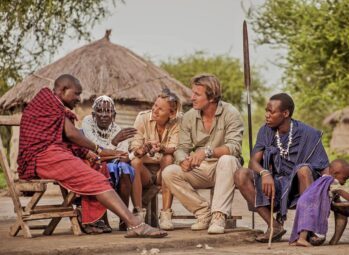
Uganda Coffee Tours: A Journey from Bean to Cup for Ugandan coffee
Long before Uganda became known internationally for gorilla trekking and savannah wildlife, the country was quietly building a reputation as one of Africa's most important coffee producers, and that legacy is now available to travelers in an entirely different form. Uganda Coffee Tours have grown into one of the most rewarding cultural add-ons available anywhere in the country, taking visitors directly onto the terraced hillsides where coffee has been grown for generations and connecting them with the farmers whose work fills cups around the world.
This guide walks through everything travelers need to know about Uganda Coffee Tours, from where to find the best of them to what actually happens during a visit and how to weave coffee into a broader safari itinerary. For travelers who want their trip to include more than wildlife alone, few activities offer as direct and personal a connection to rural Ugandan life as spending a morning with the smallholder families who grow the beans behind one of the world's most beloved beverages.
Why Uganda Is a Serious Coffee Destination
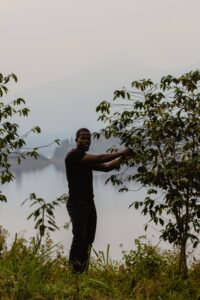
Uganda's claim to coffee credibility runs deeper than most travelers realize before their first visit. The country's fertile volcanic soil, high altitude growing regions, and reliable rainfall create genuinely ideal conditions for coffee cultivation, and coffee remains one of Uganda's top agricultural exports alongside tea, produced by a network of close to 1.7 million small-scale growers scattered across the country.
This is not a niche industry catering to a handful of boutique farms; it is a foundational part of the national economy, and Uganda Coffee Tours give visitors a genuine window into an industry that touches millions of rural livelihoods.
Uganda grows both Robusta and Arabica varieties, a distinction worth understanding before booking any Uganda Coffee Tours experience. Robusta, native to Uganda and found growing wild in the country's forests, thrives at lower altitudes and delivers a bolder, more bitter flavor profile prized in many espresso blends worldwide. Arabica, grown at the higher altitudes found around Mount Elgon in the east and the Rwenzori foothills and southwestern highlands, produces the smoother, more nuanced flavor most specialty coffee drinkers associate with premium beans.
This geographic and varietal diversity means Uganda Coffee Tours in different parts of the country genuinely differ from one another, offering distinct experiences depending on which growing region a traveler visits.
Coffee Tours Around Sipi Falls and Mount Elgon on safari
The slopes of Mount Elgon near Sipi Falls in eastern Uganda rank among the most celebrated destinations for Uganda Coffee Tours, thanks to internationally recognized, high-quality Arabica grown on the mountain's fertile volcanic soil. Local farmers guide visitors through the entire process, from planting seedlings in nursery beds and nurturing young coffee trees to harvesting ripe cherries by hand, drying them in the sun, and roasting the beans over an open fire using methods passed down through generations. Few agricultural tours anywhere combine this level of hands-on involvement with such spectacular surrounding scenery, since Sipi's rolling hills and cascading waterfalls provide a dramatic backdrop throughout the entire experience.
Many Uganda Coffee Tours in the Sipi region conclude with visitors grinding roasted beans by hand and brewing their own cup using traditional methods, an experience that consistently ranks among travelers' favorite memories of the entire region. Because Sipi Falls already draws hikers and adventure travelers for its waterfalls, abseiling, and hill running, a coffee tour pairs naturally into a single day alongside these more physically demanding activities, giving visitors a gentler, more contemplative counterpoint to a morning spent hiking between waterfalls or a session abseiling down the main 100-metre falls.
Coffee Tours in Southwestern Uganda Near Bwindi
Southwestern Uganda, home to the country's gorilla trekking circuit, also produces some of Uganda's finest Arabica coffee, grown at high altitude across the hills surrounding Bwindi Impenetrable Forest. Uganda Coffee Tours in this region often combine naturally with a gorilla trekking itinerary, giving travelers a way to spend a rest day or a gentler morning learning about local agriculture between more physically demanding forest treks.
Small-scale farmers throughout the region welcome visitors onto their plots, walking guests through the same planting, harvesting, and processing stages found elsewhere in the country while adding their own regional context around how coffee farming intersects with life so close to a major conservation area.
Gorilla Conservation Coffee, a social enterprise founded in partnership with the Conservation Through Public Health organization, represents one of the more distinctive Uganda Coffee Tours experiences available, since proceeds from every bag sold go directly toward mountain gorilla conservation efforts in Bwindi. The coffee blend itself is named after Kanyonyi, a legendary silverback from Bwindi's Mubare gorilla family, and travelers can visit the associated Gorilla Conservation Café in Entebbe to sample the coffee, purchase beans, or simply learn more about how the enterprise ties agricultural tourism directly to wildlife protection.
Understanding Uganda's Coffee Varieties
Part of what makes Uganda Coffee Tours genuinely educational rather than purely scenic is th e chance to understand the country's two distinct coffee varieties firsthand. Robusta coffee is native to Uganda, growing wild in the country's forests long before commercial cultivation began, and remains the dominant variety by volume, thriving in the warmer, lower-altitude regions across central and northern Uganda. Its bold, earthy flavor profile and higher caffeine content have made it a staple in instant coffee blends and espresso mixes worldwide, even though it rarely receives the specialty attention given to Arabica.
Arabica, by contrast, was introduced to Uganda's higher-altitude regions during the twentieth century and has since become the variety most closely associated with the country's growing reputation in the specialty coffee world. Grown primarily around Mount Elgon in the east and the volcanic highlands of the southwest near Bwindi, Uganda's Arabica beans benefit from cooler temperatures, rich volcanic soil, and the kind of slow, high-altitude ripening that produces the bright acidity and complex flavor notes prized by specialty roasters internationally.
Coffee tours in these highland regions typically focus on Arabica specifically, giving visitors a direct look at the growing conditions responsible for beans that increasingly compete with more internationally recognized origins like Ethiopia or Kenya.
The Broader Economic Significance of Coffee Tourism
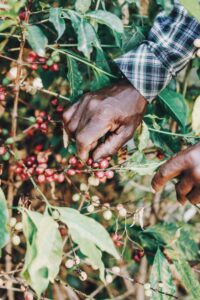
Coffee remains one of Uganda's most important export commodities, and understanding this broader economic context adds real depth to any Uganda Coffee Tours experience. Close to 1.7 million smallholder farming families across the country depend on coffee as a primary or significant secondary income source, working plots often smaller than a single hectare using techniques passed down across generations rather than industrial-scale mechanized farming.
This smallholder-driven model means that coffee tourism revenue, unlike proceeds from a large plantation, flows directly and transparently into individual farming households rather than through distant corporate structures.
Government and development agencies have increasingly recognized the potential of Uganda Coffee Tours as a tool for rural economic development, supplementing traditional export income with tourism revenue that keeps a greater share of value within the communities actually growing the crop. This recognition has encouraged the growth of cooperative-run visitor programmes beyond the original Sipi Falls operations, expanding opportunities for farming communities across the country's various coffee-growing regions to develop their own tourism offerings rather than relying solely on unpredictable global commodity prices for their livelihoods.
What Happens During a Coffee Farm Visit
Regardless of which region a traveler chooses, most Uganda Coffee Tours follow a broadly similar structure, walking visitors through the complete journey from seed to cup. The tour typically begins in a nursery bed, where farmers explain how young coffee seedlings are cultivated before being transplanted onto the hillside plots that will eventually become productive trees, often over a maturation period stretching several years before the first meaningful harvest.
From there, guides lead visitors among mature coffee trees, explaining how farmers judge ripeness, the physical work involved in hand-picking cherries during harvest season, and the environmental factors that shape flavor across different growing conditions.
Processing forms the next stage of most Uganda Coffee Tours, covering how harvested cherries are pulped to remove the outer fruit, fermented, washed, and then dried, traditionally spread across raised beds or mats in direct sunlight for days at a time, with farmers turning the beans regularly by hand to ensure even drying and prevent mold from developing in Uganda's humid highland air.
Roasting typically follows, often demonstrated using traditional methods over an open flame rather than industrial equipment, filling the air with the rich, smoky aroma that signals the beans are nearly ready, a moment many visitors describe as the most memorable single part of the entire experience.
Many tours conclude with visitors grinding the freshly roasted beans by hand using a simple wooden mortar and pestle, then brewing a cup using traditional equipment passed down through generations of the farming family, turning what could be a purely educational visit into a genuinely participatory, sensory experience that lingers well beyond the taste of the coffee itself.
The People Behind Uganda's Coffee Industry
Part of what makes Uganda Coffee Tours so rewarding is the direct, unmediated contact with the farmers themselves, a level of access rarely available in more industrialized coffee-growing regions elsewhere in the world. Because Uganda's coffee sector relies so heavily on small-scale growers rather than large corporate plantations, visitors on Uganda Coffee Tours typically meet the actual family who owns and works the specific plot being toured, hearing firsthand about the challenges of unpredictable weather, fluctuating global coffee prices, and the generational knowledge passed down about which growing and processing techniques produce the best results on their particular hillside.
Many of these farming families have worked the same plots for two or three generations, with children growing up helping with the harvest before eventually taking over the land themselves, giving visitors a genuine sense of continuity and pride that runs through every stage of the tour.
This direct connection carries genuine economic weight as well. Revenue generated through Uganda Coffee Tours flows straight to the farming families and community cooperatives hosting visitors, providing income that supplements what farmers earn from selling their harvest through conventional export channels. For travelers interested in responsible, community-benefiting tourism, few activities in Uganda deliver that impact as directly and transparently as a well-organized coffee tour, where the connection between tourism spending and local livelihoods is immediate and visible rather than abstract. Guides leading these tours are frequently drawn from the same farming families or nearby communities, adding a further layer of authenticity and ensuring the knowledge shared with visitors reflects genuine lived experience rather than a rehearsed, generic script.
Combining Coffee Tours With the Rest of Uganda
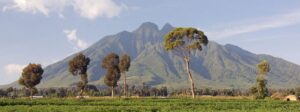
Because Uganda's best coffee-growing regions overlap so naturally with the country's other major attractions, Uganda Coffee Tours rarely need to stand alone as the sole reason for a visit. In the east, Sipi Falls coffee tours pair effortlessly with waterfall hikes, Mount Elgon trekking, and a broader eastern Uganda circuit that might also include Jinja's adventure activities or Kidepo Valley National Park further north. In the southwest, coffee tours near Bwindi slot naturally into a gorilla trekking itinerary, offering a gentler, lower-intensity activity to balance out the physical demands of a forest trek.
Travelers building a longer Uganda itinerary often treat Uganda Coffee Tours as a flexible, easily inserted addition rather than a standalone destination requiring dedicated travel days, since most coffee-growing regions sit directly along routes travelers are already taking toward other major parks and attractions. This flexibility, combined with the genuinely rewarding nature of the experience itself, has made coffee tourism one of the more quietly popular additions to Uganda itineraries in recent years, appealing to travelers who want cultural depth alongside wildlife encounters rather than a purely nature-focused trip.
Gorilla Conservation Coffee: Where Coffee Meets Conservation

One of the more distinctive threads running through Uganda Coffee Tours involves a direct link between coffee and mountain gorilla conservation. Gorilla Conservation Coffee, a social enterprise based in Entebbe and created in partnership with the Conservation Through Public Health organization, sells third-wave Ugandan coffee with proceeds flowing directly toward protecting the endangered mountain gorillas of Bwindi Impenetrable Forest.
The blend itself is named after Kanyonyi, a legendary silverback from Bwindi's Mubare gorilla family, giving travelers who purchase beans or visit the Entebbe café a tangible, drinkable connection to the same conservation story that likely brought them to Uganda in the first place.
For travelers who want their coffee purchases to genuinely support conservation rather than merely serve as a generic souvenir, this pairing of coffee tourism and gorilla protection has become one of the more meaningful additions available on a Uganda itinerary.
Visitors can order a fresh cup directly at the Entebbe café or purchase whole beans to bring home, and many travelers specifically seek out this brand as a final stop before departure, closing out their Uganda trip with a purchase that continues supporting the same wildlife they may have just spent days trekking to see. This model has also inspired similar community-linked coffee ventures elsewhere in the country, reinforcing the broader trend of Uganda Coffee Tours increasingly tying agricultural tourism directly to conservation outcomes rather than treating the two as separate concerns.
Best Time of Year for Coffee Tours in Uganda
Coffee farming follows its own seasonal rhythm in Uganda, and understanding this cycle helps travelers get the most out of Uganda Coffee Tours depending on what they most want to see. Harvest season varies somewhat by region and altitude, but generally falls within Uganda's broader dry season windows, when ripe cherries are picked by hand and processing activities like drying and roasting are in full swing, giving visitors the fullest, most active picture of the entire production process.
Visiting outside harvest season still offers a rewarding experience, since farmers can walk visitors through nursery beds, young trees, and processing equipment even when no active harvest is underway, but travelers specifically hoping to witness picking and processing firsthand should time their visit around the appropriate regional harvest window.
Because Uganda Coffee Tours are typically arranged as a half-day or full-day add-on rather than a multi-day dedicated trip, seasonal timing matters less than it would for activities like gorilla trekking, where trail conditions shift considerably between wet and dry months. Coffee tours remain enjoyable and informative essentially year-round, making them a flexible activity that can be inserted into an itinerary regardless of when other, more weather-dependent activities are scheduled.
Common Questions About Uganda Coffee Tours
Travelers researching Uganda Coffee Tours for the first time tend to ask a similar set of practical questions. How long does a typical coffee tour last? Most tours run between two and four hours, making them an easy half-day addition to a broader itinerary rather than requiring a dedicated full day. Is it necessary to book in advance? While some coffee farms welcome walk-in visitors, particularly in well-established tourism areas like Sipi Falls, booking through a local operator ensures a knowledgeable guide, appropriate community compensation, and a smoothly coordinated visit that fits naturally around other planned activities.
Can visitors purchase coffee to take home? Yes, and doing so is one of the most popular parts of Uganda Coffee Tours, with freshly roasted beans available for purchase directly from the farmers or cooperative, making for a genuinely meaningful souvenir that supports the same community hosting the visit. Are coffee tours suitable for children? Generally yes, since the activity involves gentle walking and hands-on demonstrations rather than strenuous physical exertion, making it accessible to travelers of nearly any age or fitness level.
How does coffee tourism benefit local communities? Revenue from Uganda Coffee Tours flows directly to the farming families and cooperatives hosting visitors, supplementing income from conventional coffee sales and providing a tangible, transparent way for travel spending to benefit rural Ugandan communities directly.
Why Uganda Coffee Tours Deserve a Place on Your Itinerary
For travelers seeking a deeper, more human connection to Uganda beyond wildlife encounters alone, Uganda Coffee Tours offer something genuinely rewarding: direct contact with the farmers and communities behind one of the country's most important exports, set against some of its most beautiful landscapes.
Whether experienced on the slopes of Mount Elgon near Sipi Falls or on the hillsides surrounding Bwindi's gorilla trekking circuit, a coffee tour adds cultural depth, supports rural livelihoods directly, and rewards travelers with a genuinely memorable, hands-on experience from seed to cup. Reach out to Tulambule Uganda Safaris to build Uganda Coffee Tours into your itinerary, paired with gorilla trekking, Sipi Falls hiking, or wherever else your Uganda adventure takes you.
Suggested packages
7 Days Uganda Safari, Gorilla, Chimps, Culture & Wildlife
7 Days Uganda Birding Tour | Shoebills, Chimps, Gorillas, & More
7-Day Uganda Wildlife Safari | Chimps, Gorillas, Big 5 & More!
8 Days Uganda Safari, Big 5, gorillas, Chimps and Tree-Climbing Lions
9-Day Ultimate Uganda Safari: Unforgettable Gorillas, Wildlife & Cultural Encounters 2026