Responsible tourism in Uganda means travelling in a way that protects wildlife, respects local culture and puts money directly into the hands of Ugandan communities. At Tulambule Uganda Safaris, we build this into every trip, and we have gone a step further through our partnership with Kelom Children Centre, a Ugandan organisation caring for autistic children and their families.
For every traveller we serve, we contribute at least US$1 to Kelom Children Centre. So when you book a gorilla trek, a game drive or a family safari with us, you also help children who need specialised care. This guide explains what responsible tourism in Uganda looks like in practice, how our partnership works, and how you can travel with purpose.
What Is Responsible Tourism in Uganda?
Responsible tourism in Uganda is about making sure your visit gives back more than it takes. It rests on three simple ideas:
- Protecting nature: following park rules, keeping your distance from wildlife and choosing lodges that care for the environment.
- Respecting people and culture: learning local customs, asking before you photograph people and buying from local makers.
- Sharing the benefits: spending your money with Ugandan guides, lodges, cooks, drivers and community projects.
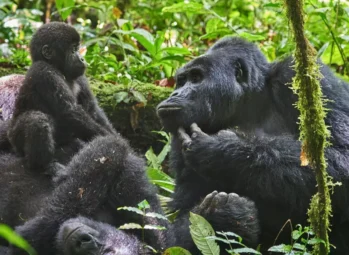
Uganda already has a strong model for this. Part of every gorilla permit fee goes to communities living around the national parks, which helps local people see the gorillas as a shared treasure worth protecting. When you travel responsibly, you strengthen that link.
How Tulambule Practises Responsible Tourism in Uganda
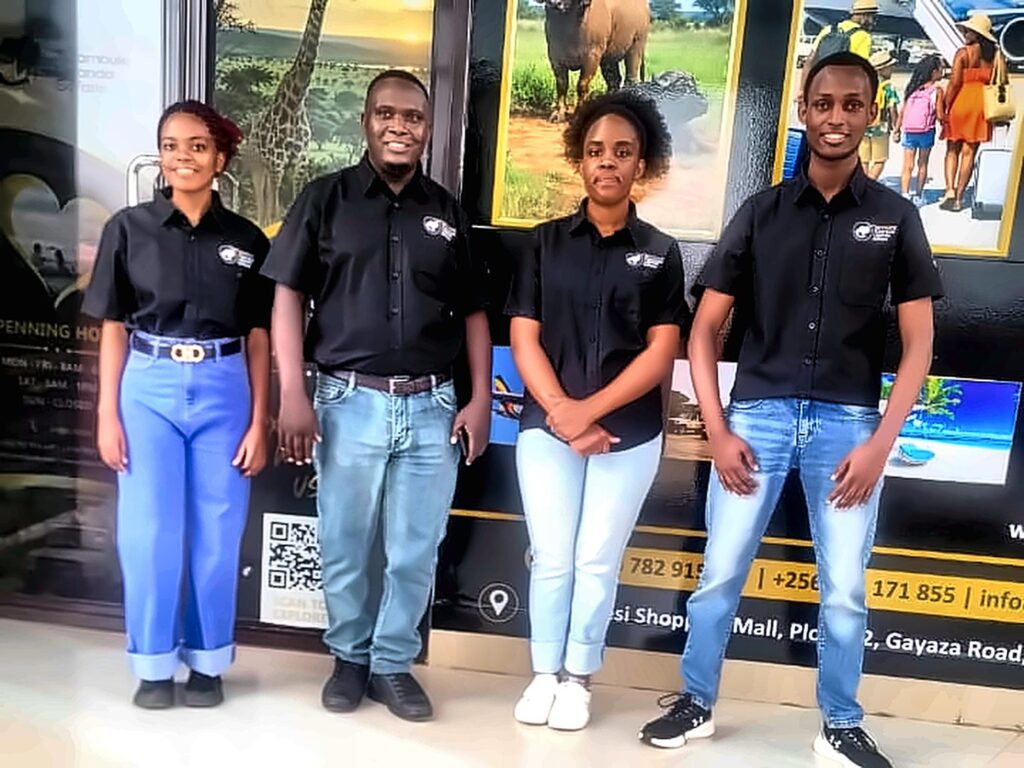
We are a Ugandan-owned company, founded in 2014 and based in Kampala. Here is what responsible tourism in Uganda means in our daily work:
- Local people at every step: our driver-guides, office team and partners are Ugandan, so your safari supports Ugandan families.
- Community-run experiences: we include activities run by local groups, such as wetland walks, cultural visits and craft cooperatives, where the money stays in the village.
- Thoughtful lodge choices: we recommend lodges that support conservation and employ local staff. See our guide to ecolodges in Uganda.
- Respect for wildlife: our guides follow every park rule, from gorilla viewing distances to quiet game drives.
- Giving back: at least US$1 from every traveller goes to Kelom Children Centre.
Responsible Tourism in Uganda: Our Partnership With Kelom Children Centre
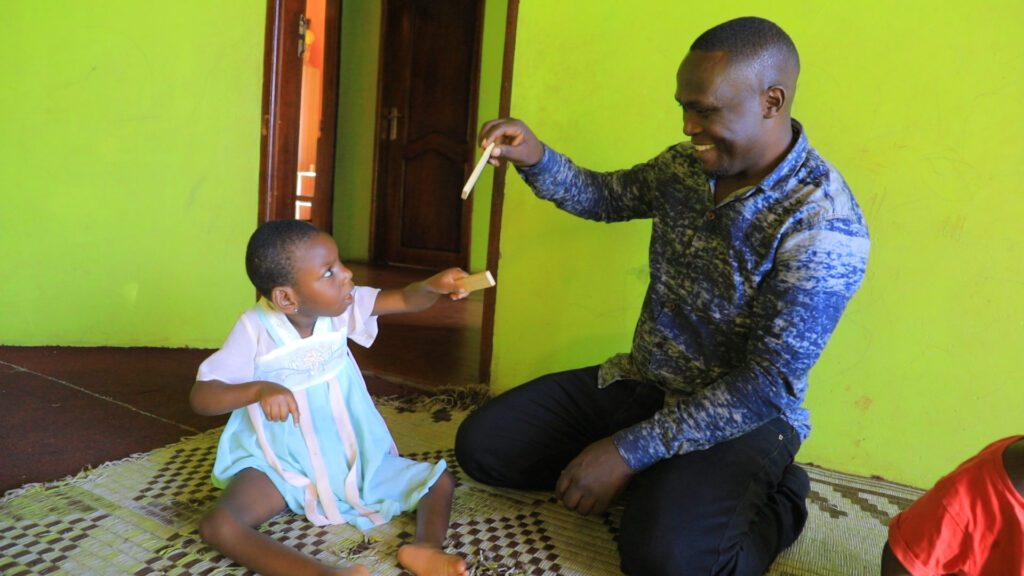
Kelom Children Centre is a Christian-based, community-led organisation in Uganda that supports autistic children, children with special needs, and families facing mental health challenges. Its work includes:
- Specialised education designed around each child's needs.
- Therapy services, including speech, occupational and behavioural therapy.
- Family support through counselling and skills training for parents and carers.
- Community outreach to reduce the stigma around autism and disability.
Through our partnership, every traveller who books with Tulambule contributes at least US$1 to this work. It is a small amount per guest, but across hundreds of travellers it adds up to real support for therapy, learning and family care.
Visiting Kelom Children Centre
Guests who would like to see the centre's work can add a visit to their safari. We arrange every visit with the centre in advance, at a time that suits the children's routine. Visits are calm and respectful: you meet staff, learn about their programmes and see how the support helps families. Please do not photograph children without permission, and speak to us if you would like to give a further donation or bring useful supplies.
Why Autism Support Matters in Uganda
Autism affects how a person communicates, interacts and experiences the world, and it shows up differently in every child. Worldwide, around 1 in 100 children is autistic, and boys are diagnosed several times more often than girls.
In Uganda, as in many countries, autism is still widely misunderstood. Specialist services are limited, many children are never diagnosed, and families can face isolation and financial strain. Organisations like Kelom Children Centre fill a vital gap, which is why we chose to make them part of our approach to responsible tourism in Uganda.
Travel with purpose in Uganda
Book your gorilla trek or wildlife safari with Tulambule and support Kelom Children Centre with every trip. Ask us about adding a visit to the centre.
Community Experiences for Responsible Tourism in Uganda
Responsible tourism in Uganda is not only about donations. The most meaningful moments often come from time spent with local people. These experiences fit easily into most of our safaris:
Cultural Performances in Kampala
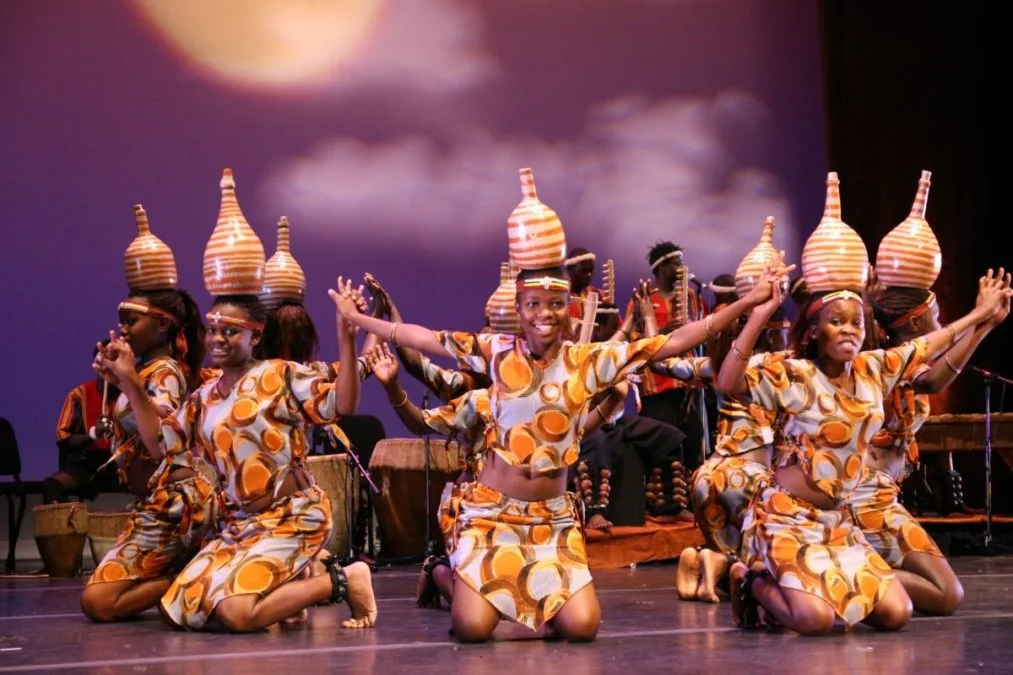
Culture is at the heart of responsible tourism in Uganda, a country home to more than 50 ethnic groups. An evening of traditional music and dance in Kampala is a wonderful first taste of that diversity. Discover more things to do in Kampala.
Community Walks and Village Enterprises
Near Kibale Forest, community-run wetland walks support local schools and projects. Around Bwindi and elsewhere, you can visit women-led craft groups, local schools and small farms, where your spending goes directly to the families you meet. Explore our cultural tours in Uganda.
The Batwa Experience

Community-led visits like this are a strong example of responsible tourism in Uganda. The Batwa once lived in the forests of Bwindi and Mgahinga. Community-led Batwa experiences share their traditions, from fire making to forest medicine, and help support the community today.
Coffee and Farm Tours
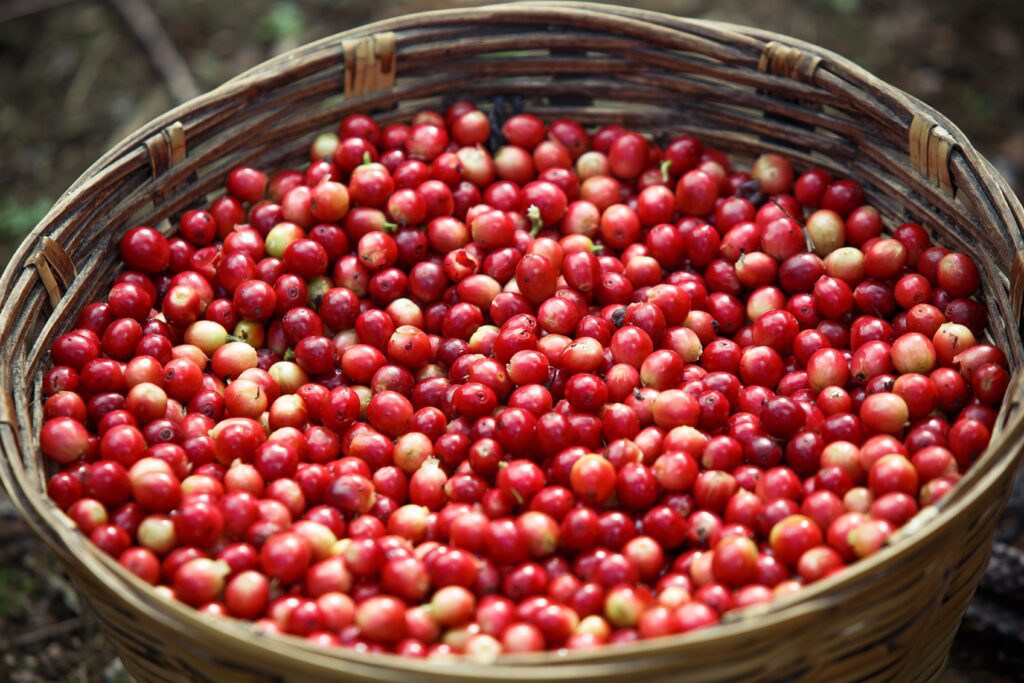
Uganda is one of Africa's leading coffee producers, and most of it is grown by smallholder farmers. A coffee tour lets you pick, roast and taste coffee with a farming family. See our Uganda coffee tours.
Homestays
For many guests, a homestay is the most personal form of responsible tourism in Uganda and one of the best ways to experience Uganda. Our homestay near Lake Mburo combines cattle-keeping culture with nearby wildlife.
Sample Itineraries for Responsible Tourism in Uganda
These two itineraries combine Uganda's best wildlife with community experiences and a visit to Kelom Children Centre, arranged with the centre in advance.
7-Day Wildlife and Community Safari
- Day 1: Arrive in Entebbe. Transfer to your hotel in Kampala. On show evenings, enjoy a traditional music and dance performance.
- Day 2: Kelom Children Centre and on to Kibale. Morning visit to Kelom Children Centre to learn about its work, then drive west to Kibale Forest, about five to six hours, with a stop at a local craft enterprise.
- Day 3: Chimpanzee tracking and Bigodi. Track chimpanzees in Kibale Forest, then join a community-run walk in the Bigodi Wetland.
- Day 4: Queen Elizabeth National Park. Drive south and join the 2 PM boat cruise on the Kazinga Channel among hippos, buffalo and birds.
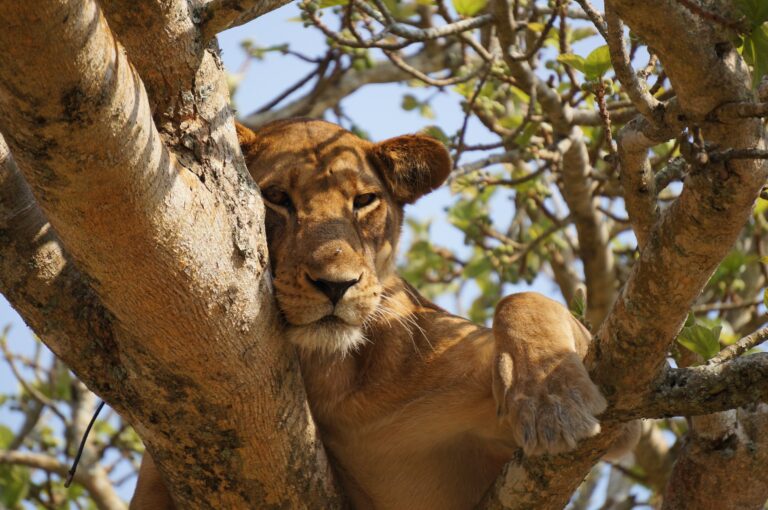
- Day 5: Game drive and on to Bwindi. Early game drive on the Kasenyi plains, then drive through Ishasha, home of the tree-climbing lions, to Bwindi.
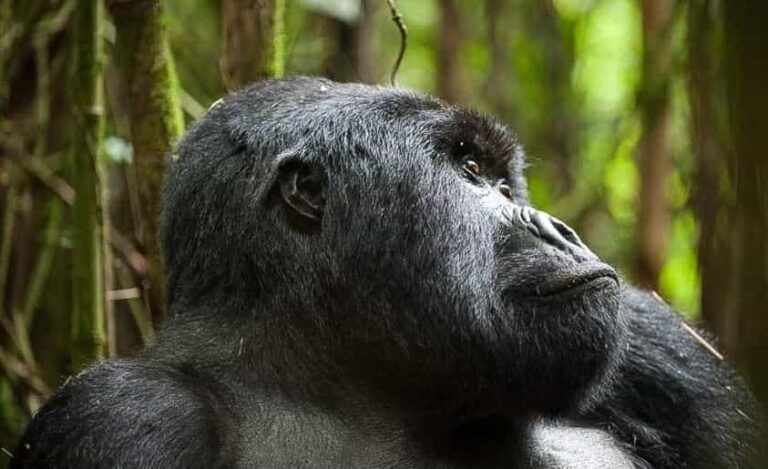
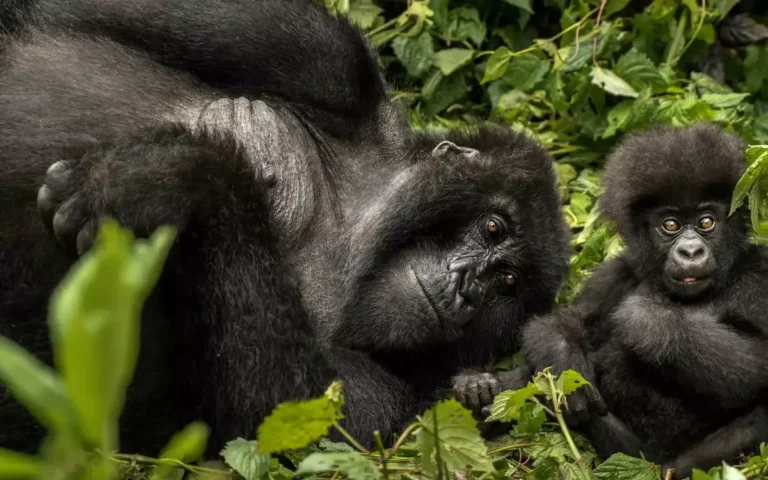
- Day 6: Gorilla trekking. Trek mountain gorillas in Bwindi, then spend the afternoon on a Batwa or community walk.
- Day 7: Return to Entebbe. Drive back to Entebbe, with a stop at the Equator, for your evening flight.
4-Day Short Safari With Kelom Visit
- Day 1: Arrive and visit Kelom. Arrive in Entebbe and visit Kelom Children Centre in the afternoon, by arrangement. Overnight in Kampala.
- Day 2: Queen Elizabeth National Park. Drive west, with a stop at a community craft centre on the way.
- Day 3: Game drive and boat cruise. Morning game drive on the Kasenyi plains and the 2 PM Kazinga Channel boat cruise.
- Day 4: Return to Entebbe. Drive back via the Igongo Cultural Centre and the Equator for your departure.
Both itineraries can be adjusted for your dates, budget and interests. Learn more about Queen Elizabeth National Park and the Kazinga Channel.
Why Choose Responsible Tourism in Uganda?
Choosing responsible tourism in Uganda makes your trip richer as well as kinder. You meet the people behind the places, eat food grown nearby, hear stories you would never find in a guidebook, and leave knowing your money has helped families, schools and conservation.
It also protects what you came to see. When communities earn a living from wildlife tourism, they have strong reasons to protect gorillas, chimpanzees and forests for the future. Every responsible traveller helps keep Uganda's wild places wild.
- Deeper experiences: real conversations and connections, not just sightseeing.
- Stronger conservation: communities that benefit from tourism protect wildlife.
- Lasting impact: support for children's care, education and local jobs.
Responsible Tourism in Uganda: 8 Tips for Travellers
- Choose a local operator. A Ugandan-owned company keeps more of your money in the country.
- Follow wildlife rules. Keep your distance, stay quiet and never feed animals.
- Ask before taking photos of people, especially children, and respect a no.
- Buy local. Crafts, coffee and bark cloth made in Uganda support local families.
- Dress modestly in towns and villages, and learn a few words of a local language.
- Reduce waste. Carry a refillable water bottle and avoid single-use plastic.
- Tip fairly for guides, porters and lodge staff. See our guide to tipping in Uganda.
- Give through trusted organisations, like Kelom Children Centre, rather than handing out money or sweets to children.
For more ideas, read our guide to sustainable tourism safaris in Uganda.
Responsible Tourism in Uganda: Safaris That Give Back
Every one of these safaris supports Kelom Children Centre and can include community experiences along the way. Choose your trip and we will tailor it to you.
Continue Planning Your Trip
Responsible tourism in Uganda turns a great safari into one that also changes lives. Tell us what you would love to see and do, and we will build a trip that gives back.
Plan a safari that gives back
Share your dates and interests. We will design your safari with community experiences included and send you a free, tailor-made quote.
Get a Free QuoteChat on WhatsApp
Licensed by UTB and UWA • Member of AUTO • Rated 4.9 on TripAdvisor