There are birds you expect to see on an African safari — lions drinking at a waterhole, elephants parading across the savannah, a fish eagle diving for its catch. Then there is the shoebill stork. Nothing prepares you for the moment you glide around a bend in a papyrus-lined swamp and come face to face with this enormous, prehistoric-looking creature staring back at you with cold, yellow eyes and absolutely no intention of moving.
The shoebill stork Uganda is one of the most sought-after wildlife sightings in Africa. Birders travel from every corner of the world — sometimes making Uganda their entire destination — just to tick this single species off their list. And honestly? After seeing one, you will completely understand why.
In this guide, we cover everything you need to know: what the shoebill stork is, why Uganda is the best place to see it, and the 7 best locations where you can find the shoebill stork in Uganda, from the famous swamps near Entebbe to remote national park wetlands in the north and west.
What Is the Shoebill Stork?
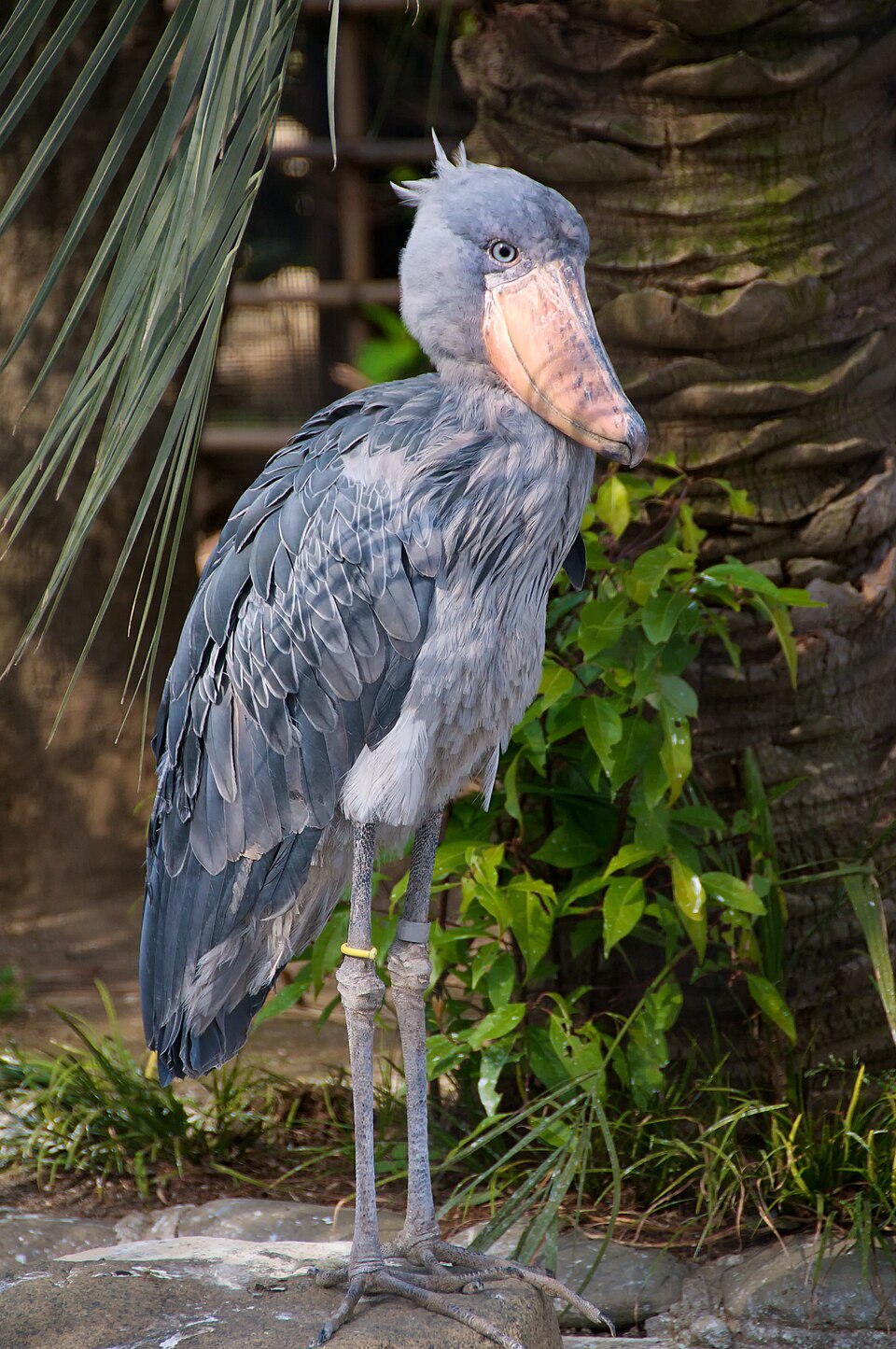
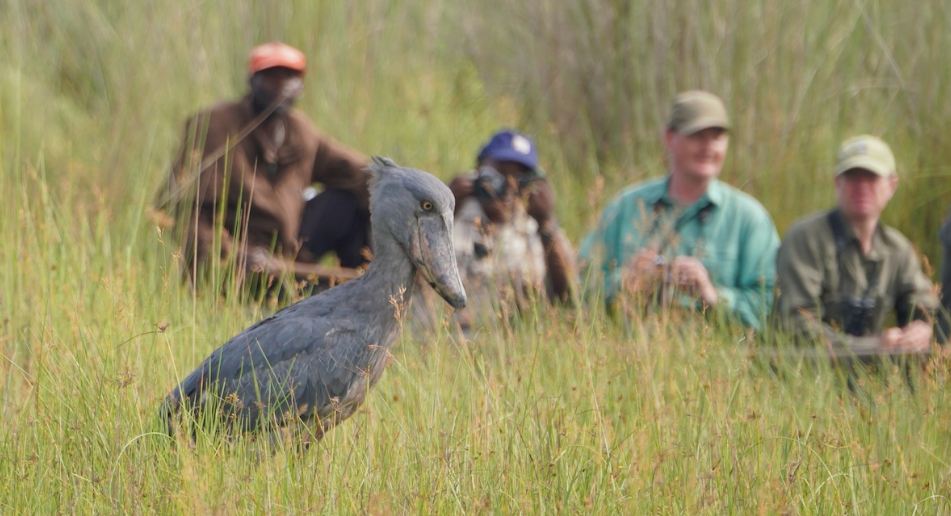
The shoebill stork (Balaeniceps rex) is a large wading bird native to the tropical swamps of East and Central Africa. Despite the name, it is not closely related to true storks. Scientists now classify it closer to pelicans and herons, but the shoebill really does belong to a category all its own.
Here is what makes the shoebill stork so extraordinary:
Size: Adults stand up to 1.5 metres tall — roughly the height of a 10-year-old child — with a wingspan of up to 2.4 metres. It is a genuinely massive bird.
The bill: The defining feature is that enormous, shoe-shaped bill. Measuring up to 24 cm long and 10 cm wide, it ends in a sharp, curved hook designed to grip slippery prey. The bill is a warm grey-tan colour with irregular brown markings, and it looks almost mechanical — like something a special effects team designed for a science fiction film.
The stare: The shoebill has large, pale yellow eyes that give it an expression of permanent, unsettling intensity. It will hold your gaze for minutes at a time without blinking, without flinching, without moving at all. It is equal parts mesmerising and slightly unnerving.
Hunting style: The shoebill is a patient, ambush predator. It will stand motionless in shallow water — sometimes for hours — waiting for a lungfish, monitor lizard, water snake, or even a baby crocodile to come within range. When the moment arrives, it lunges with explosive speed, engulfing its prey with that huge bill. It then shakes its head from side to side, expelling water and vegetation, before delivering a sharp decapitation and swallowing its meal whole.
Conservation status: The shoebill stork is classified as Vulnerable on the IUCN Red List, with an estimated global population of between 3,300 and 5,300 individuals. Their wetland habitats are shrinking due to agriculture, drainage, and human settlement. This makes every sighting genuinely special — you are looking at one of Africa's rarest and most endangered large birds.
Why Uganda Is the Best Place to See the Shoebill Stork
Uganda holds the largest concentration of shoebill storks in East Africa, and possibly in the world. The country's extensive papyrus swamps, river deltas, and wetland systems create ideal habitat — shallow, well-oxygenated water rich in the lungfish and other large prey that shoebills depend on.
Beyond habitat, Uganda has developed excellent community-based birding tourism around the shoebill. Local guides have spent years learning the birds' movements, and community conservation programmes have turned former poachers and fishermen into protectors and tourism ambassadors. This means your chances of actually finding and watching a shoebill stork in Uganda are higher than anywhere else on the continent.
Uganda is also Africa's top birding destination overall, with over 1,060 recorded bird species — roughly 11% of all bird species on Earth. A shoebill safari here is never just about one bird. You will encounter hundreds of other spectacular species along the way, making it one of the most rewarding birding experiences available anywhere. You can read more in our Uganda Birding Tours guide.
7 Best Places to See the Shoebill Stork in Uganda
1. Mabamba Swamp — The Top Shoebill Destination in Africa
Mabamba Swamp on the northern shores of Lake Victoria, about 45 minutes from Entebbe, is widely regarded as the single most reliable place in the world to see the shoebill stork in its natural habitat. The combination of accessibility, expert local guides, well-established canoe routes, and a healthy resident shoebill population makes this the number-one choice for most visitors.
The experience is done by motorised wooden canoe — you glide silently through narrow channels lined with papyrus, scanning the edges for that unmistakable grey silhouette. The Mabamba wetland was designated a Ramsar Site of International Importance in 2006, which gave the birds legal protection. But the real conservation story is even more compelling: local fishermen who once regarded the shoebill as a bad omen (believing its presence drove away lungfish) now earn a livelihood from guiding visitors to find the bird, and actively protect it as a result.
The swamp covers 165 square kilometres and supports over 300 bird species. Even if the shoebill is having a quiet day, you will still photograph African jacanas, malachite kingfishers, papyrus gonoleks, African fish eagles, and much more.
Best time: Early morning, from 7:00 AM onwards. Shoebills are most active in cooler temperatures. Duration: 2–3 hours by canoe. Getting there: Approximately 45 km from Entebbe via Nakiwogo Landing Site.
Read our full guide to Mabamba Swamp for detailed visitor tips.
2. Murchison Falls National Park — Nile Delta Shoebills
The delta where the Victoria Nile flows into Lake Albert, at the northwestern corner of Murchison Falls National Park, is one of Uganda's most productive shoebill habitats. The shallow, papyrus-edged waters of the delta are perfect foraging territory, and the resident shoebill population here is well established.
The best way to see the shoebill stork at Murchison Falls is by boat — either as an extension of the famous boat cruise toward the base of Murchison Falls, or as a separate delta-focused birding excursion. Your guide will navigate into the quieter channels where the birds prefer to hunt.
This is particularly exciting because Murchison Falls combines the shoebill sighting with one of Africa's most spectacular natural wonders — the point where the entire Nile River squeezes through an 8-metre gap and plunges 45 metres into a roaring cauldron below. It is a true double-feature safari experience.
Best time: Early morning boat trips from Paraa jetty. Tip: Inform your guide in advance that shoebill spotting is a priority — they will plan the route accordingly.
3. Queen Elizabeth National Park — Kazinga Channel and Maramagambo
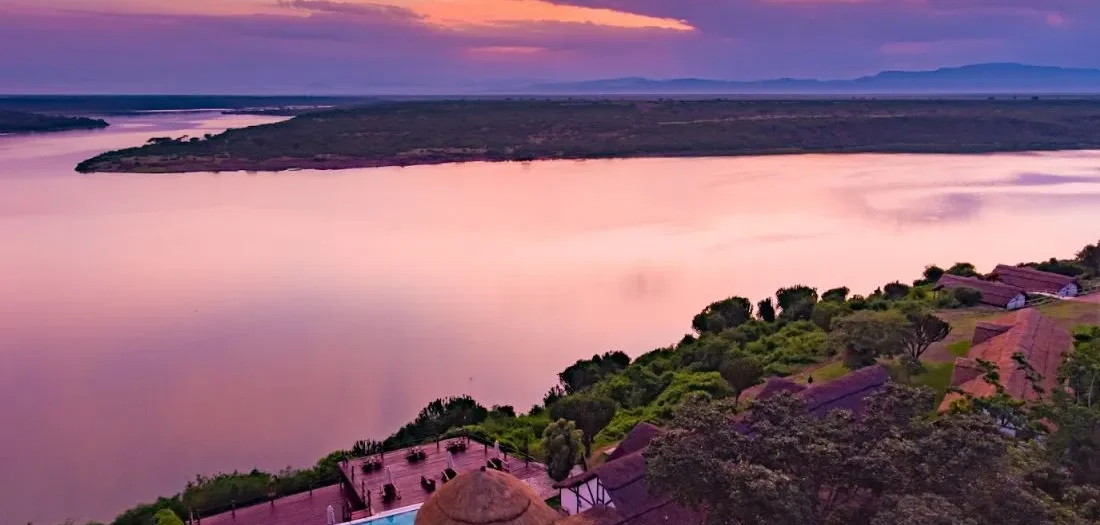
Queen Elizabeth National Park is best known for its tree-climbing lions, the Kazinga Channel boat cruise, and over 600 recorded bird species. But it also holds a resident shoebill population, particularly in the wetland areas around the Kazinga Channel and the Maramagambo Forest fringes.
The Kazinga Channel cruise itself is already one of Uganda's unmissable wildlife experiences — you drift past hippos, elephants, crocodiles, and enormous flocks of waterbirds at close range. The presence of shoebills in this area makes the cruise even more rewarding for birding-focused visitors.
Queen Elizabeth is also the gateway to the Ishasha Sector in the south, famous for tree-climbing lions. Combining a shoebill morning on the Kazinga Channel with an afternoon game drive through Ishasha makes for an extraordinarily rich day of wildlife viewing.
4. Lake Mburo National Park — Warukiri and Rwonyo Swamps
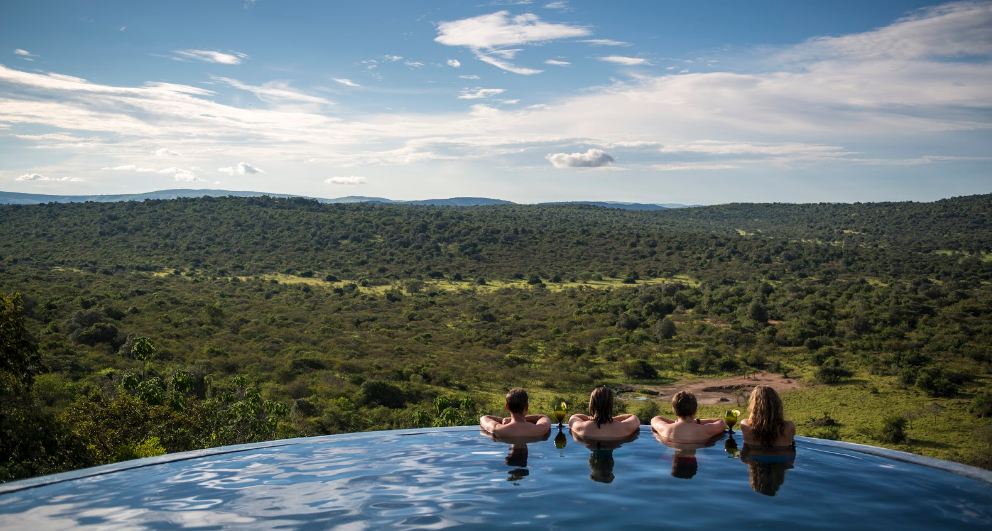
Lake Mburo National Park is Uganda's smallest savannah park, located about three hours from Kampala on the road to Mbarara. It is often added as a stopover on the way to Bwindi Impenetrable National Park for gorilla trekking, and it punches well above its weight for birding.
The papyrus swamps at Warukiri and Rwonyo are good shoebill stork habitat, and the park's wetlands also support the papyrus gonolek, grey crowned crane, African finfoot, and the rare white-backed night heron. Lake Mburo is one of the few Uganda national parks where you can do guided walking safaris and horseback riding alongside game drives — making the birding experience particularly immersive.
5. Lake Victoria — Entebbe Botanical Gardens Area
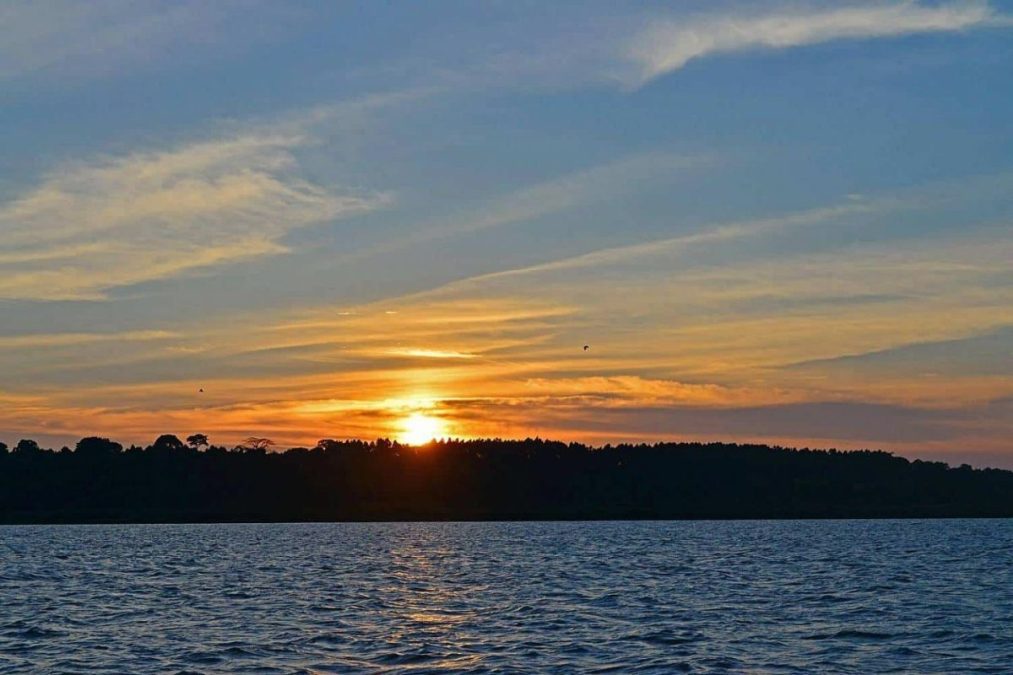
The shores of Lake Victoria around Entebbe provide several excellent entry points for shoebill stork Uganda sightings, beyond Mabamba itself. Lutembe Bay, another Ramsar site near Entebbe, is an important bird area particularly during the migration season, when shoebills can occasionally be spotted along with thousands of migratory waterbirds.
The Entebbe Botanical Gardens, established in 1898 on the shores of Lake Victoria, offer easy and rewarding birdwatching just minutes from the airport. While the gardens themselves are better for forest species like African grey parrots, great blue turacos, and Ross's turacos, they make an excellent morning activity before or after your Mabamba canoe trip.
Lake Victoria is Africa's largest lake and one of Uganda's most important birding regions overall. Our detailed Lake Victoria guide covers the full range of birding and boat cruise experiences available.
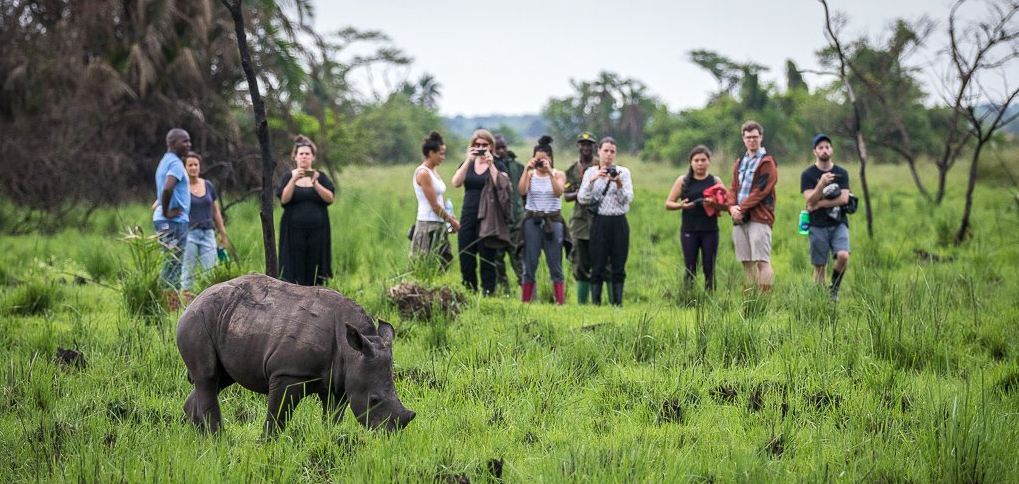
6. Ziwa Rhino Sanctuary — An Underrated Shoebill Spot
Most visitors to Ziwa Rhino Sanctuary come for one reason — it is the only place in Uganda where you can track wild white rhinos on foot, and it sits conveniently on the main road between Kampala and Murchison Falls National Park. But the sanctuary's wetland areas are also genuinely productive for shoebill stork sightings, and this fact is frequently overlooked.
Adding a shoebill-focused wetland walk to your rhino tracking experience at Ziwa turns a good stopover into a great one. The combination of white rhino tracking plus shoebill stork in a single morning is hard to beat anywhere in Africa.
Tip: This works best as a half-day stop on day one of a Murchison Falls safari. Arrive early, do the rhino tracking first, then ask for a wetland birding walk specifically targeting the shoebill before continuing north.
7. Semuliki National Park — Remote and Rewarding
For serious birders willing to go off the beaten track, Semuliki National Park on the Albertine Rift near the Democratic Republic of Congo border is one of Uganda's most biodiverse and least visited birding destinations. The park sits in the Semuliki Valley, where lowland Congo Basin forest meets open wetlands.
While shoebill sightings at Semuliki are less predictable than at Mabamba or the Murchison Delta, the park's extraordinary range of Albertine Rift endemic species makes it a compelling destination in its own right. If you are building a dedicated Uganda birding itinerary with 7 or more days, Semuliki deserves a place on your route.
Best Time to See the Shoebill Stork in Uganda
The shoebill stork Uganda can be seen throughout the year — unlike migratory species, shoebills are resident and do not move with the seasons. However, some times are better than others.
Dry seasons (June–September and December–February) are generally preferred. Water levels are lower during dry periods, concentrating prey in shallower areas and making shoebills easier to locate. Canoe access through swamps is also more straightforward, and there is less vegetation obscuring your view.
Wet season visits (March–May and October–November) are still productive, especially at Mabamba. The birds remain active, the swamp is lush and beautiful, and you will have the wetland largely to yourself. Some visitors actually prefer the wet season for the atmosphere and the lower visitor numbers.
Regardless of season, early morning is always the best time to find the shoebill stork. Aim to be on the water before 8:00 AM. The birds are more active in cooler temperatures, and the light is spectacular for photography.
Tips for Watching the Shoebill Stork in Uganda
Move quietly. Shoebills are not easily spooked, but they are sensitive to sudden noise and movement. Ask your boatman to cut the engine when you get close. The silence of a canoe approach makes the experience far more intimate.
Bring good binoculars. Even when you find a shoebill, it may be standing in vegetation at some distance. A pair of 8x42 or 10x42 binoculars will make the difference between a distant grey shape and a detailed, satisfying view.
Give the bird space. The recommended approach distance is at least 10 metres. Responsible shoebill tourism means the bird does not flush, does not stop feeding, and is not disturbed. Your guide will know how close to get.
Be patient. This is the single most important thing. Shoebills move very little during the day. Sometimes you will find one standing motionless for 20 minutes before it takes a single step. That stillness is part of what makes them so extraordinary to observe.
Use a licensed guide. The community guides at Mabamba and the Uganda Wildlife Authority rangers at the national parks have spent years studying individual shoebill territories. Their knowledge increases your chances of a sighting enormously.
Combining a Shoebill Safari with Uganda's Other Wildlife Experiences
One of the great things about planning a shoebill stork Uganda trip is how naturally it combines with Uganda's other world-class wildlife experiences. You do not need to choose between the shoebill and the gorillas, or between birding and big game.
A typical 7-day Uganda itinerary might look like this:
Day 1: Arrive Entebbe. Afternoon visit to the Entebbe Botanical Gardens.
Day 2: Morning Mabamba Swamp canoe trip for shoebill. Afternoon transfer to Kampala.
Day 3: Early drive to Murchison Falls National Park. Afternoon game drive.
Day 4: Morning game drive. Afternoon boat cruise toward the Falls with shoebill delta extension.
Day 5: Transfer to Kibale National Park via Ziwa Rhino Sanctuary.
Day 6: Chimpanzee trekking in Kibale Forest.
Day 7: Transfer to Entebbe for departure.
This single itinerary covers shoebill stork at two prime locations, white rhino tracking, classic African game drives, the world's most powerful waterfall, and chimpanzee trekking. That is the magic of Uganda — the concentration of extraordinary wildlife experiences in a relatively compact country.
Explore our full range of Uganda Wildlife Safaris to find the right combination for your trip.
How to Book Your Shoebill Stork Safari in Uganda
At Tulambule Uganda Safaris, we design custom birding itineraries and wildlife safaris for every budget and travel style. Whether you want a single morning at Mabamba Swamp added to a broader Uganda holiday, or a dedicated 10-day Uganda birding tour covering every major shoebill habitat in the country, our expert guides and local knowledge will put you in the right place at the right time.
We are 100% Ugandan-owned, accredited by the Uganda Tourism Board (UTB) and the Uganda Wildlife Authority (UWA). We have been matching visitors with extraordinary Uganda wildlife experiences since 2014, and the shoebill remains one of the most popular and most memorable encounters we help arrange.
Contact us today to start planning your shoebill stork Uganda safari. We will take care of everything — canoe bookings, park permits, accommodation, transfers, and expert birding guides — so you can focus entirely on watching.
Frequently Asked Questions About the Shoebill Stork in Uganda
Is the shoebill stork actually a stork? Despite the common name, the shoebill is not closely related to true storks. Genetic studies place it closer to pelicans and herons. Its scientific name, Balaeniceps rex, means "whale-headed king" — which is arguably a better description.
How rare is the shoebill stork? The global population is estimated at between 3,300 and 5,300 individuals, making it genuinely rare. Uganda holds the largest concentration in East Africa.
Can you see the shoebill stork on a short trip to Uganda? Yes. A morning trip to Mabamba Swamp from Entebbe takes just half a day and gives you an excellent chance of seeing the bird. Many travellers combine this with an Entebbe airport stopover.
Do shoebills fly? Yes, they can and do fly — typically at dawn and dusk, travelling between feeding and roosting sites. Seeing a shoebill in flight is a special bonus, as that massive wingspan makes for a dramatic silhouette.
Are shoebills dangerous? They are not aggressive toward humans. They may clap their bill loudly if disturbed — a behaviour called "bill-clattering" — but they will not attack. Giving them respectful space is sufficient.
Ready to find the shoebill stork Uganda in the wild? Get in touch with Tulambule Uganda Safaris and let us build your perfect birding adventure.
Relates Safari Itineraries:
21 Days Uganda Safari: Three Weeks In Uganda
7 Days Uganda Safari, Gorilla, Chimps, Culture & Wildlife
7 Days Uganda Birding Tour | Shoebills, Chimps, Gorillas, & More
7-Day Uganda Wildlife Safari | Chimps, Gorillas, Big 5 & More!
8 Days Uganda Safari, Big 5, gorillas, Chimps and Tree-Climbing Lions
8 Days Adventure Tour Uganda
9-Day Ultimate Uganda Safari: Unforgettable Gorillas, Wildlife & Cultural Encounters 2026
10-Day Uganda And Kenya: Gorilla & Big 5 Safari
10-Day Rwanda and Gorillas of Uganda Safari
11-Day Uganda Tanzania Safari | Gorillas & Big Game Viewing
12 Days Uganda Safari, Big Five, Chimps, Gorillas and Culture
13 Days Uganda, Rwanda and Kenya Safari
14-Day Budget-Friendly Uganda Safari: Unforgettable Gorillas, Chimps & Wildlife Encounters