Volcanoes National Park in Rwanda is the easiest place in Africa to reach the mountain gorillas. Just two and a half hours by road from Kigali, the park protects the Rwandan side of the Virunga volcanoes, where habituated gorilla families live in bamboo and montane forest on the slopes of five dormant volcanoes. Established in 1925, it is also Africa's oldest national park, and it is surrounded by some of the most beautiful safari lodges on the continent.
This is also where the American primatologist Dian Fossey studied and protected the gorillas for 18 years, until her death in 1985. Against the odds, the mountain gorillas of the Virunga volcanoes have recovered, and today a gorilla trek in Volcanoes National Park is one of the world's great wildlife experiences. This guide covers the park's history, the volcanoes, the gorilla families, golden monkeys, hikes, permits, the best time to visit, where to stay and how to plan your trip.
Volcanoes National Park at a Glance
| Fact | Details |
|---|---|
| Location | North-western Rwanda, near Musanze, with park headquarters at Kinigi |
| Size | About 160 square kilometres |
| Established | 1925, as part of Albert National Park, the oldest national park in Africa |
| Highest point | Mount Karisimbi, 4,507 metres |
| Gorilla families open to visitors | About 12 |
| Gorilla permit | US$1,500 for international visitors, US$200 for East African citizens until 31 December 2026 |
| Drive from Kigali | About 2.5 hours on a good tarmac road |
Why Is It Called Volcanoes National Park?
Volcanoes National Park is named after the dormant volcanoes inside it. The park protects the Rwandan part of the Virunga Mountains, a chain of eight volcanoes that rises from the Albertine Rift on the borders of Rwanda, Uganda and the Democratic Republic of Congo.
Most of the park lies above 2,000 metres. That is not high enough to cause altitude sickness, but you will notice the thinner air on the climbs if you are not used to it.
The Five Volcanoes of the Park
Five of the eight Virunga volcanoes rise within Volcanoes National Park. All five on the Rwandan side are dormant, while two active volcanoes, Nyiragongo and Nyamuragira, lie across the border in DR Congo.
- Mount Karisimbi: 4,507 metres (14,787 feet), the highest point in the park
- Mount Muhabura: 4,127 metres (13,540 feet)
- Mount Bisoke: 3,711 metres (12,175 feet), famous for its crater lake
- Mount Sabyinyo: 3,669 metres (12,037 feet)
- Mount Gahinga: 3,474 metres (11,398 feet)
The volcanoes are linked by forested saddles, and the gorillas are often found on these saddles, in large groves of bamboo. The scenery of misty peaks, bamboo forest, Afro-montane forest, Afro-alpine moorland, grassland and small swamps is breathtaking even before you meet a gorilla.
Where Is Volcanoes National Park?
Volcanoes National Park lies in the north-western corner of Rwanda, close to the town of Musanze, formerly Ruhengeri. The park headquarters, where every gorilla trek begins, is at Kinigi village.
With Virunga National Park in DR Congo to the west and Mgahinga Gorilla National Park in Uganda to the north, the park is part of the Greater Virunga Conservation Area. The Virunga Massif shared by these three parks holds about 604 of the world's roughly 1,063 mountain gorillas, with the rest living in and around Bwindi in Uganda. Read more in our guide to how many mountain gorillas are left.
How Far Is It From Kigali?
Volcanoes National Park is the most accessible gorilla destination in Africa. Kinigi is about 110 km from Kigali, a drive of around two and a half hours from Kigali International Airport on a good paved road.
A day trip from Kigali is possible, but it means a very early start and a long day. We recommend at least two nights in the area, so you can trek without rushing and add golden monkeys, a hike or a cultural visit.
What Makes Volcanoes National Park Special?
1. Africa's oldest national park
Volcanoes National Park was established in 1925 as Albert National Park, named after King Albert I of Belgium. In 1929 it was extended into the Congo, and after independence in the 1960s it was divided into Virunga National Park in Congo and Volcanoes National Park in Rwanda.
During the 1990s, conflict and the genocide against the Tutsi brought tourism to a halt and the park became a battleground. Rwanda later relaunched conservation and tourism, and in 2005 it introduced Kwita Izina, the gorilla naming ceremony, which involves local communities and is held each year near Kinigi.
2. Mountain gorillas
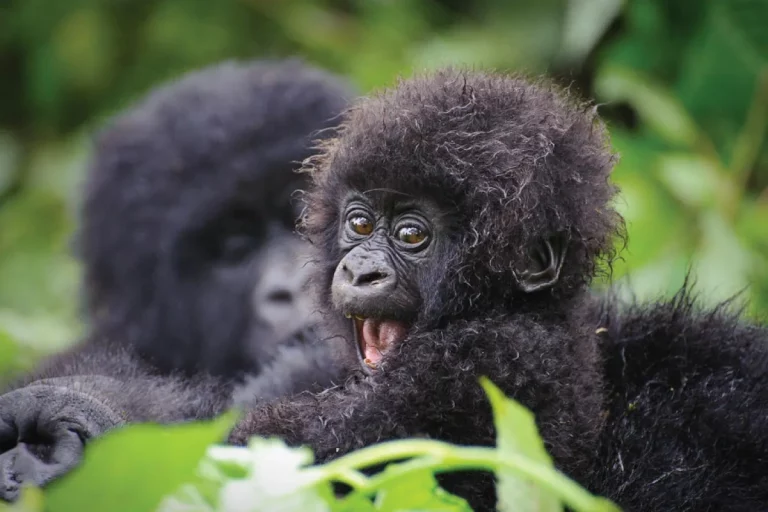
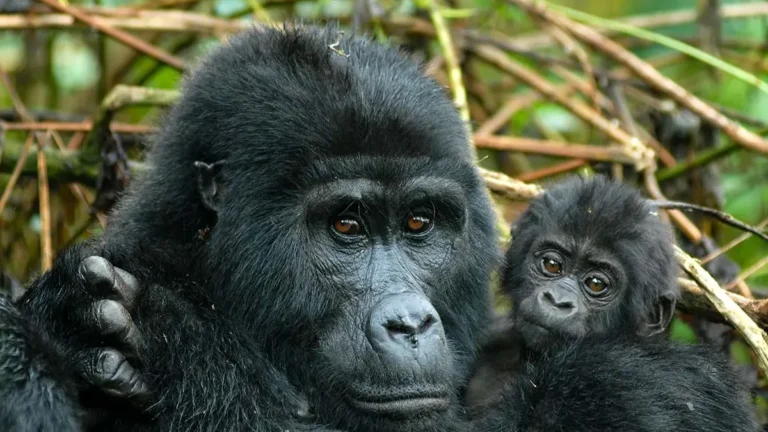
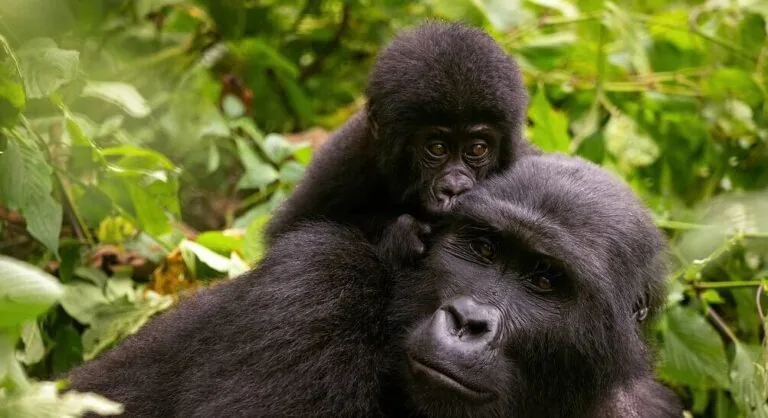
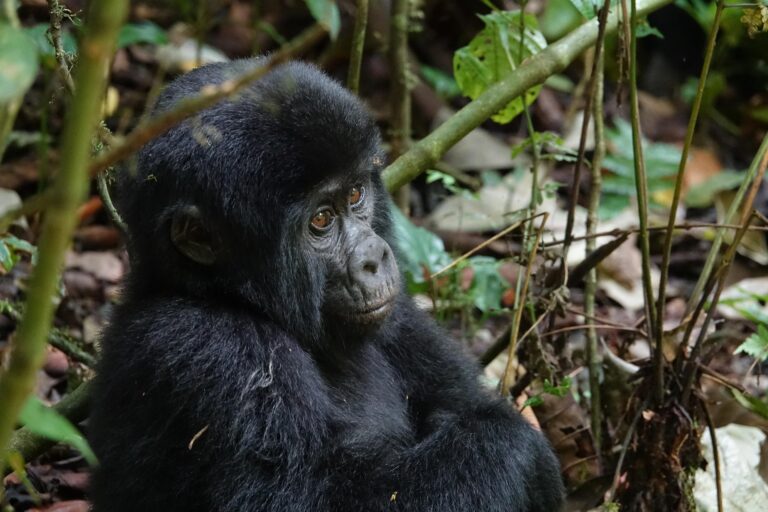
Volcanoes National Park is famous for gorilla trekking. It is one of only three countries in the world, with Uganda and DR Congo, where you can meet mountain gorillas in the wild. The gorillas here weigh up to about 200 kg and share around 98% of our DNA, yet they are calm and gentle with the visitors who come to see them.
3. Dian Fossey's legacy
Dian Fossey spent 18 years in these mountains studying and protecting the gorillas from her Karisoke Research Centre, founded in 1967 between Mount Karisimbi and Mount Bisoke. At a time when gorillas were seen as savage beasts, she showed the world that they are gentle, intelligent and deeply social animals.
By patiently earning their trust, she could sit close to gorilla families and record how they ate, communicated and lived together. This process of habituation is the foundation of gorilla tourism today. Fossey fought poachers fiercely and made many enemies. She was murdered at her cabin in 1985 and is buried in the gorilla graveyard beside her favourite gorilla, Digit.
4. Gorillas in the Mist
Fossey's story became the book Gorillas in the Mist and the 1988 Hollywood film of the same name, which was filmed in Rwanda. You can hike to her grave and the ruins of Karisoke on a half-day trek.
5. Golden monkeys
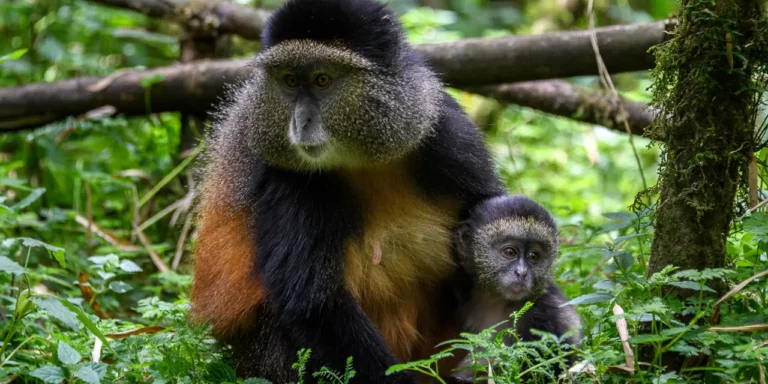
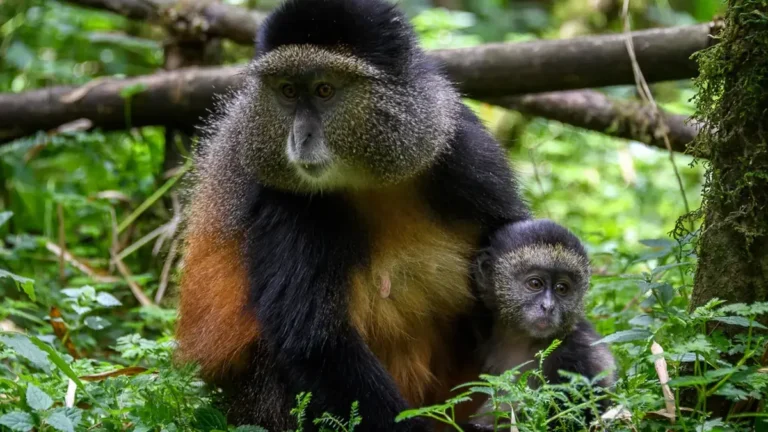
The park is also home to habituated troops of golden monkeys, a beautiful and endangered monkey found only in the Virunga region and a few nearby forests. With their golden-orange backs and lively faces, they are a joy to photograph. Golden monkey tracking costs US$100 for international visitors, is easier than gorilla trekking, and makes a lovely addition to your trip.
6. Birds of the Albertine Rift
Volcanoes National Park is a rewarding birding destination, with around 200 species recorded, including many Albertine Rift endemics. Look out for the Rwenzori turaco, handsome francolin, Rwenzori double-collared sunbird, Rwenzori batis, Archer's robin-chat, dusky crimsonwing, red-faced woodland warbler, Rwenzori apalis, scarlet-tufted sunbird and strange weaver.
Gorilla Families in Volcanoes National Park
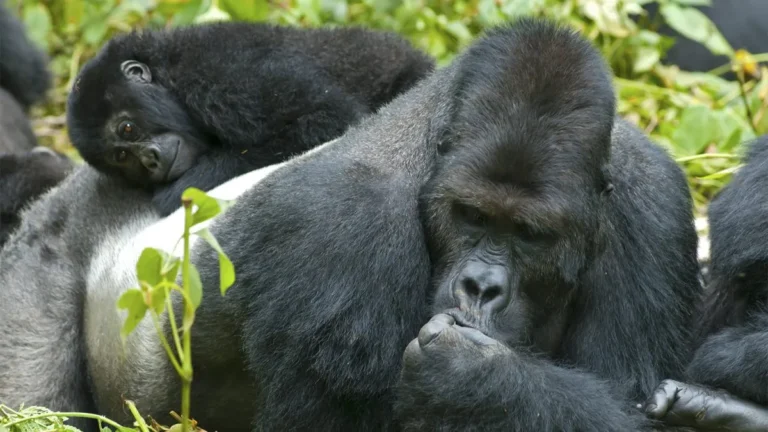
About 12 gorilla families in Volcanoes National Park are habituated for tourism, while others are visited only by researchers. Each family is led by a dominant silverback and includes adult females, young males and babies. Families visited by trekkers include:
- Susa: one of the most famous groups, made known by Dian Fossey's research
- Karisimbi (Susa B): a group that split from Susa and lives high on Karisimbi
- Sabyinyo: usually found on the gentler slopes near the park edge
- Agashya, Amahoro, Umubano and Kwitonda: popular groups with easier to moderate treks
- Hirwa, Igisha, Bwenge, Ugyenda and Muhoza: other well-known families
Each family can be visited by a maximum of eight people a day, for one hour. Every morning at Kinigi, rangers assign trekkers to families, matching the length of the hike to your fitness, so tell them if you prefer a shorter or longer walk.
Gorilla Trekking in Volcanoes National Park
All gorilla trekking in Rwanda takes place in Volcanoes National Park. Your day starts with a briefing at Kinigi, followed by a short drive to the trailhead. The walk usually begins through farmland to the park boundary wall, then continues into bamboo and montane forest with your ranger guide, while trackers go ahead to find the gorillas.
Once you reach your family, you spend up to one hour watching them feed, play and rest. The hour does not include the walk to and from the gorillas. On the way, you may also see golden monkeys, colourful Rwenzori turacos and three-horned chameleons.
How hard is the trek?
You do not need to be very fit to trek gorillas in Volcanoes National Park, and moderately fit visitors usually find it manageable. The walk to the forest edge is often fairly flat, though the altitude can leave you out of breath. Inside the forest, slopes can be steep and muddy. Treks can last from one hour to six hours in total, depending on where the gorillas are that day.
Porters are available at the trailhead to carry your bag and help you on slippery sections, and walking sticks are provided free. The minimum age is 15, and sightings are very reliable because trackers follow the families every day. Read our fitness for gorilla trekking guide to prepare.
What to bring
- Waterproof hiking boots with good grip
- Long trousers tucked into socks to keep out ants, and long sleeves against nettles
- Gardening gloves for gripping branches
- A rain jacket, hat and sunscreen
- Up to two litres of water and a snack
- A warm layer, as early mornings at Kinigi are cool
Plan your gorilla trek in Volcanoes National Park
Send us your dates and number of travellers. We will check gorilla permit availability, book your lodge and transport, and send a free quote within 24 hours.
Gorilla Permit Prices and Trip Costs
| Visitor | Gorilla permit |
|---|---|
| International visitors | US$1,500 |
| Foreign residents and other African citizens | US$500 (promotional rate until 31 December 2026) |
| Rwandan and East African citizens, including Ugandans | US$200 (promotional rate until 31 December 2026) |
A short gorilla trip from Kigali for an international visitor, including the US$1,500 permit, transport, a guide and a night near the park, usually starts at around US$2,000 per person, rising with more luxurious lodges and longer itineraries. See all the details in our guide to Rwanda gorilla permits.
Volcanoes National Park vs Bwindi
Volcanoes National Park is often described as the easier place to trek, because many of its families live close to the park edge and the approach is gentler. Uganda's Bwindi Impenetrable Forest has steeper, denser terrain but more gorilla families, and its permits cost US$800, or US$600 in April, May and November. Many travellers fly into Kigali and choose between the two based on budget, time and fitness.
Other Things to Do in Volcanoes National Park
- Golden monkey tracking in the bamboo zone
- Dian Fossey tomb hike to her grave and the Karisoke research site, between Bisoke and Karisimbi
- Mount Bisoke day hike to the crater lake at the 3,711 m summit
- Mount Karisimbi climb, a two-day trek with a night on the mountain
- Mount Muhabura hike, with views over the Twin Lakes of Burera and Ruhondo
- Musanze Caves, a lava tube cave system near Musanze town
- Iby'iwacu Cultural Village for traditional dance, crafts and community life
- Twin Lakes Burera and Ruhondo for a boat trip and lakeside lunch
For more on the volcano climbs, read our guide to climbing the Virunga volcanoes.
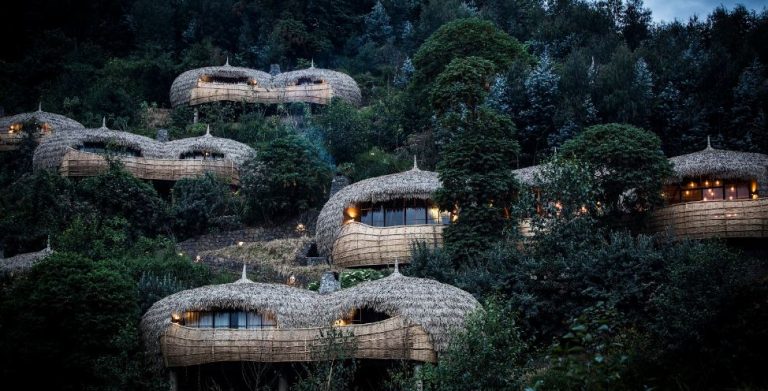
Where to Stay Near Volcanoes National Park
Apart from climbers on the Karisimbi trek, visitors do not sleep inside the park. Instead, there is a wide range of lodges and hotels around Kinigi and Musanze:
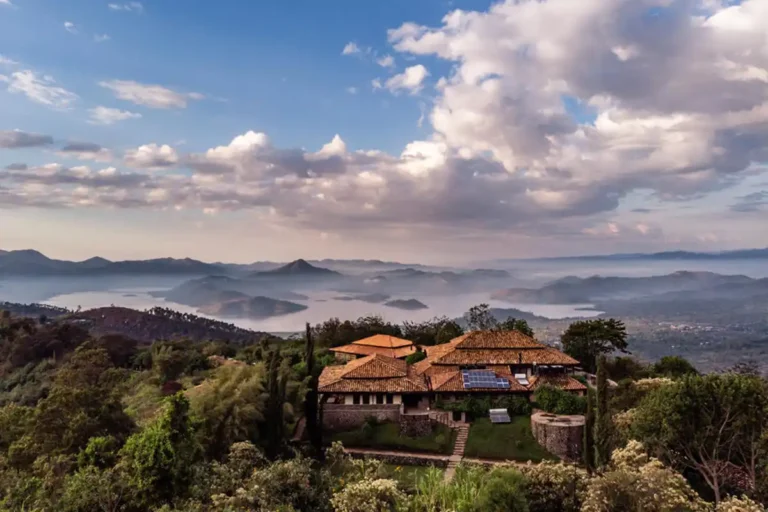
- Luxury: Bisate Lodge, Singita Kwitonda Lodge, One&Only Gorilla's Nest and Sabyinyo Silverback Lodge
- Upper mid-range: Virunga Lodge, Five Volcanoes Boutique Hotel and Mountain Gorilla View Lodge
- Mid-range and budget: Tiloreza Volcanoes Ecolodge, Garden Palace Hotel and guesthouses in Musanze
Best Time to Visit Volcanoes National Park
Volcanoes National Park is open all year. The best time for gorilla trekking is the dry season, from June to September and from mid-December to February, when trails are firmer. The wettest months are March to May and October to November, but this is an equatorial mountain region and rain can fall at any time, so always carry waterproofs. Read our month-by-month guide to the best time to visit Rwanda.
Combine Volcanoes With Rwanda's Other Parks
Rwanda is small, so it is easy to add other parks to a gorilla trek:
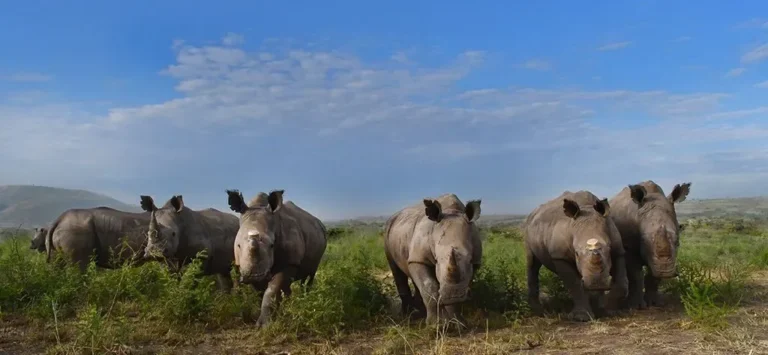
- Akagera National Park: savannah, lakes and the Big Five, including lion, elephant, buffalo, leopard and both black and white rhino.
- Nyungwe Forest National Park: chimpanzee trekking, a canopy walkway and many monkey species in a vast rainforest.
- Gishwati-Mukura National Park: a smaller, newer park closer to Volcanoes, with chimpanzees, golden monkeys and forest birds.
- Lake Kivu: a relaxing lakeside break between parks.
You can also combine Volcanoes National Park with gorilla trekking or a wildlife safari in Uganda, as southern Bwindi is a short drive from the border.
Rwanda Gorilla Safaris to Volcanoes National Park
These safaris include gorilla permits, lodges, transport and an experienced driver-guide. Each can be tailored to your dates and budget.
Meet the gorillas of Volcanoes National Park
Send us your dates and we will send a free tailor-made quote within 24 hours.
Get a Free QuoteChat on WhatsApp
Licensed by UTB and UWA • Member of AUTO • Rated 4.9 on TripAdvisor