World Gorilla Day: Visit The Highly Endangered Mountain Gorillas in Uganda, Rwanda & DRC.
World Gorilla Day is celebrated every September 24, and for anyone who cares about wildlife, conservation, or Africa's great apes, it is one of the most meaningful dates on the calendar. It marks a day set aside to honor gorillas, raise awareness of the threats they still face, and celebrate one of the greatest conservation comeback stories of the last century.
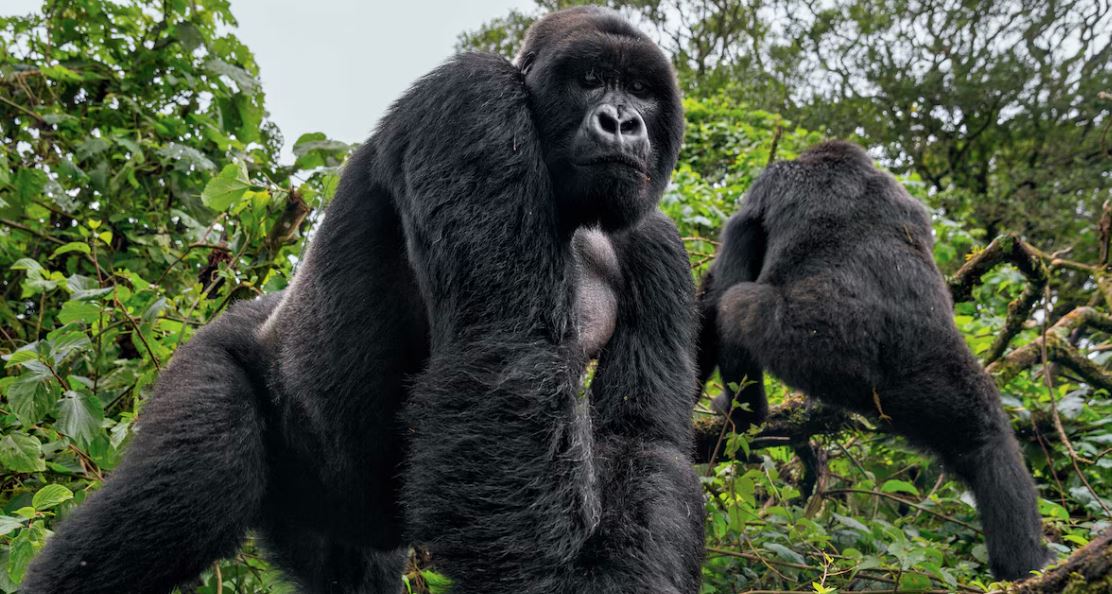
For Uganda, home to nearly half of the world's remaining mountain gorillas, World Gorilla Day carries a weight that few other countries share. This is not a distant, abstract cause here. It is personal, local, and tied directly to the forests, communities, and rangers who protect these animals every single day.
In this guide, we will look at where World Gorilla Day came from, why it matters so much for Uganda specifically, how the mountain gorilla population has changed over the decades, and how you can mark the day yourself, whether you are on the other side of the world or standing at the edge of Bwindi Impenetrable Forest.
What Is World Gorilla Day and Why September 24?
World Gorilla Day is an annual international awareness day dedicated to gorilla conservation. It falls on September 24 every year and was established in 2017 by Gorilla Doctors and the Dian Fossey Gorilla Fund, two of the leading organizations working to protect gorillas in the wild.
The date was chosen deliberately. September 24, 1967 is the day Dian Fossey, the American primatologist whose work with mountain gorillas changed how the world sees these animals, established the Karisoke Research Center in the Virunga Mountains of Rwanda.
Karisoke became the foundation for decades of gorilla research, monitoring, and protection. Choosing this date for World Gorilla Day was a way of tying the celebration directly to the person and the place where modern gorilla conservation truly began.
Since 2017, World Gorilla Day has grown into a global moment, observed by zoos, conservation groups, safari operators, and wildlife lovers across the world. Social media campaigns, fundraising drives, and educational events all take place under the World Gorilla Day banner every September 24, including at organizations like WWF.
The Dian Fossey Connection Behind World Gorilla Day
It is impossible to talk about World Gorilla Day without talking about Dian Fossey. Her name is woven into the very reason this day exists.
Fossey arrived in Central Africa in the 1960s at a time when almost nothing was known about mountain gorillas in the wild. Poaching was rampant, habitat was shrinking, and the animals themselves were widely misunderstood as dangerous and aggressive, an image largely shaped by fiction rather than fact.
Her years of close observation at Karisoke revealed the opposite. Mountain gorillas turned out to be gentle, family-oriented, and deeply social animals, living in tight-knit groups led by a dominant silverback male. This research reshaped global understanding of great apes and laid the scientific groundwork for the conservation and tourism models that protect gorillas today.
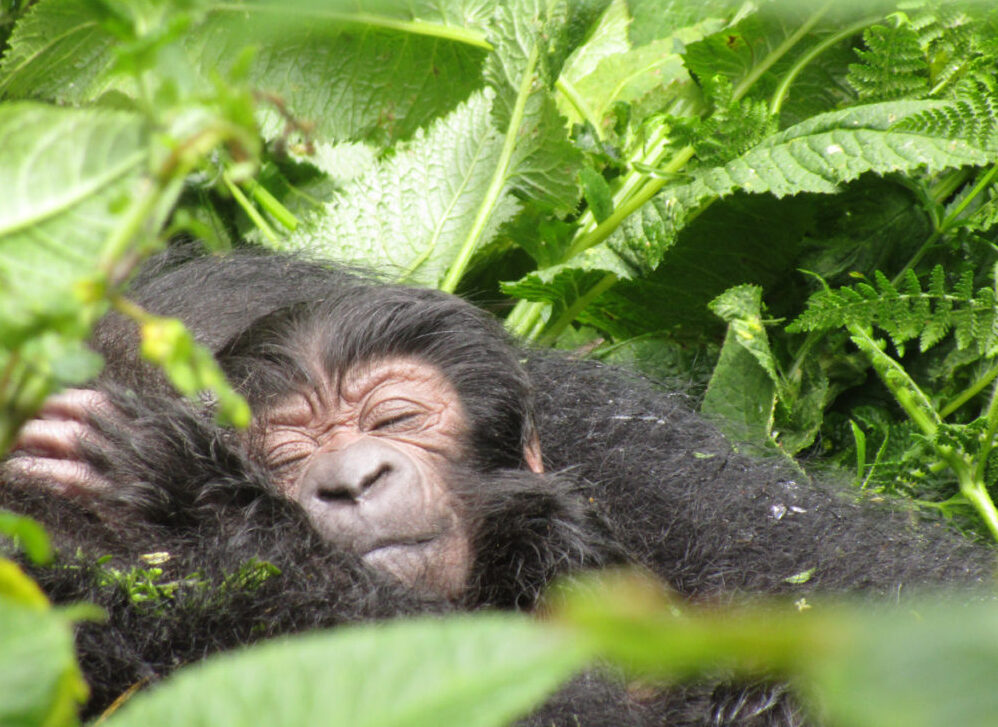
Fossey was murdered in 1985, and her death only intensified international attention on the plight of mountain gorillas. The organization she founded, the Dian Fossey Gorilla Fund, continues her work, and it remains one of the two organizations behind World Gorilla Day itself.
Every World Gorilla Day is, in a sense, a tribute to that legacy: one researcher's stubborn dedication to a species that very nearly disappeared before most of the world even knew it existed.
Why World Gorilla Day Matters for Uganda's Mountain Gorillas
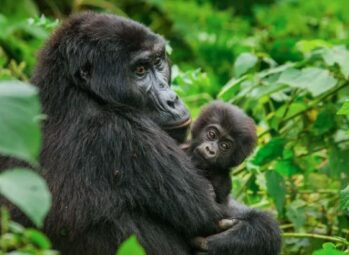
Uganda is one of only two countries on earth where mountain gorillas live in the wild, alongside the shared Virunga Massif spanning Rwanda, Uganda, and the Democratic Republic of Congo. Bwindi Impenetrable National Park in southwestern Uganda is home to roughly half of the entire global mountain gorilla population, making it arguably the single most important habitat for the species anywhere on the planet.
That fact alone explains why World Gorilla Day resonates so strongly here. This is not a symbolic celebration of animals living somewhere far away. It is a direct celebration of a forest, a set of communities, and a population of gorillas that exist within Uganda's own borders.
Tourism plays a central role in that story. Gorilla trekking permits, along with the broader safari economy built around them, fund a significant share of the ranger patrols, anti-poaching operations, and veterinary care that keep mountain gorillas alive and healthy.
World Gorilla Day is a reminder that every visitor who treks to see a gorilla family in Bwindi or the Virunga foothills is contributing, in a very real way, to the survival of the species. It is conservation funded not by donations alone, but by genuine, sustainable tourism.
Mountain Gorilla Population Today: The World Gorilla Day Success Story
Few conservation stories can match the arc of the mountain gorilla's recovery, and it is worth understanding just how dramatic that turnaround has been.
In 1981, the mountain gorilla population had fallen to an estimated 242 individuals, down from an estimated 400 to 500 just two decades earlier. Poaching, habitat loss, and conflict in the region had pushed the species to the very edge of extinction. Many conservationists at the time genuinely feared mountain gorillas would disappear entirely within a generation.
The recovery since then has been extraordinary. Numbers climbed steadily through the following decades, and by 2018 the IUCN Red List upgraded the mountain gorilla's status from Critically Endangered to Endangered, citing sustained cross-border conservation efforts as the driving factor. It was one of the very few times in the Red List's history that a great ape's outlook has improved rather than worsened.
Census figures now put the global mountain gorilla population at more than 1,000 individuals, split between the Virunga Massif and Uganda's Bwindi-Sarambwe ecosystem, with ongoing monitoring suggesting the total continues to climb.
This makes the mountain gorilla the only great ape subspecies on earth whose numbers are currently increasing rather than declining. Every other great ape population, from chimpanzees to lowland gorillas to orangutans, continues to shrink.
That single fact is why World Gorilla Day carries such a hopeful tone, even while acknowledging the threats gorillas still face. It proves that sustained conservation work, community involvement, and responsible tourism can genuinely reverse a species' decline. Mountain gorillas remain endangered, but they are also living proof that recovery is possible.
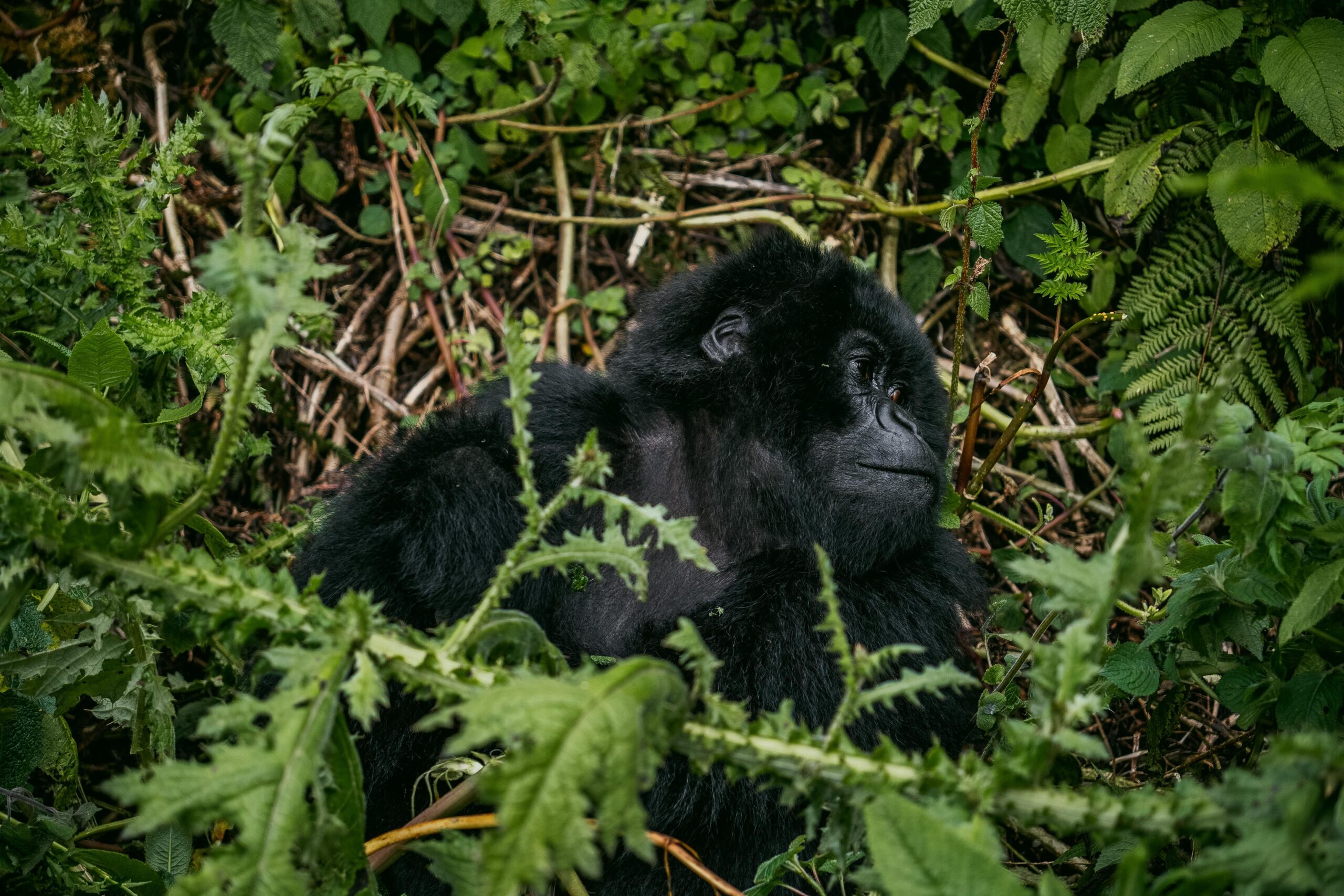
How Uganda Celebrates World Gorilla Day
Across Uganda, World Gorilla Day is marked in a variety of ways, from grassroots community events to formal conservation initiatives.
Uganda Wildlife Authority and partner conservation organizations often host awareness campaigns in the districts bordering Bwindi and Mgahinga Gorilla National Parks, engaging local schools and communities in gorilla education. Rangers and trackers, the people who spend more time with these gorilla families than almost anyone else, are frequently the guests of honor at these events.
Tour operators and lodges across the gorilla trekking region often run special promotions, community outreach days, or fundraising activities tied to World Gorilla Day. Social media plays a major role too, with photos, videos, and stories from the forest shared under hashtags like #WorldGorillaDay to spread awareness far beyond Uganda's borders.
For travelers who happen to be in Uganda around September 24, it is worth asking your safari operator or lodge whether any local events are taking place. Being present in gorilla country on World Gorilla Day itself, even without a trek booked for that exact date, is a genuinely memorable experience.
Threats Gorillas Still Face
World Gorilla Day is a celebration, but it is also a call to stay alert. Despite the remarkable recovery in numbers, mountain gorillas remain endangered, and several serious threats persist.
Disease transmission from humans is one of the most significant risks. Gorillas share close to 98 percent of their DNA with humans, which means they are susceptible to many of the same respiratory illnesses. A common cold that would be minor for a person can turn serious, even fatal, for a gorilla. This is why strict rules exist around trekking, including mask requirements and minimum viewing distances, and why organizations like Gorilla Doctors keep veterinary teams on call every day of the year.
Habitat pressure continues as well. Bwindi and the Virunga forests sit close to some of the most densely populated rural areas in Africa, and the demand for agricultural land creates constant tension at the park boundaries.
Political instability in parts of the Virunga region, particularly on the Congolese side, has at times disrupted ranger patrols and conservation work, underlining just how fragile this recovery still is despite its success.
Climate change is a slower but real threat too, gradually shifting the vegetation patterns that gorillas depend on for food within their high-altitude forest habitats.
World Gorilla Day exists precisely because of these ongoing risks. Celebrating the recovery does not mean the work is finished.
How You Can Mark World Gorilla Day, Even From Home
You do not need to be in Uganda to take part in World Gorilla Day. Plenty of meaningful ways to mark the day exist wherever you are.
Supporting a reputable gorilla conservation organization financially is one of the most direct forms of impact. Even a small donation to a group like Gorilla Doctors or the Dian Fossey Gorilla Fund contributes to ranger salaries, veterinary care, and anti-poaching patrols.
Sharing accurate information about gorillas and their conservation story on social media helps spread awareness to people who might never otherwise encounter it. Simply using the World Gorilla Day hashtag and tagging a credible conservation source goes a long way.
Choosing responsible, ethical tourism operators for any future African safari, ones who demonstrably reinvest in conservation and local communities, is another way to support the cause long after September 24 has passed.
Learning more about gorilla behavior, biology, and the threats they face is worthwhile too. Understanding why gorillas matter, both ecologically and as one of our closest living relatives, deepens appreciation well beyond a single awareness day. Our guides on what gorillas eat and just how strong a silverback really is are good starting points.
The Best Way to Honor World Gorilla Day: Visit Uganda's Gorillas Yourself
For those who can make the journey, nothing brings World Gorilla Day to life quite like standing a few meters from a wild mountain gorilla family in Bwindi Impenetrable Forest.
Gorilla trekking in Uganda involves hiking through dense montane forest with an experienced guide and tracker team, following signs left by a habituated gorilla family until you find them. Once located, visitors are permitted a full hour in the gorillas' presence, watching them feed, rest, and interact exactly as they would if no humans were there at all.
It is worth understanding, too, how gorillas differ from their closer cousins before you go. If you are weighing a gorilla trek against a chimpanzee tracking experience elsewhere in Uganda, our comparison of gorillas versus chimpanzees lays out exactly what sets the two experiences apart.
Every permit purchased directly funds the ranger patrols, veterinary teams, and community programs that have driven the population's recovery since 1981. In that sense, a gorilla trek is not just a bucket-list wildlife encounter. It is a tangible act of conservation, the very thing World Gorilla Day was created to inspire.
For travelers concerned about safety or health considerations before planning a trip, our update on Uganda's current safety status is a useful reference point.
World Gorilla Day, celebrated every September 24, is ultimately a story about what dedicated, sustained effort can achieve for a species once written off as doomed. From a population of 242 individuals in 1981 to more than 1,000 today, mountain gorillas represent one of conservation's rare genuine victories. Uganda sits at the very center of that story, and every visitor who treks into Bwindi's forest becomes part of it too.
Continue Planning Your Trip
Ready to experience Uganda's mountain gorillas for yourself? Explore our sample safari itineraries, use our Build My Safari tool to create a custom trip, or contact us directly to start planning your gorilla trekking adventure.
More to read!
Guided Uganda Gorilla Safari Tours: Everything You Need to Know Before You Trek
Bwindi vs Mgahinga: Which Uganda Gorilla Park Should You Choose in 2026?